
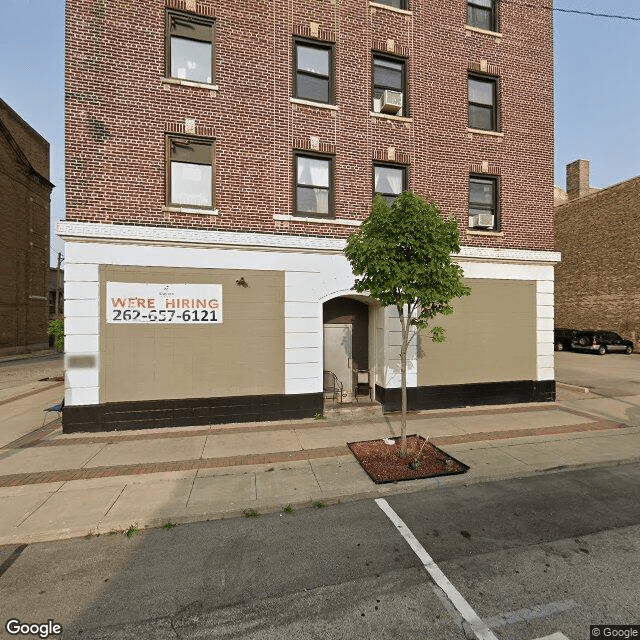
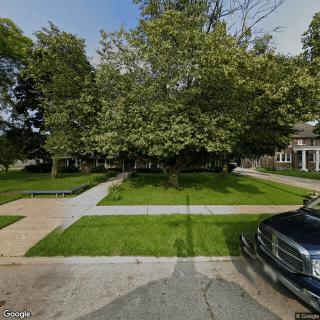
521 59th St, Kenosha, WI 53140
To contact a resident: (262) 657-6121
For more information about senior living options: (866) 208-4318
Dayton Care Center Costs & Pricing
At Dayton Care Center, the monthly costs for different room types showcase a competitive pricing structure relative to both Kenosha County and the broader Wisconsin market. For instance, a studio apartment at Dayton is priced at $3,600, which is notably lower than the county average of $3,808 and significantly less than the statewide average of $3,999. In contrast, the 1-bedroom option at Dayton comes in at $3,800; while this figure exceeds Kenosha County's average of $2,972, it remains more affordable than Wisconsin's average cost of $3,412. Overall, these figures highlight Dayton Care Center's strategic positioning within the local landscape, offering attractive options for those seeking quality care without straining their budget excessively.
| Floor plans | Dayton Care Center | Kenosha County | Wisconsin |
|---|---|---|---|
| Studio | $3,600 | $3,808 | $3,999 |
| 1 Bedroom | $3,800 | $2,972 | $3,412 |
Assisted Living communities with a similar price nearby
-
About the same

Dolphin Manor
$3,500 / month17.3 miles away -
About the same

Galloway Senior Living
$3,500 to $6,000 / month12.0 miles away -
About the same

Open Arms 20 III
$3,500 to $4,000 / month8.5 miles away -
from +$550 / mo
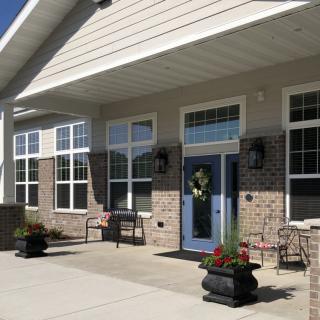
Archwood Senior Living
$4,150 to $5,150 / month15.1 miles away -
from -$531 / mo

Matthews of Oak Creek
$3,069 / month23.2 miles away
Overall Review of Dayton Care Center
Pros
 The Dayton care facility is exceptionally clean with updated rooms and kitchen.
- It is very well run with management on point.
- Volunteers appreciate the veterans and would recommend Dayton as a volunteer opportunity.
- The veterans associated with the facility are respected and valued for their decades of service.
Cons
 The facility has bed bugs.
- The place is dirty and not fit for anyone to live in.
- There is an infestation of bed bugs, and the vending machines are full of expired food for staff and residents.
- The silverware is not clean and has remnants of food on them.
- This facility is a disgrace and disgusting.
- There are many issues that need to be fixed, and the managers are incompetent.
- They should be shut down.
- The facility was not good, and the staff were unfair to visitors.
Review
Dayton Care Center in Kenosha is best suited for families that place a premium on a veteran-centric atmosphere, meaningful volunteer opportunities, and a consistently predictable management presence. The community can feel welcoming to those who value local veterans’ care and a hands-on staff structure. Yet the picture is decidedly polarized in the reviews, with several accounts describing conditions that range from solidly acceptable to dangerously neglected. Families should approach with a clear checklist, a plan to tour in person, and a readiness to confront both strengths and red flags before committing.
Those who should consider alternatives are families for whom flawless hygiene and pest-free living are non-negotiable. The most alarming reports center on bedbug infestations, pervasive dirt, expired items in vending machines, and unclean silverware, all of which point to lapses in basic sanitation and food-service standards. When leadership is described as incompetent or unresponsive, that compounds safety concerns and raises questions about ongoing oversight. For households that require consistently pristine conditions, uninterrupted housekeeping, and a proven track record of effective pest control, it is wise to compare other options with transparent cleanliness metrics and dependable kitchen service.
On the positive side, several accounts depict Dayton as a facility that is exceptionally clean, with rooms and the kitchen recently updated, suggesting solid maintenance and a focus on resident comfort. The claim that the site is well run and that management is on point in day-to-day operations offers reassurance to families seeking a stable routine and reliable administrative support. Volunteers’ praise adds another layer: a genuine sense of purpose surrounding veteran residents and an opportunity to engage with a community that widely values service. Taken together, these benefits create a credible case for Dayton when the environment can be verified as consistently well maintained.
Yet the negative reports cannot be dismissed. Bedbug concerns, dirty conditions in multiple areas, and putative sanitation lapses around dining and utensils present a reality that cannot be ignored, especially for families evaluating long-term residential care. The strongest counterweight to any favorable impression is the perception that management struggles to address critical problems, rendering improvements episodic rather than systemic. When care quality is perceived as variable and upkeep as reactive rather than proactive, the risk undercuts the otherwise appealing veteran-centric culture and volunteer opportunities.
When weighing the pros against the cons, the positive signals, cleanliness on some tours, ongoing updates, and a robust veteran and volunteer network, hold tangible value, but only if the negatives can be addressed consistently. For families who can conduct a thorough on-site inspection, confirm the status of pest control, and speak candidly with current residents about daily life, the positives can translate into real advantages: dependable routines, a supportive community, and meaningful engagement with veterans. However, for those whose decision hinges on uniform hygiene standards and reliably clean dining experiences, the risk profile may prove unacceptable, and alternatives should be prioritized.
Practical next steps are essential. Arrange an in-depth, in-person tour focused on housekeeping practices, pest-control logs, and dining sanitation, then seek candid conversations with residents and volunteers about day-to-day life. Request the most recent inspection and maintenance records and probe the leadership team’s concrete plans to address past criticisms. If a clear, credible path to consistent cleanliness and safe living cannot be demonstrated during these visits, broaden the search to comparable communities with verifiable, higher-standard performance. Dayton Care Center could fit a narrow niche for families prioritizing veteran culture and volunteer connection, but it is not a universal solution for trusted post-acute living.
 Assisted Living
 Activities off-site
 Beautician on-site
 Cable or satellite TV
 Devotional services off-site
 Indoor common areas
 Wi-Fi/high-speed internet available
 Ambulatory care
 Diabetic care
 Medication management
 Meals provided
 Art classes

 Understanding the Distinctions: Assisted Living and Memory Care Explained
 Guiding Elderly Parents Who Refuse Assisted Living: 6 Practical Steps
 Your Comprehensive Guide to Luxury Assisted Living: Elevated Facilities, Amenities, and Costs