
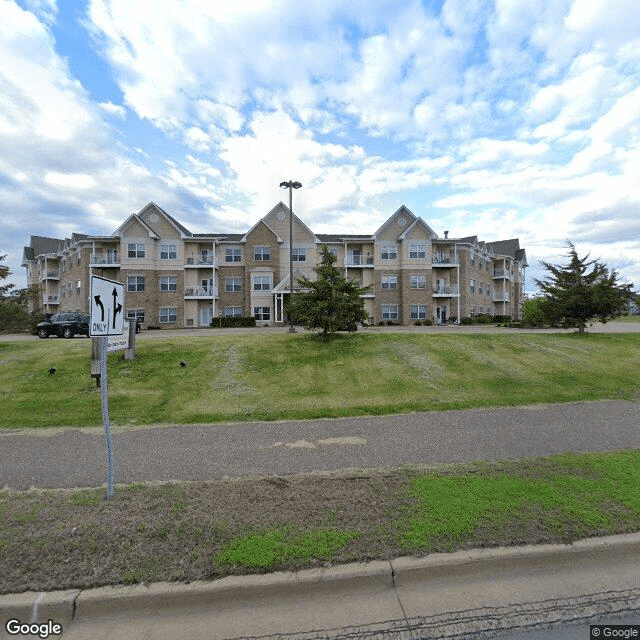
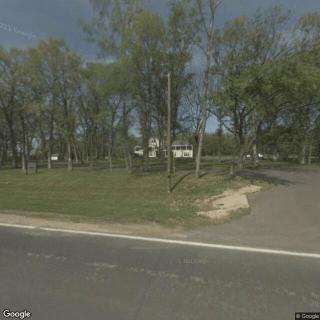
3001 Hanley Road, Hudson, WI 54016
To contact a resident: (715) 808-4101
For more information about senior living options: (866) 208-4318
Overall Review of Red Cedar Canyon Assisted Living
Pros
 The property, management, and builder are amazing.
- The staff makes residents feel at home, not sterile and cold.
- The apartments are beautiful and well maintained.
- The administration is well run.
- The meals in the dining room are loved by residents.
- The nursing staff is top notch.
- The activities director is simply amazing and engages residents.
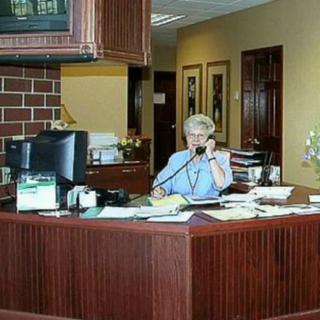
- The staff is warm, friendly, caring, and professional.
- Red Cedar Canyon has been named Best Care Facility in the Valley for the past two years.
Cons
 One reviewer reports that his grandfather was neglected there, ending up soiling himself and unable to get out of his chair for days, which led to an infection.
- Another reviewer describes a relatively bad experience, saying the director repeatedly tried to charge for services that were not performed and that the family moved his relative to Minnesota for better care.
- A reviewer says the atmosphere has shifted from a happy, secure place to a place of insecurity, attributing the change to greed.
- A reviewer notes that the new administrator announced charging ten dollars per unit of time for any assistance, with nurses charged at twenty dollars per unit, and wait times of 20–25 minutes, calling it unfair.
- A reviewer mentions that RCC’s services have changed dramatically over two years, implying a decline in care quality and a rise in costs.
Review
Red Cedar Canyon Assisted Living in Hudson, Wisconsin is best suited for seniors who want a warm, home-like atmosphere with attentive, relationship-focused care. The community conveys a comfortable, non-clinical feel and an emphasis on genuine hospitality rather than a clinical sheen. Families that prize a beautiful, well-maintained living space, strong on-site dining, and an active, engaged staff will find RCC to be a reassuring fit. For residents who value consistent day-to-day warmth, predictable routines, and a campus where staff appear invested in the resident experience, RCC stands out as a practical, dependable choice.
There are clear reasons some families should consider alternatives. A handful of reviews flag pricing questions, specifically, concerns about additional charges for assistance or services that may not be clearly itemized. Reports of wait times for help, sometimes extending 20 minutes or more, also appear, raising questions for residents who require prompt assistance. A few accounts describe management or director changes and perceptions that these shifts have affected service or atmosphere. And while most praise the care, there is at least one strongly negative claim about neglect. Taken together, these factors suggest that while RCC can be excellent for many, others, especially those needing transparent billing, rapid response, or highly consistent oversight, may want to compare options more broadly before committing.
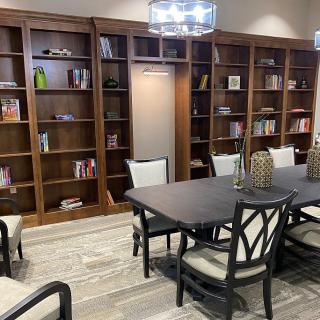
On the plus side, the pros at Red Cedar Canyon consistently align with a homey, well-run experience. Families repeatedly praise staff for warmth, compassion, and professionalism, with particular admiration for the nursing team and the activities director. The dining program earns praise for fresh, appreciated meals, and the care team is described as cohesive, often coordinating smoothly with hospice services when needed. The facility itself tends to be clean and well maintained, with amenities such as an on-site salon, a small gym, and even a weekly doctor visit contributing to a sense of comprehensive, community-centered care. Residents often find the environment intimate enough to feel like a home rather than a hospital, which can significantly ease the transition for older adults.
Those strengths help offset many of the common concerns, though not perfectly. The same attributes that create a warm, home-like setting, small scale, engaged staff, and strong caregiver relationships, also support better outcomes when care needs intensify. The value proposition is reinforced by accounts of competitive or predictable pricing for the level of care, as noted by reviewers who compare RCC favorably to market rates. When the care team works well with hospice and when residents participate in a robust activities slate, the experience can feel highly personalized and responsive, mitigating worries about pricing complexity or perceived distance between administration and daily life. Yet the risk signals, billing ambiguities, slower response times, and the potential for governance changes, remain real considerations that can erode confidence if not transparently addressed.
Families evaluating RCC should plan to verify several specifics during a visit. Ask for a clear, itemized understanding of what services are included in the base rate versus add-ons, and request examples of typical response times across shifts. Speak directly with the executive director and the nursing leadership to gauge how staffing ratios are maintained and how any recent leadership changes have influenced day-to-day operations. Observe activity programming and meet the activity director, since ongoing engagement is repeatedly cited as a core strength. Finally, inquire about recent incidents or concerns raised by residents or families and how these were resolved, so the path from concerns to accountability is transparent.
Ultimately, the recommendation is practical and decision-focused: RCC is a strong fit for easygoing seniors who value a warm, engaged, home-like community with compassionate staff, good food, and active daily life. It is less suitable for those who require ultra-fast response times, crystal-clear billing with no surprises, or an ironclad guarantee against leadership turnover affecting care. For families who prioritize transparent pricing, immediate assistance, or a highly structured medical oversight, it pays to tour alternatives, especially options in nearby Minnesota that some families feel offer different balances of leadership, programming, and cost. In every case, a candid conversation with the leadership team and a firsthand look at staff interactions will reveal whether Red Cedar Canyon aligns with both care expectations and financial realities.
 Assisted Living
 Activities on-site
 Devotional services off-site
 Indoor common areas
 Ambulatory care
 Diabetic care
 Meals provided


 Senior Transition Services: Understanding Their Role, Cost, and Importance
 Exploring the Path to Senior Living: A Comprehensive Look at Independent Living and Assisted Living
 Is Assisted Living Deductible on Your Taxes? Understanding the Complexities of Assisted Living Expenses and Deductions