

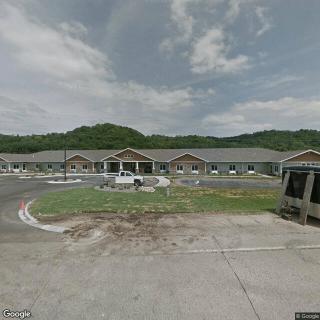
112 Juniper Lane, Holmen, WI 54636
For more information about senior living options: (866) 208-4318
Overall Review of The Heights Assisted Living
Pros
 Residents enjoy two warm, tasty meals each day, with dessert at both meals.
- Each apartment includes a kitchen with a stove and a refrigerator, supporting independent living.
- The maintenance staff is hard-working, respectful, and cares for more than one facility.
- Aides are quick to respond to residents’ needs.
- The facility provides a walk-in shower with multiple hand-grasp bars and offers showering assistance if needed.
- The cleaning staff is respectful and friendly on a weekly basis.
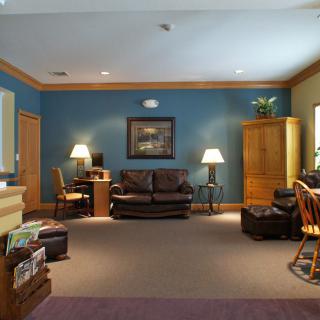
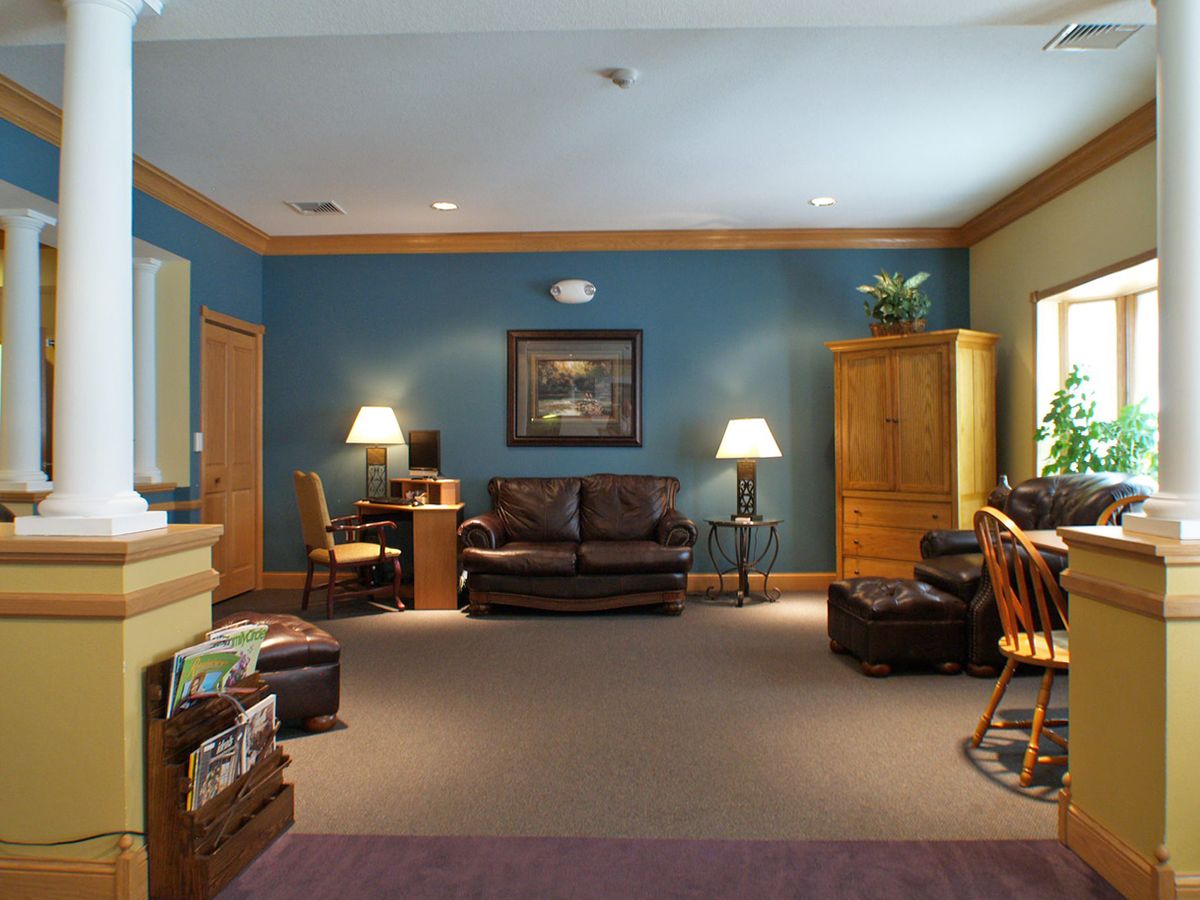
- Board games and puzzles are available, along with a large-screen TV with Spectrum channels and YouTube, and a computer for residents.
- A visiting pastor’s wife provides uplifting musical performances for residents.
- Most residents are friendly, contributing to a warm, welcoming community.
Cons
 Some people are not friendly toward biblical Christians, calling them weird or strange.
 - Gossip and slander are common, with staff sometimes unable to discern truth and sometimes creating drama.
- There are insults directed at conservative voters.
- The staff is described as inexperienced and not fully informed about residents’ matters, leading to misunderstandings.
- HIPAA/Obamacare rules are said to limit staff from discussing residents, diminishing the sense of community.
- Management may deny attempts to address accusations properly, citing discomfort with confronting accusers.
Review
The Heights Assisted Living in Holmen is best suited for residents who value a small, faith-forward community where daily life centers on companionship, familiar routines, and practical conveniences like an in-unit kitchen, reachable aides, and nearby social activities. This is a setting that rewards families with an engaged network, where chapel moments and uplifting music can be an anchor, and where residents who thrive on regular human contact and simple, homey comforts find the rhythm that keeps them engaged. It is especially appropriate for individuals who appreciate a traditional, old-fashioned sense of community and who understand that this environment blends spiritual expression with practical care. Those who crave a completely secular, ultra-neutral atmosphere or who require a higher level of medical oversight should look elsewhere, as the atmosphere can tilt toward religious familiarity and interpersonal dynamics that reflect a small-care-community vibe rather than a highly structured, medically intensive setting.
On the practical side, the daily life outline leans toward value and accessibility. Two warm meals per day are a clear plus, usually tasty and satisfying, with dessert and a full dining experience that feels home-cooked. The kitchen in each apartment is a meaningful perk, allowing independent cooks or accommodating dietary quirks without forcing a total dependence on dining hall norms. Aides are described as quickly responsive, and safety is reinforced by a walk-in shower with hand-grasp bars and available showering assistance when needed. Weekly housekeeping, a friendly cleaning presence, and readily available transportation options via a van add to the sense of daily reliability. The facility supports mental and social engagement through board games, puzzles, a large-screen TV with current Spectrum channels and YouTube, plus computer access for residents. These amenities collectively create a practical, low-friction routine that many families prize.
Yet significant caveats color the decision in a meaningful way. The community’s social climate can be uneven: some residents express strong religious and political viewpoints, and not all may feel entirely comfortable or respected in a setting where conservative views and faith are visible. Gossip and the potential for slander surface as risks, and when conflicts arise, staff may struggle to quickly discern fact from rumor. Privacy boundaries and interpersonal tensions can ripple through common areas, quietly challenging a perfectly peaceful day. The review also notes a staff dynamic that relies on a relatively young managerial presence and suggests opportunities for stronger conflict-resolution practices. These factors do not erase the care offered, but they do limit predictability for families seeking a relentlessly calm, drama-free environment.
In weighing the pros against the cons, the core strengths tend to cover the most critical day-to-day needs: dependable meals, decent private living space with kitchen access, prompt assistance for personal care, strong safety features, and a robust array of social and spiritual activities that nurture a sense of belonging. The accessibility of everyday technology and activities, games, screens, and even a memory-facility cross-street with uplifting musical moments, adds meaningful texture to life here. However, the risk profile shifts when considering social compatibility and consistency of staff judgment in contentious moments. For families with members who prize serenity, neutral ground, and a predictable social climate, these trade-offs may be acceptable; for those who demand unwavering harmony and a high degree of medical oversight, alternatives may be more suitable.
Who should consider alternatives becomes an important question. If a resident places a premium on a secular, politically neutral atmosphere without the tang of religious or partisan disagreement, this community may feel uneasy. If a strict, veteran-management approach and a transportation system that reliably supports off-site activities (without depending on volunteer drivers) are non-negotiable, another option may be preferable. For residents needing higher medical acuity, more continuous on-site nursing coverage, or a consistently calm, drama-free culture, look toward facilities with stronger institutionalized protocols and longer-tenured leadership. Finally, families who cannot or prefer not to invest effort into mediating interpersonal conflict or who require more intense privacy controls should actively compare other communities in the area.
Practical decision guidance follows a straightforward course. First, visit with a clear checklist: observe how aides interact with residents, gauge the tone of daily life, and evaluate whether the chapel-and-music element feels like a meaningful anchor or an expectation you’d rather not embrace. Speak directly with the manager, Kaylee, to understand staffing stability, scheduling, and whether transportation for outings can be reliably arranged beyond a volunteer model. Confirm meal options and whether nutritional preferences or restrictions can be accommodated in the kitchen or dining plan. Interview current residents or families to hear about conflicts, gossip, or praise in real life, and ask for recent examples of how issues were resolved. Finally, compare The Heights with other Holmen options, noting distance to family, memory-care adjacency, and the level of medical oversight, so choices align with the resident’s medical needs, values, and desired daily rhythm. The Heights offers a practical, homey option with real strengths; it is not the right fit for every family, but for the right resident, it delivers dependable care within a warm, traditional community.
 15 resident community capacity
 Assisted Living
 Activities on-site
 Cable or satellite TV
 Devotional services off-site
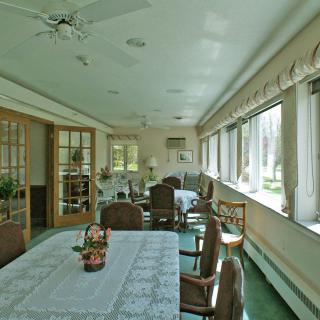
 Dining room
 Fully furnished
 Garden
 Housekeeping services
 Indoor common areas
 Move-in coordination
 Outdoor space
 Telephone
 Wi-Fi/high-speed internet available
 La Crosse Municipal (6 miles away)
 24-hour supervision
 Ambulatory care
 Assistance with bathing
 Assistance with dressing
 Assistance with transfers
 Diabetes diet
 Diabetic care
 Meal preparation and service
 Medication management
 Special dietary restrictions
 Transportation arrangement (medical)
 Transportation to doctors appointments


 Beyond the Bingo Hall: 50+ Enriching Activities for Seniors in Assisted Living
 Understanding the Distinctions: Assisted Living and Memory Care Explained
 Guiding Elderly Parents Who Refuse Assisted Living: 6 Practical Steps