
3908 Circle Drive, Holmen, WI 54636
For more information about senior living options: (866) 208-4318
Hope Stay Memory Care Costs & Pricing
Hope Stay Memory Care offers a studio room for $7,500 per month, which is significantly higher than both La Crosse County's average of $5,237 and the state-wide average in Wisconsin of $3,999. This premium pricing reflects the specialized care and personalized services designed to support residents with memory-related conditions. While the cost may appear steep compared to local and state averages, it is crucial to consider the quality of care, amenities, and tailored programs that Hope Stay provides - elements that are often invaluable for families seeking exceptional support for their loved ones.
| Floor plans | Hope Stay Memory Care | La Crosse County | Wisconsin |
|---|---|---|---|
| Studio | $7,500 | $5,237 | $3,999 |
Overall Review of Hope Stay Memory Care
Pros
 A husband of a dedicated Hope Stay staff member was deeply impressed by the facility's professional and personal care.
- The staff demonstrate compassion, dignity, and real connection with residents.
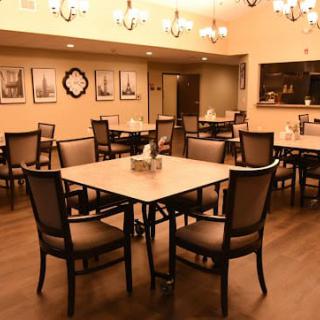
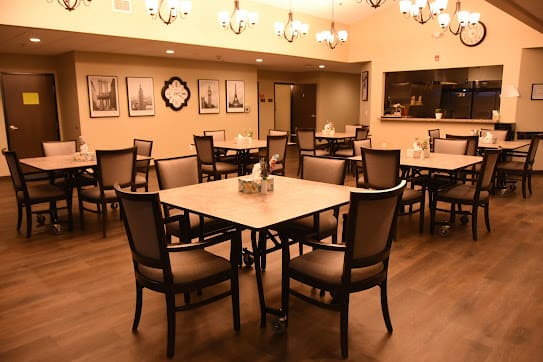
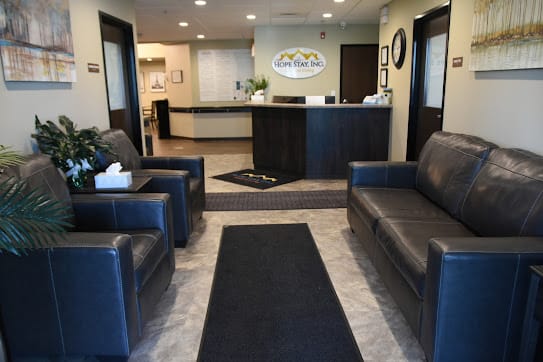
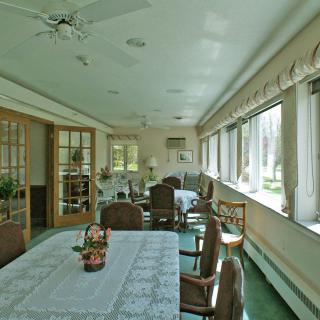
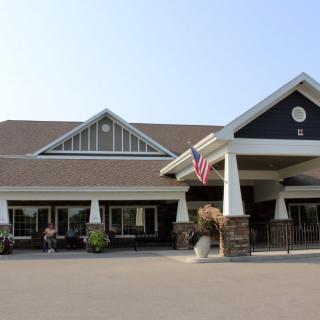
- The environment is warm, clean, and welcoming, with a calm atmosphere.
- The owners are amazing, and the place feels like one big family.
- The facility is easy to reach, cleaner than many hospitals, and sanitation is taken seriously by the staff.
- The meals are homemade and well-balanced.
- The decor is warm and inviting, with a touch of class.
Cons
 They say it should not be used for a family member and would give it a zero rating.
- They allege a Power Chair and other belongings were lost or discarded.
- They describe staff as treating residents like animals and showing zero respect.
- They report dirty rooms, residents in wet beds for hours, missing equipment, and terrible food.
- They claim medication errors and missing meds with unsafe care protocols.
- They state doors are not properly locked, allowing residents to wander.
- They accuse the owner of sweeping problems under the rug and lacking background checks or drug testing.
- They say the facility should be shut down or avoided at all costs.
Review
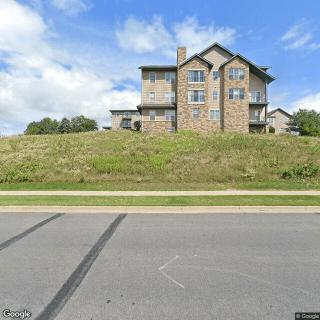
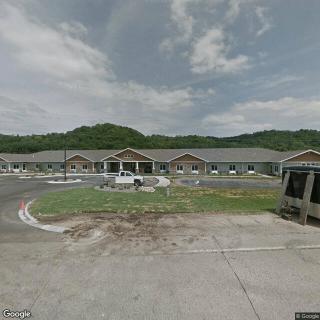
Hope Stay Memory Care in Holmen, Wisconsin is best suited for families seeking a small, home-like memory care setting where staff strive to deliver warmth, personal attention, and everyday comforts. It works for residents with dementia who respond well to a familial atmosphere, predictable routines, and meals that feel homemade. The environment can feel calm and inviting, and some families report clear moments of genuine kindness from caregivers who treat residents like members of a extended family. This makes Hope Stay a reasonable fit for those who prioritize emotional connection, daily companionship, and a decor you can visually equate with a home rather than a clinical institution. It is not a universal solution, however; the model hinges on front-line dedication and consistent operational reliability, which appears variable across experiences.
Those researching alternatives should particularly consider options if safety, medication management, and consistent staffing oversight are nonnegotiable requirements. Several reviews flag real concerns about protocol adherence, medication errors, and missing or mishandled supplies. The facility has been described by multiple sources as exhibiting gaps in documentation, care planning, and response times, with some family members reporting a lack of transparency when issues arose. In practice, this translates into a risk profile that may be unacceptable for residents who require strict medical supervision, robust infection control, or ongoing clinically driven interventions. Families whose loved ones need locked-door security, fail-safe fall prevention, or dependable staff-to-resident ratios should explore other communities with verifiable track records in those areas.
The strongest positives at Hope Stay center on the human elements: warmth from caregivers, a sense of community, and a homey setting that feels clean and welcoming. Several accounts highlight compassionate interactions, respectful bedside manner, and genuine pride among staff and owners for providing a homelike experience. The culinary aspect, homemade meals and a decor that reinforces comfort, also resonates with families seeking a nurturing pace of life where residents are greeted by familiar faces daily. These advantages have clear value for memory-care residents who thrive on routines and social connectedness, and they can offset some modest lapses in administrative rigor when care is steady and attentive. Yet, food and atmosphere cannot fully compensate for systemic safety concerns or inconsistent clinical practices.
To make an informed decision, families should demand concrete assurances about everyday operations. Prospective residents and their families should request current, detailed care plans, recent incident logs, and a transparent medication administration record. Observations during tours, how meds are dispensed, how staff respond to wandering or distress, and the timeliness of assistance with activities of daily living, will reveal whether the positive feel of the place translates into reliable care. It is essential to verify that doors and locks are functioning as intended, that equipment is available and properly maintained, and that there is a clear escalation path for safety concerns. Asking about staff training, background checks, and the facility’s approach to ongoing quality improvement helps separate dependable homes from environments where issues are left unaddressed.
Bottom-line guidance centers on alignment between resident needs and the facility’s proven strengths. Hope Stay offers a compelling value proposition for families who prioritize a warm, family-like setting and can tolerate a degree of variability in clinical protocols, with a heavy emphasis on daily human connection. For residents requiring rigorous medication management, strict safety protocols, or dependable, auditable systems, alternatives likely provide greater peace of mind. In practice, the decision should hinge on a candid risk-versus-reward calculus: if the priority is companionship, responsive caregiving, and a homey atmosphere, Hope Stay can fulfill those expectations when monitored closely; if the priority is ironclad procedural reliability and demonstrable governance, other options deserve careful comparison. In any case, consistent oversight, regular visits, and explicit agreements on care standards should accompany the choice to maximize the chances of a positive, sustainable placement.
 26 resident community capacity
 Assisted Living
 Memory Care
 Activities off-site
 Beautician on-site
 Cable or satellite TV
 Devotional services on-site
 Dining room
 Fully furnished
 Garden
 Housekeeping services
 Indoor common areas
 Kitchenette
 Move-in coordination
 Outdoor common areas
 Telephone
 Wheelchair accessible showers
 Wi-Fi/high-speed internet available
 La Crosse Municipal (3 miles away)
 24-hour call system
 Ambulatory care
 Assistance with bathing
 Assistance with dressing
 Assistance with transfers
 Diabetes diet
 Diabetic care
 Hospice waiver
 Incontinence care
 Meal preparation and service
 Medication management
 Mental wellness program
 Special dietary restrictions
 Transportation arrangement (medical)
 Transportation to doctors appointments
 Vibrant Senior Living: A Comprehensive Guide for Active Older Adults
 Assisted Living and Memory Care: Understanding Their Core Differences
 Choosing the Right Senior Care: A Detailed Exploration of Assisted Living and Nursing Homes