

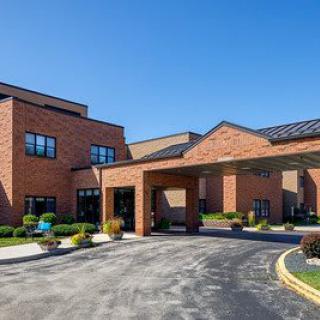




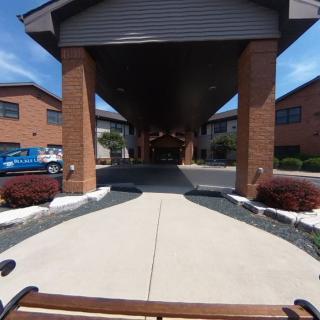
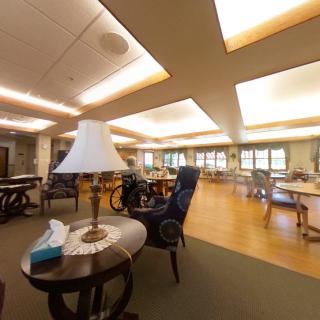
345 East First Street, Fond Du Lac, WI 54935
For more information about senior living options: (866) 208-4318
St Francis Terrace Costs & Pricing
St. Francis Terrace exhibits a pricing structure that is notably higher than both Fond du Lac County and the broader state of Wisconsin across its room types. For a one-bedroom unit, residents can expect to pay $4,080 per month, which significantly exceeds the county average of $3,506 and the state average of $3,412. The trend continues with two-bedroom units priced at $5,190, contrasting sharply with Fond du Lac County's average of $3,920 and Wisconsin's lower statewide average of $3,111. This suggests that St. Francis Terrace may offer unique amenities or services justifying its premium prices, catering to those who prioritize enhanced living experiences in their housing decision-making process.
| Floor plans | St Francis Terrace | Fond du Lac County | Wisconsin |
|---|---|---|---|
| 1 Bedroom | $4,080 | $3,506 | $3,412 |
| 2 Bedrooms | $5,190 | $3,920 | $3,111 |
Assisted Living communities with a similar price nearby
-
from -$797 / mo
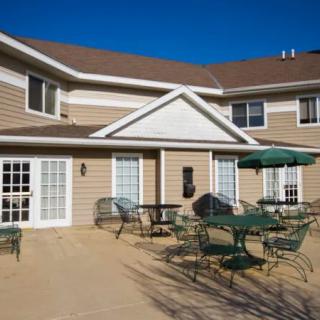
Lake View Place
$3,283 to $4,073 / month1.2 miles away -
from -$180 / mo
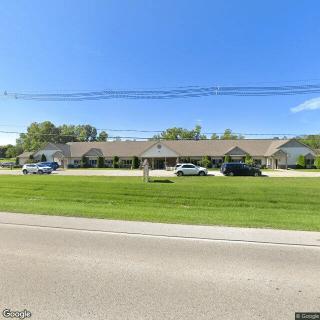
Songbird Pond Assisted Living
$3,900 to $5,250 / month23.9 miles away -
from +$645 / mo
The Residence at Oshkosh
$4,725 to $5,275 / month19.1 miles away -
from -$355 / mo

Oakwood Manor
$3,725 to $4,075 / month19.4 miles away -
from -$580 / mo
The Waterford At Plymouth
$3,500 to $5,050 / month24.2 miles away
Overall Review of St Francis Terrace
Pros
 The staff make the facility feel welcoming.
- Being attached to the hospital with available medical care support is a major bonus.
- She fit in right away.
- It was just what she needed.
Cons
 All are very untuned with residents.
Review
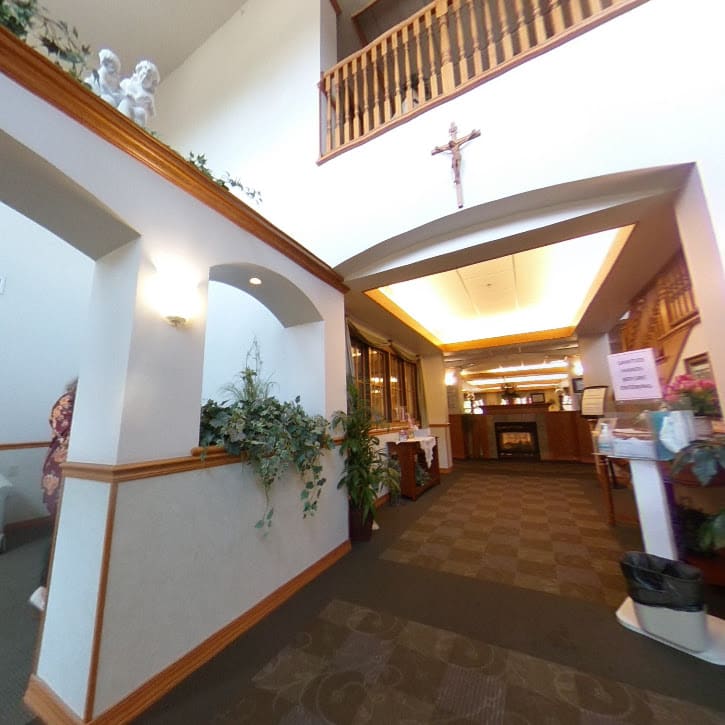
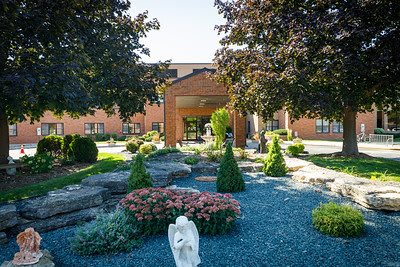
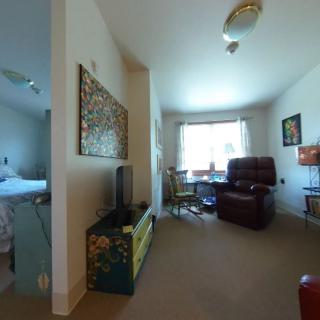
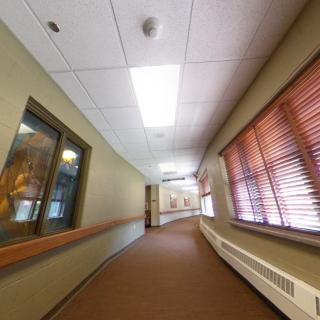
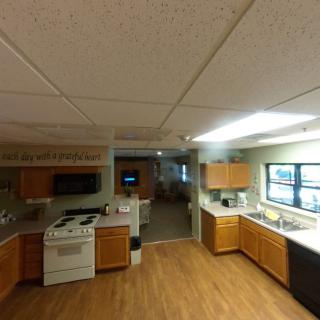
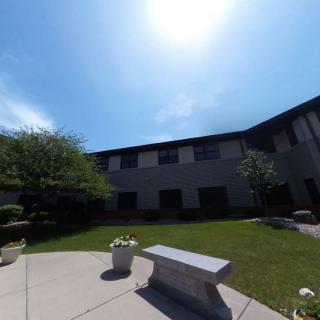
St Francis Terrace in Fond du Lac is best suited for seniors who benefit from hospital-adjacent care and highly engaged, resident-centered staff. The standout feature is the integration with the attached hospital, which translates into rapid access to medical support and in-house care when it’s needed. Families looking for a smooth transition from a hospital setting or post-acute phase will find this model especially reassuring, because the environment is built around continuity of care rather than evasion of medical oversight. In short, this community works best for residents who require dependable medical availability and staff who seem genuinely connected to residents’ daily well-being.
Those who may want to consider alternatives are typically those prioritizing a more independent, home-like atmosphere with less visible medical infrastructure. If the goal is to minimize the sense of clinical oversight or to pursue a setting that feels more like private senior living than a hybrid with a hospital, other communities could offer a better fit. Families seeking a broader range of non-medical amenities, more varied programming, or a less hospital-centric feel might find a different environment more aligned with their expectations and daily rhythms.
The strongest pros center on people and medical integration. The staff’s alignment with residents stands out as the facility’s core strength; when care teams know residents well, daily routines, preferences, and subtle changes in health are more readily anticipated and accommodated. The hospital tie is not a sideline benefit but a practical advantage: the ability to access skilled nursing, diagnostic services, and medical consultation in-house reduces disruption to routines and eases planning during health events. The mother-in-law’s adjustment offers a telling example, she fit in quickly and clearly benefited from an environment that supports familiar routines and immediate support, which alleviates common anxieties for families during transitions.
Yet the lack of explicit drawbacks in the available impressions leaves one necessary caveat. The very strengths, continuous medical readiness and readily attuned staff, could feel less optimal for families seeking a lower-medical-intensity setting or for residents who prize a more home-like, less clinical ambiance. Prospective residents should weigh the comfort of immediate medical access against the potential sense of being confined to a hospital-adjacent mood or pace. This is not presented as a flaw for most, but it is a real consideration for those who want a more autonomous daily experience without the constant undercurrent of medical readiness.
In balancing the equation, the key advantages almost always offset the potential trade-offs for the target profile. For seniors with chronic conditions, recent hospital discharge needs, or a demonstrated preference for readily available medical services, the ability to lean on in-house care and hospital resources translates into tangible peace of mind for families. The staff’s demonstrated attentiveness and the resident-centered approach further enhance safety, daily satisfaction, and the likelihood that preferences and routines will be respected. Those advantages mitigate concerns about staying in a setting that is visibly connected to medical infrastructure and ensure that daily life proceeds with minimal friction when health needs arise.
The practical verdict is clear. St Francis Terrace stands out for families needing reliable medical oversight delivered through a collaborative, resident-focused team. It is a compelling option for those who want the reassurance of near-immediate access to hospital-grade support without the disruption of moving between facilities or vendors. For households prioritizing a lighter medical footprint, more independent living vibes, or a layout that feels more like traditional assisted living than a hospital annex, exploring other communities is prudent. Tour the campus with a specific eye toward how staff interact with residents, how easily health services can be accessed, and whether the pace and atmosphere align with the loved one’s preferences. When those elements align, St Francis Terrace offers a practical, seasoned pathway to secure daily living with medical confidence.
 55 resident community capacity
 Assisted Living
 Cats allowed
 Activities off-site
 Air-conditioning
 Beauty salon
 Cable or satellite TV
 Computer center
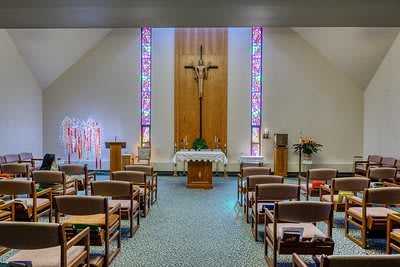
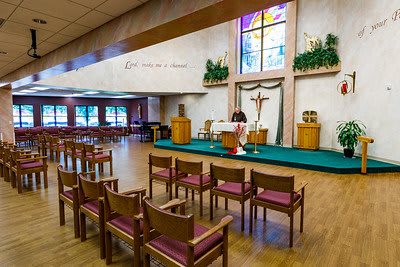
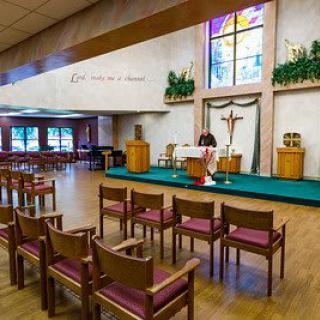
 Devotional services on-site
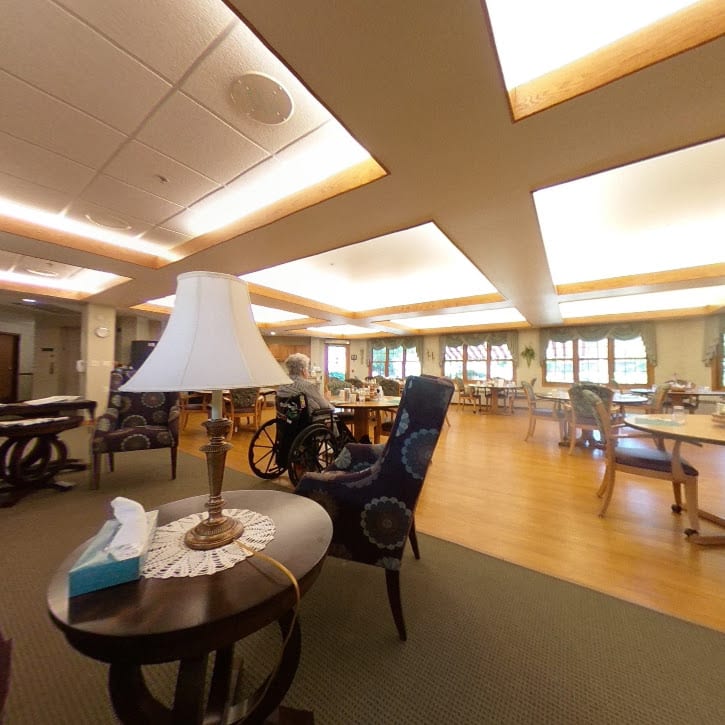
 Dining room
 Fitness room
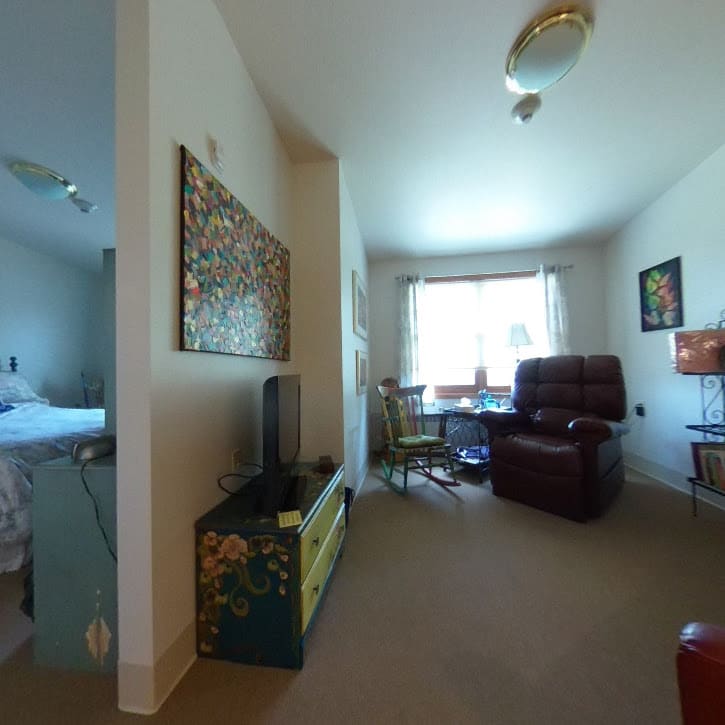
 Fully furnished
 Gaming room
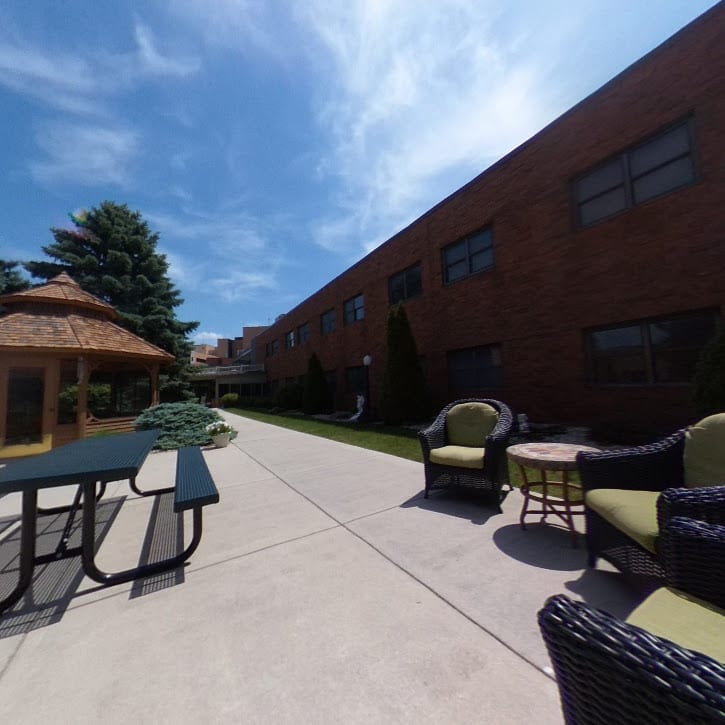
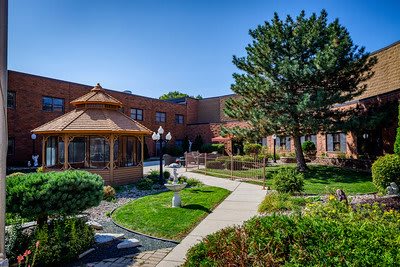
 Garden
 Ground floor units
 Housekeeping services
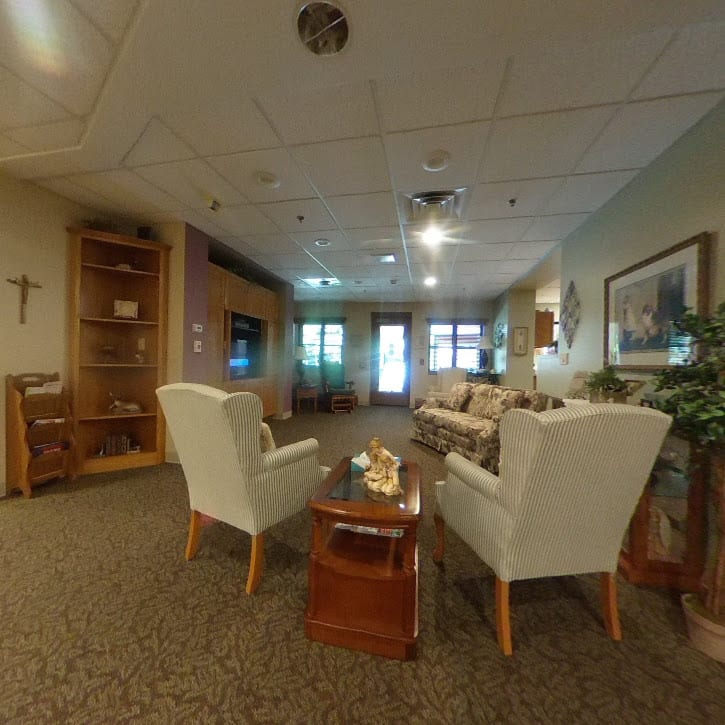
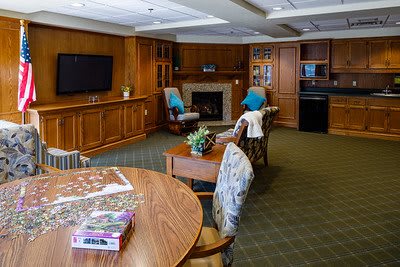
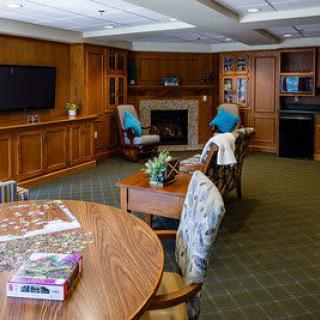
 Indoor common areas
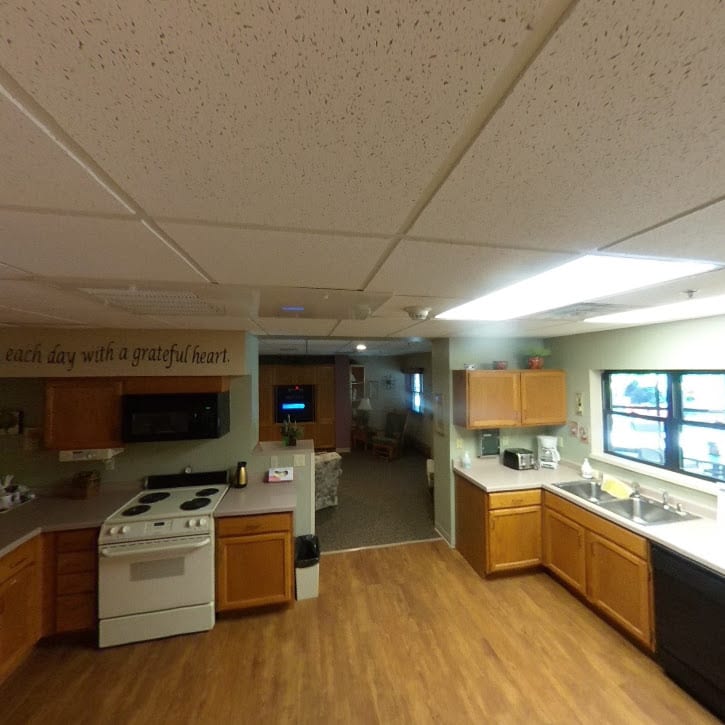
 Kitchenette
 Move-in coordination
 Outdoor common areas
 Private bathrooms
 Restaurant-style dining
 Small library
 Telephone
 Wellness center
 Wi-Fi/high-speed internet available
 Community operated transportation
 12-16 hour nursing
 24-hour call system
 Ambulatory care
 Assistance with bathing
 Assistance with dressing
 Assistance with transfers
 Diabetes diet
 Diabetic care
 Medication management
 Mental wellness program
 Special dietary restrictions
 Concierge services
 Planned day trips



 Securing Financial Support for Assisted Living: A Comprehensive Overview
 Social Security Benefits and Assisted Living: Navigating Options Across the U.S.
 An Extensive Exploration of the VA Aid and Attendance Benefit