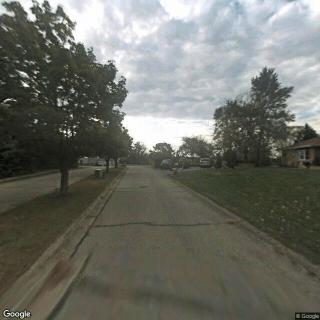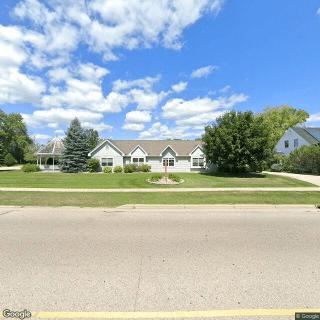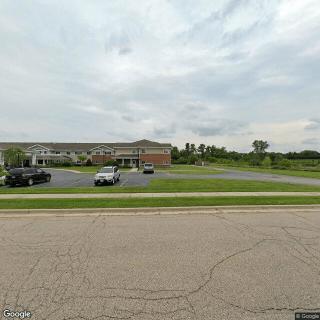

Lakeland Health Care Center in Elkhorn, WI

Save

  • Interior

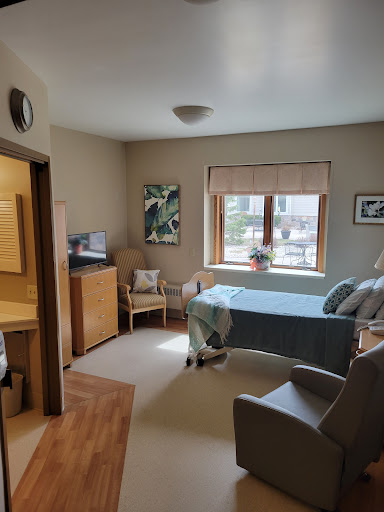
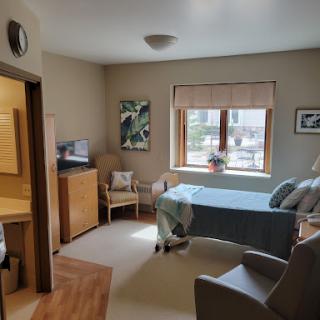
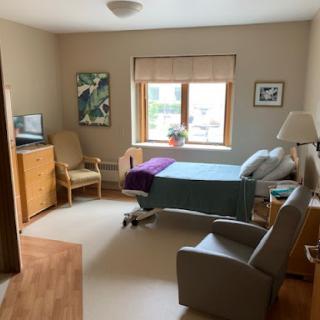
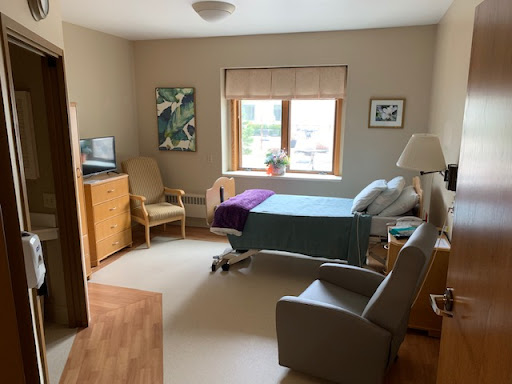
    A well-lit and inviting hospital patient room, featuring a bed, seating area, and natural light from the window.
  • Decor

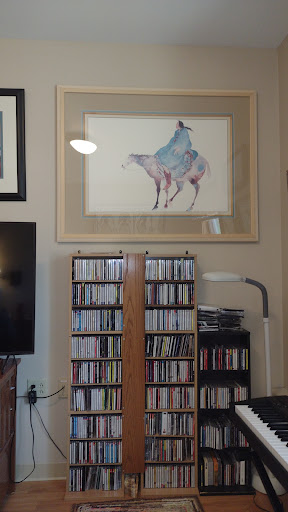
    A cozy living room featuring a mounted painting and a CD rack filled with media.
  • Building

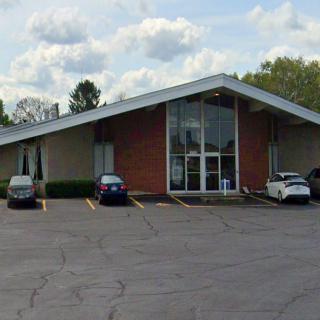
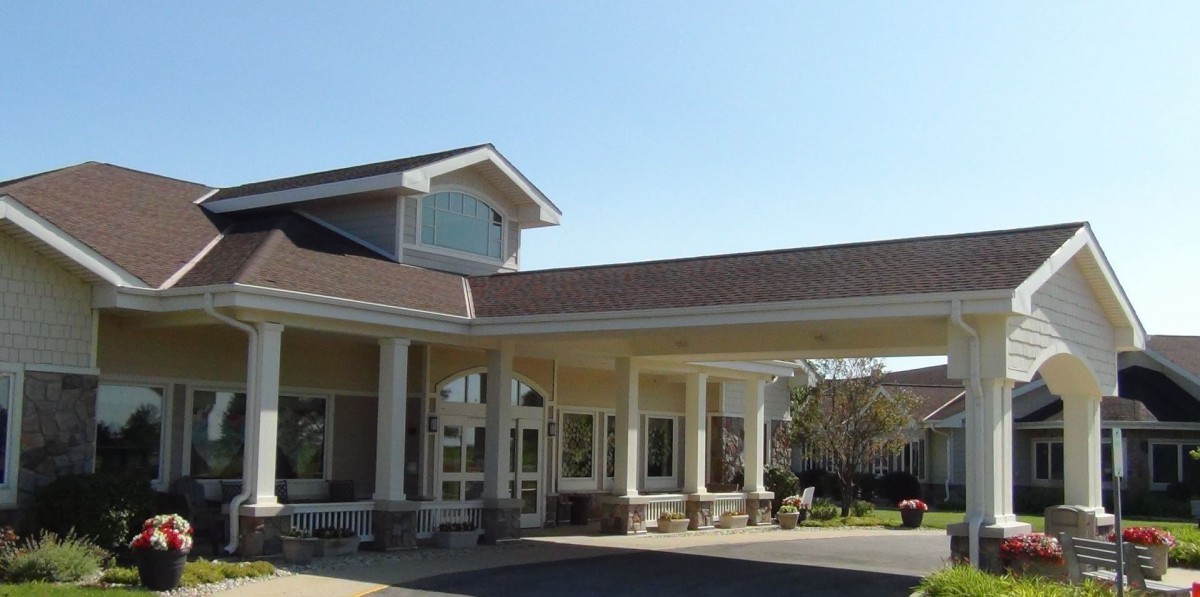
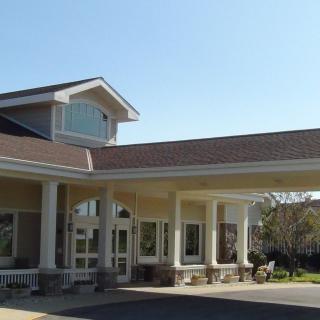
    A building entrance with a covered canopy and large windows during the day.
  • Architecture

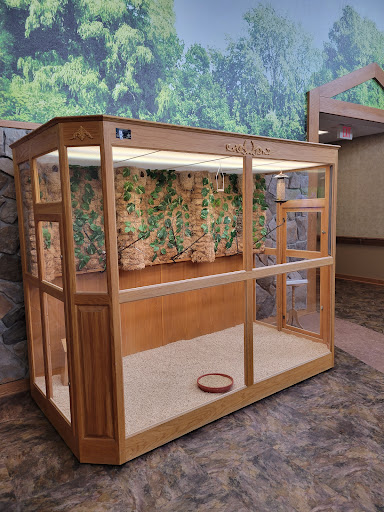
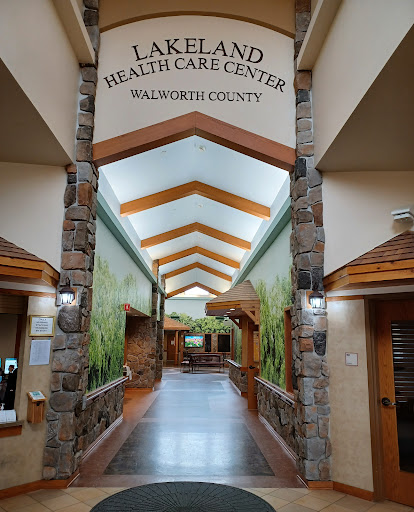
    A welcoming corridor inside the Lakeland Health Care Center, showcasing a blend of modern design and natural elements.
  • Bedroom

    A well-lit hospital room designed for patient comfort, featuring a hospital bed, seating area, and window.
  • Windows

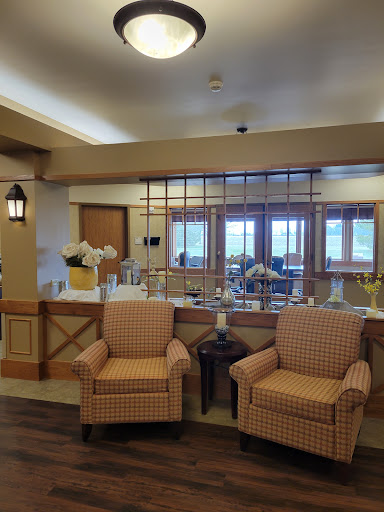
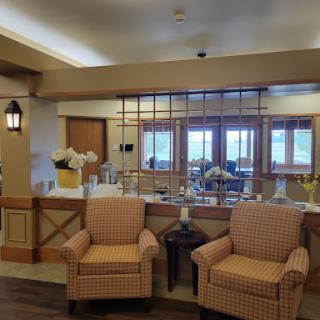
    A cozy lounge area featuring patterned chairs and a bright window view.
  • Landscaping

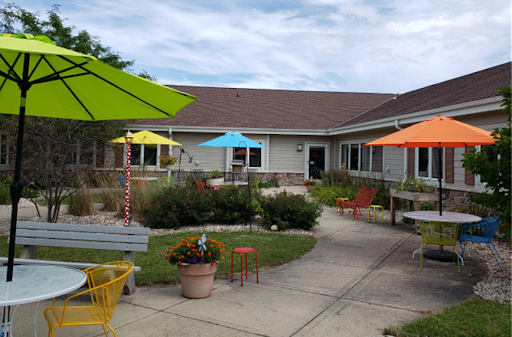
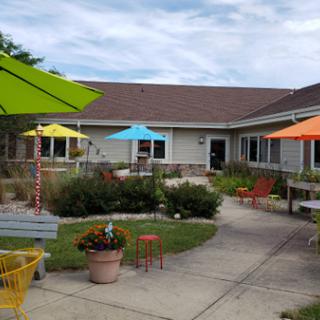
    A vibrant outdoor space featuring colorful umbrellas and a beautifully landscaped garden, inviting relaxation.
  • Piano

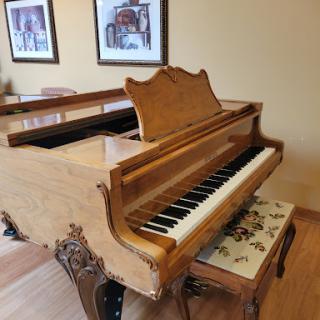
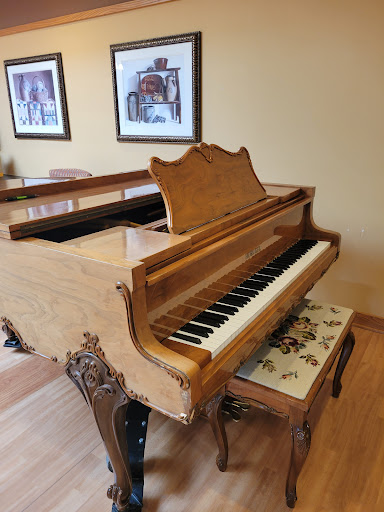
    A beautifully crafted wooden grand piano, elegantly placed in a cozy room.
  • Office

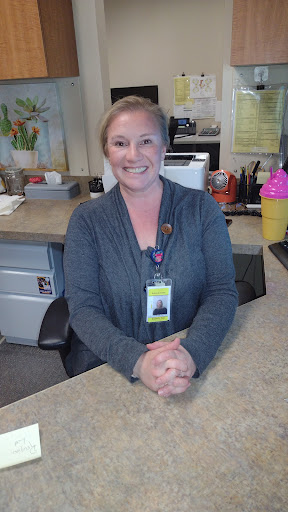
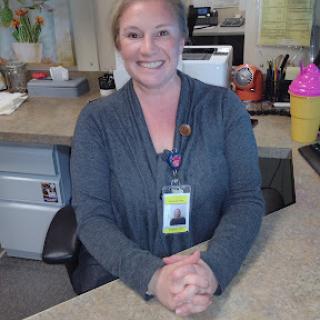
    A cheerful receptionist welcoming visitors at her desk.
  • Flag

    A view of a building surrounded by snow, featuring cars in the parking lot and an American flag waving in the background.

Lakeland Health Care Center in Elkhorn, WI

1922 Cty Road Nn, Elkhorn, WI 53121

For more information about senior living options: (844) 490-3973

4.7 from 24 reviews
5 stars
20
4 stars
3
3 stars
0
2 stars
0
1 stars
1

Overall Review of Lakeland Health Care Center

Pros

  • pro The staff at Lakeland Health Care Center are exceptional, consistently professional, courteous, and kind.
  • pro The facility is clean, bright, and well-maintained, with a wide range of activities for residents.
  • pro The memory care and rehab teams show genuine compassion and care deeply about residents.
  • pro Transitions between units are seamless, and staff treat residents like family.
  • pro The rehab and therapy staff help residents regain strength and confidence quickly.
  • pro Lakeland goes above and beyond in both small gestures and big efforts.
  • pro Families feel their loved ones are safe, supported, and cared for as if they were their own family.
  • pro Admissions coordinators and social workers provide compassionate, efficient service and keep families updated.
  • pro The care and facilities turn difficult situations into more pleasant experiences.
  • pro The meals are varied and of good quality, and the rooms are kept fresh and well-maintained.
  • pro The center is described as life-saving and a reliable choice for rehab and recovery.
  • pro Staff across roles—from nurses and CNAs to cleaning crews—are knowledgeable, attentive, and caring.

Cons

  • pro They felt hoodwinked by the facility.
  • pro They observed very little rehab progress for their family member.
  • pro They alleged the staff lied about things and pressed to discharge him after extracting money.
  • pro They noted that while some CNAs and LPNs were decent, the rehab overall left the patient worse off.
  • pro They criticized the staff as being “big on mouth but short on ear” — focused on talking but not listening.
  • pro They felt no one acknowledged them during pickup, except for a CNA.
  • pro They gave zero credit to the rehab for the patient’s recovery.
  • pro They described the food as pitiful and nasty, worse than slop fed to hogs.

Review

Lakeland Health Care Center in Elkhorn is best suited for families seeking a high‑touch rehab and memory‑care environment where staff relationships feel personal and genuinely caring. It works especially well for older adults who need short‑ to mid‑term rehabilitation after surgery, falls, or injury, and for those entering memory care who benefit from a team approach that emphasizes warmth, attentiveness, and steady daily routines. The center’s strength lies in hands‑on nursing and therapy teams, a welcoming admissions process, and a setting that feels bright, clean, and lived‑in rather than clinical. When hospital discharge is anticipated, Lakeland presents itself as a dependable bridge, sensitive to timing, coordinated with family in mind, and capable of pivoting from rehab to memory support without a jolt. This blend of rehab‑focused care and memory support defines Lakeland’s core value proposition.

Still, families should not overlook the need for a candid assessment of goals and transparency. Alternatives may be worth considering for those who want a more clinical, metrics‑driven rehab program with tightly standardized progress reporting, or for residents whose care leans heavily toward long‑term nursing with a stronger emphasis on clinical oversight. Some households may prefer a more independent‑living forward vibe or a setting with a different dietary philosophy. The clearest caveat surfaced in at least one account: questions about rehab effectiveness and communication. Prospective residents should insist on concrete rehab plans, weekly progress notes, and a clear line of accountability, so expectations align with reality and guardians feel informed rather than left in the dark.

On balance, the daily operations at Lakeland shine because the care teams feel like an extended family. Time and again, reviewers highlight staff who are not only skilled but genuinely compassionate, willing to hold a hand, share a laugh, or offer a comforting gesture that goes beyond routine care. The memory‑care wing earns special praise for staff who treat residents with dignity and warmth, translating into stability and trust for families. The admissions experience is frequently smooth, aided by Mary, the Admissions Coordinator, whose responsiveness and empathy set a tone for the stay. The social work team, notably Andrea, is cited for keeping families informed and for connecting them with appropriate next steps in care. These touchpoints, communication, compassion, and competence, form Lakeland’s emotional backbone.

Therapeutic outcomes and the overall environment also stand out. The rehab department is repeatedly described as motivated and capable, with therapists who push for real improvements and independence. Residents benefit from a broad program that includes physical therapy, occupational therapy, and functional activities designed to restore strength and confidence. The facility itself is praised for cleanliness, bright spaces, and accessible outdoor areas that invite movement and a sense of normalcy. Dining is not an afterthought either; reviewers speak to a menu with variety and meals served promptly, a practical detail that matters for appetite and satisfaction. Beyond medical care, Lakeland offers engaging activities and a culture of attentiveness that makes residents feel seen and valued. When families visit, they notice a calm, organized routine and staff who seem to remember individual preferences.

Still, one review raises a critical flag about rehab quality and honesty. The concern centers on a period of care for a family member who did not progress as expected, with claims of poor communication and a perception of unreliability around progress updates. That account matters because it touches on trust and the clarity of the care plan, elements essential to families navigating rehab choices. It is not the prevailing message, but it cannot be dismissed. The prudent path is to demand clear rehabilitation goals, objective progress metrics, and transparent conversations about what is achievable within timeframes, including contingency plans if progress plateaus. If such transparency is secured, Lakeland’s strengths remain compelling and meaningful for the right resident.

In the end, Lakeland Health Care Center functions best for families seeking a compassionate, well‑coordinated rehab and memory‑care environment with a track record of clean facilities, responsive admissions, and devoted daily caregiving. The strongest offsets to hesitations are the staff, RNs, CNAs, therapists, and social workers, whose consistent warmth and competence permeate both clinical outcomes and resident satisfaction. For those who prize a seamless hospital‑to‑home transition and value a living setting that treats residents like family, Lakeland is a practical, solid choice. Those who require ironclad guarantees about every therapy session or who are wary of potential gaps in transparency should probe further and compare alternatives. Schedule a thorough tour, request a detailed rehab plan, meet the therapy leads, and observe resident–staff interactions firsthand to confirm that the balance between care quality and a family‑oriented culture truly aligns with the resident’s goals.

Features

Housing

  • 120 resident community capacity 120 resident community capacity

Types of Care

  • Assisted Living Assisted LivingAssisted living facilities provide crucial support and care for seniors who may need help with daily tasks such as medication management, bathing, and meal preparation. These communities offer a safe and comfortable environment where seniors can maintain their independence while receiving the assistance they need to thrive in their golden years.

Amenities

  • Air-conditioning Air-conditioningAir conditioning is important for seniors as they are more vulnerable to heat-related illnesses and may have underlying health conditions that make it difficult for them to regulate their body temperature. It helps to keep them comfortable, safe, and healthy in hot weather.
  • Beauty salon Beauty salonBeauty salons are important for seniors because they provide a space for them to feel pampered, socialize, and maintain their personal grooming and hygiene. Regular visits to a beauty salon can help boost seniors' self-esteem and overall well-being.
  • Cable or satellite TV Cable or satellite TVCable or satellite TV is important for seniors because it provides entertainment, news, and companionship, helping to combat loneliness and boredom. It also offers a wide range of programming options tailored to different interests and preferences.
  • Computer center Computer centerA computer center is essential for seniors as it provides access to technology, communication tools, and resources that can enhance their daily lives. It allows them to stay connected with loved ones, engage in online activities, and learn new skills, ultimately promoting socialization and mental stimulation.
  • Dining room Dining roomDining rooms are important for seniors as they provide a space for socialization, connection, and nutritious meals. They offer opportunities for residents to bond over shared meals, foster a sense of community, and promote healthy eating habits. Dining rooms also ensure that seniors have access to well-balanced meals tailored to their dietary needs and preferences.
  • Fitness room Fitness roomHaving a fitness room in a senior living community is essential for seniors to stay active, maintain their physical health, and improve their overall well-being. Regular exercise can help prevent falls, reduce the risk of chronic diseases, and promote mental sharpness. It also provides social opportunities for residents to connect with others and enjoy a sense of community.
  • Fully furnished Fully furnishedFully furnished senior living communities are important for seniors because they provide convenience, comfort, and a hassle-free moving experience. Seniors can easily settle into their new living space without the stress of having to buy and move furniture. This allows them to focus on enjoying their new home and community.
  • Gaming room Gaming roomGaming rooms are important for seniors as they provide a fun and engaging environment for socializing, cognitive stimulation, and physical activity. Games can improve memory, problem-solving skills, and overall mental well-being while fostering friendships and reducing feelings of isolation.
  • Garden GardenGardens are important for seniors as they provide a peaceful and therapeutic environment for relaxation, physical activity, and socialization. Being in nature has been shown to reduce stress, improve mood, and promote overall well-being. Gardens also offer opportunities for seniors to engage in gardening activities, which can improve mobility, flexibility, and cognitive function. Additionally, gardens create a sense of community and connection with others who share a passion for plants and outdoor spaces.
  • Housekeeping services Housekeeping servicesHousekeeping services are important for seniors because they help maintain a clean and safe living environment, promote independence, and reduce the risk of accidents or illnesses. Additionally, having assistance with household chores can alleviate physical strain and allow seniors to focus on other aspects of their well-being.
  • Kitchenette KitchenetteKitchenettes are important for seniors living in senior living communities because they provide the convenience and independence of being able to prepare simple meals and snacks in the comfort of their own living space. This can help promote a sense of autonomy and well-being for seniors, allowing them to maintain some level of control over their dietary choices and daily routines.
  • Move-in coordination Move-in coordinationMove-in coordination is important for seniors because it helps ease the transition into their new living environment. It ensures that all logistics, such as packing, organizing movers, and setting up utilities are taken care of, allowing seniors to focus on settling in and adjusting to their new home. Having a smooth move-in process can alleviate stress and anxiety, making the transition smoother and more enjoyable for seniors.
  • Outdoor space Outdoor spaceOutdoor spaces are important for seniors as they provide opportunities for physical activity, social interaction, exposure to natural light and fresh air, and a sense of connection to nature. Having access to outdoor spaces can improve overall well-being and quality of life for older adults living in senior communities.
  • Private bathrooms Private bathroomsPrivate bathrooms are important for seniors in senior living communities because they provide independence, dignity, and comfort. Having a private bathroom allows seniors to maintain their personal hygiene routines without the need for assistance, promoting a sense of autonomy and privacy. Additionally, private bathrooms help prevent the spread of infections and provide a safe and clean environment for seniors to navigate safely.
  • Restaurant-style dining Restaurant-style diningRestaurant-style dining is important for seniors because it allows them to enjoy delicious, nutritious meals in a social and upscale setting. This enhances their dining experience, promotes healthy eating habits, and fosters socialization with fellow residents, ultimately contributing to their overall well-being and quality of life.
  • Small library Small librarySmall libraries are important for seniors as they provide access to a variety of reading materials, including books, newspapers, and magazines. This can help stimulate their minds, keep them engaged, and provide a sense of community through book clubs and other social activities. Additionally, reading has been shown to improve cognitive function and overall mental well-being in older adults.
  • Telephone TelephoneTelephones are important for seniors as they provide a lifeline for communication with loved ones, emergency services, and healthcare providers. They offer a sense of security and independence, enabling seniors to stay connected and access assistance when needed.
  • Wellness center Wellness centerWellness centers are important for seniors because they offer a variety of programs and services that promote physical, mental, and emotional well-being. These centers provide opportunities for exercise, socialization, education, and relaxation, helping seniors maintain their overall health and quality of life.
  • Wi-Fi/high-speed internet available Wi-Fi/high-speed internet availableWi-Fi/high-speed internet is important for seniors to stay connected with loved ones, access online resources, and participate in virtual activities to combat feelings of loneliness and isolation. It also allows them to easily manage healthcare needs, access entertainment, and engage in lifelong learning opportunities.

Transportation

  • Community operated transportation Community operated transportationCommunity operated transportation is crucial for seniors as it provides them with the means to access essential services, social activities, and medical appointments. It allows seniors to maintain their independence and quality of life by ensuring they can participate in activities outside of their homes. Additionally, community-operated transportation services offer a safe and reliable way for seniors to travel without having to rely on family or friends for assistance.
  • Transportation arrangement Transportation arrangementTransportation arrangements are crucial for seniors as they may face challenges with driving, mobility, or access to public transportation. Having reliable transportation services ensures that seniors can easily attend appointments, social activities, and maintain their independence and quality of life.
  • Transportation arrangement (non-medical) Transportation arrangement (non-medical)Transportation arrangements are essential for seniors as they provide access to essential services, activities, and social interactions outside the home. This service helps maintain independence, mobility, and overall well-being for seniors who may have limited transportation options.
  • Transportation to doctors appointments Transportation to doctors appointmentsTransportation to doctors appointments is crucial for seniors as it ensures they have access to necessary medical care and support, promoting their health and well-being. It allows them to receive timely treatment, monitor existing conditions, and address any new health concerns efficiently. Additionally, transportation services can help seniors maintain their independence and quality of life by enabling them to stay connected with their healthcare providers.

Care Services

  • 12-16 hour nursing 12-16 hour nursing12-16 hour nursing care is crucial for seniors in order to ensure around-the-clock monitoring, timely medication administration, and prompt response to any health concerns or emergencies. This level of care helps to promote the overall well-being and safety of seniors living in senior living communities.
  • 24-hour call system 24-hour call system24-hour call systems are important for seniors because they provide peace of mind and immediate assistance in case of emergencies. This technology ensures that help is always available, promoting safety and security for elderly individuals living alone or in assisted living facilities.
  • 24-hour supervision 24-hour supervision24-hour supervision is important for seniors to ensure their safety, well-being, and access to immediate assistance in case of emergencies or health issues. This constant support provides peace of mind for both seniors and their loved ones, allowing them to age in place with dignity and security.
  • Activities of daily living assistance Activities of daily living assistanceActivities of daily living assistance are important for seniors because they provide essential support with tasks such as eating, bathing, dressing, and mobility. This assistance helps seniors maintain their independence, dignity, and overall quality of life as they age.
  • Assistance with bathing Assistance with bathingAssistance with bathing is crucial for seniors as it helps maintain personal hygiene, prevents infections, and ensures their overall well-being and comfort. It also provides a sense of dignity and independence for seniors who may struggle with this task on their own.
  • Assistance with dressing Assistance with dressingAssistance with dressing is important for seniors because it helps maintain their independence, promotes personal hygiene, prevents accidents and injuries, and improves overall quality of life. This service ensures that seniors can continue to dress comfortably and confidently, despite any physical limitations they may have.
  • Assistance with transfers Assistance with transfersAssistance with transfers is crucial for seniors as it helps prevent falls and injuries, maintains their independence, and ensures they can safely navigate their living environment. It also provides peace of mind for both seniors and their loved ones.
  • Diabetes diet Diabetes dietA diabetes diet is crucial for seniors as it helps manage blood sugar levels, reduce risks of complications, and improve overall health and well-being. By following a balanced and nutritious diet tailored to their specific needs, seniors can better control their diabetes and enhance their quality of life.
  • Meal preparation and service Meal preparation and serviceMeal preparation and service are crucial for seniors as they may have limited mobility or energy to cook nutritious meals. Having access to healthy and convenient food options can ensure they are getting the proper nutrition needed to maintain their overall health and well-being.
  • Medication management Medication managementMedication management is crucial for seniors to ensure they are taking the right medications at the correct dosages and times. This helps prevent adverse drug interactions, reduces the risk of medication errors, and promotes overall health and well-being. Proactive management also allows for adjustments as needed based on changing health conditions or new prescriptions.
  • Mental wellness program Mental wellness programMental wellness programs are essential for seniors as they promote cognitive stimulation, emotional support, and social engagement. These programs help prevent isolation, depression, and cognitive decline, ultimately enhancing the overall quality of life for older adults.
  • Special dietary restrictions Special dietary restrictionsSpecial dietary restrictions are important for seniors because age-related changes in metabolism and health conditions can make it difficult for their bodies to process certain foods. By following a diet tailored to their specific needs, seniors can maintain their overall health and well-being, manage chronic conditions, and reduce the risk of complications such as malnutrition or food interactions with medications.

Dining

  • Diabetes diet Diabetes dietA diabetes diet is crucial for seniors as it helps manage blood sugar levels, reduce risks of complications, and improve overall health and well-being. By following a balanced and nutritious diet tailored to their specific needs, seniors can better control their diabetes and enhance their quality of life.
  • Special dietary restrictions Special dietary restrictionsSpecial dietary restrictions are important for seniors because age-related changes in metabolism and health conditions can make it difficult for their bodies to process certain foods. By following a diet tailored to their specific needs, seniors can maintain their overall health and well-being, manage chronic conditions, and reduce the risk of complications such as malnutrition or food interactions with medications.

Activities

  • Community-sponsored activities Community-sponsored activitiesCommunity-sponsored activities are important for seniors as they provide opportunities for social interaction, mental stimulation, and physical activity. These activities can help improve overall well-being, combat loneliness and isolation, and promote a sense of belonging and purpose among older adults.
  • Concierge services Concierge servicesConcierge services are essential for seniors as they provide assistance with daily tasks and errands, enhance their quality of life by offering convenience and personalized care, and promote a sense of safety and security.
  • Fitness programs Fitness programsFitness programs are crucial for seniors as they help improve strength, flexibility, balance, and overall well-being. Staying active can reduce the risk of chronic diseases, improve mental health, and enhance quality of life in older adults.
  • Planned day trips Planned day tripsPlanned day trips are important for seniors because they offer opportunities for socialization, mental stimulation, and physical activity. They provide a change of scenery and help seniors stay engaged and connected to their community, promoting overall well-being and quality of life.
  • Resident-run activities Resident-run activitiesResident-run activities are important for seniors as they encourage social interaction, creativity, and a sense of autonomy. These activities empower seniors to stay engaged and active in their community while fostering meaningful connections with their peers.
  • Scheduled daily activities Scheduled daily activitiesScheduled daily activities are important for seniors because they provide structure, socialization, mental stimulation, and physical activity. Engaging in regular activities can improve overall well-being and quality of life for seniors living in a community setting.

Description

Lakeland Health Care Center in Elkhorn, WI, is a vibrant assisted living community that offers a range of amenities and care services to ensure the comfort and well-being of its residents. The center provides a variety of amenities such as a beauty salon for pampering, cable or satellite TV for entertainment, and a computer center for staying connected with loved ones. Residents can enjoy delicious meals in the dining room with restaurant-style service, or they can choose to prepare their own meals in the fully furnished kitchenette.

The community also offers various spaces for relaxation and recreation. Residents can spend time in the gaming room or small library, take a stroll through the beautiful garden, or use the outdoor space for socializing and enjoying fresh air. A fitness room and wellness center are available to promote physical health.

Lakeland Health Care Center also provides care services to meet the needs of its residents. With 24-hour call system and supervision, residents have peace of mind knowing help is always available. The staff assists with activities of daily living such as bathing and dressing, as well as transfers. They also provide medication management and offer special dietary options tailored to individual needs.

Residents will never get bored at Lakeland Health Care Center thanks to the wide range of activities available. From fitness programs to planned day trips, there is always something exciting happening within the community. Resident-run activities allow individuals to have an active role in shaping their own social calendar.

Situated in Elkhorn, WI, this assisted living community is conveniently located near various essential establishments. There are pharmacies nearby for convenient access to medication, while physicians are easily accessible for medical consultations. Restaurants are within close proximity for those who wish to dine out occasionally. Additionally, cafes and parks are just a short distance away for leisurely outings.

Overall, Lakeland Health Care Center provides a welcoming environment where residents can receive personalized care while enjoying amenities that enhance their quality of life.

Nearby Places of Interest

This part of Elkhorn, Wisconsin, offers a variety of healthcare options with Aurora Lakeland Medical Center and Mercy Health System facilities in close proximity. There are also several pharmacies nearby for convenience. In terms of dining, there are a range of options including fast food chains like Burger King and McDonald's, as well as local favorites like Annie's Burger Town and K C's Clubhouse. For outdoor recreation, parks such as Elkhorn Sunset Park and Flat Iron Park provide opportunities for leisurely walks or picnics. Additionally, there are cafes like Stillwater Coffee Company and Avant Bicycle & Cafe for socializing with friends or enjoying a cup of coffee. Residents can also catch a movie at Emagine Geneva Lakes theater or attend services at nearby places of worship such as St Francis De Sales Church or St Andrew Parish.

Hospitals

  • Aurora Lakeland Medical Center (0.3 miles)
  • Mercy Walworth Hospital and Medical Center (5.2 miles)
  • Mercy Heart and Vascular System (5.2 miles)
  • Mercy Birthing Center (5.2 miles)
  • Mercy Plastic Surgery Center (5.2 miles)
  • Carriage Healthcare Companies (6.2 miles)
  • Dunphy Erin OD Mercy Health System (7.5 miles)

Pharmacies

  • Aurora Pharmacy (0.3 miles)
  • Pharmacy Station (2.7 miles)
  • Aurora Pharmacy (2.7 miles)
  • Walgreens (3.2 miles)
  • McCullough's Prescriptions & Gifts (5.7 miles)
  • CVS Pharmacy (5.9 miles)
  • Walgreens (6.2 miles)

Restaurants

  • Walworth County Fair Grounds (2.3 miles)
  • Burger King (2.5 miles)
  • Annie's Burger Town (2.9 miles)
  • McDonald's (3.3 miles)
  • Culver's (3.3 miles)
  • Cousins Subs (3.3 miles)
  • K C's Clubhouse (3.7 miles)

Physicians

  • Aurora Health Center (2.7 miles)
  • Eye Physicians Surgeons SC (2.7 miles)
  • Aurora Health Center (2.9 miles)
  • Kort, Chad, Md - Aurora Health Care (2.9 miles)
  • Bradley M Fideler, MD (3.1 miles)
  • Compton Marguerite MD Dermatology (5.2 miles)
  • Balagani Rajesh DO - Rajesh Balagani, DO (5.2 miles)

Parks

  • Elkhorn Sunset Park (3.3 miles)
  • Flat Iron Park (5.9 miles)
  • Kishwauketoe Nature Conservancy (6.2 miles)
  • Edgewater Park (6.4 miles)

Cafes

  • Stillwater Coffee Company (4.1 miles)
  • Avant Bicycle & Cafe (5.7 miles)
  • Starbucks (5.8 miles)
  • Starbucks (6.3 miles)
  • Daddy Maxwell's Diner & Cafe (6.3 miles)
  • Steamers Coffee (6.5 miles)
  • Panera Bread (6.6 miles)

Theaters

  • Emagine Geneva Lakes (5.2 miles)

Places of Worship

  • St Francis De Sales Church (6 miles)
  • Norman B Barr camp (6.6 miles)
  • St Andrew Parish (7.8 miles)

Frequently Asked Questions

Where is Lakeland Health Care Center?
What photos are available for Lakeland Health Care Center in Elkhorn, Wisconsin?

Nearby Communities

  • Sunnyside Home

    Sunnyside Home

    Elkhorn, WI

     
    $1,800 to $2,400 / month

    pro Small, personalized care with memory care and mental wellness support.

  • VIP Services

    VIP Services

    Elkhorn, WI

    3.6 from 46 reviews
     

    pro Comprehensive VIP services (meals, housekeeping, transportation, 24-hour supervision, healthcare coordination) in a fully furnished setting.

  • KindredHearts of Elkhorn

    KindredHearts of Elkhorn

    Elkhorn, WI

    4.3 from 20 reviews
    $3,002 / month

    pro Caring, attentive staff in a clean, homey community with engaging activities.

  • Heart To Heart AFH Prescott

    Heart To Heart AFH Prescott

    Elkhorn, WI


    pro Small, home-like setting with comprehensive care, diabetes-friendly meals, transportation to appointments, and regular social activities.

  • CLA Prescott

    CLA Prescott

    Elkhorn, WI

    5 from 19 reviews
     

    pro Specialized memory care with around-the-clock staff in a secure, serene setting.

  • Kimberly Lane Cbrf

    Kimberly Lane Cbrf

    Elkhorn, WI

    4 from 2 reviews
     

    pro Fully furnished with comprehensive care and convenient amenities (ADL support, medication management, transportation, meals, activities).

  • Ridgestone Terrace RCAC & The Gardens at RidgeStone Memory  CBRF

    Ridgestone Terrace RCAC & The Gardens at RidgeStone Memory CBRF

    Elkhorn, WI

    4.8 from 4 reviews
    $3,350 to $4,000 / month

    pro Caring, experienced staff with dementia expertise; clean, comfortable facilities and engaging activities.

  • Inspiration Ministries

    Inspiration Ministries

    Walworth, WI

    4.4 from 53 reviews
    $850 to $2,119 / month

    pro Hospitable staff in a peaceful, nature-filled setting with a welcoming, supportive atmosphere.

  • Vintage On the Ponds

    Vintage On the Ponds

    Delavan, WI

    3.3 from 15 reviews
    $3,050 to $3,375 / month

    pro Friendly, caring staff in a warm, home-like setting with engaging activities and good meals.

Related Resources

  • does medicare pay for assisted livingMedicare Coverage for Assisted Living: An In-Depth Exploration

    Medicare does not cover assisted living costs, as it focuses on acute medical needs and short-term care, with exceptions for certain medically necessary services like physical therapy. Individuals must explore other options such as Medicaid, veterans' benefits, or long-term care insurance to manage these expenses effectively.

  • assisted living vs nursing homeChoosing the Right Senior Care: A Detailed Exploration of Assisted Living and Nursing Homes

    Choosing between assisted living and nursing homes involves evaluating emotional and financial factors, with assisted living offering independence and support for daily activities at a lower cost, while nursing homes provide intensive medical care for individuals with significant health needs. The decision is influenced by personal preferences, health status, cognitive function, and varying Medicaid coverage across states.

  • assisted living costUnderstanding the True Cost of Assisted Living in 2025: A Comprehensive Guide
    Assisted living in 2025 offers a crucial balance of independence and support for seniors, with costs varying from $2,500 to over $7,000 per month based on factors such as location and care level. Understanding pricing complexities, including regional differences and potential hidden fees, is essential for families to plan financially while ensuring quality care for their loved ones.