
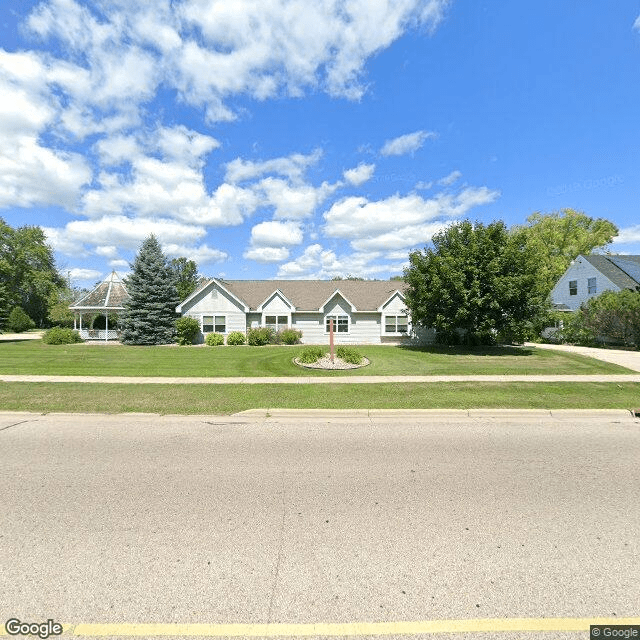
450 E Geneva St, Elkhorn, WI 53121
To contact a resident: (262) 723-8400
For more information about senior living options: (866) 208-4318
KindredHearts of Elkhorn Costs & Pricing
At KindredHearts of Elkhorn, the monthly cost for a studio room is set at $3,002, positioning it competitively within the local market. This cost is notably lower than the average for Walworth County, which stands at $3,713, and significantly below the statewide average of $3,999 in Wisconsin. By offering more affordable rates while maintaining a high standard of care and comfort, KindredHearts provides an appealing option for individuals seeking assisted living solutions that prioritize both quality and value in their residence.
| Floor plans | KindredHearts of Elkhorn | Walworth County | Wisconsin |
|---|---|---|---|
| Studio | $3,002 | $3,713 | $3,999 |
Skilled Nursing Facilities with a similar price nearby
-
from -$207 / mo
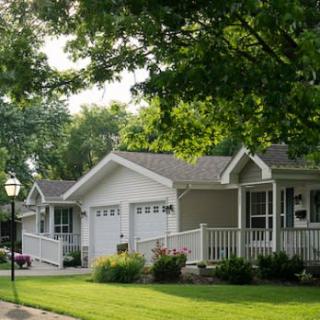
Hearthstone Communities
$2,795 to $4,868 / month24.4 miles away -
from -$252 / mo
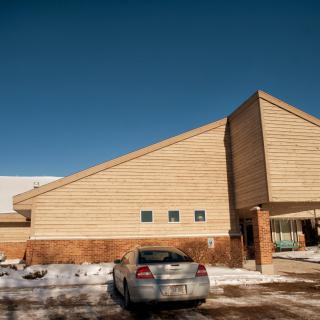
Wellington Meadows
$2,750 to $3,750 / month23.5 miles away
Overall Review of KindredHearts of Elkhorn
Pros
 The caregivers are kind and do what they can.
- The staff are very accommodating and make families feel welcome.
- The facility is small, friendly, and clean.
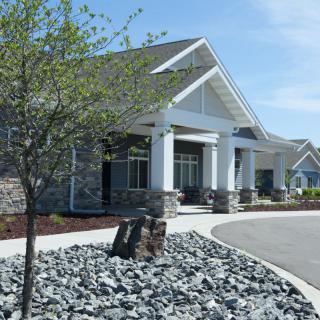
- The facility feels homey in decor and furnishings, and it doesn’t feel institutional.
- The staff are fabulous.
- The location is convenient and right off the highway.
- The value for the money is very good.
- The facility is very nice and comfortable for residents and visitors, and feels safe.
- The food is delicious and made fresh.
- Rooms are private, decent in size, and very roomy.
Cons
 The facility has a staff shortage.
- Meals have gone downhill since the transition from Kindred to Shepard Premier.
- Easter dinner was dry and unappealing.
- Showering and hair-salon services are inconsistent.
- Upper management is nonexistent.
- COVID restrictions severely limit visits.
- The rooms did not impress the reviewers.
- The facility is overpriced.
- The grandmother is not thrilled about leaving her home.
Review
KindredHearts of Elkhorn is best suited for families seeking a small, homey assisted-living option in Elkhorn where staff know residents by name, and care feels personal rather than institutional. It fits seniors who favor a quiet, intimate setting over a large campus, and it works well for private-pay families who want straightforward pricing without extended pre-pay requirements. The community shines for those who value warmth, a family-like atmosphere, clean spaces, and a predictable calendar of social activities such as bingo, movie days, and arts and crafts. Its convenient highway location makes it appealing for families juggling frequent visits and nearby relatives, with a sense of neighborhood familiarity rather than a clinical environment.
The strongest positives come from the people on the ground: staff who are described as friendly, accommodating, and genuinely caring, and a dining and common-area ambiance that feels welcoming. Residents and families repeatedly praise the private, roomy rooms and the homey decor that keeps the facility from feeling clinical. The ratio of effort to cost is favorable for many, with a clear emphasis on personal attention, accessible programming, and a perceived sense of safety in how residents are looked after. When care is delivered with warmth and attentiveness, it creates trust that the daily experience will be manageable and meaningful, even if some days are imperfect.
However, the experience is tempered by notable drawbacks that can tip the balance for some families. Persistent staff shortages can lead to uneven attention to daily routines, including inconsistent showering and lapses in personal-care tasks. There are credible concerns about upper-management visibility or responsiveness, which can leave caregivers bearing the burden of course-correcting without timely guidance. Meal quality has been described as fluctuating after transitions in branding, with at least one report of a lunch or dinner that missed expectations. While many residents enjoy the environment, others note that the physical rooms do not always live up to the warmth of the common spaces, which can undermine the overall impression of the community.
Those who should consider alternatives are families prioritizing unwavering staffing stability and proactive governance. If a higher level of medical oversight, more robust memory-care programming, or a consistently premium dining experience is essential, it pays to compare with larger campuses or facilities known for stronger administrative systems and resource availability. Prospective residents who require a consistently high-energy social calendar, a more polished room-by-room aesthetic, or guaranteed continuity of service during peak times may find the current model insufficient. In short, this is a strong match for those who value a snug, intimate setting and personal touches, but not the best fit for those who demand absolute consistency in operations and amenities.
For decision-making, a focused site visit is essential. Prospective families should tour during different times of day, speak candidly with front-line staff, and observe how caregiving is delivered in practice. Inquire about staff-to-resident ratios, turnover, and concrete steps taken to address any service gaps, from housekeeping to activities and personal care. Verify the current pricing structure, what is included in base rates, and whether there are fees for added services or levels of care. Ask for recent resident and family references to gauge the consistency of experiences over time. These steps illuminate whether the homey feel translates into dependable daily care.
Overall, KindredHearts of Elkhorn offers a compelling option for families who prize a warm, intimate atmosphere, private rooms, and an accessible location, paired with a reasonable price point and a robust social program. The strongest caveat is the potential for staffing and leadership gaps to affect reliability and consistency. For families who can tolerate occasional service fluctuations in exchange for a genuine, caring environment and a sense of being “at home,” this community can be a very good fit. Those with imperative needs for steady governance, highly consistent daily routines, or luxury-level dining and amenities should weigh alternatives with care before making a move.
 20 resident community capacity
 Assisted Living
 Board and Care Home
 Skilled Nursing Facility
 Activities off-site
 Beautician on-site
 Cable or satellite TV
 Devotional services off-site
 Dining room
 Fully furnished
 Garden
 Handicap accessible
 Housekeeping services
 Indoor common areas
 Kitchenette
 Laundry
 Move-in coordination
 Outdoor common areas
 Respite or short term stays offered
 Telephone
 Wheelchair accessible showers
 Wi-Fi/high-speed internet available
 24-hour call system
 Assistance with bathing
 Assistance with dressing
 Assistance with transfers
 Dementia waiver
 Diabetes diet
 Diabetic care
 Hospice waiver
 Incontinence care
 Meal preparation and service
 Medication management
 Mental wellness program
 Special dietary restrictions
 Transportation arrangement (medical)
 Transportation to doctors appointments
 Bible study group
 Cards / pinochle club
 Day trips and outings
 Forever fit
 Live musical performances
 Resident band or musicians
 Wii bowling
 English
 8 Key Indicators That Suggest It May Be Time to Transition from Assisted Living to Skilled Nursing Care
 Vibrant Senior Living: A Comprehensive Guide for Active Older Adults
 When to Transition from Assisted Living to Memory Care: Key Indicators, Steps, and Finding the Right Community