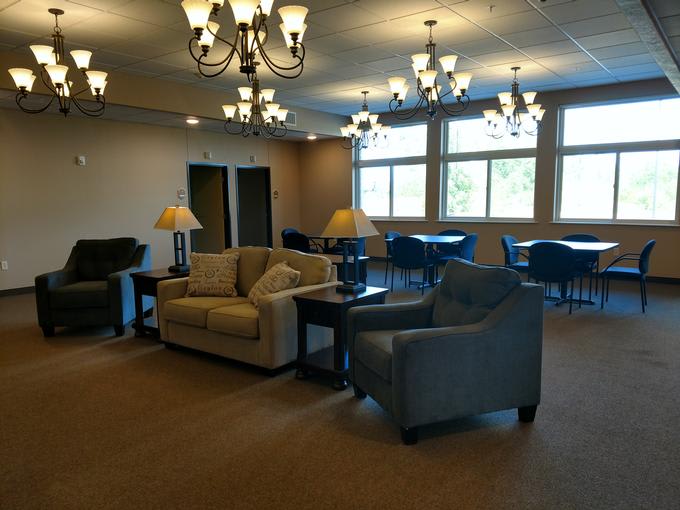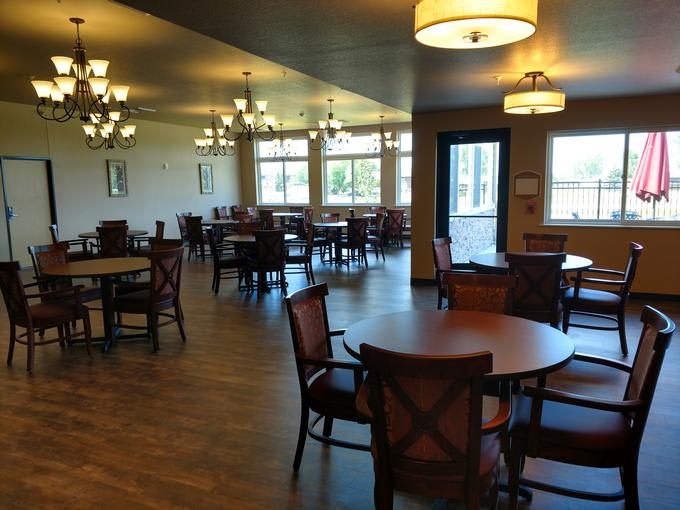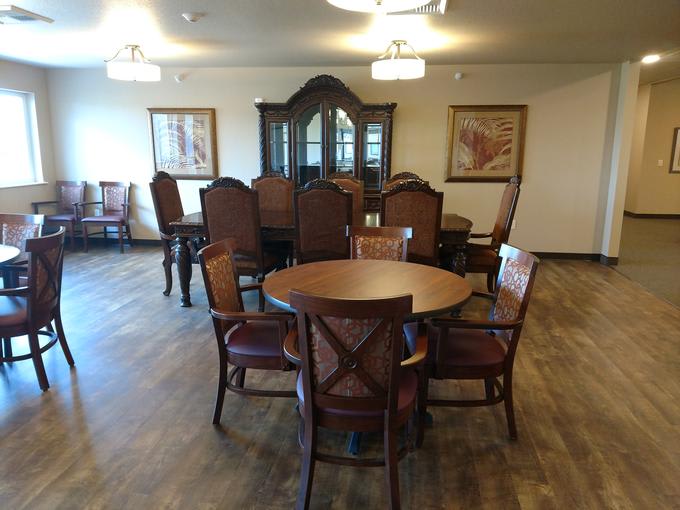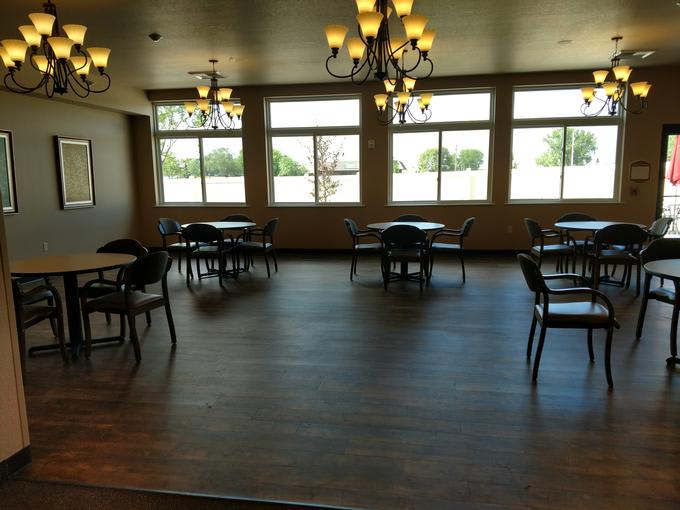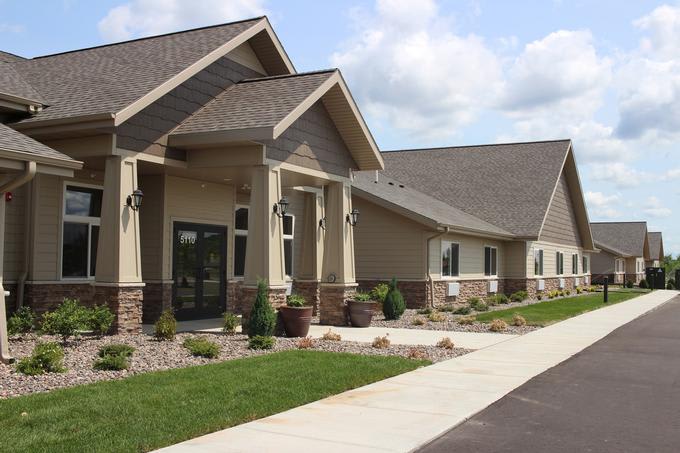

5110 Stonewood Drive, Eau Claire, WI 54703
For more information about senior living options: (866) 208-4318
Care Partners Eau Claire Costs & Pricing
Care Partners Eau Claire offers a competitive pricing structure for its studio accommodations, with a monthly cost of $4,700. This rate is higher than both the average costs in Eau Claire County, which stand at $4,023, and the broader state average of $3,999 for similar care options. While Care Partners Eau Claire may be positioned above local and state averages, it's essential to consider the quality of care provided and the comprehensive services included in their offerings that contribute to the overall value for residents.
| Floor plans | Care Partners Eau Claire | Eau Claire County | Wisconsin |
|---|---|---|---|
| Studio | $4,700 | $4,023 | $3,999 |
Memory care communities with a similar price nearby
-
from -$305 / mo
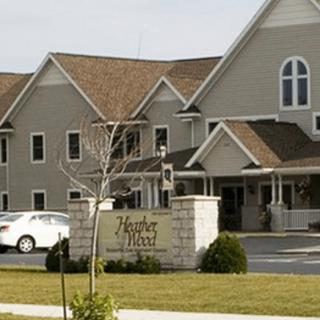
HeatherWood Assisted Living & Memory Care
$4,395 to $5,695 / month5.8 miles away -
from -$700 / mo
Assisted Living of Durand
$4,000 / month23.9 miles away -
from -$850 / mo

Azura Memory Care of Eau Claire
$3,850 / month7.8 miles away -
from +$695 / mo

Heritage Court - Eau Claire
$5,395 to $6,195 / month7.4 miles away -
from +$250 / mo
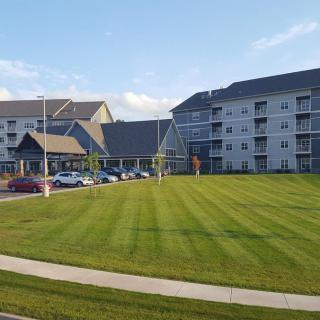
The Classic at Hillcrest Greens
$4,950 to $5,850 / month7.3 miles away
Overall Review of Care Partners Eau Claire
Pros
 The memory care team is a group of caring and supportive individuals that treat the residents with dignity and respect.
- The staff is awesome.
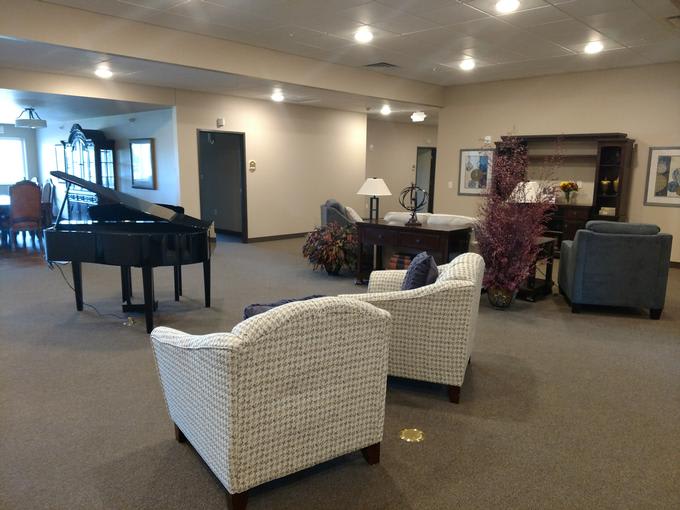
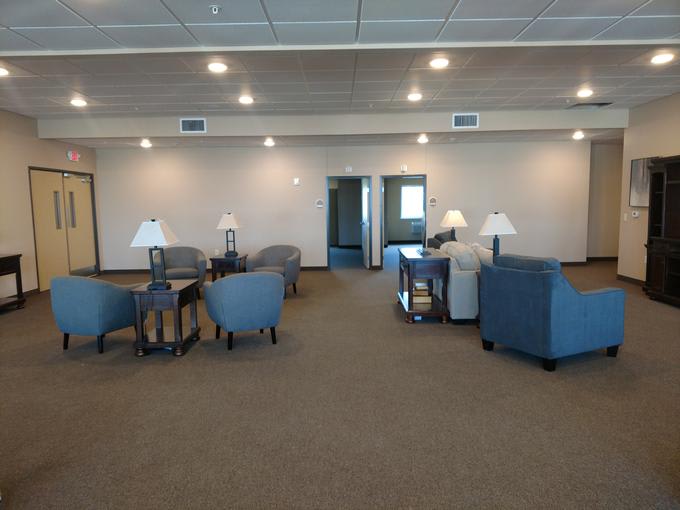
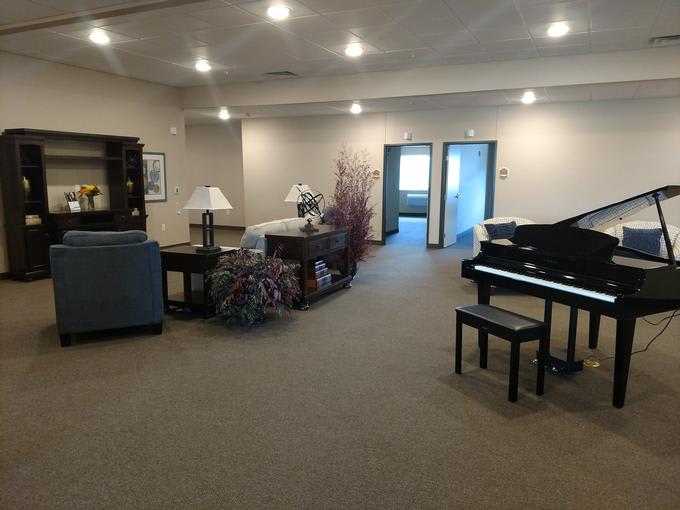
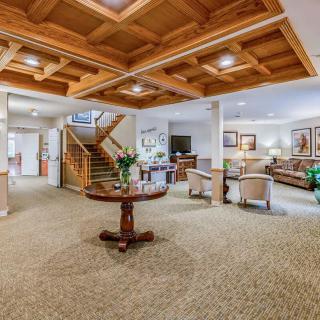
- The facility is nice and clean.
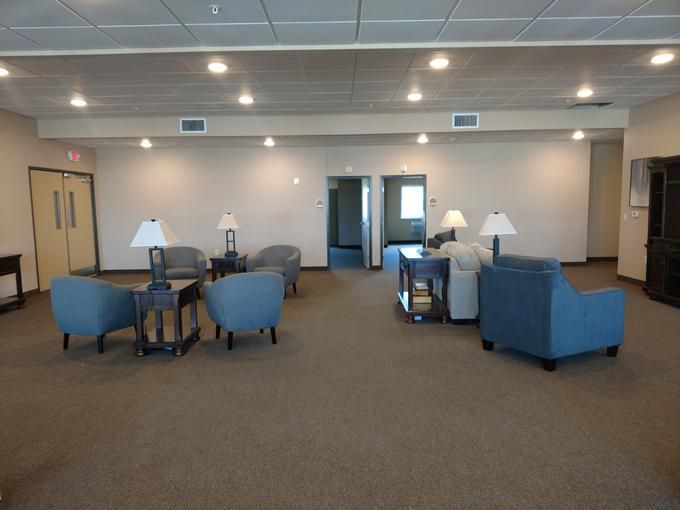
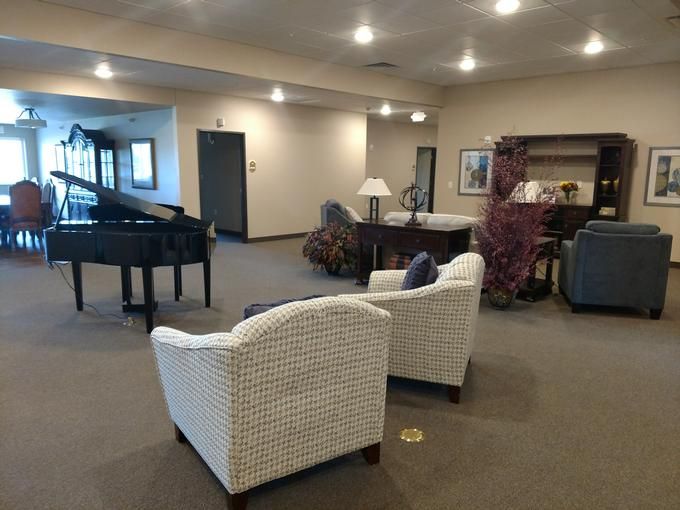
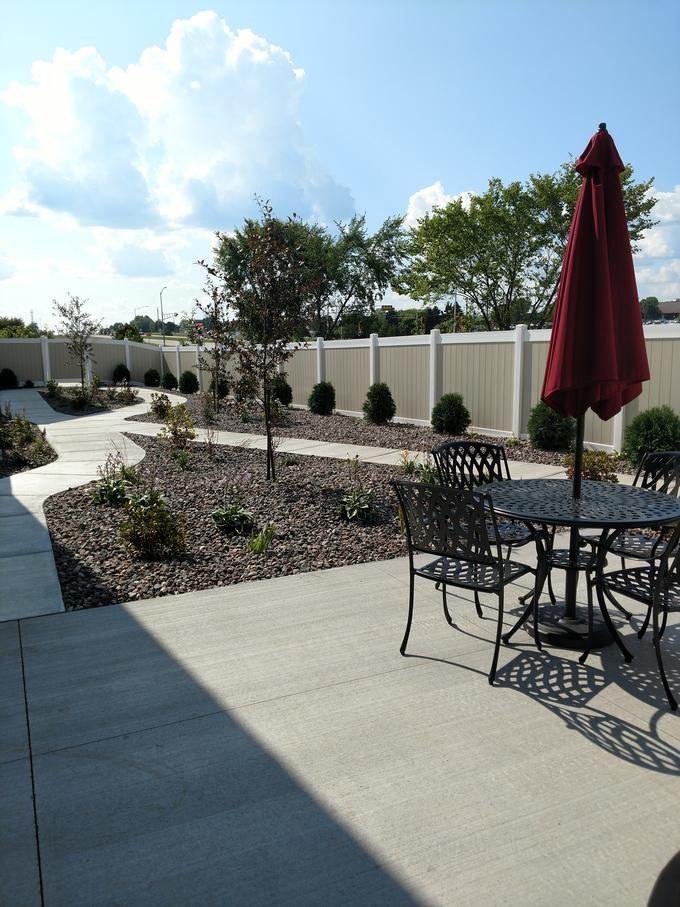
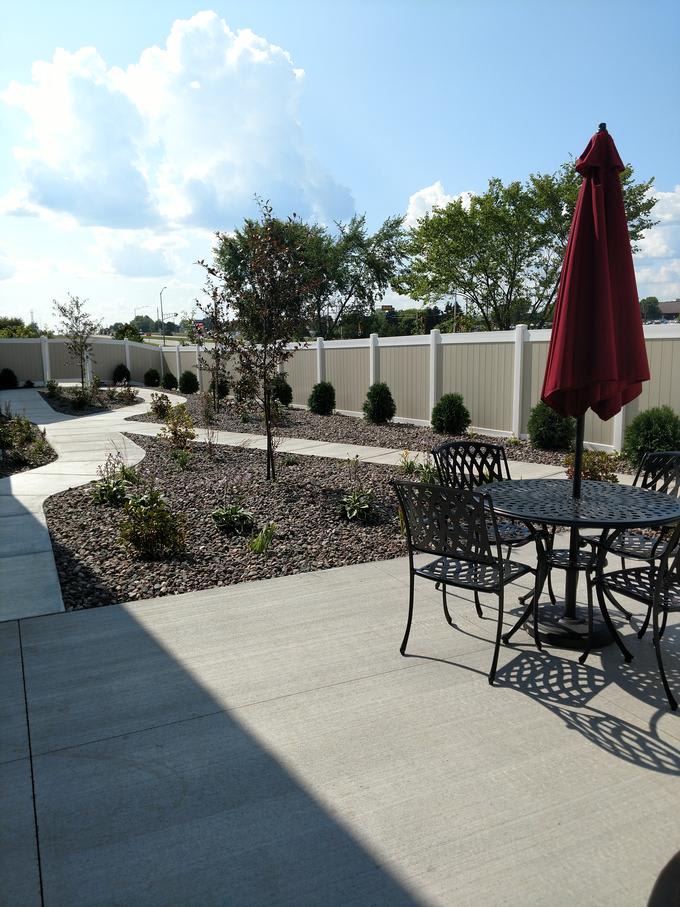
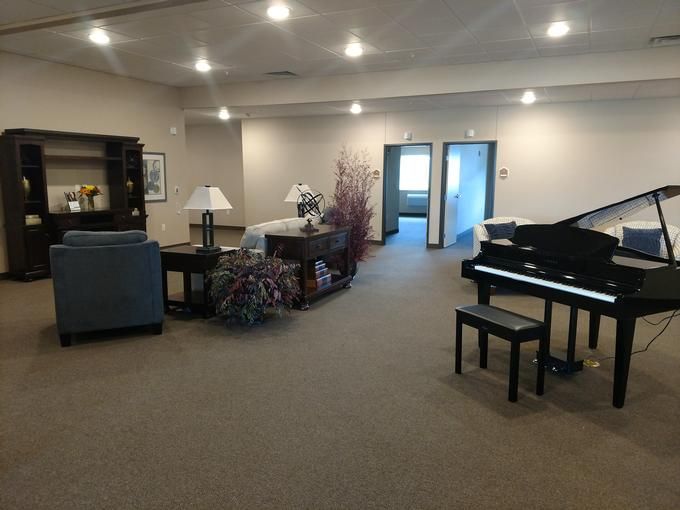
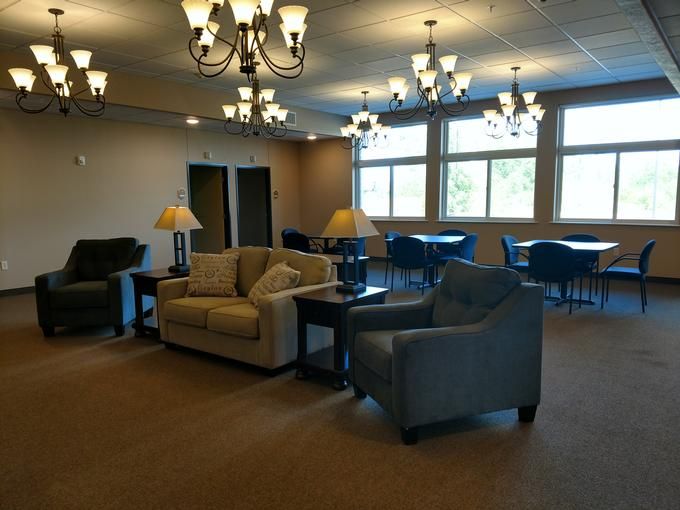
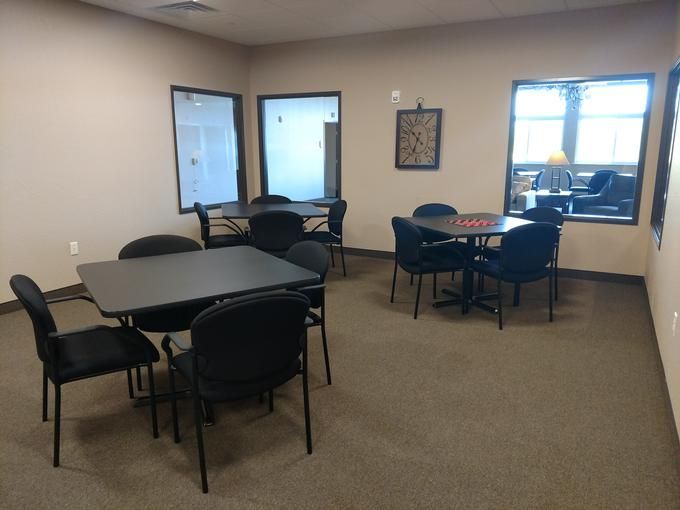
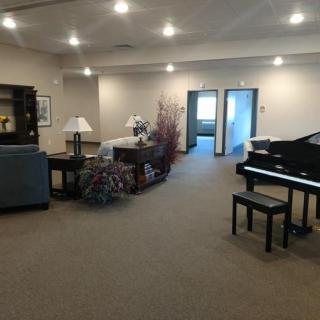
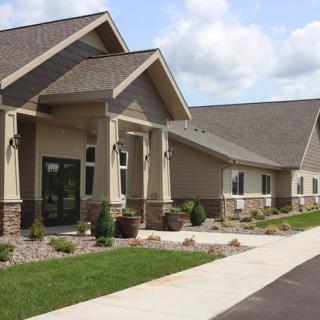
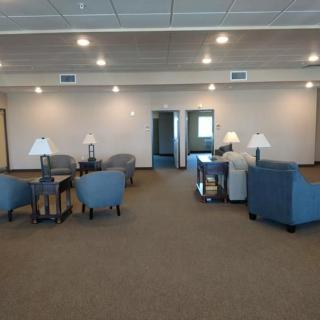
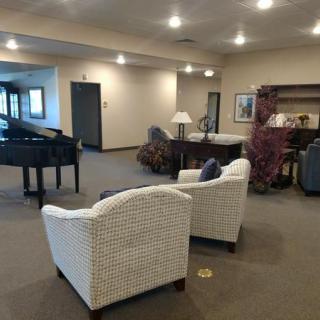
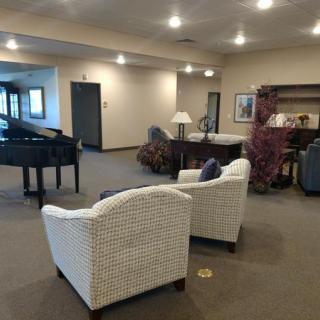
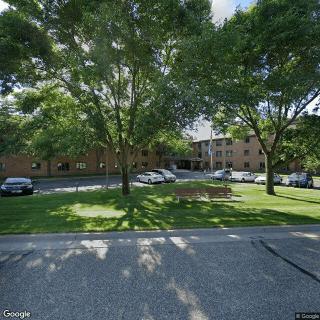
- The layout is very nice, with wide-open hallways that are easy to navigate.
- The residents were engaged in activities, such as coloring and group games, reflecting a lively environment.
- The location is accessible and conveniently located near a main highway.
- It is a new facility described as COVID-conscious while balancing safety with everyday living.
Cons
 The facility is described as sinister in the way it is run and is advised to be avoided for the safety of loved ones.
- It allegedly has numerous violations, neglect, abuse, and incompetence by staff and management, with no COVID precautions and PPE shortages.
- Meals are frequently late and unappealing, indicating poor food service.
- The culture allegedly tolerates laziness and drug use among staff; when management is absent, staff act without accountability; there are frequent medication errors; management focuses on appearances and covers up neglect; hard-working staff receive no recognition.
- The staff reportedly lack adequate training for Alzheimer's patients, and the memory care unit is not well run.
- There were serious safety failures, including lack of supervision, a resident wandering off, absence of a silver alert, and a fatal outcome; administration allegedly lied.
- There was insufficient care on duty, and tours were conducted by a care helper rather than staff, leading to the conclusion that the place is not suitable.
Review
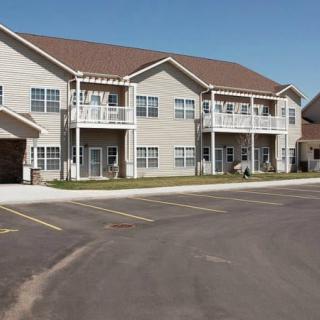
Care Partners Eau Claire is best suited for families seeking a newer, single‑level campus with straightforward access to memory‑care programming and a generally clean, walkable environment. This community tends to appeal to families who want predictable daily routines, regular meals, and engaging activities for residents with dementia, delivered by a frontline team that receives praise in some accounts. It is a fit for those who can tolerate some variability in staff performance across shifts and who are prepared to stay engaged with the administration to ensure consistent, attentive care.
That said, a number of reviewers urge caution and point to reasons to consider alternatives. The most serious concerns center on safety, consistency, and management responsiveness. Allegations range from neglect and medication errors to outright lapses in supervision, including wandering incidents with dire outcomes. Several accounts describe delays with meals, gaps in training for Alzheimer’s‑related care, and a sense that administrative priorities are more about appearances than substantive resident welfare. For families facing high risk events or seeking unwavering reliability, these reports justify a careful, perhaps skeptical, evaluation.
On the strength side, the reviews repeatedly highlight positive impressions from frontline staff in certain shifts, and emphasis on a clean, open layout that supports mobility and visibility. Families described the memory‑care environment as well suited to monitoring and prompting residents, with wide, simple circulation and a clear sense of how daily routines are organized. When care teams communicated problems and kept families in the loop, it helped mitigate anxiety and fostered a sense of trust during difficult moments. In short, when the right staff are present and responsive, the campus can deliver warmth, structure, and engagement.
The downsides, however, are not easily dismissed. The most alarming threads involve safety failures and inconsistent accountability, including reports of delayed responses and insufficient supervision for residents at risk of wandering, as well as accusations that management would shield problems rather than address them promptly. Several accounts describe negative experiences with meals and meal service, and a few portray a culture in which frontline workers feel unsupported or undertrained. Taken together, these elements undermine dependable care, particularly for residents with advanced dementia or complex medical needs who require vigilant oversight.
Despite these concerns, the pros can meaningfully offset the cons for families who implement a rigorous due‑diligence process. If the administration demonstrates a clear commitment to safety, through concrete policies, proactive error reporting, and staff training aligned with dementia care, plus a demonstrated, low‑turnover caregiving team on the floor, the clean facility and memory‑care focus become real assets. Families should press for detailed staffing plans, daily communication routines, incident logs, and direct access to the care director. A transparent safety culture can transform a mixed review into a workable, dependable arrangement.
Ultimately, the decision hinges on risk tolerance and the level of active oversight a family is prepared to provide. Those who want to minimize wandering risk and insist on near‑perfect execution should compare Care Partners Eau Claire with nearby options that have stronger recent safety track records and more consistent staffing. Request state inspection summaries, speak to multiple front‑line caregivers, and tour during different shifts to gauge actual daily operations. If the answers favor reliability, engagement, and ongoing family communication, the facility can be a solid choice; if not, it is prudent to broaden the search to options with clearer, consistently high performance in resident safety and care quality.
 60 resident community capacity
 Assisted Living
 Memory Care
 Activities on-site
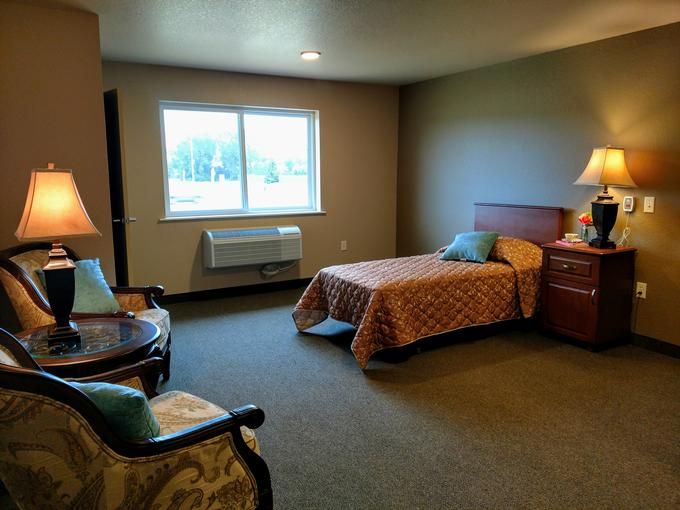
 Air-conditioning
 Beauty salon
 Cable or satellite TV
 Computer center
 Devotional services off-site
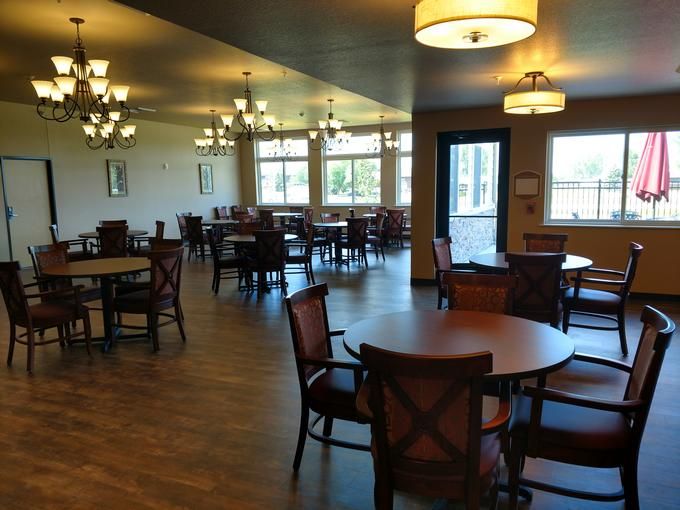
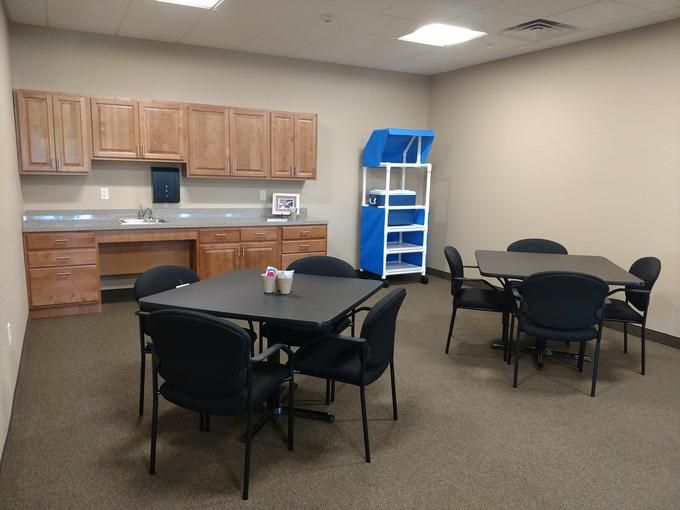
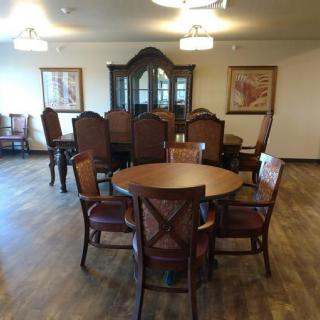
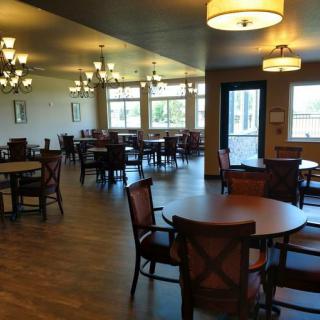
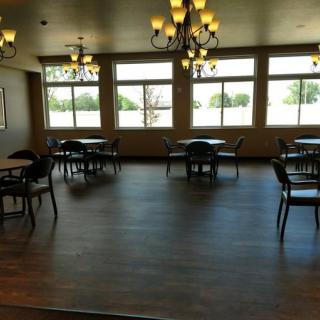
 Dining room
 Fitness room
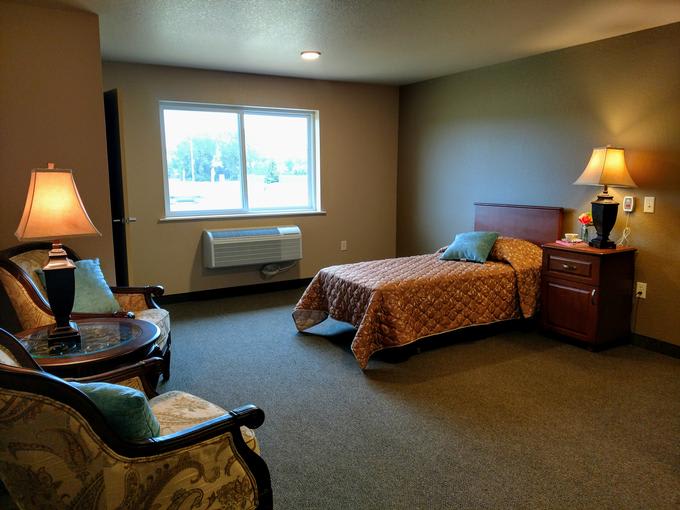
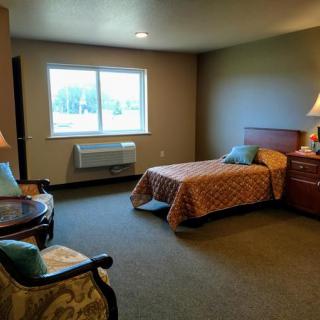
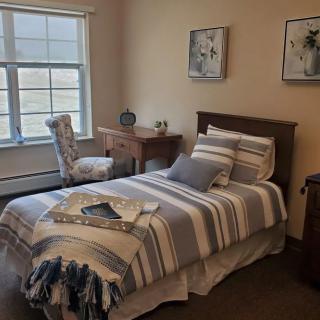
 Fully furnished
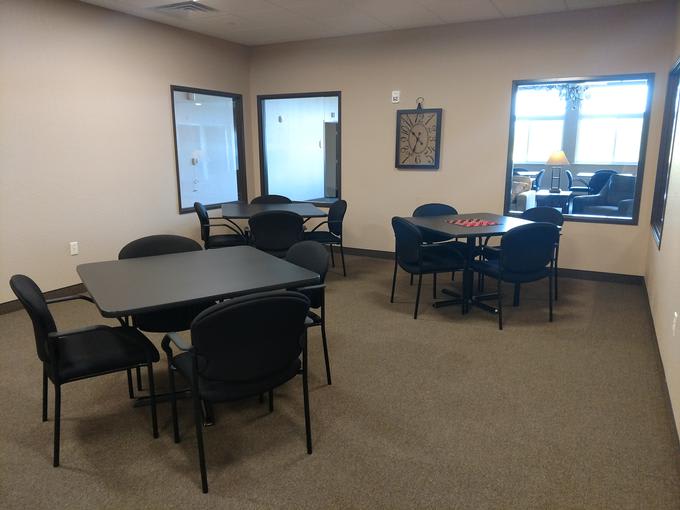
 Gaming room
 Garden
 Housekeeping services
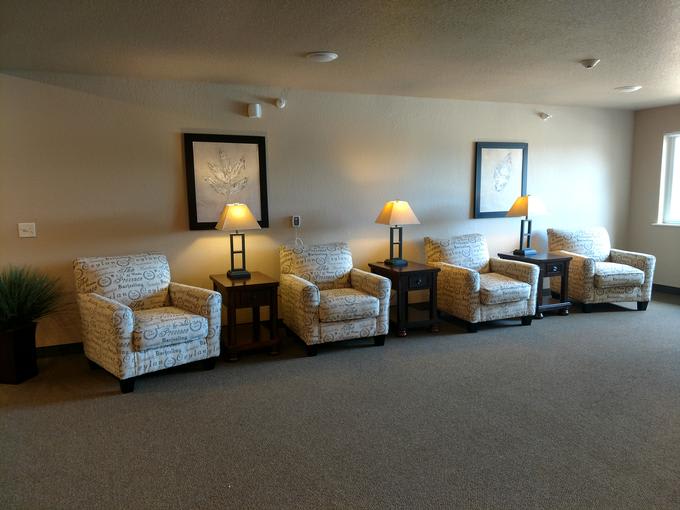
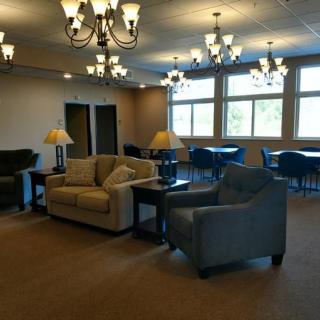
 Indoor common areas
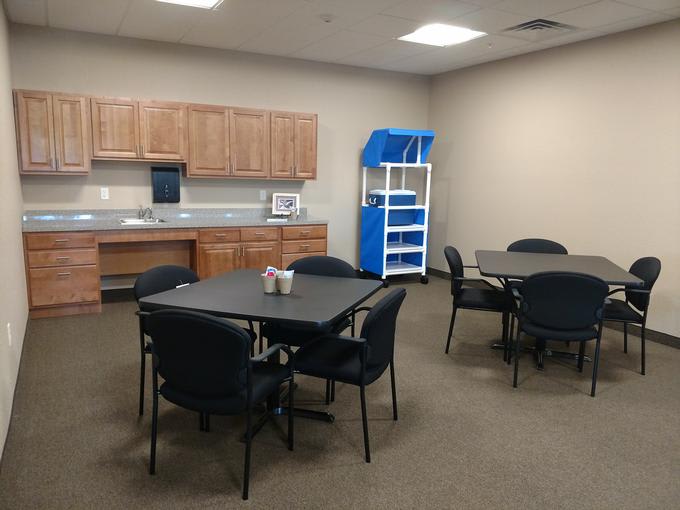
 Kitchenette
 Move-in coordination
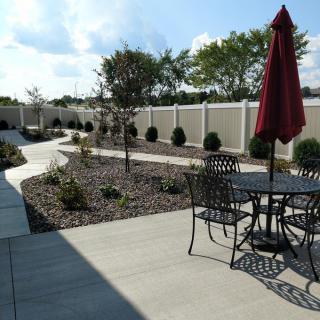
 Outdoor common areas
 Party space
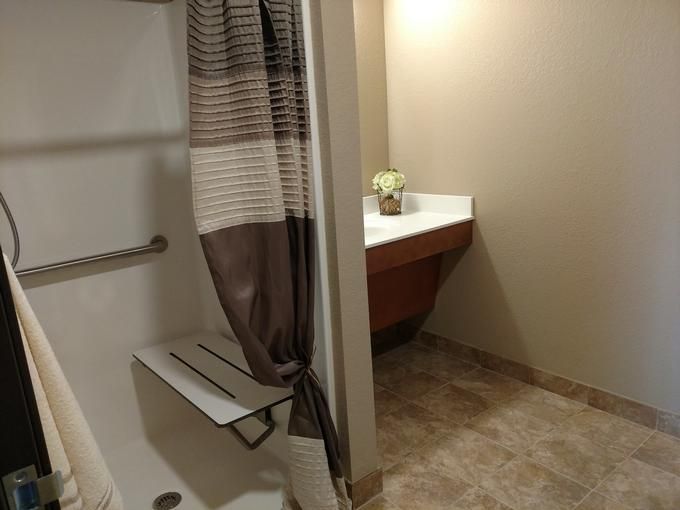
 Private bathrooms
 Respite or short term stays offered
 Restaurant-style dining
 Small library
 Telephone
 Wellness center
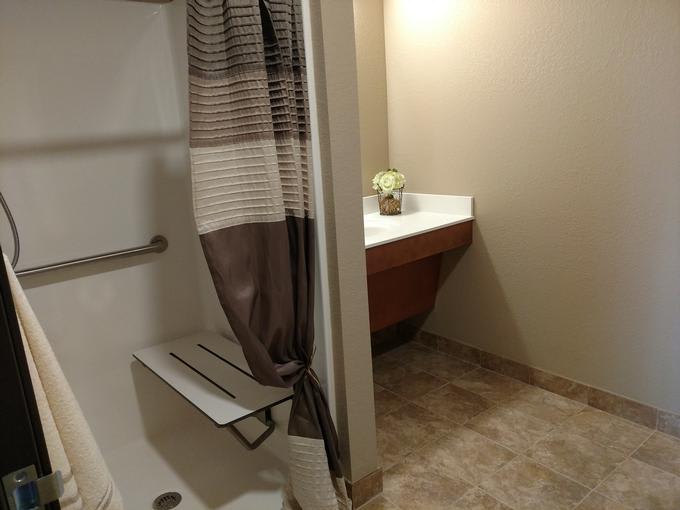
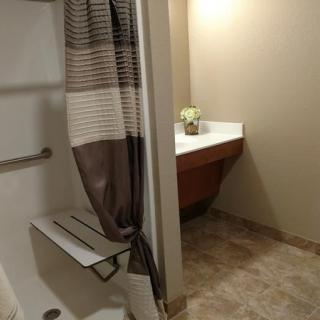
 Wheelchair accessible showers
 Wi-Fi/high-speed internet available
 Chippewa Valley Regional (5 miles away)
 Community operated transportation
 12-16 hour nursing
 24-hour call system
 Assistance with bathing
 Assistance with dressing
 Assistance with transfers
 Diabetes diet
 Diabetic care
 Incontinence care
 Medication management
 Mental wellness program
 Special dietary restrictions
 Transportation arrangement (medical)
 Concierge services
 Day trips and outings
 Live dance or theater performances
 Live musical performances
 Trivia games
 English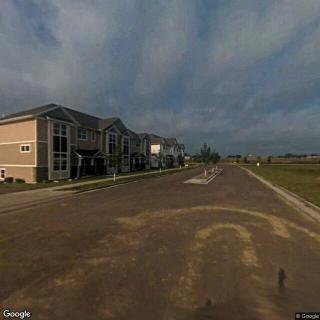


 Are Dementia and Alzheimer's Disease Lethal? A Comprehensive Exploration
 Exploring the Power of Reminiscence Therapy for Individuals With Dementia
 An In-Depth Look at Reminiscence Therapy in Dementia Care