Milestone Senior Living Memory Care in Eau Claire, WI

Save

  • Interior

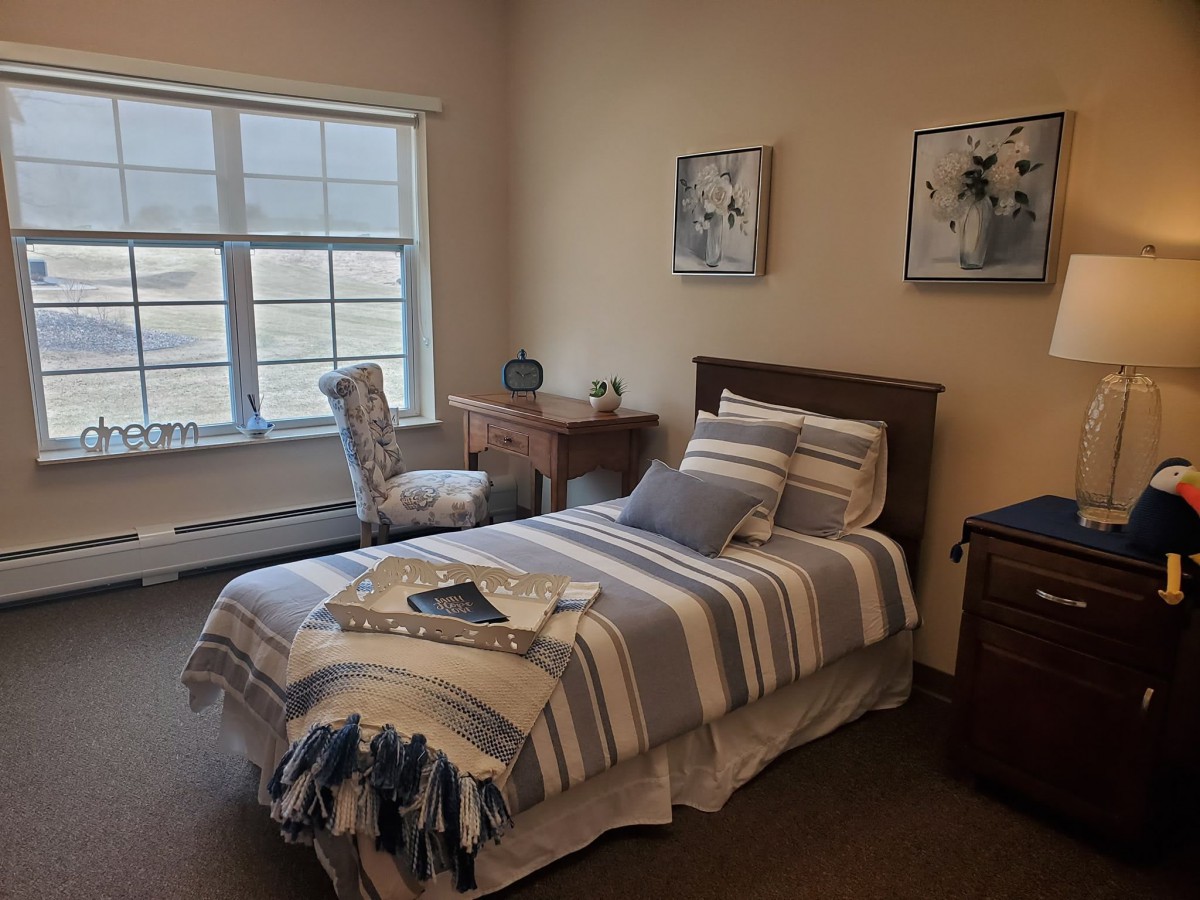
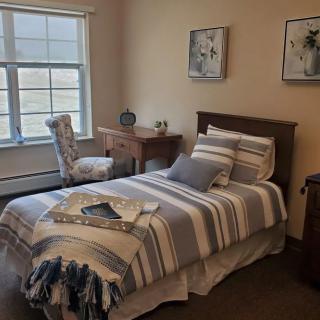
    A cozy bedroom with a single bed, desk, and chair by the window.
  • Outdoors

    A group of elderly people enjoying a game of cards together outdoors.
  • Decor

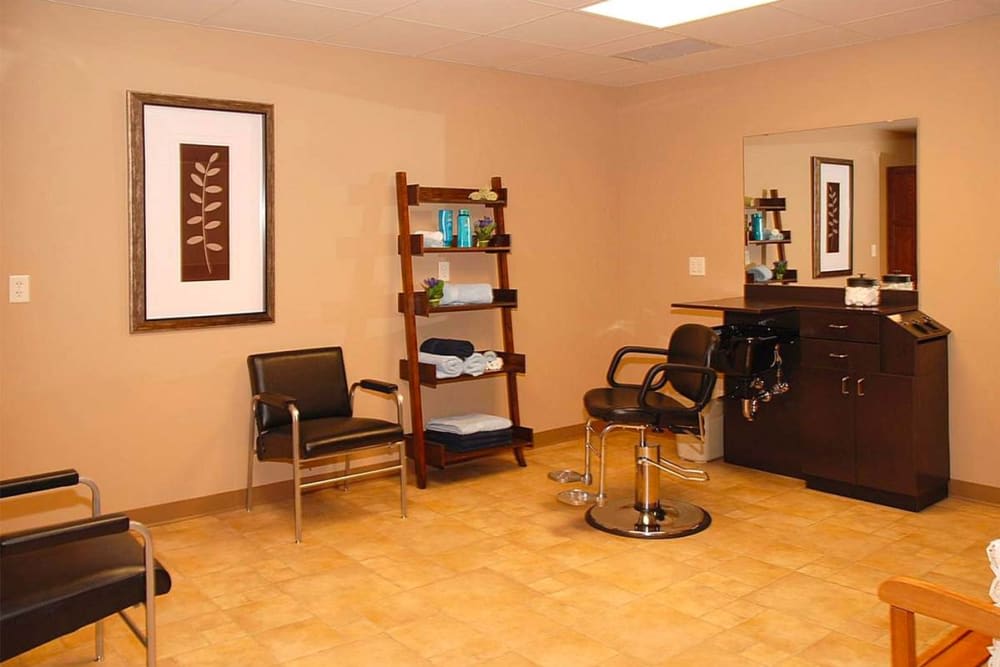
    A cozy salon interior featuring a styling chair, shelves, and wall art.
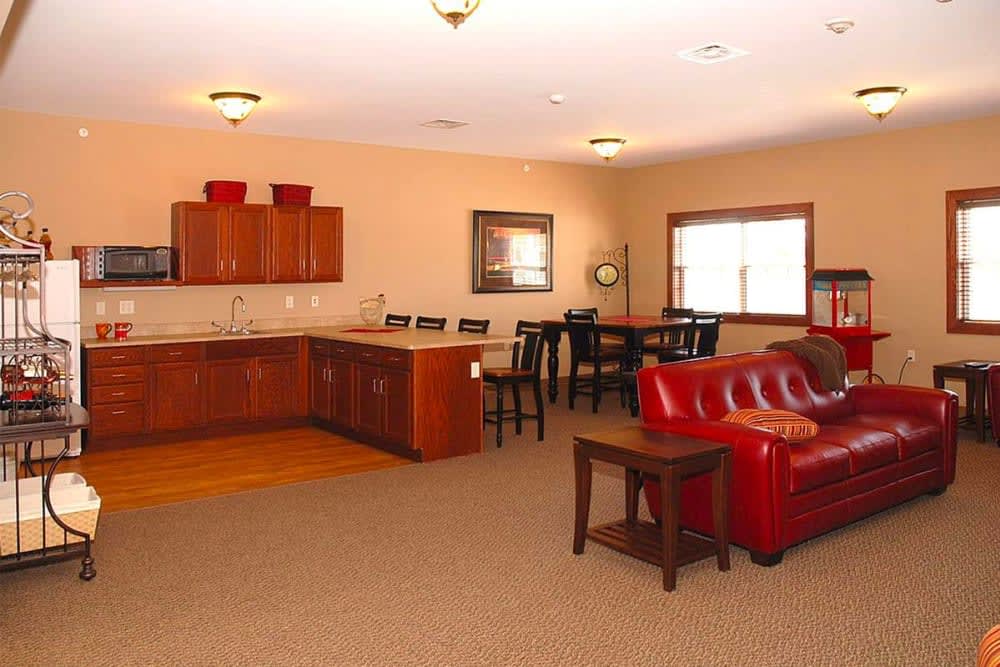
  • Living Room

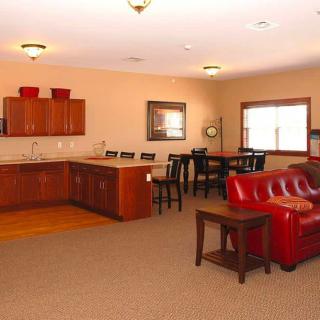
    A spacious open-concept living area featuring a kitchen, dining table, and red sofa.
  • Building

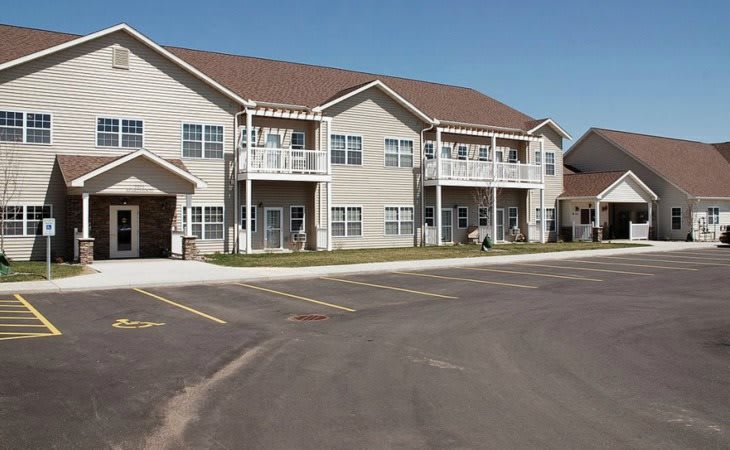
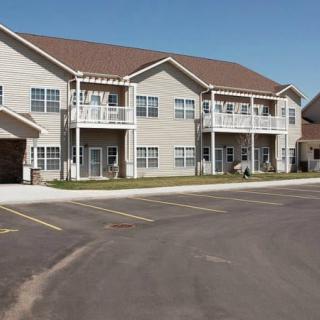
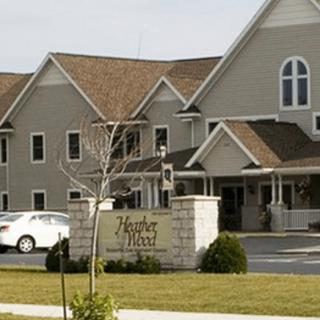
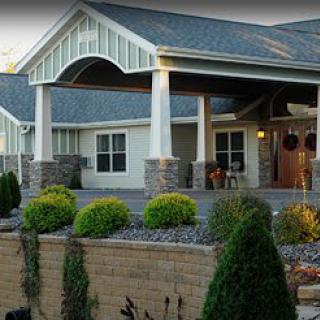
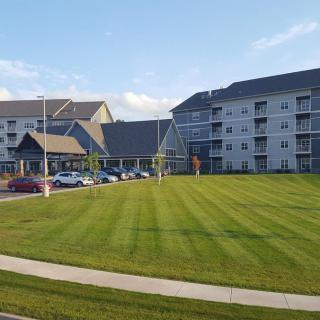
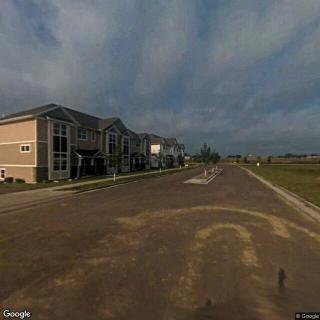
    A two-story residential apartment building with balconies and a parking lot.
  • Windows

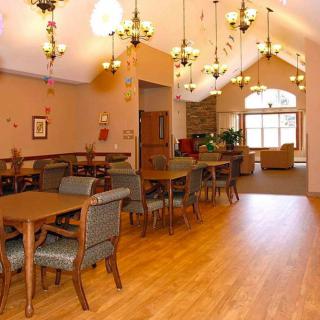
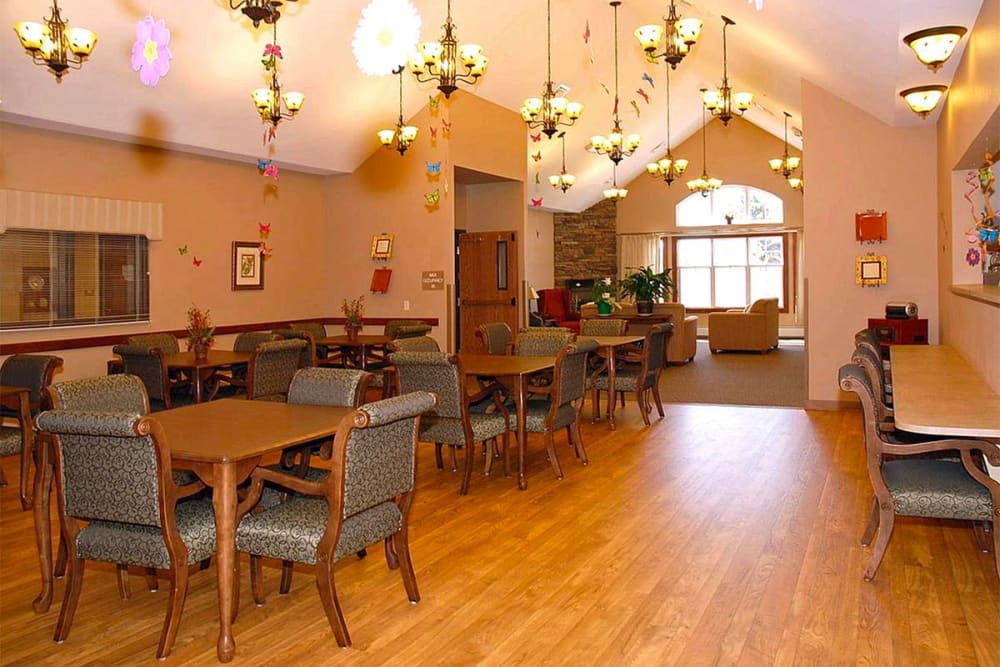
    A spacious dining area with multiple tables and chairs, illuminated by elegant chandeliers and featuring a wooden floor.
  • Dining

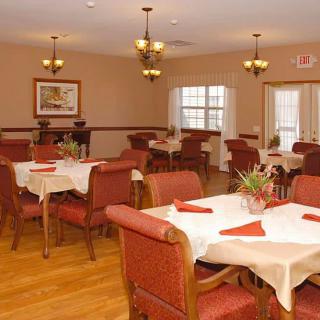
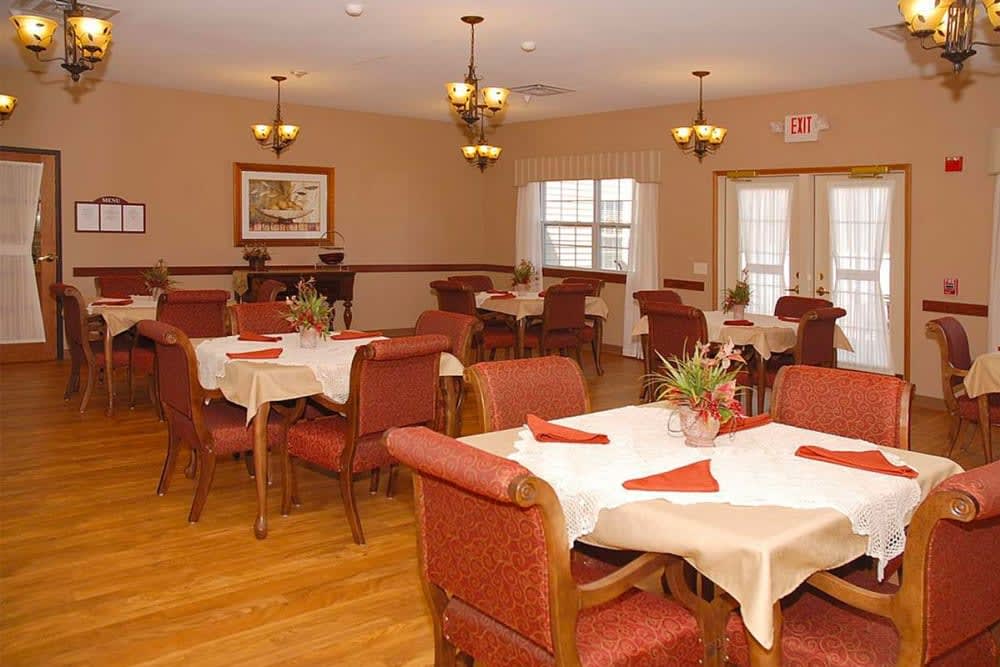
    An elegantly decorated dining room with multiple tables set for guests.
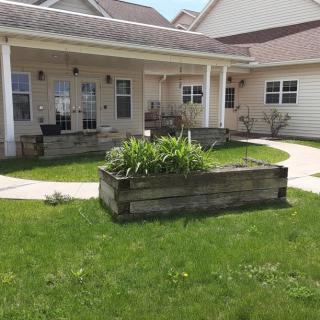
  • Landscaping

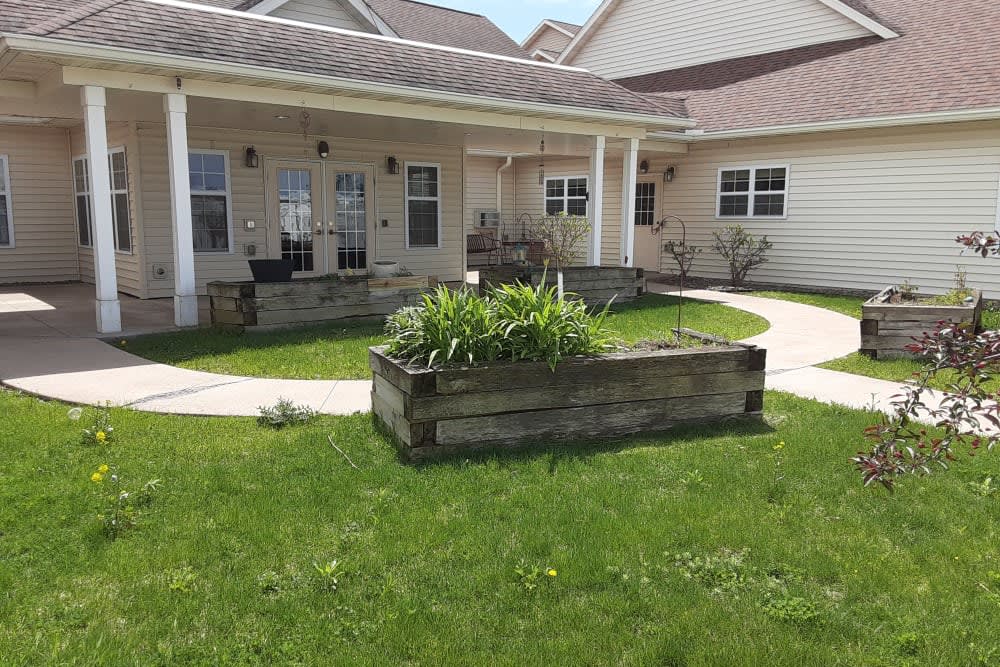
    A house with a patio and garden area featuring a wooden planter filled with greenery.
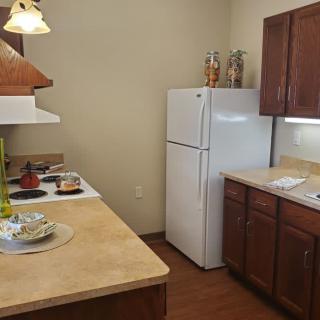
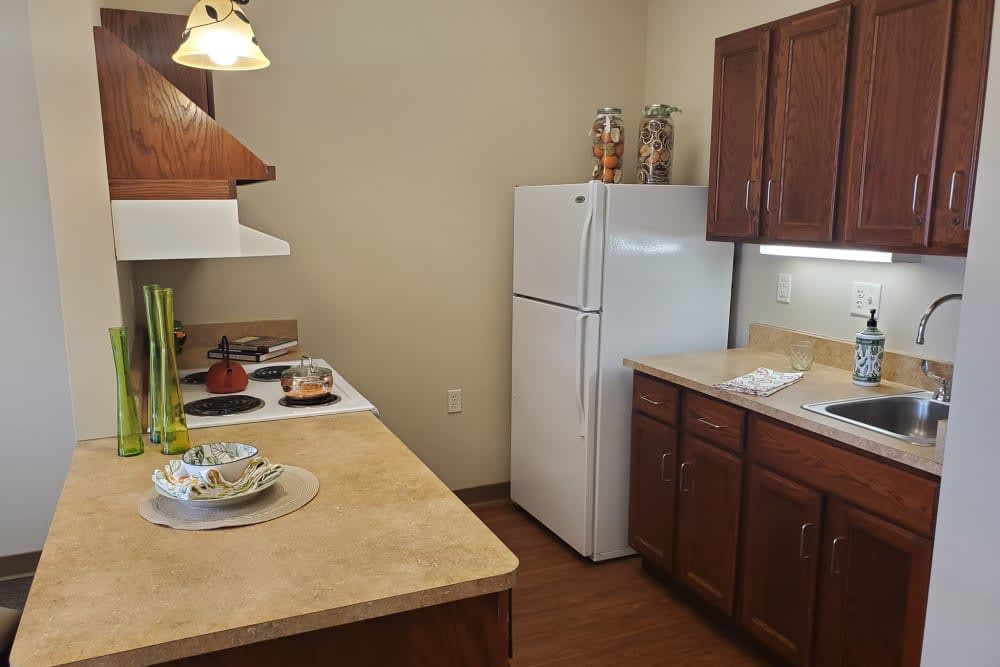
  • Kitchen

    A cozy kitchen with wooden cabinets, a white refrigerator, and countertop space.
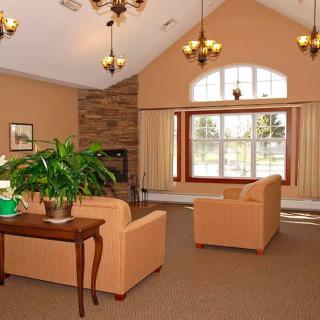
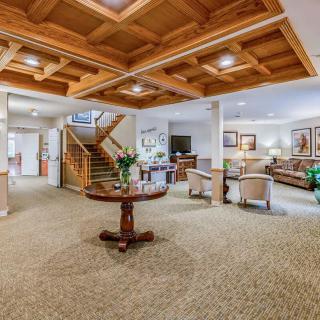
  • Fireplace

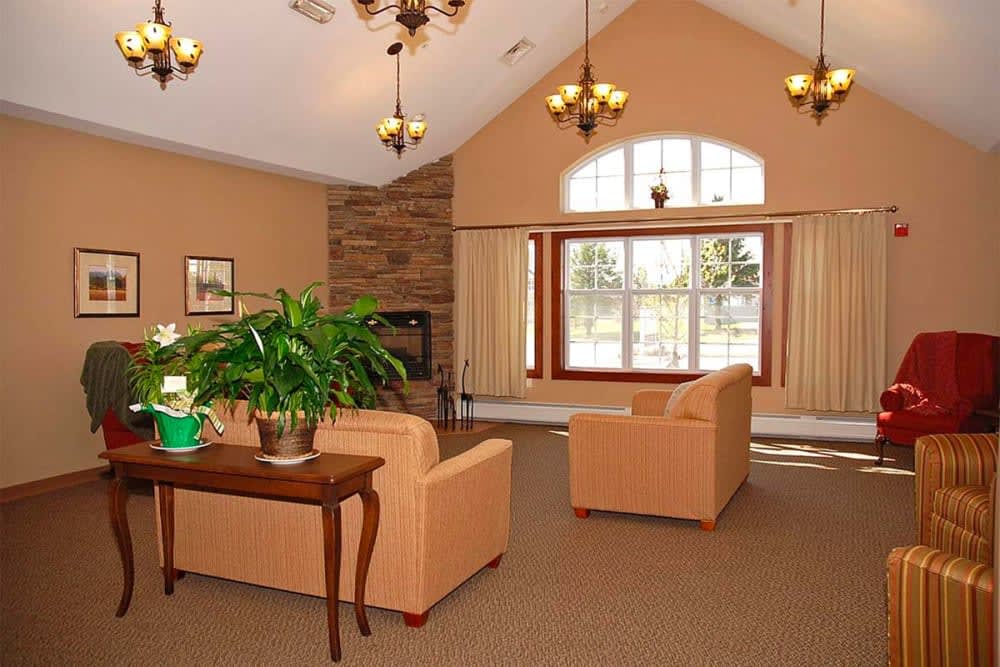
    A cozy living room with sofas, a fireplace, and large windows.

Milestone Senior Living Memory Care in Eau Claire, WI

Information last verified:

5510 Renee Drive, Eau Claire, WI 54703

For more information about senior living options: (844) 490-3973

4.2 from 37 reviews
5 stars
24
4 stars
5
3 stars
4
2 stars
1
1 stars
3

Seniors.FYI Elite Community Awards

Top 5% Senior Living Community in 2022Top 5% Senior Living Community in 2023

Add this award to your website

Milestone Senior Living Memory Care Costs & Pricing

Milestone Senior Living Memory Care offers a range of accommodation options with costs reflecting the specialized care and amenities provided to residents. For instance, a 1-bedroom unit at Milestone is priced at $4,700 per month, significantly higher than the county average of $3,715 and the state average of $3,412. The 2-bedroom option follows suit at $5,100, again surpassing Eau Claire County's average of $3,869 and Wisconsin's average of $3,111. Meanwhile, the studio option is priced at $6,500 per month, compared to local and state averages of $4,023 and $3,999 respectively. These figures highlight not only the premium associated with memory care services but also indicate that Milestone emphasizes its commitment to providing tailored support for individuals living with memory impairments in a comfortable and enriching environment.

Floor plansMilestone Senior Living Memory CareEau Claire CountyWisconsin
1 Bedroom$4,700$3,715$3,412
2 Bedrooms$5,100$3,869$3,111
Studio$6,500$4,023$3,999

Overall Review of Milestone Senior Living Memory Care

Pros

  • pro Milestone Senior Living is a warm, welcoming place that feels like home.
  • pro The staff go above and beyond to care for residents with compassion, respect, and professionalism.
  • pro Milestone hosts regular events that foster family connection.
  • pro Brent and Jennifer ensure things run smoothly for members and families.
  • pro Makayla Skelton is welcoming, thorough, and professional, making tours informative.
  • pro The staff create personalized care plans tailored to each resident’s needs.
  • pro The living spaces are bright, spacious, and thoughtfully designed to balance comfort and privacy.
  • pro Milestone provides engaging activities and delicious, thoughtfully prepared meals.
  • pro Thea and the Milestone team communicate clearly with families and respond quickly to placement needs.

Cons

  • pro The preparation of food is terrible, except for breakfast.
  • pro The facility is way too expensive, especially for those who do not need ongoing care.
  • pro There is way too much staff turnover.
  • pro The reviewer believes the place deserves far fewer stars than a negative rating would imply.
  • pro Food quality is poor and there have been staffing issues.
  • pro The meals lack variety and presentation.
  • pro The facility withdrew thousands of dollars from a resident’s account and offered no condolences after a bereavement.

Review

Milestone Senior Living Memory Care in Eau Claire is best suited for families that want a warm, relationship-driven memory-care environment where caregivers actively partner with relatives. This community delivers a home-like feel, with bright, thoughtfully designed spaces and an emphasis on connection, daily routines, and meaningful activity. It works best when the resident needs regular engagement, structured programming, and a team that communicates openly with families about care plans and day-to-day concerns. The strongest match is found among families facing dementia or other memory challenges who prize proactive problem-solving and a consistent, compassionate presence from staff. Those seeking a purely clinical, low-interaction model or a lower-cost option without a strong emphasis on family involvement should consider alternatives, as Milestone’s value rests on the depth of staff-resident and family relationships rather than on sheer price competitiveness.

The community earns its strongest credibility from staff who consistently demonstrate compassion, respect, and hands-on attention. Families praise caregivers who personalize care plans, check in with regularity, and address issues quickly, often going beyond the minimum to resolve problems impacting daily life. Leadership and front-line teams, named individuals such as Brent and Jennifer, Makayla, Thea, and others, are repeatedly cited as the engine of a smoothly run operation. Regular family-friendly events and opportunities for connection help keep loved ones engaged, while the staff’s willingness to listen and tailor interactions to individual preferences makes residents feel seen. The living environment complements this care ethos: spacious, comfortable rooms, inviting common areas, and well-kept outdoor spaces foster a sense of belonging and safety that families notice and appreciate.

On the downside, dining quality emerges as a recurring area of concern, with several reviewers calling meals inconsistent or lacking in variety and presentation. A few families also flag higher costs relative to the care level received, especially for residents who do not require intensive memory-care services but still face a steep monthly price. Staffing turnover is another pothole in the experience fabric; several reviews reference frequent departures and interim leadership, which can disrupt continuity and undermine trust if not managed promptly and transparently. These factors do not erase Milestone’s strengths, but they do temper the overall value proposition and warrant careful due diligence, especially for families balancing budget, long-term stability, and appetite for consistent cadence in programming and leadership.

The key pros offset the principal drawbacks in meaningful, practical ways. The dedicated care teams, responsive communication, and truly partner-like approach to families create a dependable care web around the resident. This translates into tangible outcomes: residents who participate in a varied activity calendar, caregivers who adapt routines to individual preferences, and family members who feel informed and involved rather than sidelined. The home-like setting reduces the clinical coldness that can accompany memory care, making it easier for residents to settle in, form social connections, and enjoy daily rituals like meals and social events. When leadership is stable or markedly proactive, as evidenced by the commendable efforts of Thea in coordinating placements and ongoing family communication, the likelihood of consistent care and timely problem-solving increases, which matters tremendously for memory-care trajectories.

For families evaluating Milestone, two practical decision levers shape the fit. First, assess the care needs against the program’s stability and staff engagement. If a resident benefits from highly proactive day-to-day oversight, frequent family touchpoints, and a community that treats family involvement as a core service, Milestone delivers. Second, test the dining and activity cadence firsthand, and probe the floor-plan logistics. The occasional floor-location constraint, such as a second-floor unit that complicates access for residents with COPD, needs to be weighed against the overall atmosphere, safety features, and the breadth of programming. The staff’s ability to adapt, communicate, and mobilize resources quickly should be verified through direct conversations with leadership and by sitting in on several activity sessions and mealtimes.

In comparing Milestone to alternatives, the decisive questions center on cost, stability, and the non-tangible but crucial elements of daily life: how often activities actually occur, how consistently staff respond, and whether the leadership tone prioritizes transparency and partnership with families. For those who value a richly social, family-inclusive model and can tolerate higher price brackets and occasional staffing shifts, Milestone remains a strong advocate for dignity and connection in memory care. For families where cost is a primary constraint or where long-tenured, consistent leadership is non-negotiable, alternative communities, perhaps with more predictable staffing patterns or more cost-competitive dementia programs, deserve close consideration. The important thing is to align expectations with the reality of turnover cycles and to demand concrete assurances on care plans, meal quality, and leadership stability before committing.

Overall, Milestone Senior Living Memory Care presents a compelling case for families seeking a resident-first culture where care professionals actively co-manage daily life with families. It excels in creating a welcoming, engaging ecosystem that treats residents with warmth, respect, and dignity while maintaining a vigilant eye on safety and well-being. The right fit will be a family prioritizing strong personal connections with caregivers, robust family involvement, and a community that emphasizes daily purpose through activities and meaningful interactions. Potential residents should enter equipped with clear questions about meal quality, current staffing stability, floor-plan accessibility, and the specifics of how care plans are developed and updated, then weigh those answers against the higher price point and any lingering concerns about turnover. When those elements align, Milestone becomes a confident, capable home for memory-care needs in Eau Claire.

Features

Housing

  • 24 resident community capacity 24 resident community capacity

Types of Care

  • Assisted Living Assisted LivingAssisted living facilities provide crucial support and care for seniors who may need help with daily tasks such as medication management, bathing, and meal preparation. These communities offer a safe and comfortable environment where seniors can maintain their independence while receiving the assistance they need to thrive in their golden years.
  • Memory Care Memory CareMemory care is crucial for seniors as it provides specialized support and services for individuals with dementia or Alzheimer's disease. These programs offer a safe and secure environment where residents receive personalized care, cognitive stimulation, and help with daily activities. Memory care helps seniors maintain their independence, quality of life, and dignity while also providing peace of mind for their families.

Amenities

  • Activities off-site Activities off-siteEngaging in off-site activities is crucial for seniors to maintain social connections, stay active, and stimulate their minds. It promotes overall well-being and helps combat feelings of isolation and loneliness.
  • Activities on-site Activities on-siteActivities on-site are important for seniors because they provide opportunities for socialization, mental stimulation, physical activity, and overall well-being. Engaging in activities can help seniors stay active, maintain their independence, and improve their quality of life.
  • Air-conditioning Air-conditioningAir conditioning is important for seniors as they are more vulnerable to heat-related illnesses and may have underlying health conditions that make it difficult for them to regulate their body temperature. It helps to keep them comfortable, safe, and healthy in hot weather.
  • Bath tubs Bath tubsBath tubs are important for seniors because they provide a safe and relaxing way to bathe, helping to prevent slips and falls while promoting independence and overall well-being.
  • Beautician on-site Beautician on-siteHaving a beautician on-site at a senior living community is important for seniors as it allows them to easily access grooming and personal care services, boosting their self-esteem and overall well-being. It also provides convenience and helps seniors maintain their sense of independence and personal style.
  • Beauty salon Beauty salonBeauty salons are important for seniors because they provide a space for them to feel pampered, socialize, and maintain their personal grooming and hygiene. Regular visits to a beauty salon can help boost seniors' self-esteem and overall well-being.
  • Cable or satellite TV Cable or satellite TVCable or satellite TV is important for seniors because it provides entertainment, news, and companionship, helping to combat loneliness and boredom. It also offers a wide range of programming options tailored to different interests and preferences.
  • Devotional services off-site Devotional services off-siteDevotional services off-site are important for seniors as they provide spiritual nourishment, social engagement, and a sense of community outside of the senior living facility. This can enhance overall well-being and help combat feelings of isolation and loneliness often experienced by older adults.
  • Devotional services on-site Devotional services on-siteDevotional services on-site provide seniors with spiritual support and a sense of community, as well as an opportunity for reflection and guidance during their senior living experience. This can promote emotional well-being and connection to others, leading to a more fulfilling and enriching lifestyle in their later years.
  • Dining room Dining roomDining rooms are important for seniors as they provide a space for socialization, connection, and nutritious meals. They offer opportunities for residents to bond over shared meals, foster a sense of community, and promote healthy eating habits. Dining rooms also ensure that seniors have access to well-balanced meals tailored to their dietary needs and preferences.
  • Full kitchen Full kitchenHaving a full kitchen in a senior living facility is important for seniors because it allows them to maintain their independence and prepare their own meals. This promotes healthy eating habits, saves money on dining out, and provides a sense of familiarity and comfort for residents.
  • Fully furnished Fully furnishedFully furnished senior living communities are important for seniors because they provide convenience, comfort, and a hassle-free moving experience. Seniors can easily settle into their new living space without the stress of having to buy and move furniture. This allows them to focus on enjoying their new home and community.
  • Garden GardenGardens are important for seniors as they provide a peaceful and therapeutic environment for relaxation, physical activity, and socialization. Being in nature has been shown to reduce stress, improve mood, and promote overall well-being. Gardens also offer opportunities for seniors to engage in gardening activities, which can improve mobility, flexibility, and cognitive function. Additionally, gardens create a sense of community and connection with others who share a passion for plants and outdoor spaces.
  • Ground floor units Ground floor unitsGround floor units are important for seniors because they provide easy accessibility, reduced risk of falls and injuries, and convenience for those with mobility issues. Seniors can avoid climbing stairs or using elevators, making daily tasks and activities more manageable and enjoyable.
  • Handicap accessible Handicap accessible"Handicap accessible" amenities are crucial for seniors to ensure they can easily navigate and access facilities, services, and activities without barriers or limitations due to physical impairments. This promotes independence, safety, and inclusivity for seniors in senior living communities.
  • Housekeeping services Housekeeping servicesHousekeeping services are important for seniors because they help maintain a clean and safe living environment, promote independence, and reduce the risk of accidents or illnesses. Additionally, having assistance with household chores can alleviate physical strain and allow seniors to focus on other aspects of their well-being.
  • Indoor common areas Indoor common areasIndoor common areas are crucial for seniors as they provide a space for socialization, recreation, and community engagement, promoting overall well-being and reducing feelings of isolation and loneliness.
  • Kitchenette KitchenetteKitchenettes are important for seniors living in senior living communities because they provide the convenience and independence of being able to prepare simple meals and snacks in the comfort of their own living space. This can help promote a sense of autonomy and well-being for seniors, allowing them to maintain some level of control over their dietary choices and daily routines.
  • Move-in coordination Move-in coordinationMove-in coordination is important for seniors because it helps ease the transition into their new living environment. It ensures that all logistics, such as packing, organizing movers, and setting up utilities are taken care of, allowing seniors to focus on settling in and adjusting to their new home. Having a smooth move-in process can alleviate stress and anxiety, making the transition smoother and more enjoyable for seniors.
  • Outdoor common areas Outdoor common areasOutdoor common areas are important for seniors as they provide a space for socialization, physical activity, and relaxation. Being outside in nature can improve mood and overall well-being, while also encouraging movement and engagement with others. These spaces can help combat feelings of isolation and promote a sense of community among residents.
  • Outdoor space Outdoor spaceOutdoor spaces are important for seniors as they provide opportunities for physical activity, social interaction, exposure to natural light and fresh air, and a sense of connection to nature. Having access to outdoor spaces can improve overall well-being and quality of life for older adults living in senior communities.
  • Respite or short term stays offered Respite or short term stays offeredRespite or short term stays provide seniors with a temporary solution when their regular caregiver is unavailable, offering them the opportunity to receive additional care and support during times of need, while also giving caregivers a chance to rest and recharge.
  • Restaurant-style dining Restaurant-style diningRestaurant-style dining is important for seniors because it allows them to enjoy delicious, nutritious meals in a social and upscale setting. This enhances their dining experience, promotes healthy eating habits, and fosters socialization with fellow residents, ultimately contributing to their overall well-being and quality of life.
  • Small library Small librarySmall libraries are important for seniors as they provide access to a variety of reading materials, including books, newspapers, and magazines. This can help stimulate their minds, keep them engaged, and provide a sense of community through book clubs and other social activities. Additionally, reading has been shown to improve cognitive function and overall mental well-being in older adults.
  • Telephone TelephoneTelephones are important for seniors as they provide a lifeline for communication with loved ones, emergency services, and healthcare providers. They offer a sense of security and independence, enabling seniors to stay connected and access assistance when needed.
  • Wheelchair accessible showers Wheelchair accessible showersWheelchair accessible showers are crucial for seniors as they provide a safe and independent bathing option for those with mobility challenges. These showers help prevent falls and allow seniors to maintain their dignity and autonomy while ensuring they can bathe comfortably.
  • Wi-Fi/high-speed internet available Wi-Fi/high-speed internet availableWi-Fi/high-speed internet is important for seniors to stay connected with loved ones, access online resources, and participate in virtual activities to combat feelings of loneliness and isolation. It also allows them to easily manage healthcare needs, access entertainment, and engage in lifelong learning opportunities.

Transportation

  • Chippewa Valley Regional (5 miles away) Chippewa Valley Regional (5 miles away)

Care Services

  • 24-hour call system 24-hour call system24-hour call systems are important for seniors because they provide peace of mind and immediate assistance in case of emergencies. This technology ensures that help is always available, promoting safety and security for elderly individuals living alone or in assisted living facilities.
  • 24-hour supervision 24-hour supervision24-hour supervision is important for seniors to ensure their safety, well-being, and access to immediate assistance in case of emergencies or health issues. This constant support provides peace of mind for both seniors and their loved ones, allowing them to age in place with dignity and security.
  • Activities of daily living assistance Activities of daily living assistanceActivities of daily living assistance are important for seniors because they provide essential support with tasks such as eating, bathing, dressing, and mobility. This assistance helps seniors maintain their independence, dignity, and overall quality of life as they age.
  • Assistance with bathing Assistance with bathingAssistance with bathing is crucial for seniors as it helps maintain personal hygiene, prevents infections, and ensures their overall well-being and comfort. It also provides a sense of dignity and independence for seniors who may struggle with this task on their own.
  • Assistance with dressing Assistance with dressingAssistance with dressing is important for seniors because it helps maintain their independence, promotes personal hygiene, prevents accidents and injuries, and improves overall quality of life. This service ensures that seniors can continue to dress comfortably and confidently, despite any physical limitations they may have.
  • Assistance with transfers Assistance with transfersAssistance with transfers is crucial for seniors as it helps prevent falls and injuries, maintains their independence, and ensures they can safely navigate their living environment. It also provides peace of mind for both seniors and their loved ones.
  • Diabetes diet Diabetes dietA diabetes diet is crucial for seniors as it helps manage blood sugar levels, reduce risks of complications, and improve overall health and well-being. By following a balanced and nutritious diet tailored to their specific needs, seniors can better control their diabetes and enhance their quality of life.
  • Diabetic care Diabetic careDiabetic care is crucial for seniors as they are more susceptible to developing diabetes due to aging and other health conditions. Proper management of diabetes can help prevent complications such as heart disease, vision loss, and nerve damage, improving the overall quality of life for seniors in senior living communities.
  • Incontinence care Incontinence careIncontinence care is essential for seniors to maintain their dignity, hygiene, and overall quality of life. By addressing incontinence issues promptly and effectively, seniors can enjoy a sense of independence and comfort in their daily activities.
  • Meal preparation and service Meal preparation and serviceMeal preparation and service are crucial for seniors as they may have limited mobility or energy to cook nutritious meals. Having access to healthy and convenient food options can ensure they are getting the proper nutrition needed to maintain their overall health and well-being.
  • Medication management Medication managementMedication management is crucial for seniors to ensure they are taking the right medications at the correct dosages and times. This helps prevent adverse drug interactions, reduces the risk of medication errors, and promotes overall health and well-being. Proactive management also allows for adjustments as needed based on changing health conditions or new prescriptions.
  • Mental wellness program Mental wellness programMental wellness programs are essential for seniors as they promote cognitive stimulation, emotional support, and social engagement. These programs help prevent isolation, depression, and cognitive decline, ultimately enhancing the overall quality of life for older adults.
  • Mild cognitive impairment Mild cognitive impairment"Mild cognitive impairment" is important for seniors because it is an early stage of cognitive decline that can potentially progress to more severe conditions such as dementia. Recognizing and addressing mild cognitive impairment can help seniors receive appropriate care and support to maintain their quality of life and independence for as long as possible.
  • Special dietary restrictions Special dietary restrictionsSpecial dietary restrictions are important for seniors because age-related changes in metabolism and health conditions can make it difficult for their bodies to process certain foods. By following a diet tailored to their specific needs, seniors can maintain their overall health and well-being, manage chronic conditions, and reduce the risk of complications such as malnutrition or food interactions with medications.
  • Specialized memory care programming Specialized memory care programmingSpecialized memory care programming is crucial for seniors with cognitive impairments such as dementia or Alzheimer's disease. These programs provide a safe and supportive environment tailored to the unique needs of individuals with memory loss, helping them maintain their independence, dignity, and quality of life.

Dining

  • Anytime dining Anytime diningAnytime dining is important for seniors because it allows them the flexibility to eat when they are hungry, rather than being restricted to set meal times. This can be especially beneficial for those with medical conditions or medications that affect their appetite, as well as those who may have difficulty adhering to a strict dining schedule. Overall, anytime dining promotes independence and overall well-being for seniors in senior living communities.
  • Diabetes diet Diabetes dietA diabetes diet is crucial for seniors as it helps manage blood sugar levels, reduce risks of complications, and improve overall health and well-being. By following a balanced and nutritious diet tailored to their specific needs, seniors can better control their diabetes and enhance their quality of life.
  • Guest meals Guest mealsGuest meals are important for seniors living in senior living communities because they provide an opportunity for socialization and companionship. Sharing a meal with friends, family, or new acquaintances can help combat feelings of loneliness and isolation, promote a sense of community, and enhance overall well-being. Additionally, guest meals allow seniors to enjoy delicious food in a comfortable setting without the hassle of cooking or cleaning up, making dining a pleasurable and stress-free experience.
  • International cuisine International cuisineInternational cuisine is important for seniors because it offers a variety of flavors, ingredients, and cultural experiences that can help keep their meals interesting and enjoyable. Trying new dishes can also stimulate the senses and provide different nutrients that contribute to overall health and well-being. Additionally, exploring international cuisine can bring back fond memories of travels or childhood experiences, making mealtime more nostalgic and fulfilling for seniors.
  • Low / no sodium Low / no sodiumLow/no sodium options are important for seniors because excessive sodium intake can lead to high blood pressure, heart disease, and other health issues commonly experienced by older adults. By choosing low/no sodium foods, seniors can better manage their health and reduce their risk of developing these conditions.
  • Meals provided Meals provided"Meals provided" are crucial for seniors in assisted living communities as it ensures they have access to nutritious, balanced meals without the stress of meal planning and preparation. This can help promote overall health and well-being for seniors who may have limited mobility or cognitive abilities.
  • No Sugar No SugarNo sugar diets are important for seniors because they can help prevent or manage chronic conditions such as diabetes, heart disease, and obesity. Sugar can also contribute to cognitive decline and inflammation in the body, so reducing sugar intake can lead to overall improved health and well-being in older adults.
  • Professional chef Professional chefProfessional chefs are important for seniors living in senior living communities because they provide nutritious and delicious meals that cater to their dietary needs and preferences. A professional chef can ensure that seniors are receiving balanced, flavorful meals that support their overall health and well-being.
  • Restaurant style dining Restaurant style diningRestaurant style dining is important for seniors as it offers them a social and enjoyable dining experience, promotes healthy eating habits, and provides personalized menu options to cater to their dietary needs and preferences. This type of dining setting can enhance their overall quality of life and create a sense of community within the senior living facility.
  • Room service Room serviceRoom service is important for seniors in a senior living community because it provides convenience and allows them to have their meals delivered directly to their room. This can be especially beneficial for seniors who may have mobility issues or difficulty accessing the dining area. Room service ensures that seniors are able to receive nutritious meals without having to navigate through the facility, allowing them to maintain their independence and overall well-being.
  • Special dietary restrictions Special dietary restrictionsSpecial dietary restrictions are important for seniors because age-related changes in metabolism and health conditions can make it difficult for their bodies to process certain foods. By following a diet tailored to their specific needs, seniors can maintain their overall health and well-being, manage chronic conditions, and reduce the risk of complications such as malnutrition or food interactions with medications.
  • Special dining programs Special dining programsSpecial dining programs are important for seniors because they provide nutritious meals tailored to their dietary needs and preferences. These programs also offer socialization opportunities, promote overall health and well-being, and can help prevent malnutrition.

Activities

  • Art classes Art classesArt classes are important for seniors because they provide a creative outlet, improve cognitive function, reduce stress and anxiety, promote socialization, and enhance overall well-being and quality of life.
  • Catholic services Catholic servicesCatholic services are important for seniors because they provide spiritual support, a sense of community, and opportunities for social interaction that can enhance overall well-being and quality of life in their later years.
  • Community-sponsored activities Community-sponsored activitiesCommunity-sponsored activities are important for seniors as they provide opportunities for social interaction, mental stimulation, and physical activity. These activities can help improve overall well-being, combat loneliness and isolation, and promote a sense of belonging and purpose among older adults.
  • Cooking classes Cooking classesCooking classes are important for seniors as they provide opportunities for social interaction, enhance cognitive skills, promote healthy eating habits, and boost confidence in the kitchen.
  • Day trips and outings Day trips and outingsDay trips and outings are important for seniors as they provide opportunities for socialization, mental stimulation, physical activity, and a break from daily routines. These experiences can enhance overall well-being and quality of life for older adults living in senior communities.
  • Devotional activities offsite Devotional activities offsiteDevotional activities offsite are important for seniors because they provide social engagement, spiritual growth, and a sense of community outside of their living environment. This can improve overall well-being, mental health, and combat feelings of isolation or loneliness.
  • Devotional activities on-site Devotional activities on-siteDevotional activities on-site provide seniors with a sense of community, spiritual fulfillment, and emotional support, promoting overall well-being and a positive sense of purpose in their lives.
  • Educational speakers / life long learning Educational speakers / life long learningEducational speakers and lifelong learning opportunities are crucial for seniors as they provide mental stimulation, promote social engagement, and contribute to overall well-being. Continuous learning helps seniors stay mentally sharp, build new skills, and maintain a sense of purpose and fulfillment in their lives. It also allows them to stay connected to the world around them and fosters a sense of community within senior living facilities.
  • Karaoke KaraokeKaraoke provides seniors with a fun and social activity that can boost mood, confidence, and cognitive function. It encourages social interaction, physical movement, and creative expression, making it an important form of entertainment for senior living communities.
  • Live well programs Live well programs"Live well programs are essential for seniors as they provide opportunities for physical activity, social engagement, and mental stimulation, ultimately promoting overall health and well-being in later years."
  • Other religious services Other religious servicesOther religious services are important for seniors as they provide a sense of community, spiritual comfort, and opportunities for socializing. These services can help seniors feel connected to their faith and maintain a sense of purpose and belonging in their later years.
  • Protestant services Protestant servicesProtestant services are important for seniors because they provide spiritual nourishment, community support, and a sense of belonging. These services can help seniors connect with others who share their faith, find comfort and guidance in times of need, and maintain a sense of purpose and fulfillment in their later years.
  • Resident-run activities Resident-run activitiesResident-run activities are important for seniors as they encourage social interaction, creativity, and a sense of autonomy. These activities empower seniors to stay engaged and active in their community while fostering meaningful connections with their peers.
  • Scheduled daily activities Scheduled daily activitiesScheduled daily activities are important for seniors because they provide structure, socialization, mental stimulation, and physical activity. Engaging in regular activities can improve overall well-being and quality of life for seniors living in a community setting.
  • Visiting chaplain or priest Visiting chaplain or priestHaving a visiting chaplain or priest at a senior living community is important for seniors because it provides spiritual support, comfort, and guidance during a time of life that can be challenging and uncertain. Their presence can help seniors feel connected to their faith, find peace of mind, and cope with the emotional and mental struggles they may face in their later years.

Description

Milestone Senior Living Memory Care in Eau Claire, WI is a premier assisted living community specifically designed for individuals with memory care needs. Our dedicated staff provides 24-hour supervision and assistance with activities of daily living such as bathing, dressing, and transfers.

Our residents enjoy a variety of amenities and services that enhance their quality of life. They can participate in engaging activities on-site, explore our beautiful garden and outdoor common areas, or relax in the comfortable indoor common areas. We also offer respite or short-term stays for those who need temporary care.

At Milestone Senior Living Memory Care, we prioritize the mental wellness of our residents through specialized memory care programming and a mild cognitive impairment program. Medication management and diabetes care are also provided by our trained staff. Our professional chef prepares delicious meals that cater to special dietary restrictions including diabetes diets, low/no sodium, no sugar, and international cuisine.

We believe in fostering a sense of community among our residents by organizing community-sponsored activities, day trips and outings to nearby parks and cafes. We also offer devotional services on-site or offsite for individuals who wish to practice their faith.

Conveniently located near various amenities, our community is surrounded by 5 cafes, 7 parks, 5 pharmacies, 12 physicians' offices, 26 restaurants, 4 places of worship, and 9 hospitals. This ensures that our residents have easy access to all the essential services they may need.

Milestone Senior Living Memory Care provides a safe and compassionate environment where individuals with memory care needs can maintain their independence while receiving the personalized care they deserve.

Nearby Places of Interest

This area of Eau Claire, Wisconsin offers a convenient location with a variety of amenities nearby. There are several fast-food restaurants within a short driving distance, as well as local cafes for a more leisurely dining experience. In terms of healthcare, there are multiple physicians' offices and hospitals in the vicinity, providing easy access to medical services. Additionally, there are several parks for outdoor recreation and relaxation, perfect for enjoying nature. For those who require transportation options, car rental services and an airport are also available within a few miles. Overall, this area provides a blend of convenience and comfort that may be appealing to those considering senior living in Eau Claire.

Restaurants

  • McDonald's (0.5 miles)
  • Culver's (2.1 miles)
  • Taco Bell (2.1 miles)
  • Arby's (2.1 miles)
  • Cancun Mexican Grill (2.3 miles)
  • Westside Bar & Grill (2.7 miles)
  • Big T's Saloon (3.8 miles)

Physicians

  • Pine Grove Family Medicine (2.3 miles)
  • Medical X-Ray Consultants (2.3 miles)
  • Ebersold Michael MD (4 miles)
  • Pain Clinic Of Northwestern Wisconsin (4.1 miles)
  • Robertson Timothy J MD - Mayo Clinic Health System Eau Claire Behavioral Health (4.1 miles)
  • Mayo Clinic Store - Midelfort (4.1 miles)
  • Marshfield Clinic Eau Claire Center (4.4 miles)

Hospitals

  • Luther Midelfort-Mayo Health System (2.4 miles)
  • Mayo Clinic Health System Eau Claire Hospital (4 miles)
  • Luther Hospital (4.1 miles)
  • Luther Hospital Ccu (4.1 miles)
  • Marshfield Clinic Urgent - Humayun N Khan MD (4.5 miles)
  • Marshfield Medical Center (4.5 miles)
  • Sacred Heart Hopital (4.8 miles)

Parks

  • Jeffers Park (2.9 miles)
  • Domer Park (3.7 miles)
  • Wheaton Town Station 2 (4.1 miles)
  • Phoenix Park (4.4 miles)
  • Randall Park (4.6 miles)
  • Owen Park Bandshell (4.7 miles)
  • Owen Park (4.9 miles)

Pharmacies

  • Mayo Clinic Store-Westgate (2.9 miles)
  • Mayo Clinic Health System - Pharmacy & Home Medical (4.1 miles)
  • Pharmacare (4.3 miles)
  • Clinic Pharmacy of Eau Claire (4.5 miles)
  • Walgreens (4.6 miles)
  • Achieve Wellness Add to Favorites (6 miles)

Cafes

  • Star Cup (4.4 miles)
  • Olson S Ice Cream (4.6 miles)
  • The Goat Coffee House (4.6 miles)
  • Acoustic Cafe (4.8 miles)
  • Starbucks (4.9 miles)

Places of Worship

  • Diocese Of La Crosse (4.5 miles)
  • Western Wisconsin Intervarsity (4.8 miles)
  • Restoration Church (4.8 miles)
  • Grace Lutheran Foundation (5 miles)
  • Our Redeemer Lutheran Church (5 miles)
  • Cornerstone Christian Church (5.4 miles)
  • St Joseph Catholic Rectory (5.9 miles)

Transportation

  • Budget Car Rental (5.3 miles)
  • United Airlines (5.4 miles)

Frequently Asked Questions

How much does it cost to live at Milestone Senior Living Memory Care in Eau Claire, WI?
Where is Milestone Senior Living Memory Care?
Does Milestone Senior Living Memory Care provide care for residents with dementia or Alzheimer's disease?
What photos are available for Milestone Senior Living Memory Care in Eau Claire, Wisconsin?

Nearby Communities

  • Milestone Senior Living Eau Claire

    Milestone Senior Living Eau Claire

    Eau Claire, WI

    4.1 from 36 reviews
     

    pro Friendly, attentive staff in a clean, active community with spacious rooms and balconies.
  • Care Partners Eau Claire

    Care Partners Eau Claire

    Eau Claire, WI

    3.1 from 19 reviews
    $4,700 / month

    pro Clean, spacious layout with engaging activities and solid amenities.

  • Beehive Homes Of Eau Claire

    Beehive Homes Of Eau Claire

    Eau Claire, WI

    5 from 3 reviews
    $4,700 / month

    pro Caring, friendly staff; clean facility with varied activities and high-quality meals.

  • Rem WI 5560 Cyndi Court

    Rem WI 5560 Cyndi Court

    Eau Claire, WI

    4.5 from 6 reviews
     

    pro Fully furnished apartments with meals, ADL assistance, transportation to medical appointments, and coordinated care.

  • Rem WI 5562 Cyndi Court

    Rem WI 5562 Cyndi Court

    Eau Claire, WI


    pro Small, intimate assisted living with comprehensive care and on-site amenities.

  • Valley View

    Valley View

    Eau Claire, WI

    4.8 from 5 reviews
     

    pro Comfortable accommodations with personalized care and engaging activities.

  • St Francis Apartments

    St Francis Apartments

    Eau Claire, WI

    5 from 3 reviews
     

    pro Excellent access to dining, parks, healthcare, and worship nearby.

  • Oak Gardens Place

    Oak Gardens Place

    Altoona, WI

    4.6 from 86 reviews
    $2,948 to $4,438 / month

    pro Homey, caring staff; clean, welcoming environment; smaller community with personalized attention; studio pricing is comparatively affordable.

  • Meadowbrook at Bloomer

    Meadowbrook at Bloomer

    Bloomer, WI

    4.5 from 96 reviews
    $6,450 to $7,350 / month

    pro Compassionate staff and an engaged administrator create a welcoming, family-like environment.

Related Resources

  • when should someone with dementia go into a care home8 Important Indicators That Memory Care May Be Necessary

    The article highlights eight indicators that a loved one with dementia may require specialized memory care, emphasizing the emotional and logistical challenges families encounter in this decision. It discusses signs such as difficulties with daily tasks, safety concerns, and caregiver burnout, suggesting that memory care facilities can provide the necessary support and structured environments for those experiencing cognitive decline.

  • what do dementia patients think aboutDelving into the Inner World of Dementia: Insights into Thoughts and Awareness

    Dementia, primarily caused by Alzheimer's disease but also linked to other conditions, leads to cognitive decline impacting memory and daily functioning, with individuals experiencing varied awareness of their impairments. Despite memory loss, emotional connections persist, enabling responses to familiar stimuli, highlighting the need for caregivers to provide compassionate support that recognizes both limitations and retained emotional depth.

  • does my mom have dementia quizFive Subtle Dementia Indicators to Observe: An In-Depth Guide to Understanding “Does My Mom Have Dementia?”
    The article presents five subtle indicators of dementia, such as memory lapses and mood swings, to help families assess cognitive decline in loved ones. It emphasizes early detection, open communication, and seeking professional help while providing practical support steps.