
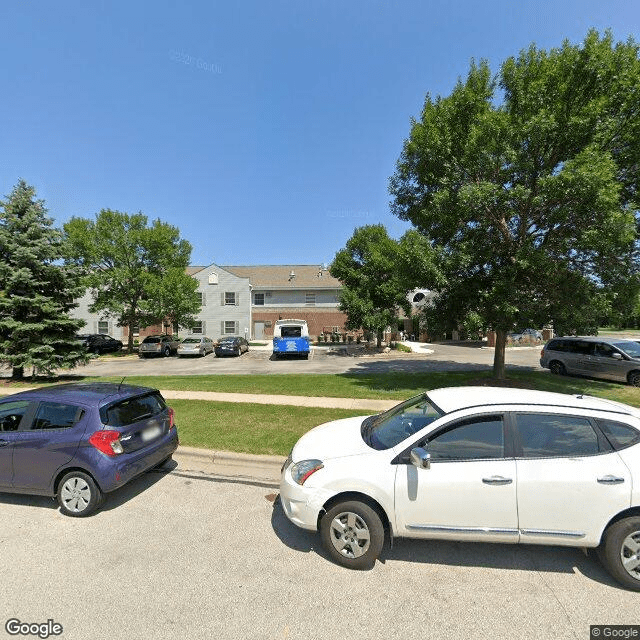
250 S. 9th St., De Pere, WI 54115
To contact a resident: (920) 983-5100
For more information about senior living options: (866) 208-4318
Overall Review of Renaissance Assisted Living-De Pere
Pros
 Great care team and facilities.
- My friend reports she's very happy with the facility and the staff.
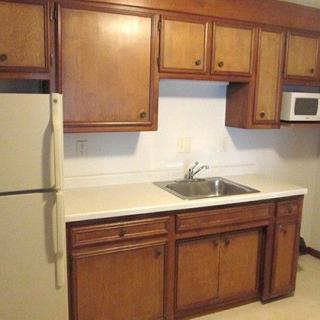
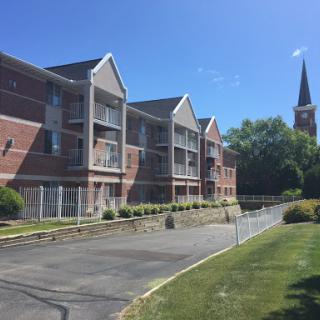
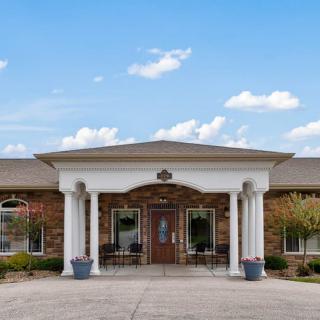
- The one-bed apartment is clean, quiet, and well-maintained, and the common areas are well-maintained.
- There seems to be good support for transportation to appointments, shopping trips, and other outings.
- Recreation programs are pretty good and include music by residents or visiting performers.
- The staff is very thoughtful and caring.
- The understaffed employees are nice.
Cons
 The facility's extremely long waiting list makes it a poor fit for residents with urgent needs.
- There is a perceived lack of compassion and care for loved ones, including an instance where a mom was left in heat.
- Promised services are not implemented, and questions are met with hostility and defensiveness.
- The designation "Assisted Living" is described as misleading.
- Understaffing leads to insufficient time for residents, with caregivers doing more work than nurses.
- A therapy worker did not review a chart and reinjured a resident, and there were reports of fear or intimidation from staff toward family members.
Review
Renaissance Assisted Living-De Pere is best suited for seniors who have relatively stable, non-acute care needs and who prize a quiet, well-maintained campus with dependable transportation and engaging daily programs. The community tends to work well for residents who can navigate modest assistance with medications or daily tasks while enjoying structured social activities and outings. Admission will require patience, however, as the waitlist is notably long, making it unsuitable for families seeking rapid placement for someone with urgent care needs. For families able to endure the timeline, this site offers a livable, low-stress setting where upkeep, campus cleanliness, and social programming are tangible strengths.
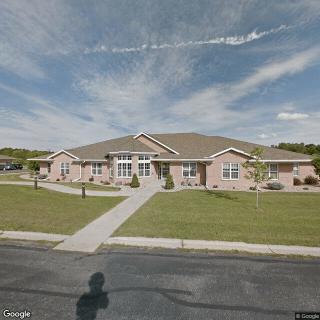
On the upside, there is consistency in the softer, everyday experiences that many families value. Several accounts describe a capable care team and facilities that look and feel well cared for. Transportation to appointments, shopping trips, and planned outings are reliable supports that reduce family stress and help residents maintain independence. Recreation programs , including resident-led activities and visiting performances , add meaningful cadence to the week and create opportunities for social connection. The apartments, while occasionally compact, are clean and quiet, and common areas reflect thoughtful maintenance. Food is generally rated as acceptable, providing a practical dining option that supports a routine lifestyle. Taken together, these factors contribute to a practical, livable environment for residents who prioritize stability, logistics, and social engagement over high-intensity medical oversight.
Yet the negatives carry substantial weight. The most persistent obstacle is the protracted waiting list, which delays access for those with pressing needs and can force families to pursue alternative arrangements longer than ideal. Understaffing is a recurring theme in multiple reviews, with caregivers described as stretched thin and nurses perceived as comparatively fewer in number. That imbalance often translates into slower responses to routine requests and a sense that frontline staff carry the load disproportionately. There are credible reports of promised services not being delivered, and when questions are raised, responses can feel defensive or hostile. Safety concerns emerge from specific incidents where staff did not follow proper procedures in therapy settings, leading to avoidable injuries and fear among family members. Taken together, the culture at times appears to struggle with compassion and accountability, and several reviews describe a sense that the facility’s label of “Assisted Living” overpromises relative to day-to-day realities.
The strength of the pros does not fully offset these cons, but it does create a workable balance for the right resident. For those who place a premium on a calm, well-kept environment, predictable transportation, and a robust menu of social activities, Renaissance provides a dependable backdrop that can make daily life smoother. The combination of clean facilities, friendly faces among many staff members, and active programs means residents can enjoy meaningful routines without constant crisis. The challenge lies in the variability of care delivery; when nursing oversight is needed often or quickly, gaps become more pronounced, and the overall experience can feel inconsistent. The decision, therefore, hinges on whether social programming and logistical reliability are the top priorities and whether a potential admission delay is acceptable in exchange for those positives.
Families weighing alternatives should be candid about needs that go beyond companionship and outings. If urgent medical attention, high-touch nursing care, strong accountability, and a consistently responsive care team are non-negotiables, explore other communities with shorter waitlists and tighter staffing controls. In particular, look for options with proven nurse-to-resident ratios, clear service guarantees, and transparent escalation protocols. For residents whose needs are moderate, who relish activity calendars, and who can tolerate some variability in service delivery, Renaissance can be a sensible choice, provided there is careful due diligence and a realistic expectation set at move-in.
The practical path to clarity is an on-site evaluation that probes staffing rhythms, care-planning processes, and communication practices. Prospective families should observe how staff interact with residents during peak activity periods, request to review a current care plan, and ask for concrete examples of service delivery and problem resolution. Talking to multiple residents and caregivers about everyday experiences is essential, as is requesting a candid explanation of admission timelines and likely wait times. Confirm cost structures, what is included in base rates, and which services incur additional charges. If the match aligns with a resident’s care needs, communication expectations, and a family’s tolerance for waiting, Renaissance Assisted Living-De Pere can become a fitting home that combines a quiet environment with solid programming. If not, the search should continue, with a focus on communities that offer more consistent nursing oversight and quicker admission for higher-need cases.
 Assisted Living
 Activities on-site
 Devotional services off-site
 Indoor common areas
 Austin Straubel International (3 miles away)
 Ambulatory care
 Diabetic care
 Meals provided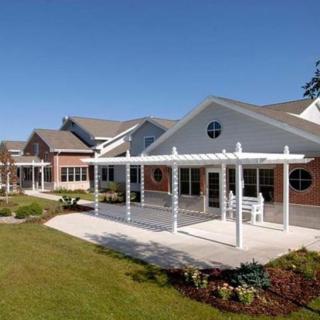


 Understanding the True Cost of Assisted Living in 2025: A Comprehensive Guide
 Understanding Medicaid Coverage for Assisted Living: A Comprehensive Guide
 How and When Medicaid May Cover Assisted Living Costs