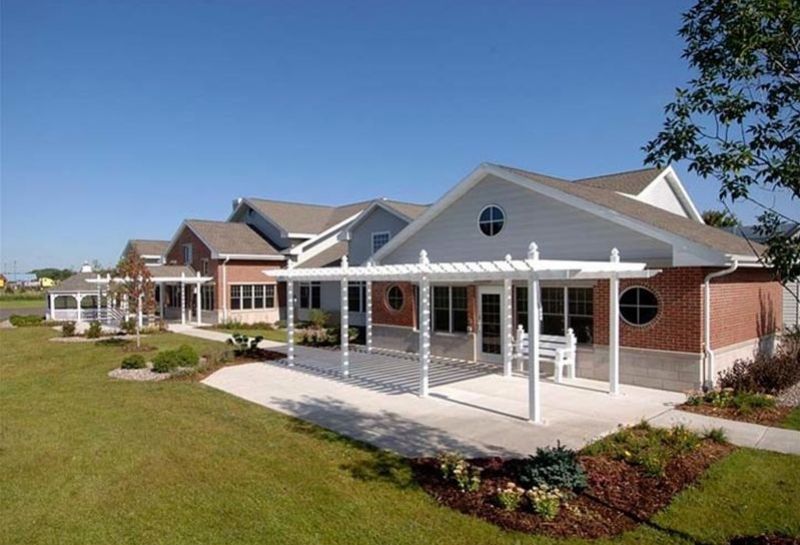


250 South Ninth Street, De Pere, WI 54115
For more information about senior living options: (866) 208-4318
Overall Review of Assisted Living in De Pere and Green Bay
Pros
 They have a great care team and facilities.
- The staff are very thoughtful and caring.
- A friend reports she is very happy with the facility and the staff.
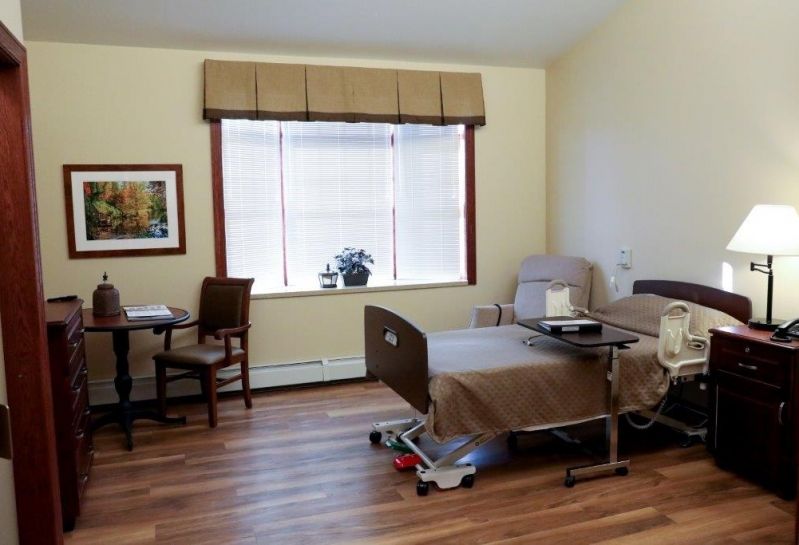
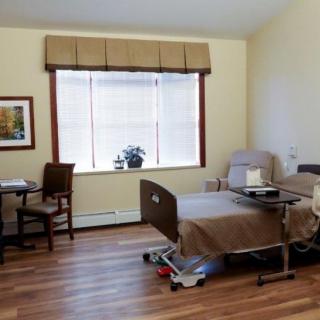
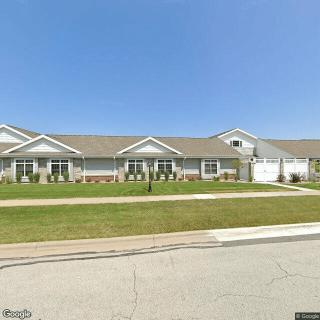
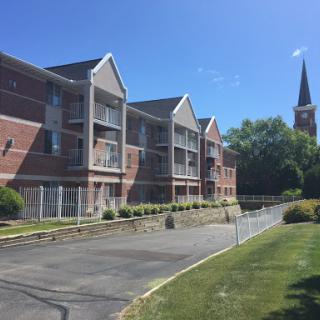
- Her one-bedroom apartment is small but clean, quiet, and well-maintained.
- There is good support for transportation to appointments, shopping trips, and other outings.
- Recreation programs are pretty good and include music by residents or visiting performers.
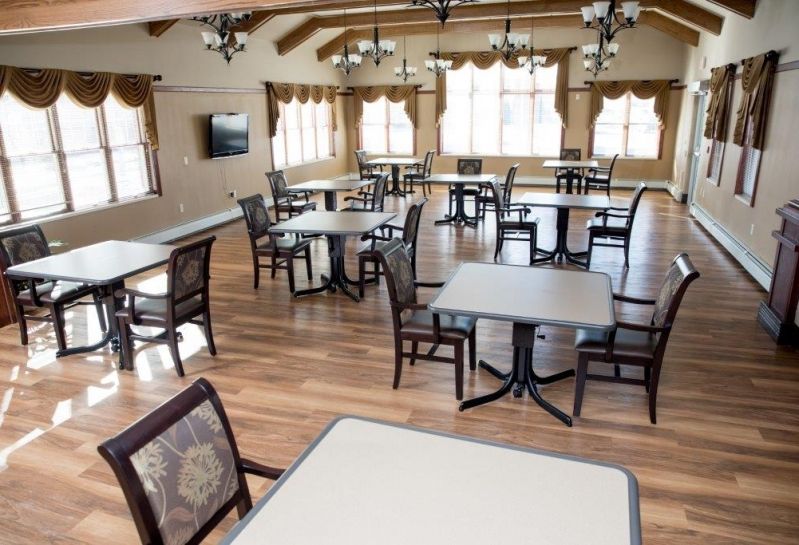
- The food is not bad either.
Cons
 There is no compassion or heart for caring for loved ones.
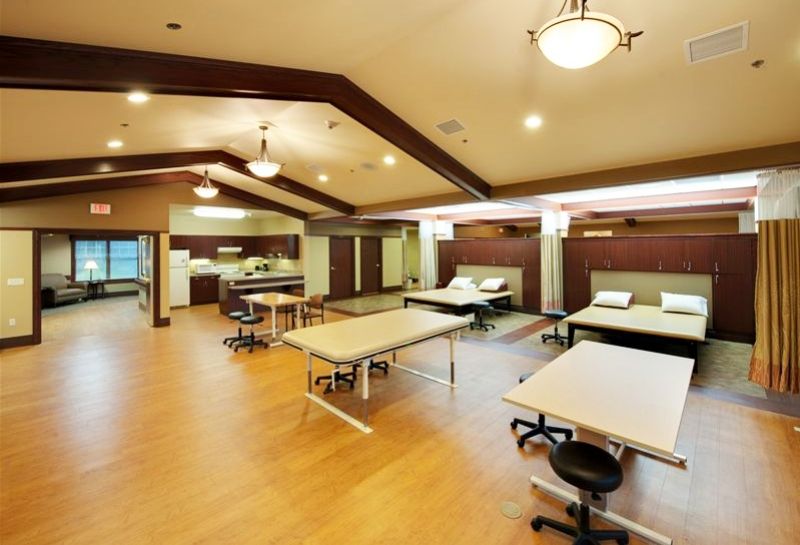
 - A therapy worker did not look through the grandmother’s chart and reinjured her shoulder during exercises.
- The staff caused fear in the grandmother and grandfather by yelling at them.
- An LPN pushed the reviewer’s mother out of the way.
- The reviewer would not take their loved ones there again.
Review
This De Pere/Green Bay assisted living community is best suited for relatively independent seniors who want dependable transportation, a steady schedule, and an active social life, with the understanding that they will receive professional support when needed. It works well for residents who value clean, quiet living spaces, well-kept common areas, and a calendar that includes music, outings, and organized activities. Families should consider alternatives if care needs threaten to outpace what the staff can reliably provide, or if a consistently high level of compassionate, hands-on care is non-negotiable.
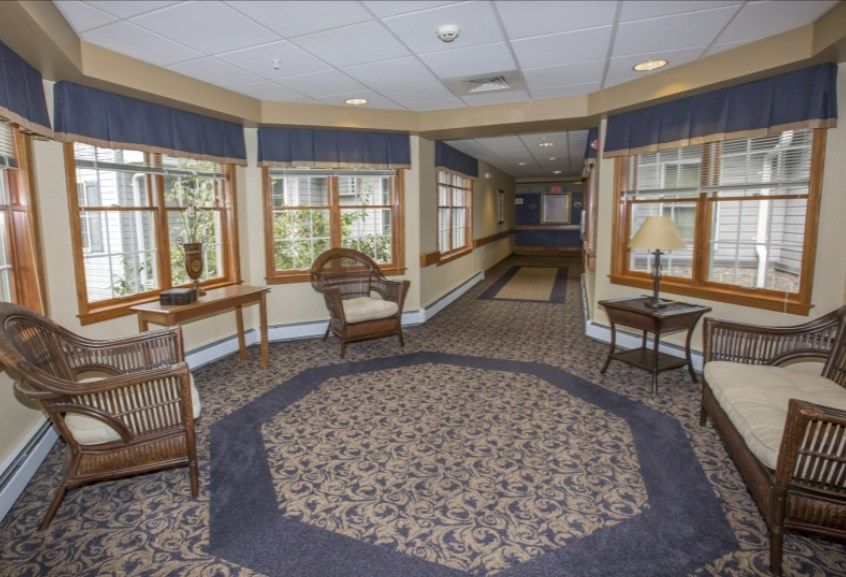
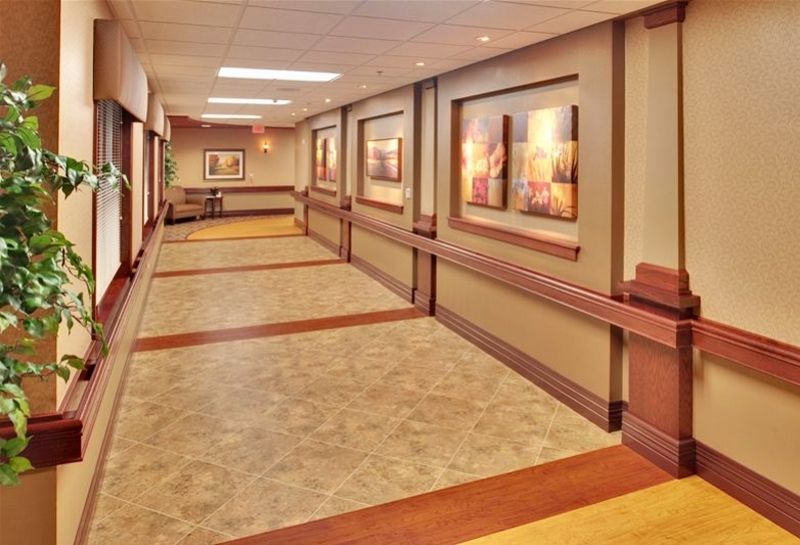
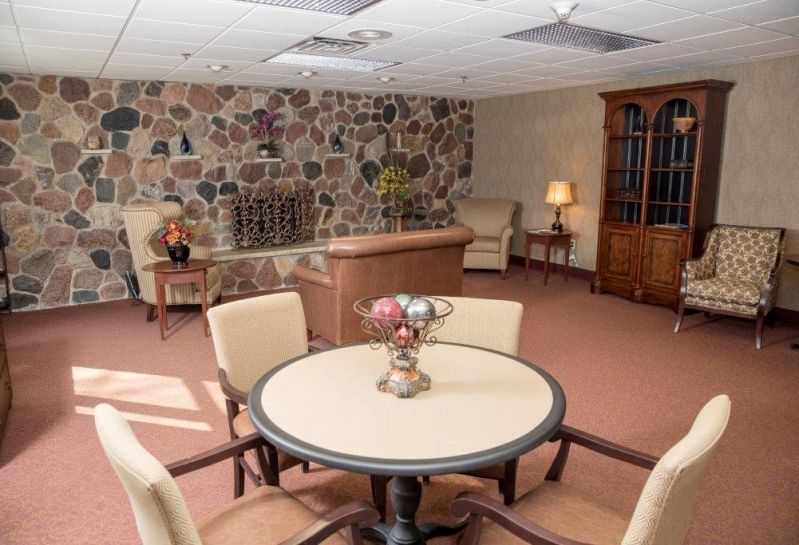
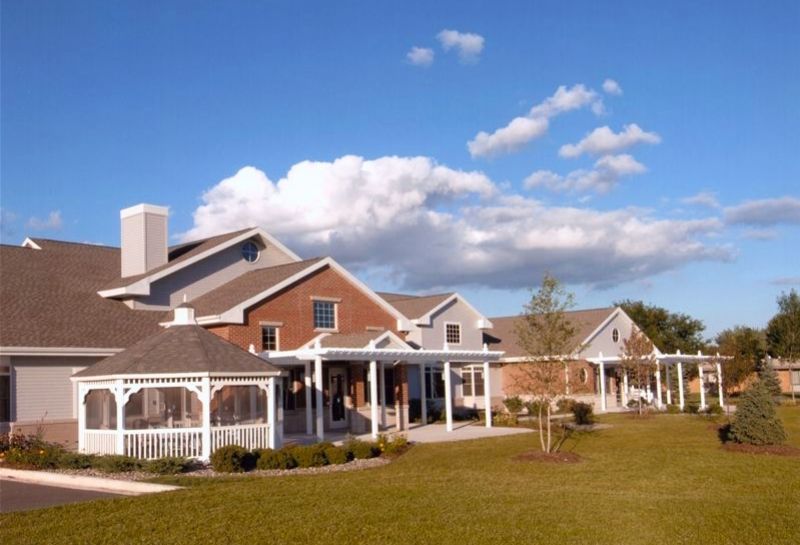
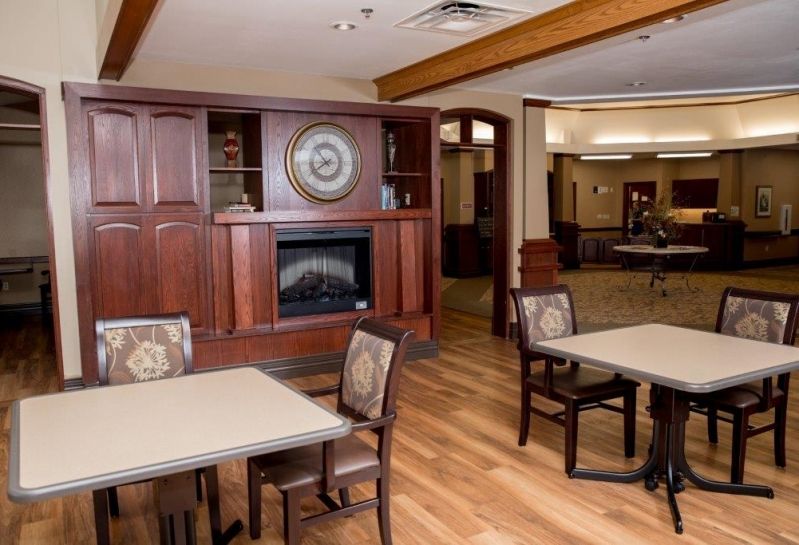
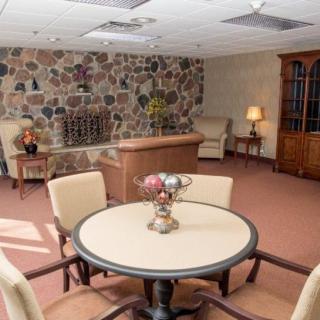
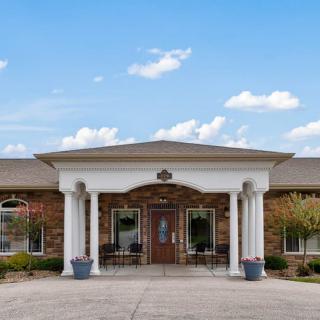
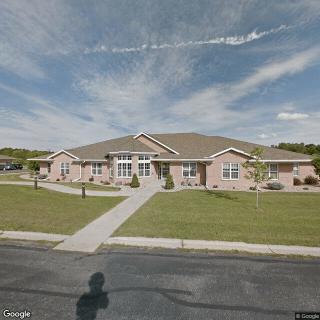
On balance, the strongest positives are the care team’s devotion and the facility’s maintenance. Reviewers repeatedly highlight thoughtful staff and well-maintained spaces, plus practical benefits such as transportation to appointments and shopping, and a range of outings and recreational programming. The apartments are described as clean and quiet, with a pleasant atmosphere in common areas. Food is noted as above-average, and the overall environment supports social engagement, which can help maintain mood, motivation, and independent functioning for many residents.
However, there are significant caveats tied to safety, consistency, and trust in day-to-day caregiving. Several reviewers recount troubling experiences with staff, including an incident where a therapy worker did not review a chart and inadvertently reinjured a resident, underscoring gaps in clinical oversight. Other accounts describe fear or distress around certain LPN staff, and even direct staff missteps such as being pushed aside during a family visit. One heat-related neglect claim further complicates the risk calculus. Such episodes are not universal, but they are highly salient for families evaluating whether the level of risk aligns with their loved one’s needs and expectations.
These competing elements, strong social programming and reliable logistics on one hand, and real safety and trust concerns on the other, create a mixed value proposition. For a resident who thrives on activities, values transportation support, and can tolerate variability in personal attentiveness, the pros may outweigh the cons. Yet for anyone whose loved one requires very consistent, compassionate, and meticulously supervised care, the negatives cannot be dismissed. The setting can feel robust in theory, but actual day-to-day experience may vary enough to influence long-term satisfaction and safety.
Prospective families should approach with a concrete checklist. Observe staffing patterns at different times of day and week, and ask about nurse practitioner or physician oversight, care-plan reviews, and incident reporting culture. Request direct feedback from current residents or family members who interact regularly with caregiving staff. Inspect the resident kitchen and dining areas, and sample a meal during a visit. Review transportation reliability, including wait times and flexibility for appointments or shopping trips. Finally, verify what steps are in place to prevent charting oversights, ensure proper chart access for clinicians, and handle concerns about staff behavior swiftly and transparently.
In the end, this community can deliver meaningful value to those who prize activity, transportation, and a clean, social living environment and who are comfortable with a spectrum of caregiving consistency. The strongest caution is clear: when care demands rise or trust in staff consistency frays, alternatives become more compelling. Families should weigh the importance of robust, uniformly compassionate care against the appeal of strong programming and logistics. For the right resident, this community can be a solid fit; for others, it warrants exploring other options before committing.
 71 resident community capacity
 Assisted Living
 Respite Care
 Skilled Nursing Facility
 Air-conditioning
 Beauty salon
 Cable or satellite TV
 Computer center
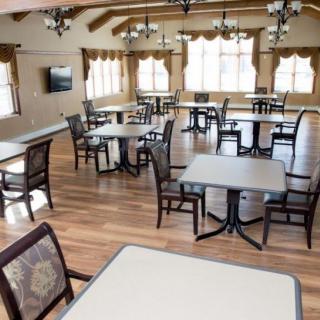
 Dining room
 Fitness room
 Fully furnished
 Gaming room
 Garden
 Housekeeping services
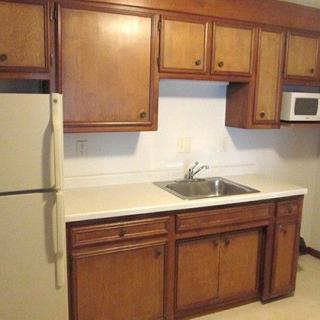
 Kitchenette
 Move-in coordination
 Outdoor space
 Private bathrooms
 Restaurant-style dining
 Small library
 Telephone
 Wellness center
 Wi-Fi/high-speed internet available
 Austin Straubel International (3 miles away)
 Community operated transportation
 12-16 hour nursing
 24-hour call system
 Activities of daily living assistance
 Assistance with bathing
 Assistance with dressing
 Assistance with transfers
 Diabetes diet
 Medication management
 Mental wellness program
 Special dietary restrictions
 Concierge services
 Planned day trips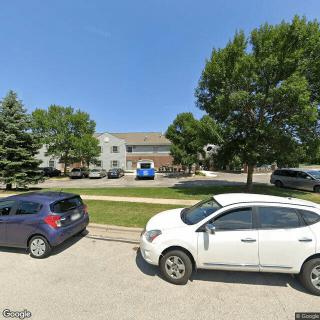



 Understanding the Distinctions: Assisted Living and Memory Care Explained
 Guiding Elderly Parents Who Refuse Assisted Living: 6 Practical Steps
 Your Comprehensive Guide to Luxury Assisted Living: Elevated Facilities, Amenities, and Costs