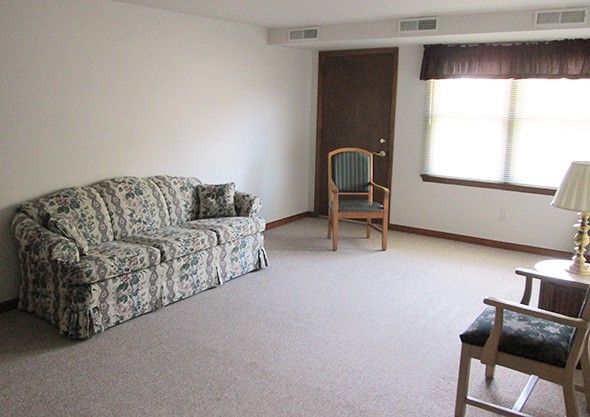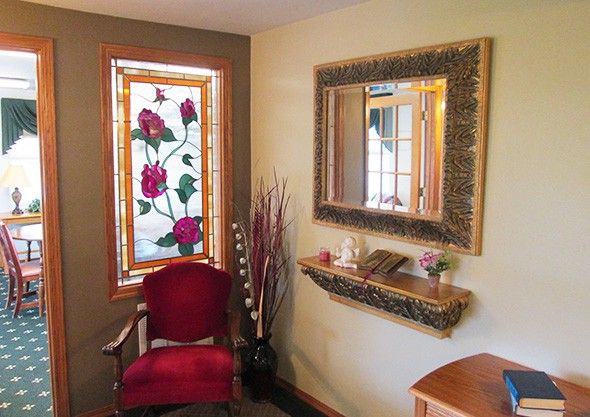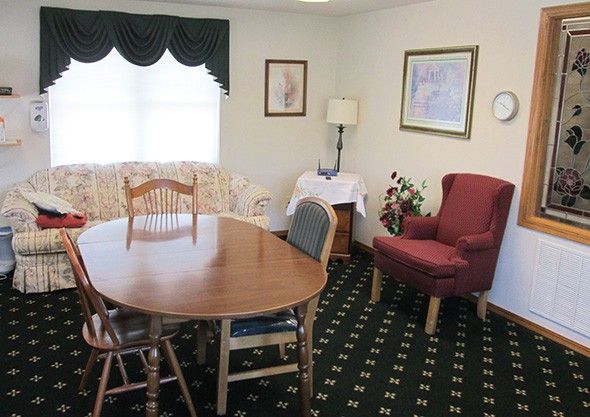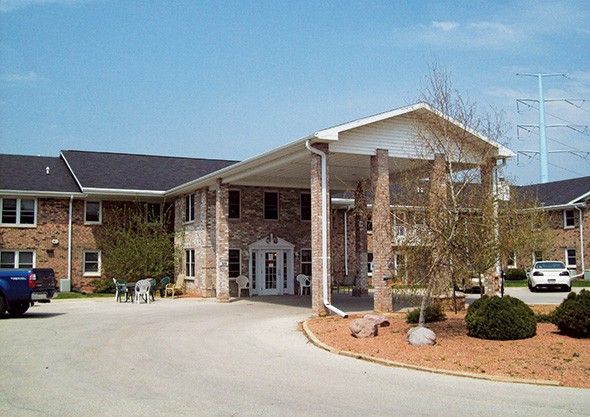


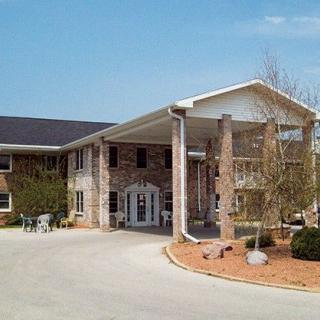
525 North 10th Street, De Pere, WI 54115
For more information about senior living options: (866) 208-4318
Overall Review of Birch Creek
Pros
 The activity department is awesome.
- They motivate folks every day.
- People love them.
Cons
 The caregiver was disgusted by the facility's condition and cleanliness.
- The facility hadn't been cleaned in 30 years.
- The walls looked like they were crumbling.
- Bed bugs were present after attempts to remove them.
- Residents were reportedly still in their rooms during pest control.
- The reviewer wouldn't even send their enemies there.
- They advised others not to send or keep loved ones there.
Review
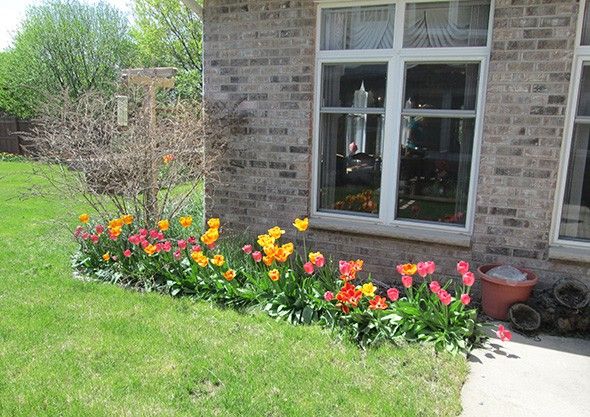
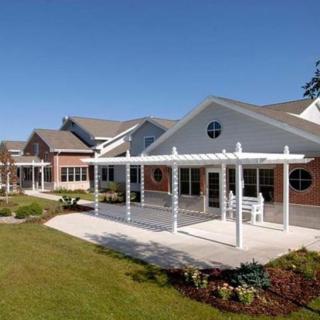
Birch Creek in De Pere, WI is best suited for seniors who prize an active social life and daily programming, and who can tolerate older, less-polished surroundings. The community’s standout strength is the activity department, which is described as engaging, motivating, and consistently capable of drawing residents into meaningful daily participation. For families seeking vigorous programs that keep a resident mentally and socially engaged, Birch Creek offers a compelling fit. The atmosphere benefits those who respond well to structured events, group outings, and the cadence of a busy activity calendar, even if the physical environment isn’t showroom clean.
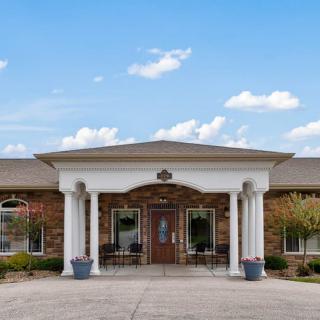
Yet this is a facility where cleanliness and upkeep become the defining tradeoffs. One caregiver’s report paints a stark contrast: a deteriorated environment, walls that crumble, and a building that feels like it has not been properly cleaned in years. Bed bugs add a high-risk layer, with claims that disinfection attempts were underway while residents remained in their rooms. That combination, pest control challenges intersecting with visible deferred maintenance, signals ongoing risk and creates a perception of instability in daily living spaces. Families should explicitly weigh whether a resident can thrive socially while safety and hygiene concerns persist.
The tone from staff appears mixed. The only three-star or worse feedback points toward frontline engagement gaps, with a blunt comment equating employment here to “a job.” That sentiment matters because it may translate into inconsistent quality of care or variable responsiveness, especially during emergencies or busy shifts. When care quality aligns with the energy of the activity team, life in the community can feel vibrant; when that energy is not matched by maintenance or staffing consistency, the gaps widen quickly. This tension between lively programs and faltering infrastructure is the core tension families must evaluate.
On balance, the positives, especially the activity program, partially offset the main drawbacks but do not fully neutralize them. A robust activity slate can meaningfully improve mood, reduce isolation, and help residents maintain a sense of purpose. However, no amount of programming can fully compensate for unresolved sanitation issues, pest history, and structural concerns that impact daily living and safety. Prospective residents who require a consistently clean, well-maintained environment with stringent infection control should question whether the current level of investment in housekeeping and facility upkeep aligns with those expectations. The gap between programming vitality and environmental risk is the defining calculation.
For families seriously considering Birch Creek, several concrete steps are prudent. Schedule a tour at multiple times to observe housekeeping, maintenance responsiveness, and pest-control logs in real time. Request a detailed remediation plan with specific timelines and milestones for cleanliness improvements, wall repairs, and pest management, and ask to see third-party inspection results or state compliance documentation. Probe management about staffing consistency, turnover, and how care plans are monitored when the activity department is fully occupied. If these assurances and improvements cannot be demonstrated convincingly, it is wise to explore alternatives that emphasize pristine environments and proven safety records, even if that means sacrificing some level of daily programming.
In summary, Birch Creek delivers genuine value for residents who value daily social engagement and do not require a spotless, hospital-clean atmosphere. The best-fit candidate is someone who can thrive in a lively, community-centered setting while tolerating, or actively participating in, ongoing improvements to cleanliness and safety. For families prioritizing immaculate facilities and airtight infection control, alternatives are strongly worth pursuing. The decision hinges on whether the resident’s well-being can be sustained through robust activities and social connection without accepting persistent environmental shortcomings.
 80 resident community capacity
 Assisted Living
 Memory Care
 Air-conditioning
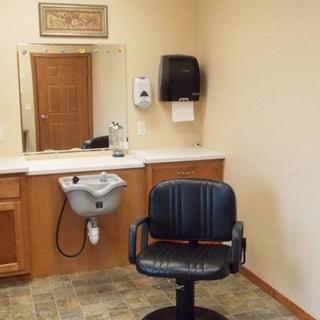
 Beauty salon
 Cable or satellite TV
 Computer center
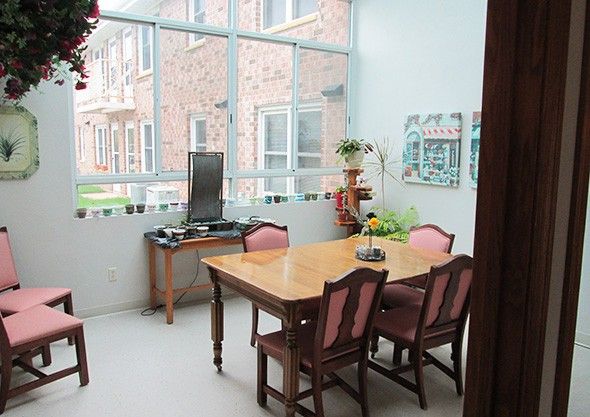
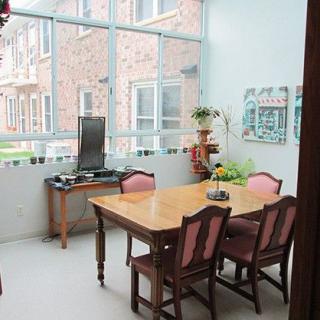
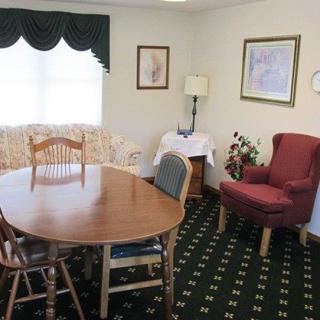
 Dining room
 Fitness room
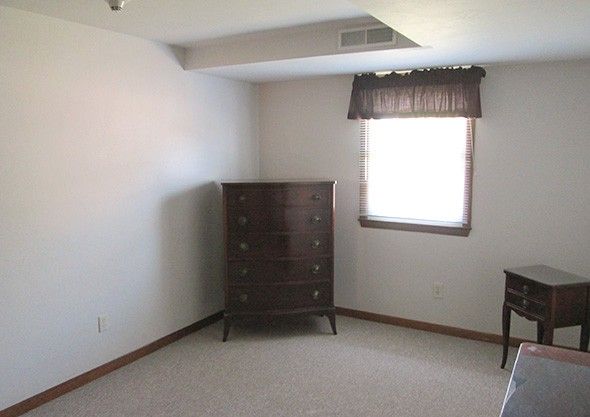
 Fully furnished
 Gaming room
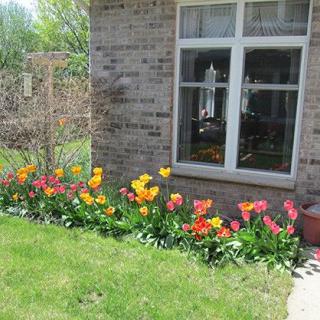
 Garden
 Housekeeping services
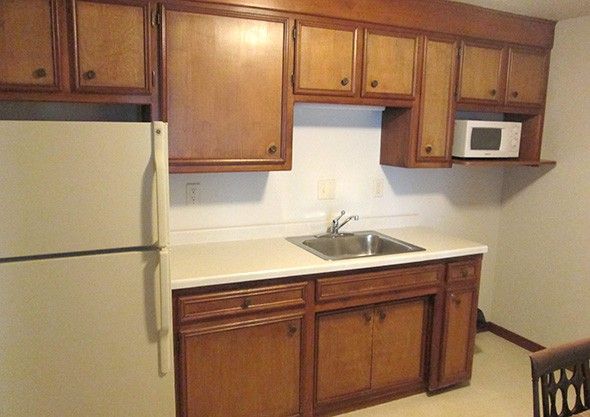
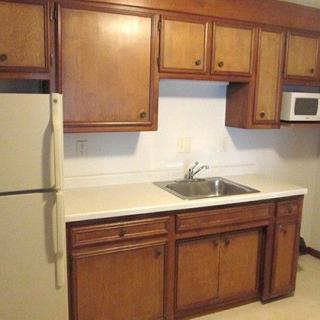
 Kitchenette
 Move-in coordination
 Outdoor space
 Private bathrooms
 Restaurant-style dining
 Small library
 Telephone
 Wellness center
 Wi-Fi/high-speed internet available
 Austin Straubel International (3 miles away)
 Community operated transportation
 12-16 hour nursing
 24-hour call system
 Activities of daily living assistance
 Assistance with bathing
 Assistance with dressing
 Assistance with transfers
 Diabetes diet
 Medication management
 Mental wellness program
 Special dietary restrictions
 Concierge services
 Planned day trips
 Understanding Dementia Through Its Seven Stages: A Comprehensive Look at Progression and Expectations
 A Holistic Dementia Care Guide: Effective Strategies for Memory Support
 Comprehensive Insights into Activities of Daily Living (ADLs) and Their Assessment