
23495 State Highway 64, Cornell, WI 54732
For more information about senior living options: (866) 208-4318
Overall Review of Carrells Country Living II
Pros
 They appreciated Bill Sr. for taking them on a ranger ride through the land that may be for sale.
- They enjoyed a good afternoon of conversation.
- They were grateful for the thanks again.
Review
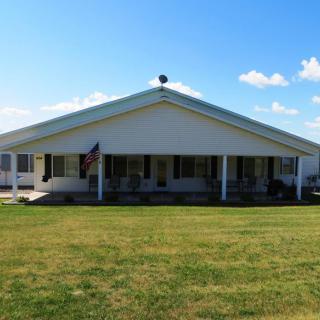
This community is best suited for seniors who want a small, intimate, country living experience in Cornell and place a premium on personal attention from staff. The strongest signal from the reviews is a hands-on, neighborly vibe: staff members who engage directly with families, a sense that conversations matter, and opportunities to connect with the land and outdoor surroundings. For residents who value ongoing, low-key social interaction, flexible day-to-day routines, and a home-like atmosphere over a polished, hotel-style setting, Carrells Country Living II offers a tangible sense of belonging.
Those who may want to consider alternatives are a bit clearer in need. Families balancing care needs with robust, structured programming, or demanding a broader range of on-site amenities, may find other assisted living options more aligned with expectations. The single lower-rated review creates a caution flag: when consistency and predictability are the priority, this setting risks feeling uneven. Prospective residents should ask hard questions about care levels, activity schedules, and how management handles complaints to determine whether the community can match their desired stability and scope of services.
The primary pros center on the human touch and the rural context. The staff’s willingness to engage, seen in conversations that feel substantive and personalized, converts into a climate where residents are known by name and feel seen. The two higher-starred reviews point to genuine moments of warmth and connection, which can translate into better mood, easier family visits, and a sense of security that a resident’s needs won’t be dismissed. The rural setting and the potential for land-based experiences, such as outdoor exploration, also add a dimension of autonomy and freedom that larger, more clinical campuses sometimes struggle to provide.
Yet the major cons are clear enough to temper expectations. The mixed experience suggested by the one-star rating implies occasional lapses in consistency, which can translate into uneven daily life for residents who depend on predictable routines. The lack of explicit detail about the level of care, programming breadth, and emergency responsiveness leaves a gap for families weighing medical and daily living needs. The rural location, while attractive for some, could complicate quick access to hospital services or specialized therapies if a resident’s condition changes, making proximity to larger medical facilities a critical criterion to verify.
The offsetting strengths, personalized attention, a home-like atmosphere, and a modest but meaningful menu of outdoor experiences, make this community a compelling fit for residents who prioritize relationship-centric care over extensive amenities. The tight-knit feel can compensate for a thinner activity calendar if the resident thrives on meaningful interactions and the chance to shape daily routines with staff input. The presence of an attentive, involved manager type (as hinted by the commendation of Bill Sr. and similar staff engagement) suggests a leadership stance that can adapt to individual resident preferences, a meaningful counterweight to any gaps in formal programming.
In the end, the decision hinges on what matters most. If a resident values direct, personable interaction, freedom to enjoy a country setting, and a smaller, more intimate community where staff know families well, Carrells Country Living II is worth a close look. If, however, a resident requires robust, hospital-level care, a full slate of on-site activities, or the reassurance of highly uniform daily routines, alternatives in larger, more resource-rich facilities should be on the table. Prospective families should visit with list in hand: inquire about care levels offered, staffing ratios, and the frequency of “good” versus “not-so-good” days; probe how emergencies are handled and how transport to medical facilities is arranged; and, critically, ask how the property, the land for sale noted in conversations, fits into long-term care planning and whether it enhances or complicates future care options.
 4 resident community capacity
 Assisted Living
 Cable or satellite TV
 Dining room
 Fully furnished
 Garden
 Housekeeping services
 Move-in coordination
 Outdoor space
 Telephone
 Wi-Fi/high-speed internet available
 Chippewa Valley Regional (24 miles away)
 24-hour supervision
 Activities of daily living assistance
 Assistance with bathing
 Assistance with dressing
 Assistance with transfers
 Diabetes diet
 Meal preparation and service
 Medication management
 Special dietary restrictions
 Transportation arrangement (medical)
 Transportation to doctors appointments



 Securing Financial Support for Assisted Living: A Comprehensive Overview
 Social Security Benefits and Assisted Living: Navigating Options Across the U.S.
 An Extensive Exploration of the VA Aid and Attendance Benefit