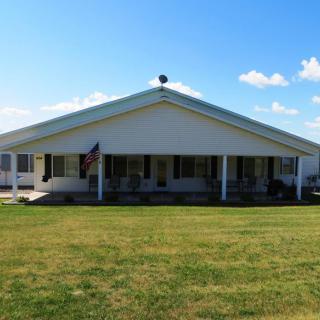
Carrells Country Living 3 in Cornell, WI

Information last verified:

21773 230Th Street, Cornell, WI 54732

For more information about senior living options: (844) 490-3973

3.8 from 5 reviews
5 stars
2
4 stars
2
3 stars
0
2 stars
0
1 stars
1

Overall Review of Carrells Country Living 3

Pros

  • pro They enjoyed a ranger ride with Bill Sr.
  • pro The afternoon of conversation was pleasant.
  • pro They appreciated Bill Sr. for the ranger ride.

Review

Carrells Country Living 3 in Cornell, WI is best suited for seniors who want a quiet, rural setting where personal attention from staff feels genuine and accessible. The snapshots available point to a homey atmosphere rather than a clinical campus, with conversations that land more like neighborly chats than scripted interactions. A notable cue is the Staff-initiated outdoor engagement, such as the ranger ride described with Bill Sr., which suggests the community values connections beyond the four walls. For residents who prize outdoor opportunities and a low-key pace, this setting can feel like a natural fit, offering a sense of place that aligns with country living.

Those weighing options should explicitly consider who may want to look elsewhere. If robust, structured programming is non-negotiable, or if medical oversight and rehabilitative services need to be reliably comprehensive on a daily basis, alternatives with larger campuses and clearer care levels may be the safer bet. The mixed sentiment evident in the overall rating implies that not every resident experienced consistent outcomes, so families seeking a broad activity calendar or a more predictable care schedule may find better matches in other communities.

From the available impressions, the strongest pros center on personal connection and a distinctive rural ambiance. The positive feedback around direct interactions , including the time spent with Bill Sr. and the willingness to facilitate an outdoor outing , signals a culture that treats residents as individuals rather than numbers. The surrounding landscape emerges as more than scenery: it represents optional, informal experiences that can enrich daily life without demanding constant movement through a packed agenda. This is the core value proposition for anyone who wants a slower, more intimate care environment.

Yet those strengths must be weighed against implied limitations. A smaller operation in a country setting can struggle to replicate the breadth of activities, specialized therapies, or turnkey support found in larger assisted living networks. For residents who anticipate or require frequent programming, scheduled social events, or readily available clinical services, the lack of explicit activity rosters and formal care pathways can be a significant drawback. The 3.8/5 rating mix underscores that some residents feel well-supported while others encounter gaps between expectation and experience.

Practical due diligence becomes the key to a sound decision. Prospective residents or their families should press for specifics on daily routines, meal options, housekeeping schedules, transportation availability, and the scope of medical oversight , including what visiting clinicians or on-site staff can provide. Ask about staff-to-resident ratios, turnover, and the cadence of activities so the day-to-day life matches the desired level of engagement. If the draw includes the land or outdoor opportunities, verify what is actually accessible and what boundaries exist for residents. These questions clarify whether the country charm translates into reliable, practical living comfort or remains a pleasant but incomplete picture.

Bottom line: Carrells Country Living 3 aligns best with seniors seeking a quiet rural lifestyle, genuine staff touchpoints, and occasional outdoor or land-adjacent engagement. It is less well-suited for those needing strong, consistent clinical care, a full calendar of activities, or a broad array of on-site amenities. For families willing to validate care capabilities and daily structures during a visit, this community can deliver a meaningful sense of belonging and independence in a country setting. If those assurances don’t materialize, it is prudent to shift attention to larger communities with clearer care levels and more robust programming.

Features

Housing

  • 4 resident community capacity 4 resident community capacity

Types of Care

  • Assisted Living Assisted LivingAssisted living facilities provide crucial support and care for seniors who may need help with daily tasks such as medication management, bathing, and meal preparation. These communities offer a safe and comfortable environment where seniors can maintain their independence while receiving the assistance they need to thrive in their golden years.

Amenities

  • Cable or satellite TV Cable or satellite TVCable or satellite TV is important for seniors because it provides entertainment, news, and companionship, helping to combat loneliness and boredom. It also offers a wide range of programming options tailored to different interests and preferences.
  • Dining room Dining roomDining rooms are important for seniors as they provide a space for socialization, connection, and nutritious meals. They offer opportunities for residents to bond over shared meals, foster a sense of community, and promote healthy eating habits. Dining rooms also ensure that seniors have access to well-balanced meals tailored to their dietary needs and preferences.
  • Fully furnished Fully furnishedFully furnished senior living communities are important for seniors because they provide convenience, comfort, and a hassle-free moving experience. Seniors can easily settle into their new living space without the stress of having to buy and move furniture. This allows them to focus on enjoying their new home and community.
  • Garden GardenGardens are important for seniors as they provide a peaceful and therapeutic environment for relaxation, physical activity, and socialization. Being in nature has been shown to reduce stress, improve mood, and promote overall well-being. Gardens also offer opportunities for seniors to engage in gardening activities, which can improve mobility, flexibility, and cognitive function. Additionally, gardens create a sense of community and connection with others who share a passion for plants and outdoor spaces.
  • Housekeeping services Housekeeping servicesHousekeeping services are important for seniors because they help maintain a clean and safe living environment, promote independence, and reduce the risk of accidents or illnesses. Additionally, having assistance with household chores can alleviate physical strain and allow seniors to focus on other aspects of their well-being.
  • Move-in coordination Move-in coordinationMove-in coordination is important for seniors because it helps ease the transition into their new living environment. It ensures that all logistics, such as packing, organizing movers, and setting up utilities are taken care of, allowing seniors to focus on settling in and adjusting to their new home. Having a smooth move-in process can alleviate stress and anxiety, making the transition smoother and more enjoyable for seniors.
  • Outdoor space Outdoor spaceOutdoor spaces are important for seniors as they provide opportunities for physical activity, social interaction, exposure to natural light and fresh air, and a sense of connection to nature. Having access to outdoor spaces can improve overall well-being and quality of life for older adults living in senior communities.
  • Telephone TelephoneTelephones are important for seniors as they provide a lifeline for communication with loved ones, emergency services, and healthcare providers. They offer a sense of security and independence, enabling seniors to stay connected and access assistance when needed.
  • Wi-Fi/high-speed internet available Wi-Fi/high-speed internet availableWi-Fi/high-speed internet is important for seniors to stay connected with loved ones, access online resources, and participate in virtual activities to combat feelings of loneliness and isolation. It also allows them to easily manage healthcare needs, access entertainment, and engage in lifelong learning opportunities.

Transportation

  • Chippewa Valley Regional (24 miles away) Chippewa Valley Regional (24 miles away)

Care Services

  • 24-hour supervision 24-hour supervision24-hour supervision is important for seniors to ensure their safety, well-being, and access to immediate assistance in case of emergencies or health issues. This constant support provides peace of mind for both seniors and their loved ones, allowing them to age in place with dignity and security.
  • Activities of daily living assistance Activities of daily living assistanceActivities of daily living assistance are important for seniors because they provide essential support with tasks such as eating, bathing, dressing, and mobility. This assistance helps seniors maintain their independence, dignity, and overall quality of life as they age.
  • Assistance with bathing Assistance with bathingAssistance with bathing is crucial for seniors as it helps maintain personal hygiene, prevents infections, and ensures their overall well-being and comfort. It also provides a sense of dignity and independence for seniors who may struggle with this task on their own.
  • Assistance with dressing Assistance with dressingAssistance with dressing is important for seniors because it helps maintain their independence, promotes personal hygiene, prevents accidents and injuries, and improves overall quality of life. This service ensures that seniors can continue to dress comfortably and confidently, despite any physical limitations they may have.
  • Assistance with transfers Assistance with transfersAssistance with transfers is crucial for seniors as it helps prevent falls and injuries, maintains their independence, and ensures they can safely navigate their living environment. It also provides peace of mind for both seniors and their loved ones.
  • Coordination with health care providers Coordination with health care providersCoordination with health care providers is crucial for seniors to ensure proper medical care, medication management, and overall well-being. This collaboration helps prevent overlapping treatments, track progress more effectively, and provide comprehensive support tailored to individual needs.
  • Diabetes diet Diabetes dietA diabetes diet is crucial for seniors as it helps manage blood sugar levels, reduce risks of complications, and improve overall health and well-being. By following a balanced and nutritious diet tailored to their specific needs, seniors can better control their diabetes and enhance their quality of life.
  • Meal preparation and service Meal preparation and serviceMeal preparation and service are crucial for seniors as they may have limited mobility or energy to cook nutritious meals. Having access to healthy and convenient food options can ensure they are getting the proper nutrition needed to maintain their overall health and well-being.
  • Medication management Medication managementMedication management is crucial for seniors to ensure they are taking the right medications at the correct dosages and times. This helps prevent adverse drug interactions, reduces the risk of medication errors, and promotes overall health and well-being. Proactive management also allows for adjustments as needed based on changing health conditions or new prescriptions.
  • Special dietary restrictions Special dietary restrictionsSpecial dietary restrictions are important for seniors because age-related changes in metabolism and health conditions can make it difficult for their bodies to process certain foods. By following a diet tailored to their specific needs, seniors can maintain their overall health and well-being, manage chronic conditions, and reduce the risk of complications such as malnutrition or food interactions with medications.
  • Transportation arrangement (medical) Transportation arrangement (medical)Transportation arrangements for medical purposes are essential for seniors as they may have difficulty driving themselves to appointments or accessing public transportation. Having reliable and safe transportation options ensures that seniors can receive timely medical care and maintain their health and well-being.
  • Transportation to doctors appointments Transportation to doctors appointmentsTransportation to doctors' appointments is crucial for seniors as it ensures they have access to necessary medical care and support for their health needs. Without reliable transportation, seniors may struggle to attend important appointments, leading to potential delays in treatment and health complications. Providing transportation services helps seniors maintain their overall well-being and quality of life.

Dining

  • Diabetes diet Diabetes dietA diabetes diet is crucial for seniors as it helps manage blood sugar levels, reduce risks of complications, and improve overall health and well-being. By following a balanced and nutritious diet tailored to their specific needs, seniors can better control their diabetes and enhance their quality of life.
  • Special dietary restrictions Special dietary restrictionsSpecial dietary restrictions are important for seniors because age-related changes in metabolism and health conditions can make it difficult for their bodies to process certain foods. By following a diet tailored to their specific needs, seniors can maintain their overall health and well-being, manage chronic conditions, and reduce the risk of complications such as malnutrition or food interactions with medications.

Activities

  • Community-sponsored activities Community-sponsored activitiesCommunity-sponsored activities are important for seniors as they provide opportunities for social interaction, mental stimulation, and physical activity. These activities can help improve overall well-being, combat loneliness and isolation, and promote a sense of belonging and purpose among older adults.
  • Scheduled daily activities Scheduled daily activitiesScheduled daily activities are important for seniors because they provide structure, socialization, mental stimulation, and physical activity. Engaging in regular activities can improve overall well-being and quality of life for seniors living in a community setting.

Description

Carrells Country Living 3 in Cornell, WI is a fully furnished assisted living community that offers a range of amenities to ensure comfort and convenience for its residents. The dining room provides delicious meals tailored to individual dietary needs, including special dietary restrictions. The housekeeping services ensure that the living spaces are clean and well-maintained.

Residents can enjoy the beautiful outdoor space and garden, providing a serene atmosphere for relaxation and socialization. Wi-Fi/high-speed internet and telephone services are available to keep residents connected with their loved ones.

The care services provided by Carrells Country Living 3 include assistance with activities of daily living, such as bathing, dressing, and transfers. The dedicated staff also coordinates with health care providers to ensure that residents receive the necessary medical attention. Medication management is offered to assist residents in taking their medications correctly.

Transportation arrangements are available for medical appointments, ensuring that residents can travel safely to and from their doctors' visits. Additionally, there are numerous parks, restaurants, places of worship, and transportation options conveniently located near the community.

Residents can participate in scheduled daily activities that cater to their interests and promote social engagement. Whether it's enjoying a walk in the nearby parks or exploring local restaurants, there are plenty of opportunities for recreation.

Overall, Carrells Country Living 3 provides a comfortable and supportive environment for seniors who require assistance with daily tasks while maintaining independence.

Nearby Places of Interest

Restaurants

  • Foster's Riverview Inn (1.3 miles)
  • The Main Scoop (3 miles)
  • Big T's North (3 miles)
  • Dylan's Dairy (3 miles)
  • Subway (3.1 miles)
  • Sandi's Drive-In (3.2 miles)
  • Sam's Place & Diner (3.2 miles)

Parks

  • Millyard Park (3 miles)
  • Chippewa Moraine Ice Age Unit (10.8 miles)
  • Morris-Erickson County Park (11.7 miles)
  • Witt Park (14.2 miles)

Places of Worship

  • First Presbyterian Church (3.2 miles)
  • Wels (3.4 miles)
  • St Johns Lutheran Church Wis Synod (3.4 miles)
  • Faith Baptist Church (3.5 miles)
  • Holy Cross Church (3.5 miles)
  • Teen Serve (6.1 miles)
  • Christian Harbor Youth Camp (7.1 miles)

Transportation

  • True To Life Taxidermy (3.4 miles)
  • Perkins Taxidermy (4.1 miles)
  • U-Haul McO 868 (7 miles)
  • Bear Taxidermy (7.5 miles)
  • Yellow River Taxidermy (11.4 miles)
  • Danville Taxidermy (12 miles)
  • U Haul MCO 868 (12.6 miles)

Cafes

  • Farmhouse Cafe & Gifts (14 miles)
  • Main Street Cafe (14.1 miles)

Physicians

  • Herman Advanced Family Eyecare (14 miles)
  • Midelfort Clinic - James R Leavitt MD (14.7 miles)
  • Marshfield Clinic Cadott Center (15.3 miles)
  • Adkins, Aron - Oakleaf Clinics Chippewa Falls (16 miles)
  • Chippewa Valley Orthopedics & Sports Medicine (16.1 miles)
  • Troy L Berg MD (16.1 miles)
  • Chippewa Center (16.1 miles)

Pharmacies

  • Home Town Pharmacy (14.1 miles)
  • Eds Pharmacy (14.1 miles)
  • Value Centers (14.1 miles)

Hospitals

  • Bloomer Medical Center (14.7 miles)
  • HSHS St. Joseph's Hospital (16.2 miles)

Frequently Asked Questions

Where is Carrells Country Living 3?

Nearby Communities

  • Carrells Country Living II

    Carrells Country Living II

    Cornell, WI

    3.8 from 5 reviews
     

    pro Small, intimate 4-resident community with 24-hour supervision, daily activities, meals, and coordinated care.

  • Carrells Country Living I

    Carrells Country Living I

    Cornell, WI

    3.8 from 5 reviews
     

    pro Comprehensive care with meals, meds, transport, and activities.

  • Carrells Country Living Town House

    Carrells Country Living Town House

    Cornell, WI

    3.8 from 5 reviews
     

    pro Specialized memory care programming and mental wellness support; 24-hour supervision with ADL assistance; dietary meals including diabetes diet; coordinated healthcare and transportation to appointments; homelike, fully furnished town-house setting with outdoor spaces.

  • Cornell Health Services

    Cornell Health Services

    Cornell, WI

    3.8 from 4 reviews
     

    pro 24/7 supervision with ADL support and on-site dining.

  • Carrells Country Living Townhouse 2

    Carrells Country Living Townhouse 2

    Cornell, WI

    3.8 from 5 reviews
     

    pro Comprehensive memory care with 24/7 supervision in a homelike townhouse setting.

  • Ez View Adult Family Home 2

    Ez View Adult Family Home 2

    Cornell, WI


    pro Small, intimate 4-bed setting with personalized care.

  • Meadowbrook at Bloomer

    Meadowbrook at Bloomer

    Bloomer, WI

    4.5 from 96 reviews
    $6,450 to $7,350 / month

    pro Compassionate staff and an engaged administrator create a welcoming, family-like environment.

  • Country Terrace Assisted Living

    Country Terrace Assisted Living

    Stanley, WI

    3.7 from 6 reviews
    $3,500 to $4,200 / month

    pro Friendly, attentive staff; clean apartments; good family communication.

  • Meadowbrook at Chetek

    Meadowbrook at Chetek

    Chetek, WI

    4.5 from 102 reviews
    $1,660 to $1,900 / month

    pro Smooth move-in process with friendly, helpful staff and a clean, well-maintained facility.

Related Resources

  • va benefits for assisted livingAssisted Living Support for Veterans: A Complete and Detailed Overview

    The guide highlights the importance of assisted living facilities for aging veterans needing daily support, discusses unique challenges they face, and outlines available financial assistance from the VA, including the Aid and Attendance program. It emphasizes understanding eligibility criteria and navigating the VA system to access necessary benefits effectively.

  • assisted living vs skilled nursingExploring the Contrasts Between Assisted Living and Skilled Nursing

    The article compares assisted living and skilled nursing facilities, detailing their differing levels of assistance, medical support, cost structures, and day-to-day experiences. It emphasizes that assisted living is for those needing help with daily activities while maintaining independence, whereas skilled nursing facilities provide intensive medical care with 24-hour staff supervision.

  • when to move from assisted living to nursing home8 Key Indicators That Suggest It May Be Time to Transition from Assisted Living to Skilled Nursing Care

    The transition from assisted living to skilled nursing care is often prompted by complex medical needs that assisted living cannot meet, with key indicators including frequent health declines, increased falls, severe memory issues, and caregiver burnout. Families should recognize these signs early to discuss options with healthcare providers and prepare for the emotional and logistical aspects of moving to a facility that offers comprehensive medical support.