
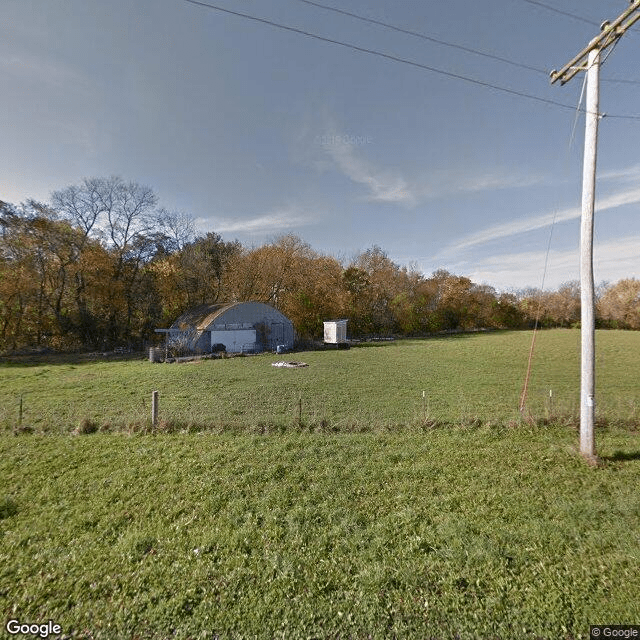
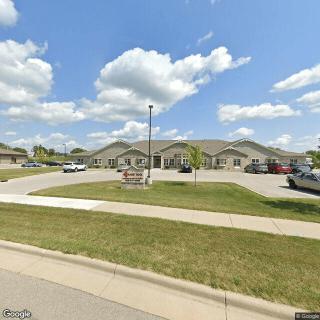
N3767 Airport Road, Cambridge, WI 53523
For more information about senior living options: (866) 208-4318
Overall Review of Autumn Winds
Pros
 The staff at Autumn Winds are caring and friendly.
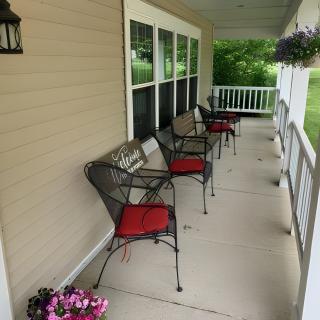
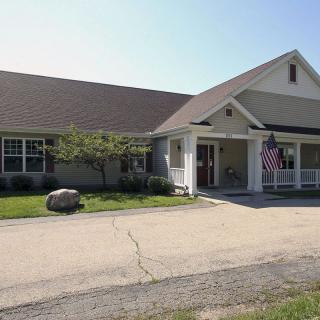
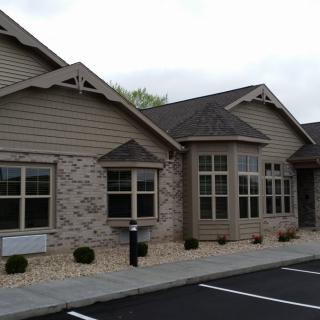
- Autumn Winds is a memory care facility with a house-in-the-woods vibe.
- The caring, friendly staff create a warm, welcoming environment.
Review
Autumn Winds in Cambridge, WI is best suited for memory-care residents who want a warm, intimate setting where caregivers appear genuinely attentive. The facility presents a house-like, woods-settled atmosphere that can feel reassuring to families seeking something less clinical and more homebound for daily living. This is a place designed around everyday routines, gentle supervision, and steady, personal interaction, rather’t a large-scale, impersonal campus. For families prioritizing a calm milieu, predictable days, and staff who seem to treat residents like individuals, Autumn Winds offers a compelling alignment.
Those evaluating alternatives should consider options that emphasize more clinical oversight or broader programming. If a resident requires extensive medical management, aggressive behavioral interventions, or a facility with a larger staff-to-resident ratio and a wider menu of on-site therapies, it is prudent to compare Autumn Winds against bigger memory-care campuses or nursing-style environments. Similarly, families seeking highly structured activities across a broad spectrum of outings or specialized rehabilitative services may not find everything they need here. In short, Autumn Winds fits a certain appetite for warmth and intimacy, but not every care scenario.
The strongest notes from the available impressions center on care quality: caring, friendly staff who operate within a memory-care framework, and a homey, woodsy setting. The memory-care designation matters, because the environment prioritizes routines, gentle redirection, and safety-first design that can reduce anxiety for residents living with memory loss. A staff team that projects approachability and steadiness tends to translate into more consistent assistance with everyday tasks, better supervision during activities, and quicker recognition of changes in condition. The combination of staff warmth and a calm, familiar vibe can meaningfully offset the inherent challenges of memory care by fostering trust and cooperative engagement.
One has to acknowledge that the published feedback is limited in scope. No explicit cons appear in the short notes available, and the small two-review sample means there is less than a full spectrum of experiences to draw from. That lack of detail should prompt families to probe during tours: inquire about staffing levels at different shifts, the thoroughness of personalized care plans, safety features in common areas and bedrooms, and the availability of meaningful, resident-driven activities. While optimism around the staff and setting is warranted, the absence of documented drawbacks does not eliminate the need for due diligence.
When the positives are weighed against the unknowns, Autumn Winds still presents a compelling case for many families. The caring, friendly staff and the cozy, house-like environment directly support comfort, safety, and daily participation, factors that often determine peace of mind for both residents and loved ones. Those benefits can compensate for a potentially narrower program slate by enabling more individualized engagement and quicker adjustment to the new routine. The woodsy, low-stimulus ambiance may also help minimize agitation and confusion, further amplifying the value of dependable caregiving.
The practical conclusion is clear: Autumn Winds is a solid choice for families prioritizing a compassionate, resident-centered memory-care experience in a small, homey setting. It serves well those who want a quieter, more intimate environment where staff relationships matter and daily life feels personally managed. However, for residents needing extensive clinical services, a broad activity portfolio, or a larger, more resource-rich campus, it is wise to explore alternatives and compare the specifics of care plans, safety features, and financial terms. A focused tour, observing staff interactions with residents and asking pointed questions about individualized care, daily rhythms, and contingency plans will reveal how well this community matches the trajectory of care required.
 10 resident community capacity
 Assisted Living
 Board and Care Home
 Memory Care
 Cable or satellite TV
 Dining room
 Fully furnished
 Garden
 Housekeeping services
 Move-in coordination
 Outdoor space
 Telephone
 Wi-Fi/high-speed internet available
 Dane County Regional (20 miles away)
 24-hour supervision
 Activities of daily living assistance
 Assistance with bathing
 Assistance with dressing
 Assistance with transfers
 Diabetes diet
 Hospice waiver
 Meal preparation and service
 Medication management
 Mental wellness program
 Special dietary restrictions
 Transportation arrangement (medical)
 Transportation to doctors appointments

 Delirium and Dementia: Unraveling the Key Differences
 Are Dementia and Alzheimer's Disease Lethal? A Comprehensive Exploration
 Exploring the Power of Reminiscence Therapy for Individuals With Dementia