For more information about senior living options: (866) 208-4318
4.4 from 24 reviews
5 stars
15
4 stars
6
3 stars
0
2 stars
3
1 stars
0
Belgium Gardens Costs & Pricing
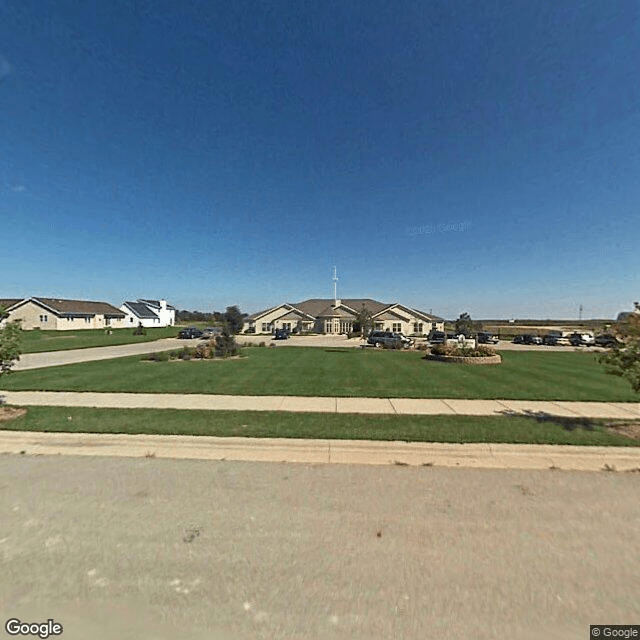
Belgium Gardens offers competitive pricing for its living arrangements, particularly when compared to both Ozaukee County and the broader Wisconsin market. For instance, the monthly cost for a studio apartment at Belgium Gardens is set at $4,250, which is notably higher than the county average of $4,022 and the state average of $3,999. Similarly, in the one-bedroom category, residents can expect to pay $5,000 per month - significantly above Ozaukee County's rate of $3,263 and Wisconsin's average of $3,412. While these costs may reflect a premium offering in terms of amenities or location at Belgium Gardens, they do position it as a more expensive option within the regional landscape.
Floor plans
Belgium Gardens
Ozaukee County
Wisconsin
Studio
$4,250
$4,022
$3,999
1 Bedroom
$5,000
$3,263
$3,412
Skilled Nursing Facilities with a similar price nearby
Residents and families of people with Alzheimer’s describe improvements in security and daily routine.
Several reviews describe a move to Belgium Gardens for mid-stage Alzheimer’s and then a noticeably better sense of safety. Families also mention a clearer daily routine, less isolation, and more engagement after the move. The community is set up to provide memory care, including programming for mild cognitive impairment and specialized memory care.
common13 reviews mention this
Staff compassion and responsiveness
Care teams are consistently described as compassionate and quick to respond to concerns.
Across most reviews, families describe staff as kind, caring, and attentive to residents’ needs. Multiple reviewers specifically call out prompt responses from management or nurses when health changes come up. One review is strongly negative about kindness and follow-through, but most others emphasize that staff interactions make the facility feel more like a home.
common9 reviews mention this
Meals are a frequent bright spot
Food is repeatedly praised as enjoyable and a reason people look forward to mealtimes.
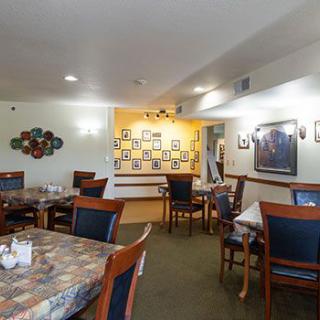
Many residents and families mention that the meals are enjoyable and that the food supports better day-to-day comfort. Several reviewers connect dining with increased routines and engagement, including less time spent watching television alone. The community offers meals and dining that support special dietary restrictions, including diabetes diets and vegetarian options.
common8 reviews mention this
Activities keep residents engaged
Daily activities help residents stay involved rather than sitting alone.
Reviews commonly describe a busy schedule with activities like games, bingo, exercise classes, walks, and crafts. Families also mention age-appropriate movie time and other social moments that reduce isolation. Residents say there are both on-site and off-site activities, along with scheduled daily activities and resident-run options.
common10 reviews mention this
Rooms feel comfortable and well kept
Residents describe comfortable, home-like rooms and families note a consistently clean environment.
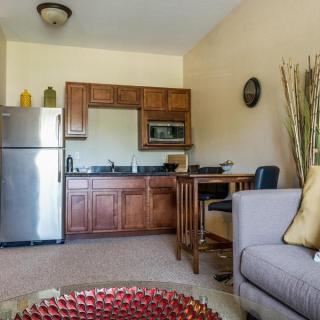
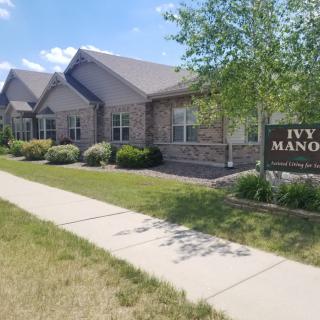
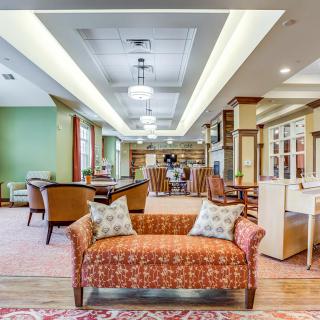
Several reviews mention comfort in the private rooms, including the feeling that it’s like being at home. Others highlight room size, additional spaces like a sun room or multiple TV/recreational rooms, and a rural setting. Multiple reviewers also emphasize cleanliness and a safe, family-friendly atmosphere, aligning with the community’s focus on housekeeping services and indoor/outdoor common areas.
How we summarize
Counts show how many written reviews mention each theme; a review can touch several themes, and only frequently mentioned themes are displayed.
Belgium Gardens offers competitive pricing for its living arrangements, particularly when compared to both Ozaukee County and the broader Wisconsin market. For instance, the monthly cost for a studio apartment at Belgium Gardens is set at $4,250, which is notably higher than the county average of $4,022 and the state average of $3,999. Similarly, in the one-bedroom category, residents can expect to pay $5,000 per month - significantly above Ozaukee County's rate of $3,263 and Wisconsin's average of $3,412. While these costs may reflect a premium offering in terms of amenities or location at Belgium Gardens, they do position it as a more expensive option within the regional landscape.
The continuous 24-hour supervision at Belgium Gardens ensures that residents are always monitored and supported, promoting a safe environment crucial for individuals with dementia or Alzheimer's. Assistance with activities of daily living, including bathing, dressing, and transfers, enables residents to maintain dignity while receiving the necessary support tailored to their capabilities. Incontinence care further underscores the commitment to personal hygiene and comfort, alleviating stress for both residents and their families. Meal preparation and service focus on nutritional needs while creating familiar dining experiences that can evoke positive memories. Medication management is vital in ensuring adherence to treatment regimens, which can stabilize cognitive function and overall well-being. The mental wellness program addresses emotional health through therapeutic activities designed specifically for those with mild cognitive impairment. Finally, specialized memory care programming fosters engagement and cognitive stimulation through tailored activities that resonate with each resident's past experiences, ultimately enhancing their quality of life.
Nearby Communities
Royal Adult Family Home
Belgium, WI
5 from 3 reviews
Small, personalized setting (4 residents) with 24-hour supervision and full daily living support.
Highland
Port Washington, WI
Fully furnished apartments with meals, garden setting, and personalized care.
Cedar Grove Gardens II
Cedar Grove, WI
4.1 from 15 reviews
$4,250 to $5,000 / month
Professional, caring staff in a homey environment with personalized care and engaging activities.
Cedar Grove Gardens I
Cedar Grove, WI
4.2 from 19 reviews
$4,250 to $5,000 / month
Caring staff, good meals, and a clean, spacious environment with ample amenities.
Forest Haven
Fredonia, WI
4.5 from 17 reviews
$4,000 to $4,400 / month
Professional, caring staff in a clean, welcoming environment with engaging activities and strong family communication.
Woodland View Estate
Fredonia, WI
$3,355 / month
Affordable pricing with comprehensive assisted living and memory care plus rich on-site amenities.
Anita's Gardens of Port Washington
Port Washington, WI
3.7 from 3 reviews
$3,200 / month
Caring staff in a spacious, well-designed memory-care setting.
Ellens Home Port Washington
Port Washington, WI
4.2 from 49 reviews
$4,000 to $4,400 / month
Caring, compassionate staff in a clean, home-like setting.
Reminiscence therapy helps individuals with dementia recall past memories through structured discussions and meaningful objects, enhancing mood, relationships, and sense of identity while celebrating their lives. It can be practiced in formal settings or at home, requiring sensitivity to personal histories and cultural backgrounds.
Reminiscence therapy is a structured method for older adults, especially those with dementia, to share life stories using prompts and sensory cues, fostering emotional well-being, social engagement, and self-identity. It aims to improve quality of life by enhancing interpersonal connections and cognitive stimulation while requiring careful facilitation to avoid distressing memories.
Dementia, particularly Lewy body dementia, often involves hallucinations that can significantly distress both patients and caregivers due to disruptions in sensory processing and neurotransmitter imbalances. Effective management includes compassionate communication, environmental adjustments, and a multidisciplinary approach to care while addressing the emotional needs of caregivers.
Get PricingAsk A QuestionSchedule A TourContact Senior Advisor
By clicking submit, you agree to our Partner's Terms of Use. You
also consent to receive calls and texts, which may be autodialed, from our Partner. Your consent is not a condition to
using our Partner's service. Please visit our Partner's Privacy Policy for information about their privacy practices.

 22 resident community capacity
 1-bedroom apartments
 Assisted Living
 Memory Care
 Skilled Nursing Facility
 Activities off-site
 Beautician on-site
 Cable or satellite TV
 Devotional services off-site
 Dining room
 Fully furnished
 Garden
 Housekeeping services
 Indoor common areas
 Kitchenette
 Laundry
 Move-in coordination
 Outdoor common areas
 Respite or short term stays offered
 Restaurant-style dining
 Small library
 Telephone
 Wheelchair accessible showers
 Wi-Fi/high-speed internet available
 Transportation & parking
 24-hour call system
 Assistance with bathing
 Assistance with dressing
 Assistance with transfers
 Diabetes diet
 Diabetic care
 Incontinence care
 Medication management
 Mental wellness program
 Special dietary restrictions
 English
 Small, personalized setting (4 residents) with 24-hour supervision and full daily living support.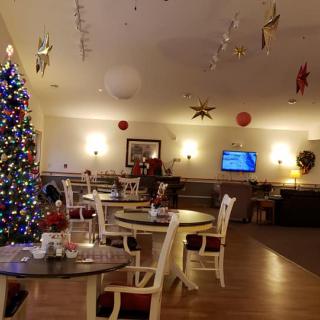
 Exploring the Power of Reminiscence Therapy for Individuals With Dementia
 An In-Depth Look at Reminiscence Therapy in Dementia Care
 Dementia-Related Hallucinations: Causes, Experiences, and Practical Approaches