

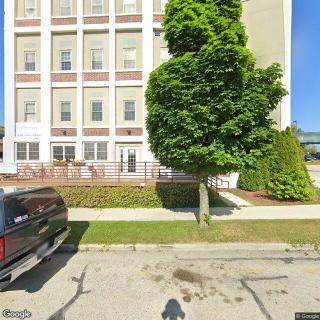
626 Van Altena Ave, Cedar Grove, WI 53013
To contact a resident: (920) 668-6400
For more information about senior living options: (866) 208-4318
Cedar Grove Gardens II Costs & Pricing
Cedar Grove Gardens II offers a range of living options with pricing that reflects its unique amenities and services. For instance, the monthly cost for a studio is $4,250, which surpasses both the Sheboygan County average of $3,758 and the state median of $3,999. Similarly, the one-bedroom units are priced at $5,000, significantly higher than the county's average of $3,898 and Wisconsin's state average of $3,412. This premium pricing likely corresponds to the quality of care and lifestyle enhancements available at Cedar Grove Gardens II, positioning it as a choice for those seeking an elevated experience in senior living.
| Floor plans | Cedar Grove Gardens II | Sheboygan County | Wisconsin |
|---|---|---|---|
| Studio | $4,250 | $3,758 | $3,999 |
| 1 Bedroom | $5,000 | $3,898 | $3,412 |
Skilled Nursing Facilities with a similar price nearby
-
About the same

Belgium Gardens
$4,250 to $5,000 / month5.5 miles away -
About the same
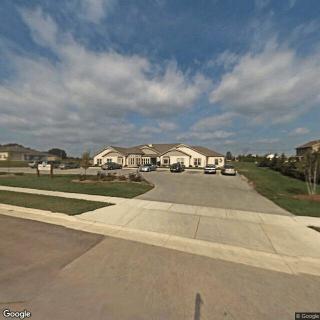
Cedar Grove Gardens I
$4,250 to $5,000 / month0.1 miles away -
from -$700 / mo

Cedarhurst of Jackson
$3,550 to $4,700 / month24.5 miles away -
from -$250 / mo
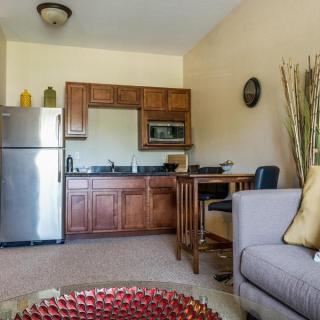
Lincoln Village Senior Living
$4,000 to $5,000 / month13.3 miles away -
from +$530 / mo

Ivy Manor of West Bend
$4,780 to $5,380 / month20.8 miles away
Overall Review of Cedar Grove Gardens II
Pros
 The staff is professional, kind, and caring, and goes the extra mile for residents.
- The food is delicious and nutritious.
- The facility feels like a well-run home-away-from-home.
- The manager takes the time to show visitors around and explain everything.
- Residents have positive comments about the care and staff interactions.
- The caregiver-to-patient ratio is very good, enabling individualized attention.
Cons
 Do not send your loved ones here. Some of the staff are great but many of them and the management are subpar.
- The care there is very spotty at times, with the daytime staff hard to find and residents sometimes getting no help when asked.
- The facility does not have enough parking.
Review
Cedar Grove Gardens II is best suited for families seeking a small, home-like assisted living experience where residents receive highly individualized attention, strong social engagement, and meals that feel like home. The community shines for seniors who value a warm, community-focused atmosphere and staff who appear genuinely invested in daily comfort and well-being. Reviews consistently highlight a homey milieu, approachable management, and a culture in which residents are greeted with smiles and everyday interactions feel personal. The facility’s compact size translates into frequent, meaningful staff-resident contact, and dining experiences receive praise for both taste and nutrition. For families prioritizing a sense of belonging and consistent, caring presence over flashy amenities, Cedar Grove Gardens II stands out as a practical, reassuring choice.
Nonetheless, there are clear reasons to consider alternatives depending on the loved one’s needs. Residents who require higher levels of medical oversight, complex wound care, or behaviors that demand secure, specialized memory care may find this setting less suited to their daily realities. Several reviews note variability in daytime staffing and occasional gaps in assistance, which can be challenging for families accustomed to around-the-clock reliability. Parking constraints and other logistical trade-offs also surface in some observations, signaling that not every family will find the overall package ideal, particularly if mobility or transportation access is a critical factor. For those prioritizing aggressive clinical services or a larger campus with extensive on-site therapy, exploring other options is prudent.
The strongest pros, high caregiver-to-resident attention, a straightforward, well-run operation, and standout cuisine, work powerfully to offset the noted drawbacks. The small scale enables staff to know residents well, tailor routines, and respond with immediacy to requests, which translates into meaningful daily stability for many occupants. The staff’s professional demeanor and genuine care are repeatedly cited as a core benefit, and the home-like ambiance helps minimize confusion and agitation for residents who value routine and personal connection. The quality and consistency of meals also contribute to a sense of comfort and regular satisfaction, reinforcing overall morale and residents’ willingness to engage in activities and socialize.
Yet the environment isn’t without trade-offs. An uneven distribution of caregiving during the day can create moments when assistance feels less accessible, particularly for visitors who drop in during peak activity shifts. This inconsistency appears to improve in the evenings in some accounts, but the variance remains a practical consideration for families balancing supervision needs with the resident’s schedule. The facility’s approach to safety, such as not accepting “exit-seekers”, can be a double-edged sword: it reduces wandering risks for residents and staff but may feel restrictive for relatives seeking flexible mobility or less structured routines. Weighing these policy choices against personal comfort with safety versus freedom is essential.
For families evaluating Cedar Grove Gardens II, a structured, incident-focused visit is essential. Prospective residents should tour at different times to observe how staff interact with people in the morning and afternoon, request to see a recent menu, and ask about incident rates or patterns in care delivery. Direct discussions about parking availability, transportation assistance, and room readiness provide practical clarity. Inquire about the spectrum of services offered on site and the facility’s ability to accommodate evolving needs, including any memory care components, therapy services, or on-site medical oversight. Concrete examples from staff during conversations can illuminate how the community handles shifts, dietary needs, and social programming.
In the end, Cedar Grove Gardens II offers a compelling option for families seeking a modest, well-managed environment where warmth, attentiveness, and quality meals anchor daily life. It is particularly well suited for residents who thrive on personal attention, familiar routines, and social stimulation within a smaller footprint. Those with higher medical complexity, stringent mobility requirements, or a strong preference for expansive amenities and flexible wandering policies may want to compare other communities with broader clinical staffing, larger campuses, or more liberal safety and access policies. The right fit emerges when the specific balance between individualized care, safety protections, and logistical realities aligns with the resident’s needs and family expectations.
 Studio apartments
 Assisted Living
 Memory Care
 Skilled Nursing Facility
 Activities off-site
 Bath tubs
 Beautician on-site
 Devotional services off-site
 Dining room
 Garden
 Housekeeping services
 Indoor common areas
 Laundry
 Outdoor common areas
 Respite or short term stays offered
 Wheelchair accessible showers
 Transportation & parking
 Diabetic care
 Incontinence care
 Medication management
 Meals provided
 English


 Why Do Dementia Patients Sleep So Much? Understanding Oversleeping, Stages, and Care Approaches
 8 Key Indicators That Suggest It May Be Time to Transition from Assisted Living to Skilled Nursing Care
 Nourishing the Mind: Essential Dietary Approaches for Dementia