
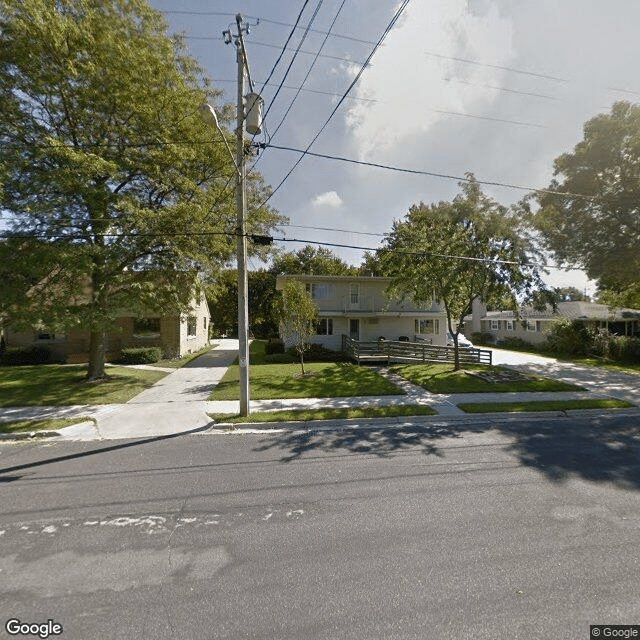
21 N 12th St, Oostburg, WI 53070
To contact a resident: (920) 564-6111
For more information about senior living options: (866) 208-4318
Overall Review of Hometown Retirement Inc
Pros
 Oostburg Financial Services is highly recommended.
- They made the process easy and understandable.
- The staff provides great service and is attentive to clients' needs and risk tolerance.
- They are great partners in wealth building.
Review
Hometown Retirement Inc in Oostburg, WI is best suited for retirees who want retirement living with a clearly mapped financial path and a team that listens closely to risk tolerance. The community’s standout message centers on simple, understandable processes and a collaborative approach to wealth management, which reduces anxiety during a major life transition. Families prioritizing transparency, predictability, and hands-on assistance in budgeting and benefits will find the onboarding and ongoing interaction notably reassuring. This is not a generic, one-size-fits-all option; it is tailored for those who place financial clarity as a core element of daily life in a senior living setting.
Those weighing alternatives should note that the strongest fit here is not a broad spectrum of care features but rather a finance-forward experience. If the priority includes robust in-house clinical care, memory care, or a wide menu of on-site services, comparisons with other communities will be essential. The review pool does not address medical programs, care levels, daily activity calendars, or housing configurations in concrete terms, so families needing detailed information on these elements may want to explore options that foreground care depth and resident life programming. In short, this community excels for financial planning-minded buyers, while others may seek environments with more explicit care offerings.
The key pro is clear and approachable financial navigation. Onboarding is described as easy and understandable, removing jargon and guesswork that can derail a move to assisted living or independent living with supports. The staff is portrayed as great, attentive to individual needs and to risk tolerance, creating a sense that residents are heard and their financial plans are customized. The partnership angle, positioned as “wealth-building” support, suggests more than routine budgeting, signaling long-term security, stability, and informed decision-making about costs, benefits, and potential future needs. For families who must align living arrangements with tighter budget constraints, these strengths translate into tangible peace of mind.
Where the reviews fall short, the practical impact hinges on expectations about on-site care and life enrichment. The absence of explicit information about the depth of clinical services, caregiving staff ratios, activity programming, or housing options means potential residents must actively verify these basics. Yet the very strengths that fuel confidence in the financial pathway also provide a buffer: a responsive, guiding staff can help families model scenarios, compare long-term costs, and plan for contingencies if care needs evolve. The upshot is that the most meaningful offset comes from the combination of transparent processes and individualized attention, the kind that makes cost conversations, benefit selections, and transitions less taxing during a vulnerable period.
For decision-makers, the path forward is practical and targeted. Start by requesting a concrete walkthrough of the financial planning process, including sample budgets, fee schedules, and how future care costs would be integrated into the plan. Inquire whether there is an in-house financial advisor dedicated to residents or preferred referrals and what flexibility exists in adjusting plans as needs change. Seek candid answers about the range of on-site services, what is included in monthly costs, and how price stability is addressed. Finally, talk to current residents or families about how well the financial process supported daily life and long-term security, real-world experiences matter when futures hinge on affordability.
Bottom line: this community stands out for residents and families who prize financial clarity, transparent processes, and staff-driven alignment to risk tolerance. The combination of easy navigation, attentive personnel, and wealth-building partnerships makes a compelling case for those approaching retirement living with a focus on predictable budgeting and informed decision-making. For families whose priorities include strong clinical care, broad on-site amenities, or aggressive price targets, alternatives should be explored to ensure those needs are met. A visit to Oostburg with a prepared list of questions about care levels, activities, and precise fee structure will reveal how well this model integrates money management with daily living.
 Independent Living


 A Detailed Examination of Nursing Home Costs Across the U.S.
 Exploring Nonmedical Home Care: Understanding Services, Costs, and Financial Approaches
 Engaging Brain Games and Innovative Apps to Keep Senior Minds Active