
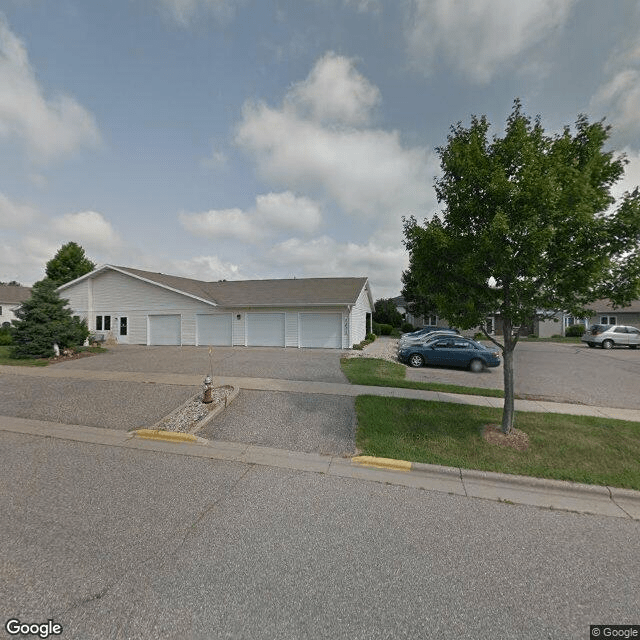
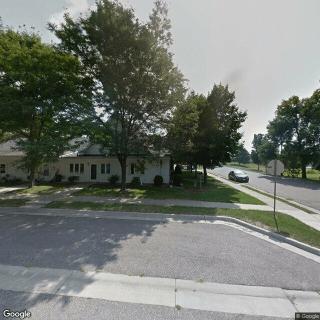
1331 15th Street, Baraboo, WI 53913
To contact a resident: (608) 798-4516
For more information about senior living options: (866) 208-4318
Gateway Community Gardens Costs & Pricing
At Gateway Community Gardens, the monthly costs for housing provide an attractive alternative compared to both Sauk County and the broader state of Wisconsin. For a one-bedroom unit, residents can expect to pay $675, significantly lower than the county average of $2,620 and the state average of $3,412. Similarly, for a two-bedroom unit priced at $890, Gateway Community Gardens remains competitive against the county's rate of $2,724 and Wisconsin's average of $3,111. These affordable rates not only enhance living accessibility but also represent a valuable opportunity for individuals and families seeking quality housing without compromising their budget.
| Floor plans | Gateway Community Gardens | Sauk County | Wisconsin |
|---|---|---|---|
| 1 Bedroom | $675 | $2,620 | $3,412 |
| 2 Bedrooms | $890 | $2,724 | $3,111 |
Senior living communities with a similar price nearby
-
from -$100 / mo

Deer Run Apartments
$575 to $675 / month13.0 miles away -
from +$35 / mo
Williamstown Bay - DeForest
$710 to $905 / month24.8 miles away -
from +$100 / mo
Cannery Row Senior Apartments
$775 to $925 / month24.2 miles away -
from -$80 / mo
Jefferson Pines Building 2
$595 to $670 / month0.6 miles away -
from -$125 / mo
Jefferson Pines Building 1
$550 to $625 / month0.6 miles away
Overall Review of Gateway Community Gardens
Pros
 They are a good outfit.
- They have good maintenance.
- They are decent people.
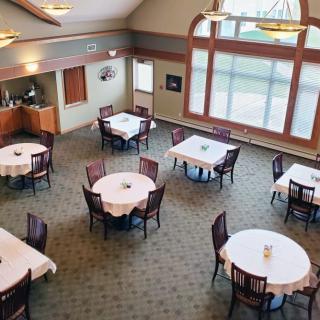
- The community offers independent living with a meeting place where residents can gather.
- They provide affordable, well-sized units with garages.
- Neighbors are friendly and there are opportunities to socialize outdoors.
- Snow shoveling and other upkeep are taken care of.
- Each apartment includes a small patio at the back.
- Rent includes all utilities (except phone and cable).
Review
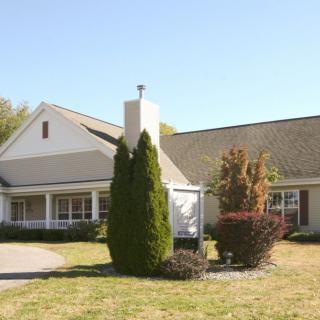
Gateway Community Gardens in Baraboo, WI is best suited for independent seniors who prize affordability, autonomy, and a straightforward, neighborly environment over a full-service senior living experience. The community centers on independent living rather than assisted care, offering apartment options that include a garage and a private patio. Maintenance is front and center, from snow removal to general upkeep, so residents can sidestep the chores that erode leisure time. A central meeting place provides a simple social anchor, and the wide, functional floor plans strike a practical balance between space and budget. Rent includes all utilities except phone and cable, which keeps monthly expenses predictable for households that want to avoid bill-bundling complexity.
Those who should consider alternatives are seniors who need daily hands-on help, medication management, or memory-care supervision. If ongoing caregiving, on-site staff support, or meals are essential components of daily life, Gateway Community Gardens will not deliver them. Likewise, residents seeking a more robust activity calendar, on-site healthcare resources, or assisted living-style services should explore other communities that provide those capabilities. In short, this is a choice for autonomy with cost-conscious practicality, not for individuals pursuing a full spectrum of senior care.
On the plus side, maintenance is consistently good, and the people running the place come across as decent and engaged. The independent-living model reduces friction with staff while still offering practical conveniences: a relatively roomy layout for a lower price, a garage, and the sense of personal space that comes with a private patio. Snow shoveling is handled, a major relief in Wisconsin winters, and the general upkeep contributes to a stable, comfortable living environment. The communal meeting space fosters casual social connection without forcing participation, which suits residents who prefer optional engagement to mandatory programming.
Watering the positives into real value, the combination of low cost and inclusive utilities makes Gateway appealing for aging in place without sacrificing basic comforts. The presence of a friendly neighborhood atmosphere, neighbors described as good, creates a subtle but meaningful sense of security and belonging. The outdoor access and the ability to step outside for fresh air or a quick chat without leaving the property support independence. The garage option adds practical utility, especially for vehicles or storage, while the private patio expands living space beyond four walls. All of these factors bend in favor of staying independent rather than resorting to higher-care settings.
That said, the absence of explicit on-site care means care planning must happen offsite, and the community’s value hinges on comfort with self-direction. For some, the lack of structured programming or a built-in meal plan may feel sparse. For households that anticipate needing more assistance in the near term, Gateway’s model risks short-term obsolescence. In exchange, the model offers affordability, predictable bills, and a genuine sense of neighborhood. In practice, this is a careful trade-off: lean services in return for lower expenses, greater privacy, and the freedom to manage day-to-day routines.
Decision-makers should orient toward Gateway if independence, cost control, and a simple, neighborly setting are at the top of the list. It is not the choice for those requiring regular nursing support, daily dining services, or memory-care supervision. Pros offset potential gaps by delivering tangible everyday conveniences that reduce household burdens and preserve autonomy. Pros offset cons most effectively for residents who value a quiet, practical lifestyle over built-in care infrastructure. Before committing, verify lease terms, what utilities are truly included, and any add-ons, and visit the community to assess the social climate, parking, and accessibility in practice.
 Active Adult Communities (55+)
 Cats allowed
 Dogs allowed
 Activities off-site
 Bath tubs
 Indoor common areas
 Outdoor common areas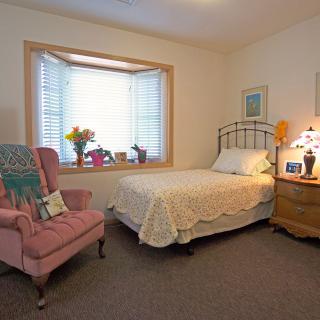






 Supportive Employee Benefits That Help Caregivers Attain Better Work-Life Harmony
 Top Cars for Senior Drivers and Essential Safety Innovations
 A Closer Look at Private Pay Home Care