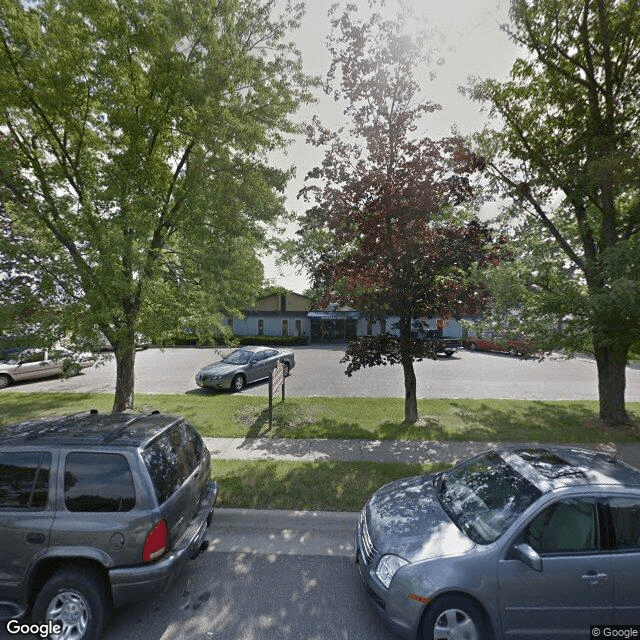
1350 Jefferson Street, Baraboo, WI 53913
For more information about senior living options: (866) 208-4318
Greenbriar Apartments Costs & Pricing
Greenbriar Apartments offers competitive rental rates compared to the broader market in Sauk County and the state of Wisconsin. For a studio apartment, Greenbriar's monthly cost stands at $2,241, significantly lower than both the county average of $3,573 and the state average of $3,999. Similarly, for a one-bedroom unit, tenants will find Greenbriar's price of $2,435 to be quite favorable, particularly when juxtaposed with the county's average of $2,620 and Wisconsin's state average of $3,412. These figures suggest that residents at Greenbriar Apartments benefit from attractive pricing that allows for a comfortable living experience without straining their budget as much as other local options might.
| Floor plans | Greenbriar Apartments | Sauk County | Wisconsin |
|---|---|---|---|
| Studio | $2,241 | $3,573 | $3,999 |
| 1 Bedroom | $2,435 | $2,620 | $3,412 |
Assisted Living communities with a similar price nearby
-
from -$141 / mo
Maple Ridge Elderly Care
$2,100 to $4,000 / month14.1 miles away -
About the same

Waunakee Manor
$2,200 to $3,200 / month24.2 miles away -
from +$259 / mo
Our House Senior Living - Reedsburg Memory Care
$2,500 / month14.1 miles away -
from +$234 / mo
Our House Senior Living Senior Apartments - Portage
$2,475 to $3,475 / month14.1 miles away -
from +$321 / mo

Casa De Oakes Pineview
$2,562 / month14.3 miles away
Overall Review of Greenbriar Apartments
Pros
 Greenbriar Apartments was clean.
- Michael was very nice, very helpful, and very kind in listening.
- The staff were very friendly and very nice.
- They really liked the location of the place.
Cons
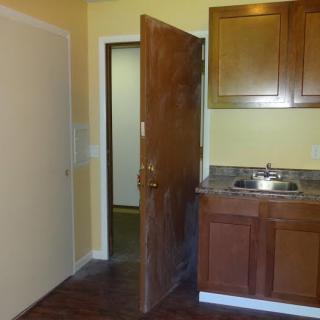
 The facility needed a little more TLC.
- The inside and outside were clean but dated and could use a refresh.
- The staff were rude to residents with cognitive issues.
- They did not check on residents who did not come out for meals.
- Medications were left on an open wooden shelf outside a room with no one nearby.
- There were not many food options during meals.
- The place was more expensive and less updated than another facility offering more services.
Review
Greenbriar Apartments in Baraboo is best suited for seniors who want a straightforward, clean housing setting with a courteous, responsive staff, and who do not require a full spectrum of assisted-living services. The standout here is approachable, helpful customer service, staff who listen, navigate resources, and make an earnest effort to address family concerns, even when the program constraints are tight. The environment favors residents who can manage with standard meals, basic supervision, and routine maintenance, without relying on a wide range of medical or daily living supports. For families seeking a simple, home-like atmosphere with reliable staff, Greenbriar can be a sensible fit. But those needing intensive care, continuous monitoring, or modern, expansive services should steer toward alternatives.
Those considering Greenbriar should be aware of the notable gaps in services that may drive them to look elsewhere. The property itself is dated and could use freshening up, which can feel incongruous with expectations for a more complete senior-living experience. The breadth of services is narrower than at larger, more modern communities, and the price point can be a hurdle when compared with comparable offerings that deliver more comprehensive daily supports. For residents with complex medical needs, frequent meal supervision, or robust cognitive-care requirements, the limitations here become a meaningful deterrent. Families should evaluate whether the low-key environment outweighs the lack of amenities and the potential need for external, off-site services.
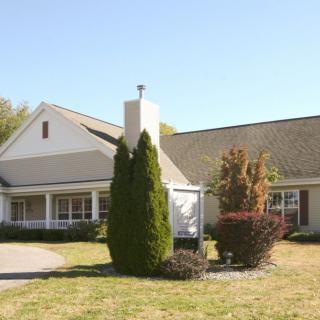
On the plus side, the clean premises and the staff’s genuine kindness stand out. Cleanliness extends beyond the floor plan to the common areas and exterior, creating a welcoming atmosphere that reduces the stress of moving. The most tangible everyday advantage comes from the staff, especially Michael, who demonstrated a patient, listening ear and a willingness to explore external resources, including housing supports that may help a mom on a Section 8 program. This level of attentiveness matters, providing reassurance that residents aren’t being ignored. Location also earns some credit; being in Baraboo means access to local conveniences and a familiar community setting, which can ease the transition for families and residents alike.
Yet, the most troubling notes center on safety and responsiveness gaps. Reports of rude treatment toward residents with cognitive issues undermine trust in daily operations and raise questions about how needs are prioritized. Some residents were not checked on when meals were missed, and medication was left unsecured on an open wooden shelf outside a room, a practice that cannot be dismissed as mere inefficiency. The dining options were described as limited, and the overall services footprint smaller than alternative communities, which matters for families hoping for predictable meal oversight and a broader activity calendar. Taken together, these drawbacks significantly temper the otherwise pleasant staff interactions and clean setting.
In weighing the positives against the drawbacks, the tight-knit staff and clean, approachable environment do not fully compensate for the safety-and-service gaps. The kindness of personnel can smooth the adjustment, but it cannot erase concerns about medication security, cognitive-support readiness, or the lack of meals and activities that meet diverse preferences. Greenbriar remains a reasonable choice for residents who value a cost-efficient, low-frills living arrangement and who can tolerate a narrower range of services. It is less suitable for seniors who require consistent, proactive cognitive care, robust medical oversight, and a dining program with broader options.
For families evaluating options, a disciplined, goal-focused approach will yield the clearest verdict. Start with a concrete ask: what is the exact policy on medication administration, storage, and monitoring? what steps are taken to engage residents with cognitive challenges, and how is meal oversight handled for those who miss meals? Probe the dining menu and frequency of fresh options. Schedule visits to compare the pace and quality of service with other local communities, and request a walk-through of current maintenance and updates. If a Section 8 pathway is essential, confirm the current alignment with Greenbriar’s intake and supports. Where the strengths, friendly staff, clean surroundings, favorable location, meet the gaps, limited services, safety concerns, dated facilities, the decision hinges on whether a simpler, staff-centered living arrangement can be trusted to meet evolving care needs without compromising safety.
 31 resident community capacity
 1-bedroom apartments
 Assisted Living
 Cats allowed
 Activities on-site
 Bath tubs
 Beautician on-site
 Cable or satellite TV
 Devotional services off-site
 Dining room
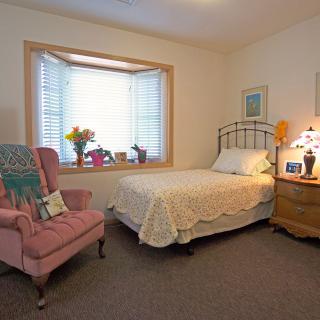
 Fully furnished
 Garden
 Housekeeping services
 Indoor common areas
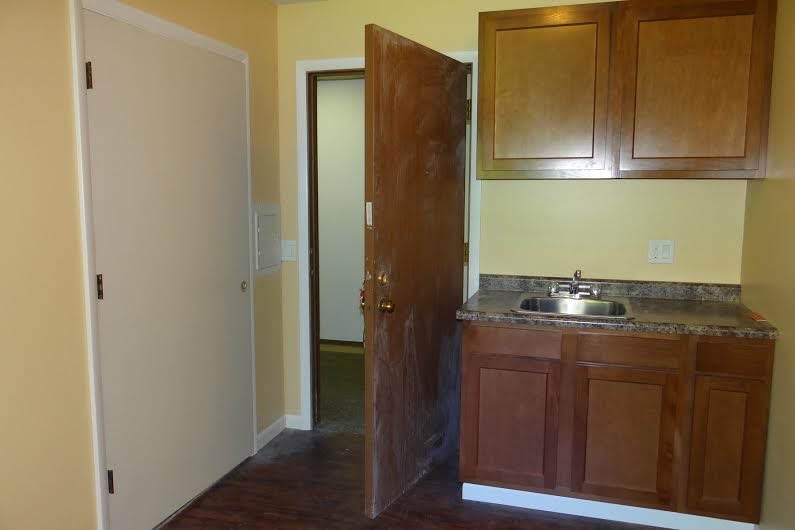
 Kitchenette
 Move-in coordination
 Outdoor common areas
 Respite or short term stays offered
 Restaurant-style dining
 Small library
 Telephone
 Wi-Fi/high-speed internet available
 24-hour call system
 Ambulatory care
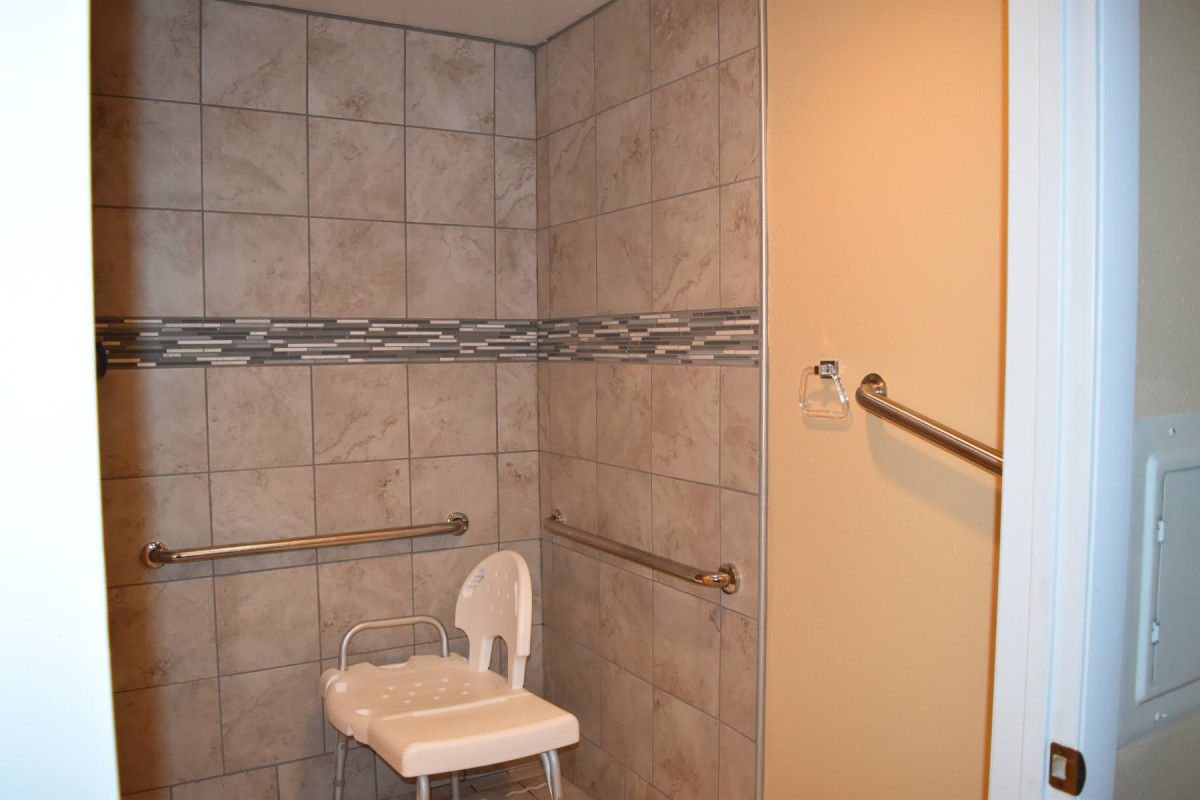
 Assistance with bathing
 Assistance with dressing
 Assistance with transfers
 Diabetes diet
 Diabetic care
 Incontinence care
 Medication management
 Mental wellness program
 Special dietary restrictions
 English




 Assisted Living Support for Veterans: A Complete and Detailed Overview
 Exploring the Contrasts Between Assisted Living and Skilled Nursing
 8 Key Indicators That Suggest It May Be Time to Transition from Assisted Living to Skilled Nursing Care