
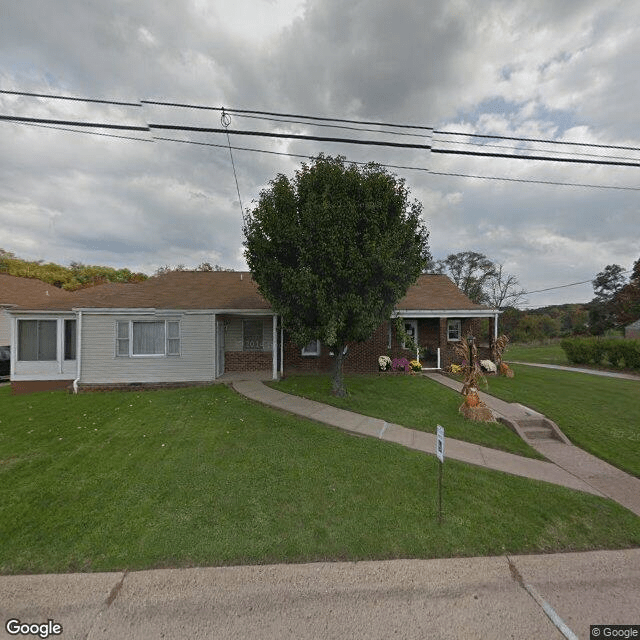
608 North 10Th Street, Weirton, WV 26062
For more information about senior living options: (866) 208-4318
Woodland Hills Assisted Living Costs & Pricing
Woodland Hills Assisted Living offers competitive pricing for its residents, with costs reflecting a thoughtful balance between comfort and value. For a semi-private room, the monthly fee is set at $3,090, which is notably lower than the average rates of $3,295 in Hancock County and $3,683 statewide in West Virginia. Additionally, those opting for a studio can enjoy the space for $3,660 per month - again positioning Woodland Hills favorably against local county rates of $3,777 and state averages of $4,207. This pricing structure not only highlights Woodland Hills' commitment to affordability but also underscores its dedication to providing quality care within a supportive community environment.
| Floor plans | Woodland Hills Assisted Living | Hancock County | West Virginia |
|---|---|---|---|
| Semi-Private | $3,090 | $3,295 | $3,683 |
| Studio | $3,660 | $3,777 | $4,207 |
Assisted Living communities with a similar price nearby
-
from -$369 / mo
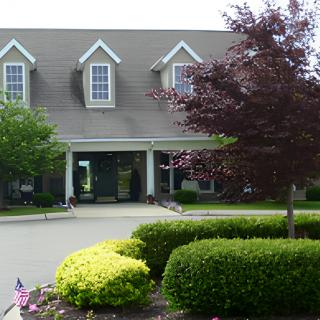
The Wyngate Senior Living Community
$2,721 to $5,157 / month3.5 miles away -
About the same
Hillview Home
$3,000 to $4,000 / month23.2 miles away -
from +$260 / mo

Tapestry Senior Living Moon Township II
$3,350 to $4,600 / month20.1 miles away -
About the same
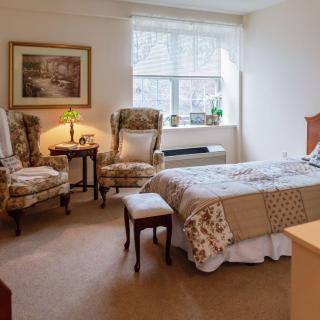
Celebration Villa Of Lakemont Farms
$3,023 to $5,260 / month24.8 miles away -
from -$340 / mo
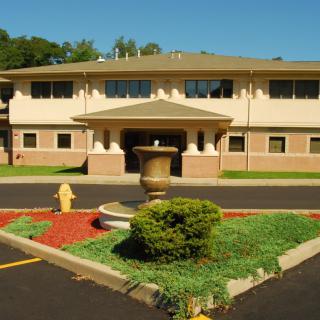
Carriage House Assisted Living
$2,750 to $3,250 / month6.0 miles away
Overall Review of Woodland Hills Assisted Living
Pros
 This place is absolutely an amazing facility.
- The residents are full of joy and life.
- The caretakers are truly sincere with their genuine care and interactions with the residents.
- It is a family setting and the staff laughs and jokes around.
- The owner is always there and is concerned with the well-being of her residents.
- There is not enough space here to tell you about all the wonderful things about Woodland Hills.
- It’s super clean and the staff is loving and caring.
- The owner of the facility is very caring as well as the staff.
- They have called immediately with any health concerns and in doing so prevented a serious problem.
- Very nice small facility.
Cons
 The reviewer claims families will never see their loved ones again, as the facility cuts off all communication and threatens those who try to contact them.
- The reviewer describes the management/owner as rude, disrespectful, and unprofessional.
- The reviewer accuses the facility of trying to control residents' money.
- The reviewer notes that while some staff are decent, management leaves a lot to be desired.
Review
Woodland Hills Assisted Living in Weirton, West Virginia, is best suited for families seeking a small, home-like setting where care feels personal and family involvement is routine. It appeals to residents who thrive on regular interaction with a stable, intimate staff and who value a community atmosphere rather than a clinical, impersonal environment. The reviews consistently praise a warm, joyful resident population and caregivers described as sincere, patient, and genuinely invested in well-being. The owner’s visible engagement reinforces a sense that the facility operates as a close-knit family rather than a distant operation. For families living locally or at a comfortable distance, Woodland Hills offers accessibility that makes frequent visits and daily check-ins practical, which matters greatly when monitoring daily care and satisfaction.
Yet Woodland Hills is not a universal fit. For families prioritizing formal governance, ironclad transparency, and rigorous problem-resolution protocols, alternatives may be preferable. Several reviews flag concerns about management style and the reliability of communication, including allegations of restricted contact and pressure around finances. Such reports, whether isolated or indicative of systemic patterns, raise real questions about resident autonomy and timely escalation of issues. In cases where caregivers require consistent, even-keeled leadership and clear accountability structures, a larger or more corporately governed community could provide a more predictable framework.
On the upside, the strongest draw is the lived experience of care and connection. The small size cultivates authentic relationships; residents are described as happy, engaged, and well-attended by caregivers who know their routines. Families routinely report that staff go the extra mile, and that the owner is present and attentive to both residents and relatives. The environment is consistently described as clean, welcoming, and home-like, with visiting warmly welcomed at almost any hour. When medical concerns arise, the rapid communication with families and proactive attention to potential issues stand out as a meaningful safeguard that can reduce anxiety and prevent complications, especially in communities where medical oversight can feel fragmented.
However, the negative threads carry weight. The most serious comments revolve around communication barriers and perceived control over resident information and finances, with some families feeling cut off or threatened when seeking clarity. Reports of rude or unprofessional behavior from leadership, coupled with accusations of inconsistent care due to turnover or uneven oversight, undermine the overall safety net that a family would expect. In practical terms, these risks translate into a potential for delayed responses to health changes, confusion around care plans, and a sense of fragility in the resident’s day-to-day experience. Prospective residents should not minimize these concerns, as they illuminate the difference between a loving, familial vibe and a governance structure that may not consistently support resident rights.
Practical due diligence becomes essential before any commitment. Prospective residents should insist on multiple, unhurried visits at different times to observe daily routines, talk with several staff members, and speak with families currently navigating care. Request a formal, written care plan, including medical management, medication oversight, and escalation procedures. Ask for complete, transparent records of any regulatory deficiencies and the facility’s corrective actions. Clarify the chain of accountability, who answers to residents, who communicates with families, and how financial matters are handled. If Woodland Hills is chosen, secure explicit terms around visiting rights, routine updates, and a documented process for resolving disputes or concerns. A trial period or contractual safeguards can help ensure alignment with expectations.
In sum, Woodland Hills Assisted Living excels at offering a warm, intimate setting where care feels personal, and where families are welcomed into the daily rhythm. That strength makes it an appealing option for residents who prioritize companionship, a home-like atmosphere, and proactive health monitoring in a small community. At the same time, the facility warrants caution for families whose criteria center on transparent governance, consistent leadership, and robust, written policies around finances and resident rights. For those with these higher-priority concerns, it pays to explore alternatives, compare state inspection histories, and test-drive the environment with a careful checklist. When the balance favors warmth, accessibility, and hands-on caretaking, Woodland Hills can be an excellent match; when governance clarity and predictable operations take precedence, consider other options that promise stronger formal structures.
 31 resident community capacity
 Assisted Living
 Activities off-site
 Beautician on-site
 Cable or satellite TV
 Devotional services on-site
 Dining room
 Fully furnished
 Garden
 Guest parking
 Housekeeping services
 Indoor common areas
 Kitchenette
 Laundry
 Move-in coordination
 Outdoor common areas
 Respite or short term stays offered
 Telephone
 VA Benefits Consultation
 Wheelchair accessible showers
 Wi-Fi/high-speed internet available
 Pittsburgh International (19 miles away)
 24-hour call system
 Ambulatory care
 Assistance with bathing
 Assistance with dressing
 Assistance with transfers
 Diabetes diet
 Diabetic care
 Hospice care
 Incontinence care
 Meal preparation and service
 Medication management
 Mental wellness program
 Physical therapy
 Special dietary restrictions
 Transportation arrangement (medical)
 Transportation to doctors appointments
 Arts and crafts
 Games
Games Live musical performances
 Stories
 Wii bowling


 Beyond the Bingo Hall: 50+ Enriching Activities for Seniors in Assisted Living
 Understanding the Distinctions: Assisted Living and Memory Care Explained
 Guiding Elderly Parents Who Refuse Assisted Living: 6 Practical Steps