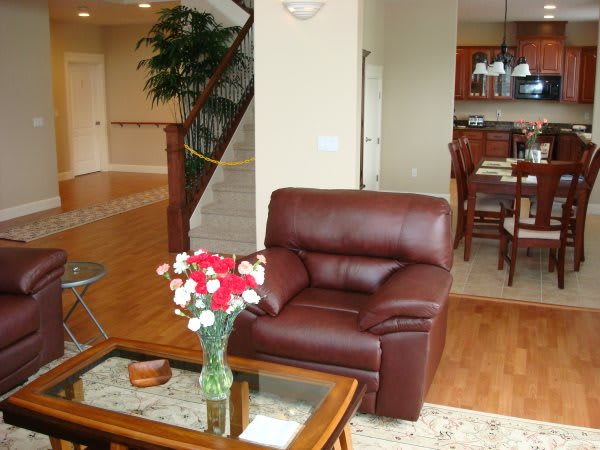
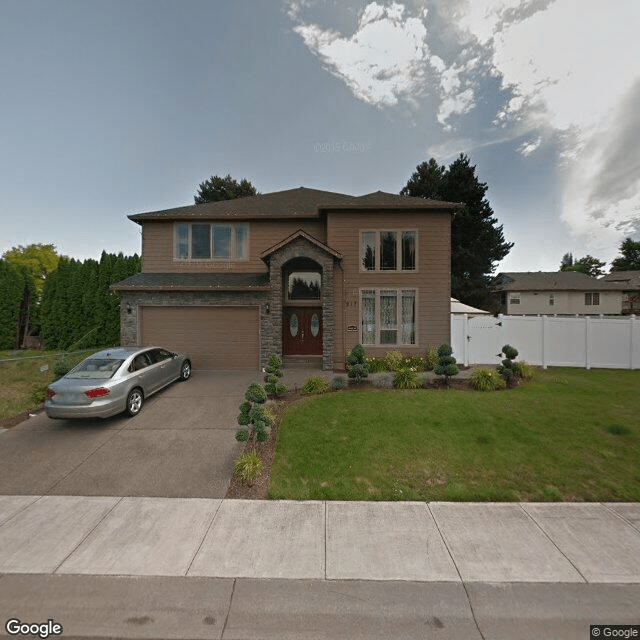
917 NW 105th Circle, Vancouver, WA 98685
To contact a resident: (503) 516-7722
For more information about senior living options: (866) 208-4318
Harmony AFH Costs & Pricing
Harmony Adult Family Home (AFH) offers competitive pricing compared to the broader market in Clark County and the state of Washington. For private rooms, costs range from $2,815 to $5,500, which is notably lower than Clark County's average of $3,992 and Washington state's average of $4,772. This provides residents with an attractive option for personalized living arrangements. In contrast, the semi-private room rate at Harmony AFH is set at $4,895, slightly exceeding Clark County's average of $3,897 and remaining below the state average of $4,267. Overall, Harmony AFH presents a compelling value proposition for those seeking quality care without sacrificing affordability in a welcoming environment.
| Floor plans | Harmony AFH | Clark County | Washington |
|---|---|---|---|
| Private | $2,815 to $5,500 | $3,992 | $4,774 |
| Semi-Private | $4,895 | $3,897 | $4,272 |
Senior living communities with a similar price nearby
-
from +$185 / mo
A Piece of Heaven
$3,000 / month19.1 miles away -
from -$315 / mo
Mapleview Manor, LLC
$2,500 / month19.5 miles away -
from +$185 / mo
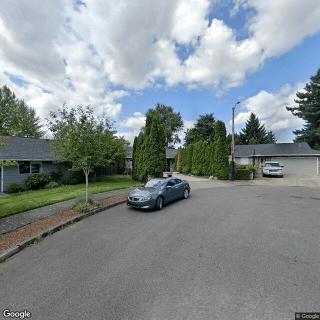
Yamhill Senior Care Home
$3,000 / month15.2 miles away -
from +$185 / mo
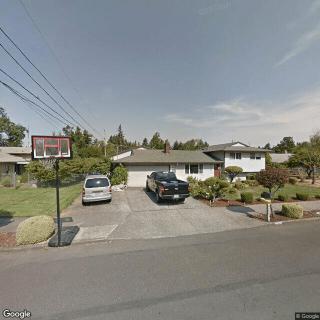
Peaceful Lighthouse Adult Care Home
$3,000 / month15.7 miles away -
from -$315 / mo
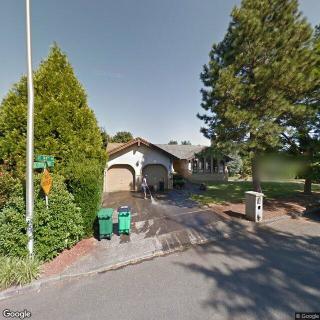
A Gentle Care Home
$2,500 / month18.0 miles away
Overall Review of Harmony AFH
Pros
 The home is lovely.
- Residents speak highly of their everyday quality of life.
- The staff are warm and welcoming.
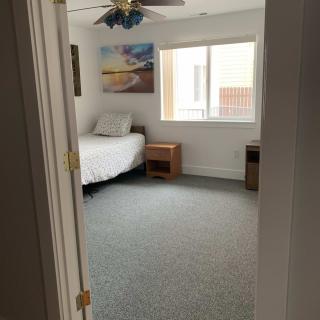
- The rooms offer innovative accommodations to simplify daily living.
- Residents gather around the table to dine together at lunchtime.
- Adrian and his staff have been a blessing.
- They provide a nurturing, safe, clean, and caring home.
- Residents are treated with the best care in a very loving environment.
Review
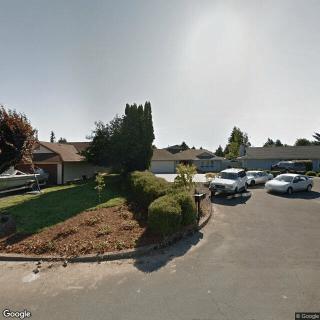
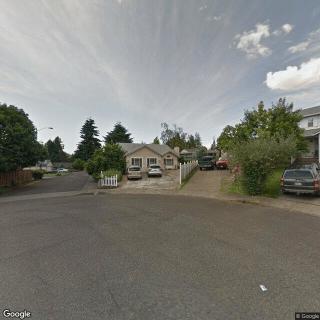
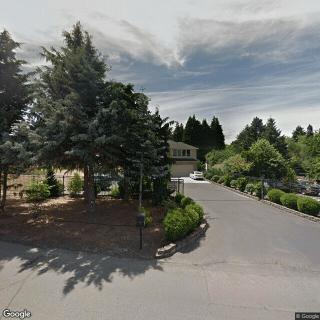
Harmony AFH in Vancouver, WA is best suited for seniors who thrive in a small, home-like foster-care setting where daily life feels personal and unhurried. The most compelling narrator is the resident who speaks highly of everyday quality of life, and the staff are consistently described as warm and welcoming. The care model shines in practical touches, rooms with innovative accommodations that simplify routines, and a lunchtime habit of gathering around the table to socialize. This is a setting where independence is protected within a tight-knit community, and where the emotional tone feels more familial than institutional.
Those who should consider alternatives are those who prioritize robust medical oversight or extensive professional programming. The foster-home format emphasizes safety, cleanliness, and a loving environment, but does not replace the level of skilled nursing or the breadth of rehab services found in larger communities. Families with members needing around-the-clock nursing, complex wound care, or intensive memory-care therapies may want to compare options with traditional assisted-living campuses or licensed facilities that offer more structured clinical support and a fuller slate of therapeutic activities.
From a decision-making standpoint, the strengths are substantial. The intimate setting enables consistent, attentive care, with staff who know residents by name and respond with warmth, discretion, and reliability. Residentsā€™ satisfaction with daily life translates into meaningful engagement rather than mere oversight. The described room accommodations demonstrate a thoughtful approach to autonomy, reducing friction in dressing, mobility, and other routines. Shared meals and casual social moments around the lunch table illustrate how a simple, regular routine can counter loneliness and reinforce a sense of belonging, an important offset to the modest, home-centered scale.
Family trust emerges as a core asset. In the strongest testimony, Adrian and his team are described as a blessing, delivering nurturing, safe, clean, and loving care that feels like a home one would choose for a parent. That leadership signals dependable oversight, steady communication, and a culture of compassion. This kind of environment often translates into fewer care gaps and smoother transitions if evolving needs arise, which matters when contemplating future shifts in level of care.
Visits to Harmony AFH should be guided by the human scale and practical logistics. Prospective families should inquire about staff-to-resident ratios, especially in evenings and weekends, to gauge how consistently help is available. Pay attention to how room modifications perform in real life, and what a typical day looks like beyond meals. Assess safety features, cleanliness, and how assistance with activities of daily living is delivered. Explore how social connections are nurtured outside meals, whether guests can visit freely, and how transportation or coordination with medical appointments is handled. If companionship around a familiar table and consistent, compassionate care are priorities, Harmony AFH delivers strongly; if extensive on-site therapy, memory-care programming, or deep nursing-depth is non-negotiable, alternatives deserve serious consideration.
In the end, Harmony AFH presents a compelling option for families seeking a warm, home-centered environment where residents experience genuine daily quality of life, human warmth, and practical, person-centered care. It shines for individuals who want to stay connected to a small, caring community and for families who value transparent leadership and dependable caregiving. The main caveat is the same strength: its intimate, non-institutional model may not fit those needing heavy clinical services or a broad spectrum of therapeutic programming. When those conditions align, Harmony AFH stands out as a thoughtful, reliable choice worth pursuing.
 Board and Care Home
 Activities on-site
 Air-conditioning
 Cable or satellite TV
 Devotional services on-site
 Ground floor units
 Handicap accessible
 Indoor common areas
 Outdoor common areas
 Private
 Private bathrooms
 Respite or short term stays offered
 Wheelchair accessible showers
 Wi-Fi/high-speed internet available
 Portland International (9 miles away)
 Diabetic care
 High acuity care
 Incontinence care
 Medication management
 Anytime dining
 BBQs or picnics
 Birthday parties
 Live dance or theater performances
 Live musical performances

 Nurturing Our Loved Ones: A Daughter's Journey in Caring for Her Mother
 Nurturing Our Elders: Linda's Journey of Supporting Her Mother
 A Comprehensive Exploration of Common Misunderstandings about Powers of Attorney