
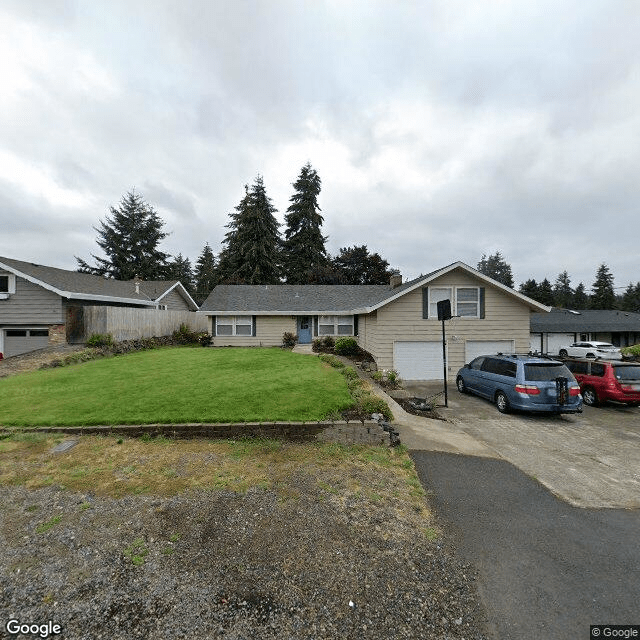
3626 66th Ave W, University Place, WA 98466
To contact a resident: (253) 460-7237
For more information about senior living options: (866) 208-4318
Everlasting Care AFH Costs & Pricing
Everlasting Care AFH offers competitive pricing for its private rooms at $3,500 per month, which is significantly more affordable than the average costs in Pierce County and across Washington State. In Pierce County, similar accommodations typically run about $4,623 per month, while the state average reaches approximately $4,772. This positions Everlasting Care AFH as an attractive option for individuals seeking quality care without compromising their budget, maintaining a balance between affordability and the level of personalized service provided.
| Floor plans | Everlasting Care AFH | Pierce County | Washington |
|---|---|---|---|
| Private | $3,500 | $4,623 | $4,774 |
Senior living communities with a similar price nearby
-
from -$500 / mo

Hummingbird Homecare
$3,000 / month13.7 miles away -
from +$500 / mo

Riverton Home Care
$4,000 to $5,000 / month21.0 miles away -
from +$500 / mo
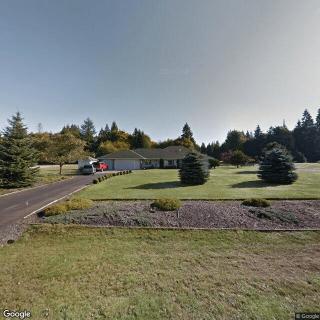
Canterwoods Estate AFH
$4,000 to $5,500 / month20.7 miles away -
from -$500 / mo
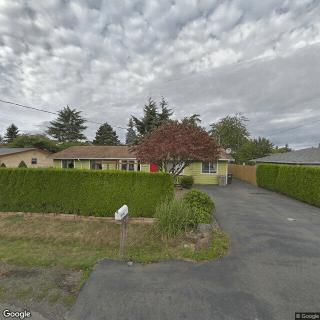
Home Care in Kent Inc.
$3,000 to $3,500 / month19.0 miles away -
from +$500 / mo
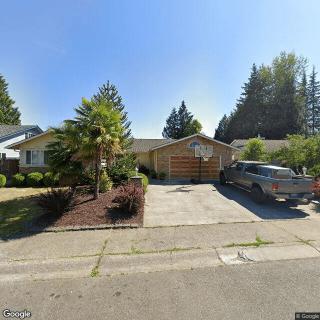
Gentle Care Home
$4,000 to $5,500 / month24.6 miles away
Overall Review of Everlasting Care AFH
Pros
 They really enjoyed their tour of Everlasting Care.
- The Director was very nice.
- They plan to share their experience with Mom.
- They will follow up if Mom agrees.
Review
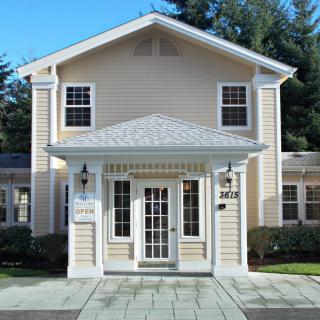
Everlasting Care AFH in University Place is best suited for families seeking a warm, intimate assisted living option where the environment feels like a true home and the director-led approach matters. This small, adult-family-home setting appeals to seniors who value direct access to leadership, minimal bureaucracy, and a tour-driven sense of personal attention. The emphasis on a welcoming first impression comes through clearly in the feedback: tours are well-received and highlight pleasant interactions with the Director, with families ready to involve loved ones and follow through on next steps. The overall sentiment is that this community can deliver genuine, people-centric care in a low-key, approachable atmosphere.
Those who may want to consider alternatives are seniors with more intensive care needs or those seeking highly structured programming. If a resident requires substantial on-site medical oversight, memory care, or a broad activity calendar managed by a larger staff, a bigger campus with dedicated wings and formal programming may be more appropriate. Additionally, families prioritizing transparent, standardized pricing, predictable staffing ratios, or a wider network of on-site services may find it worth comparing other options. In short, Everlasting Care AFH excels in warmth and accessibility, but it’s prudent to weigh whether the smaller model can scale to evolving needs over time.
The strongest positives center on leadership and personal touch. The Director’s kindness and the overall tour experience create a sense that requests and concerns can be addressed quickly, with real-time communication and visible commitment to family involvement. This environment often translates into heightened comfort for relatives who want to stay connected and participate in care decisions. A homelike feel, less institutional than larger facilities, often means residents experience more predictable routines, fewer transitions, and a sense of familiarity that can ease anxiety for both resident and family. For families prioritizing relationship-based care, these advantages may outweigh other trade-offs.
Conversely, the limited public detail about daily operations stands out as a practical gap to verify. With reviews focused on impressions rather than on-day care specifics, questions about staffing levels, medication management, emergency response, and 24/7 coverage remain essential. Prospective residents should seek clarity on what medical support is available on-site, whether licensed nursing staff are regularly present, how mobility and personal care are assisted, and what happens if medical needs intensify. It’s also wise to ask about meal options, transportation arrangements, and the breadth of activities, elements that complete the picture of daily life beyond a pleasant tour.
Those pros can offset some concerns if the plan is to leverage a close, hands-on leadership model. A director-led environment often means quicker problem resolution, easier communication, and a sense that the home truly cares about each resident’s happiness and safety. The intimate setting can enhance supervision, foster mutual trust, and encourage families to stay actively involved, a meaningful advantage for seniors who require steady yet gentle support. Yet the same intimate scale can become a risk if care demands shift toward more medical complexity or if staffing consistency isn’t maintained over time. The balance between personal attention and scalable care will determine long-term suitability.
For families seriously considering Everlasting Care AFH, the next move is clear: schedule a detailed follow-up visit with a prepared checklist. Confirm staffing patterns, ask for a current and projected care plan for anticipated needs, and request a transparent breakdown of services and costs. Inquire about nurse availability, medication administration, safety measures, and how the home handles emergencies. Compare this information against at least two other options, preferably one larger, more comprehensive community and one memory-care-focused setting, and watch for how each facility balances warmth with measurable care capabilities. In the end, Everlasting Care AFH is a strong contender for a close-knit, director-accessible home-like experience, best wheeled in as a top choice for families prioritizing personal attention and a warm atmosphere, while alternatives should be pursued for those needing more extensive medical support or structured programming.
 Board and Care Home
 Private
 Seattle-Tacoma International (19 miles away)
 Diabetic care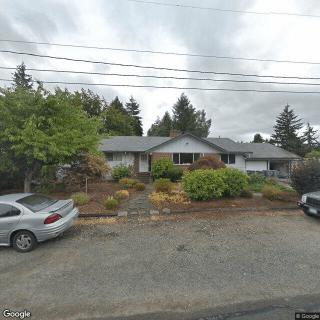

 Understanding Home Health Care: A Comprehensive Guide
 Home Health Care Demystified: A Comprehensive Guide for Families and Caregivers
 Seniors and Modern Transportation: Exploring Uber, Lyft, and Other Ride-Hailing Options