
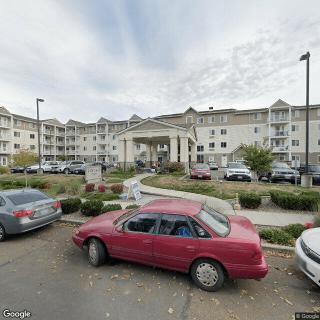
4424 6th Avenue #1, Tacoma, WA 98406
To contact a resident: (253) 274-0044
For more information about senior living options: (866) 208-4318
Overall Review of A & B Homecare & Staffing Inc
Pros
 A&B Homecare was most helpful in providing staff to care for an elderly relative.
- They were professional and caring.
- The experience level seems good.
- Flexibility is good.
- Staffing was quick.
Cons
 Caregivers were grossly incompetent and did not show up.
- Staffing promises were not kept.
- Caregivers were non- or barely English-speaking and could not follow simple directions.
- They repeatedly lied when questioned about issues.
- They claimed they didn't have the client's phone number, even though the caregiver was a no-show.
- Language barriers due to thick accents made it hard to understand basic instructions.
- A caregiver dropped the elderly client, causing broken ribs.
- There was a lack of accountability with excuses being made.
Review
A & B Homecare & Staffing Inc in Tacoma, WA is best suited for families that need rapid, flexible caregiver staffing and are prepared to take an unusually active, hands-on role in supervising and coordinating care. The clearest strength visible in the field is the ability to mobilize help quickly when a plan is in motion, and some clients describe staff as professional and caring when assignments align with expectations. For households that can tolerate shifting staffing patterns and expect a responsive coordinator to adjust to changing needs, this agency can fill gaps on short notice and provide a level of experience that can be leveraged during transitional periods.
Those who should consider alternatives are families prioritizing reliability, consistent English-speaking communication, and unwavering accountability. Across multiple accounts, language barriers stand out as a recurring hurdle, with caregivers described as having heavy accents or limited English proficiency that complicates following basic directions and safety routines. Even more troubling are accounts of no-shows and promises that go unmet, alongside claims of poor accountability and inconsistent supervision. A handful of experiences report potential safety risks, including a caregiver mishap that resulted in injury to a vulnerable elder, underscoring the need for robust oversight and dependable staffing, not just capable individuals when they happen to be available.
The key pros, quick staffing, a degree of flexibility, and some caregivers who demonstrate experience and care, do not fully offset the main cons highlighted by families. Quick placement is valuable for crisis coverage or short windows when help is needed fast, but that advantage dissolves if coverage becomes unreliable or if communication breakdowns prevent proper instruction and safety protocols from being executed. Inconsistent staffing and language gaps erode trust and complicate care plans, and reports of accountability shortfalls limit confidence in long-term arrangements. When safety incidents arise or a caregiver fails to show up, even the most favorable personalities and skills don’t compensate for a fragile system of accountability.
Families choosing this provider should insist on concrete safeguards before committing. A prudent approach includes securing a named care manager with direct, predictable contact; a written plan detailing which caregivers will cover which shifts; a guaranteed backup roster to replace no-shows promptly; and explicit language expectations or bilingual support, with documented guidance on how communication will be handled during critical tasks. Request caregiver profiles and credentials, a clear escalation path for issues, and a time-bound trial period to evaluate reliability, compatibility, and safety practices before extending a long-term contract. It is essential to obtain assurances on monitoring, regular follow-ups, and a defined process for reporting and addressing concerns.
Risk mitigation should also focus on operational discipline. Families should implement structured handoff protocols, scheduled check-ins, and crisis-response procedures that empower a single point of contact to manage issues quickly. Security and safety routines, such as door locking during visits and adherence to basic safety instructions, must be verifiably reinforced through supervision and training. Given the mixed experiences, it is prudent to protect against gaps with clear expectations for accountability, a robust backup plan, and transparent communication that travels beyond ad hoc conversations.
In the end, this agency delivers the kind of agility that can be crucial for families navigating transitions, yet the persistent themes of inconsistent staffing, language barriers, and accountability concerns cannot be ignored. The rating signals a tempered confidence at best, and the lived experiences suggest that for many, the safest choice is to pursue providers with a stronger track record for reliability, language compatibility, and proactive care management. If chosen, this provider demands rigorous guardrails, continuous oversight, and an explicit plan to translate flexible staffing into consistently safe, well-coordinated care.
 Seattle-Tacoma International (16 miles away)







 Home Health Care Aides: Understanding Their Role and Supporting Your Family
 Urinary Tract Infections in Older Adults: Comprehensive Insights on Symptoms, Treatment, and Prevention
 California's Form 602A: An In-Depth Examination of Senior Care Assessment