
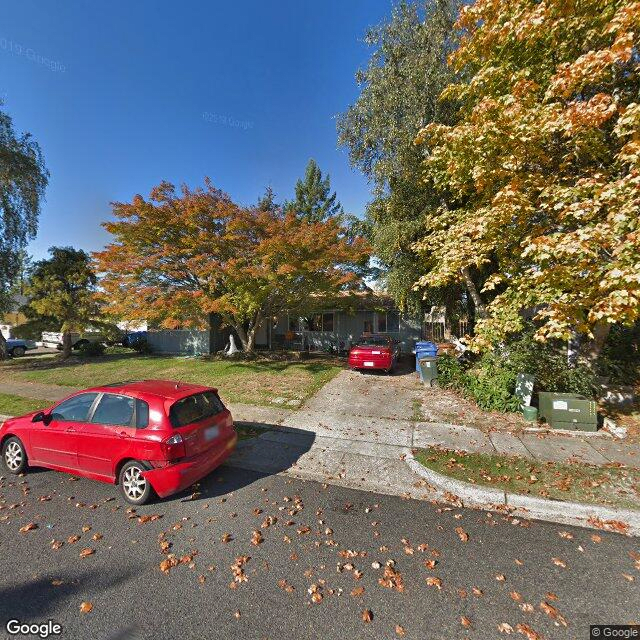
5449 N Dahl Dr, Tacoma, WA 98406
To contact a resident: (253) 761-2287
For more information about senior living options: (866) 208-4318
Overall Review of Golden Ages
Pros
 Lynette and her staff did an amazing job caring for the mother-in-law and made her final years very good.
- Lynette always bent over backwards to ensure everything was taken care of and coordinated with the family.
- Lynette and her team stayed in touch with the family after the mother-in-law's death, showing genuine care.
- The mom loved the place, and the caregivers were like family to her.
- The home comes highly recommended for anyone seeking care for their loved ones.
- Lynette provides outstanding care and direction to her caregivers, creating a loving atmosphere.
- The residents and caregivers are treated with respect, contributing to a safe and caring environment.
- The owner provides a safe and caring environment for the residents.
Cons
 Lynette is described as the epitome of a power trip.
- She allegedly requires all the attention when a loved one is visited, or she will ban visitors from seeing them.
- The reviewer stated they wouldn’t keep their dog there and would not feel good about it.
- The reviewer has seen abuse and verbal abuse directed at residents.
- They have turned the matter over to Adult Protective Services and hired a lawyer to help their mom.
- They warned others to avoid putting someone they love there and hope the place will be shut down.
- Jennifer must schedule visits off-site, as she is no longer allowed to visit her mother on the property.
- The reviewer claimed residents were fed top ramen every day.
Review
Golden Ages in Tacoma is best suited for seniors who want a tightly knit, home-like living arrangement where staff know residents personally and respond with immediacy. This is a small, owner-operated adult family home with a four-resident footprint described by families as providing a true sense of belonging rather than a clinical vibe. Families depict daily life shaped by the resident’s preferences, with the owner visibly hands-on and guiding caregivers while staying connected with relatives. For those prioritizing warmth, continuity, and accessible, partner-style caregiving, Golden Ages delivers in a way that feels more like a family home than a campus.
This environment is not for every situation. Families needing formal medical oversight, a highly structured activity calendar, or specialized memory-care programming may find the scale and governance of Golden Ages insufficient. The small size means staffing and supervision hinge on one primary leader, which can be a strength when leadership is steady, but a vulnerability if oversight becomes uneven. Prospective residents who require transparent, external accountability, a clear licensing history, or routine professional oversight may want to consider larger assisted-living communities or facilities with more robust administrative frameworks. Caution is warranted for those who demand rigorous, verifiable safety and governance practices.
The strongest advantages center on authentic relationships and caregiver-led attention. Families report that staff remember personal details, show genuine warmth, and stay connected with loved ones through illnesses and palliative moments. The owner’s direct involvement is repeatedly described as stabilizing, with cohesive, responsive caregivers who adapt as needs shift. Social life unfolds in a human, unhurried rhythm rather than a stratified, impersonal schedule, and residents often express appreciation for being treated like family. For families who value emotional well-being and day-to-day warmth, these elements can make Golden Ages feel like a trusted, intimate home.
Yet the picture is not one-sided. Several reviewers raise serious concerns about governance and resident treatment, describing experiences framed as power-driven behavior and restrictive family access. Allegations include tense interactions and moments perceived as neglect, with one account mentioning state involvement and disputes over visits. Competing anecdotes offer a contrasting view of long-standing trust and positive relationships. Given the intimate scale, these narratives demand careful, independent verification. Prospective residents should not dismiss the concerns but should verify environment, safety practices, and resident well-being through direct visits and frank conversations.
How the positives balance against the concerns depends on risk tolerance and specific care needs. For families comfortable with a small, intimate setting and a caregiver-first approach, the benefits can substantially offset the risks if transparent processes are in place: open communication, accessible care plans, and timely responses to concerns. However, the mixed narratives underscore the necessity of due diligence: tour at different times, speak with multiple residents and families, and review recent licensing and inspection records. Without this, favorable moments may be overshadowed by cautionary tales that linger in potential residents’ minds.
In the end, Golden Ages is a viable option for those seeking a warm, home-centered environment with hands-on owner involvement and a cohesive caregiving team. It is less suitable for families demanding formal governance, stringent safety oversight, or extensive, campus-wide memory-care programming. The prudent path is to treat a tour as a real assessment: request care plans, examine activity calendars, verify licensure and complaint history, and engage with several staff and residents to gauge consistency. If the answers reassure, this community can offer meaningful, life-affirming days for a loved one. If uncertainty remains around oversight and safety, exploring larger Tacoma options with documented procedures and more formal accountability is the wiser choice.
 Board and Care Home
 Seattle-Tacoma International (16 miles away)








 Understanding the Sandwich Generation: Stress and Responsibilities for Multigenerational Caregivers
 8 Essential Assistive Devices for Older Adults
 Navigating the Financial Road to Nursing Home Care: In-Depth Guidance and Resources