
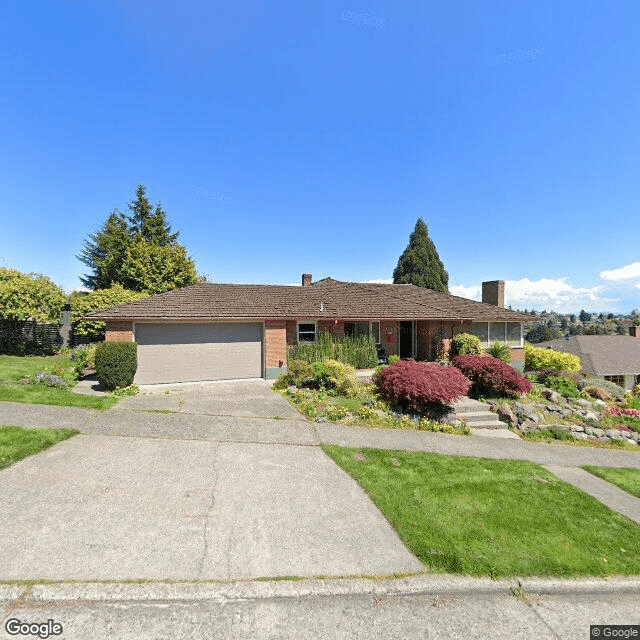
2670 37th Ave. W, Seattle, WA 98199
To contact a resident: (206) 281-7287
For more information about senior living options: (866) 208-4318
Magnolia Home Care IV Costs & Pricing
Magnolia Home Care IV offers a private room option at a monthly cost of $7,500. This figure is significantly higher than both the average costs in King County, which stand at $5,034, and the broader state average of $4,772. While the pricing reflects the premium services and personalized care that Magnolia Home Care IV provides, it also highlights the disparities in assisted living costs within the region. Families considering this facility may want to factor in the exceptional level of care and amenities offered when evaluating its value compared to other options available in King County and across Washington State.
| Floor plans | Magnolia Home Care IV | King County | Washington |
|---|---|---|---|
| Private | $7,500 | $5,034 | $4,774 |
Senior living communities with a similar price nearby
-
from -$1000 / mo

The Promised Land
$6,500 / month12.2 miles away -
from +$500 / mo

Grace Senior Care of Issaquah
$8,000 / month18.9 miles away -
from +$500 / mo
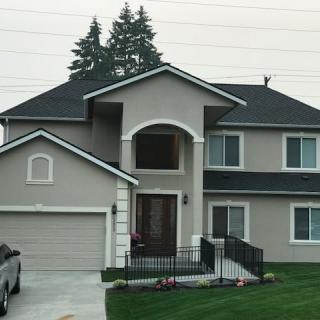
Golden Cottage AFH, Inc
$8,000 / month12.0 miles away -
from -$1100 / mo

The Park at Belle Harbour
$6,400 to $15,500 / month10.3 miles away -
from +$400 / mo

Caring Cabin Manager, LLC
$7,900 to $9,000 / month14.1 miles away
Overall Review of Magnolia Home Care IV
Pros
 The loved one received care with peace and dignity at Magnolia.
- The home is clean and meals are well prepared.
- Individual needs are considered, and family requests and concerns are welcomed.
- Magnolia fits the family’s needs and would be chosen again.
- It is a very clean and well-run facility.
- The meals are delicious and the care is attentive.
- The providers are exceptionally caring and go above and beyond to meet residents’ needs.
Review
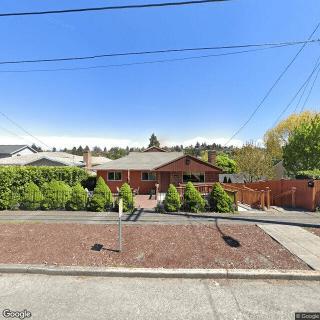
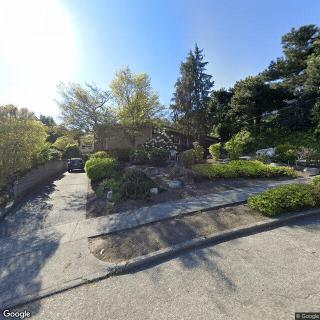
Magnolia Home Care IV in Seattle is best suited for families seeking a compact, home-like assisted living option where dignity, personal attention, and high-quality daily life converge. The community presents a clean, bright environment, with staff who tend to residents’ needs with a thoughtful, individualized approach. For seniors who value meals that are not only nutritious but enjoyable, and for relatives who want open, responsive communication with caregivers, Magnolia offers a compelling fit. It is particularly appealing to families looking for a setting that feels intimate, where staff know residents well and respond quickly to requests and concerns, creating a sense of security and warmth.
Those needing extensive on-site medical resources or a robust calendar of formal activities and campus-wide programming might want to review alternatives. The reviews describe a small, well-run home rather than a large campus, which implies excellent daily care and personal interaction but potentially fewer on-site specialists or wide-ranging amenities. Families prioritizing aggressive rehabilitation services, 24/7 nurse coverage, or a broad social ecosystem should look at larger communities that can deliver more specialized clinical support and scheduled enrichment programs.
On the upside, the strongest advantages are tangible and consistently delivered. Residents are kept clean and comfortable; meals are praised for taste and quality; and caregivers are described as exceptionally caring and pleasant, going above and beyond to meet individual needs. The facility’s culture emphasizes listening to families, requests and concerns are welcomed and acted upon, creating trust and reducing the anxiety that surrounds placement decisions. The narrative of a resident who passed away with peace and dignity at Magnolia underscores the dignity-focused ethos that emerges in everyday care.
These pros do not exist in isolation from common concerns about smaller settings; instead they actively counterbalance them. The intimate scale and family-friendly responsiveness can compensate for the lack of a hospital-like scale, delivering reliable, day-to-day consistency that matters most to many families. Cleanliness and bright surroundings contribute to residents’ comfort and well-being, while high-caliber meals support nutrition and mood, which in turn support fewer health issues. When a family seeks reassurance that their loved one will be treated with respect and care, Magnolia’s model provides a clear antidote to the fear of being overlooked in a larger system.
Nevertheless, a candid appraisal recognizes that a smaller home environment may not be ideal for every resident. For those whose needs include intensive medical oversight, diverse therapy options, or an expansive social calendar, alternatives with greater scale and clinical depth may be a better match. In such cases, the strengths shown here, cleanliness, responsive staff, and personalized care, still count, but should be weighed against the potential for more comprehensive clinical services elsewhere. Prospective residents should verify staffing levels, availability of on-site physicians or nurse practitioners, and what happens after hours to ensure alignment with health requirements.
In sum, Magnolia Home Care IV stands out for families prioritizing a respectful, home-like setting where care teams know residents well, meals delight, and family involvement is welcomed. It is an excellent choice for seniors who thrive on personal attention and a bright, clean environment, with the assurance of dignity at end of life. Those who require more intensive clinical resources or a broader activity menu should assess alternatives alongside Magnolia to confirm the best alignment of needs and expectations.
 Board and Care Home
 Private
 Seattle-Tacoma International (14 miles away)
 Diabetic care
 High acuity care
 Incontinence care


 Highly Beneficial Low-Impact Exercises for Senior Living Residents
 Is In-Home Healthcare Tax Deductible? Your Comprehensive Guide
 Nurturing Well-Being Through Gardening: A Detailed Guide for Senior Enthusiasts