Ida Culver House Broadview offers competitive pricing for its living accommodations when compared to both King County and the wider state of Washington. For a studio, residents can expect to pay $3,875 per month, significantly lower than the county average of $4,464 and the state average of $4,126. The 1-bedroom option also presents a favorable contrast at $4,200, again below King County's average of $5,127 and slightly above the state's average of $4,632. However, the 2-bedroom rate at Ida Culver House Broadview is notably higher at $7,590 compared to King County's much lower average of $5,111 and Washington's statewide average of $4,301. Overall, while Ida Culver House Broadview provides appealing pricing for studio and one-bedroom units within a premium senior living context, prospective residents should weigh their options carefully with regard to two-bedroom rentals.
Floor plans
Ida Culver House Broadview
King County
Washington
Studio
$3,875
$4,464
$4,128
1 Bedroom
$4,200
$5,127
$4,634
2 Bedrooms
$7,590
$5,111
$4,301
Assisted Living communities with a similar price nearby
Residents and families repeatedly describe staff as responsive and genuinely caring.
Across reviews, families say staff members are quick to help, attentive during check-ins, and friendly in daily interactions. Many also mention that staff know residents by name and follow up when needs come up. Several reviewers add that during medical or memory-care transitions, care teams stayed organized and communicative with families.
differentiator17 reviews mention this
Dining quality gets strong praise
Dining room meals and overall food quality are among the most consistent positives.
Food comes up again and again, with residents and families describing meals as delicious, varied, and served by engaging dining-room teams. Reviews also reference a restaurant-style dining setup and note that meals are a regular highlight of visits. A few reviewers mention that during periods of service changes, meals were less satisfying when served differently in residents’ rooms.
common12 reviews mention this
Activities keep residents engaged
The community’s activity calendar is described as varied and engaging.
Multiple reviews describe lots to do, including exercise classes, music and performances, games, lectures, and group events. Residents and families say there’s a mix of on-site programs and outings, so it’s not all one type of activity. Some reviewers mention limits during disruptive periods, but still note efforts like indoor or at-home options.
differentiator5 reviews mention this
Memory care programming feels specialized
Reviews describe the memory care unit as a place where dementia support is handled thoughtfully.
Several families who moved loved ones into the Terrace memory care unit describe care as good and include examples of structured daily support. Reviews mention music, games, chair exercises, and other programs for residents in memory care, along with staff patience as needs change. One reviewer also describes transitions within the community as dementia progressed, supported by staff guidance and coordination.
caveat2 reviews mention this
Pricing feels high for some
Some families say the cost can be difficult to justify.
A couple of reviewers call the community too expensive at the pricing they saw, and one criticizes the price point while describing a disappointing experience when care needs increased. Pricing is described in ranges across unit types, with several categories priced below county and state benchmarks according to the listing’s figures.
caveat2 reviews mention this
Emergency call response is a major concern
Some reviews report emergency call buttons that did not bring timely help.
Two low-rated reviews describe falls where residents used emergency call buttons and no one responded within the timeframes expected, calling the system inadequate. One reviewer specifically raises concerns about staffing and whether help was dispatched when calls were placed. These comments contrast sharply with other reviews that describe staff availability as quick and attentive.
How we summarize
Counts show how many written reviews mention each theme; a review can touch several themes, and only frequently mentioned themes are displayed.
Features
Housing
85 resident community capacity
1-bedroom apartments
2-bedroom apartments
3-bedroom apartments
Detached homes
Studio apartments
Types of Care
Assisted Living
Independent Living
Memory Care
Skilled Nursing Facility
Amenities
Activities off-site
Activities on-site
Air-conditioning
Bath tubs
Beautician on-site
Beauty salon
Cable or satellite TV
Computer center
Devotional services off-site
Devotional services on-site
Dining room
Fitness room
Full kitchen
Fully furnished
Gaming room
Garden
Ground floor units
Guasts at mealtime
Guest parking
Handicap accessible
Housekeeping services
Indoor common areas
Kitchenette
Laundry
Move-in coordination
Outdoor common areas
Outdoor space
Party space
Private bathrooms
Resident parking
Respite or short term stays offered
Restaurant-style dining
Small library
Spa
Swimming pool
Swimming pool / hot tub
TV room
Telephone
Wellness center
Wheelchair accessible showers
Wi-Fi/high-speed internet available
Transportation
Seattle-Tacoma International (19 miles away)
Community operated transportation
Transportation & parking
Transportation arrangement
Transportation arrangement (non-medical)
Transportation to doctors appointments
Care Services
12-16 hour nursing
24-hour call system
24-hour supervision
Activities of daily living assistance
Ambulatory care
Assistance with bathing
Assistance with dressing
Assistance with transfers
Diabetes diet
Diabetic care
High acuity care
Incontinence care
Meal preparation and service
Medication management
Mental wellness program
Mild cognitive impairment
Special dietary restrictions
Specialized memory care programming
Walking wheelchair assistance
Dining
Diabetes diet
Gluten-free
Guest meals
International cuisine
Low / no sodium
Low fat
Meals provided
No Sugar
Professional chef
Renal
Restaurant style dining
Room service
Special dietary restrictions
Special dining programs
Vegetarian
Activities
Activities off-site
Art classes
Arts and crafts
Book club
Community-sponsored activities
Concierge services
Cooking club
Day trips and outings
Devotional activities offsite
Devotional activities on-site
Educational speakers / life long learning
Fitness programs
Games
Gardening club
Happy hour
Live dance or theater performances
Live musical performances
Live well programs
Planned day trips
Resident-run activities
Scheduled daily activities
Stretching classes
Tai Chi
Wine tasting
Languages Spoken
English
Nearby Places of Interest
This part of Seattle, Washington, offers a convenient and diverse range of amenities for seniors looking to settle in the area. With a variety of restaurants, cafes, and pharmacies within close proximity, residents can easily access essential services and enjoy dining options. The presence of several parks provides opportunities for outdoor activities and relaxation. Additionally, the nearby hospitals and physicians' offices ensure easy access to healthcare services. The well-connected transportation options make it convenient for seniors to travel around the city. Overall, this area provides a balanced mix of convenience, healthcare facilities, and recreational opportunities ideal for senior living.
Ida Culver House Broadview offers competitive pricing for its living accommodations when compared to both King County and the wider state of Washington. For a studio, residents can expect to pay $3,875 per month, significantly lower than the county average of $4,464 and the state average of $4,126. The 1-bedroom option also presents a favorable contrast at $4,200, again below King County's average of $5,127 and slightly above the state's average of $4,632. However, the 2-bedroom rate at Ida Culver House Broadview is notably higher at $7,590 compared to King County's much lower average of $5,111 and Washington's statewide average of $4,301. Overall, while Ida Culver House Broadview provides appealing pricing for studio and one-bedroom units within a premium senior living context, prospective residents should weigh their options carefully with regard to two-bedroom rentals.
The features offered at Ida Culver House Broadview are specifically designed to support residents with dementia or Alzheimer's disease through comprehensive care tailored to their unique needs. The 24-hour supervision ensures that residents are consistently monitored for safety and well-being, while assistance with activities of daily living--such as bathing, dressing, and transfers--promotes dignity and fosters independence. Incontinence care further relieves stress for both residents and families, allowing individuals to maintain comfort. Meal preparation and service cater to nutritional needs, enhancing overall health, while medication management provides a structured approach to ensure adherence to treatments. The mental wellness program addresses cognitive engagement, which is crucial for maintaining mental functioning in those with mild cognitive impairment. Finally, specialized memory care programming offers targeted activities and therapies that stimulate cognitive abilities and encourage social interaction, creating an environment conducive to quality living despite the challenges posed by dementia or Alzheimer's disease.
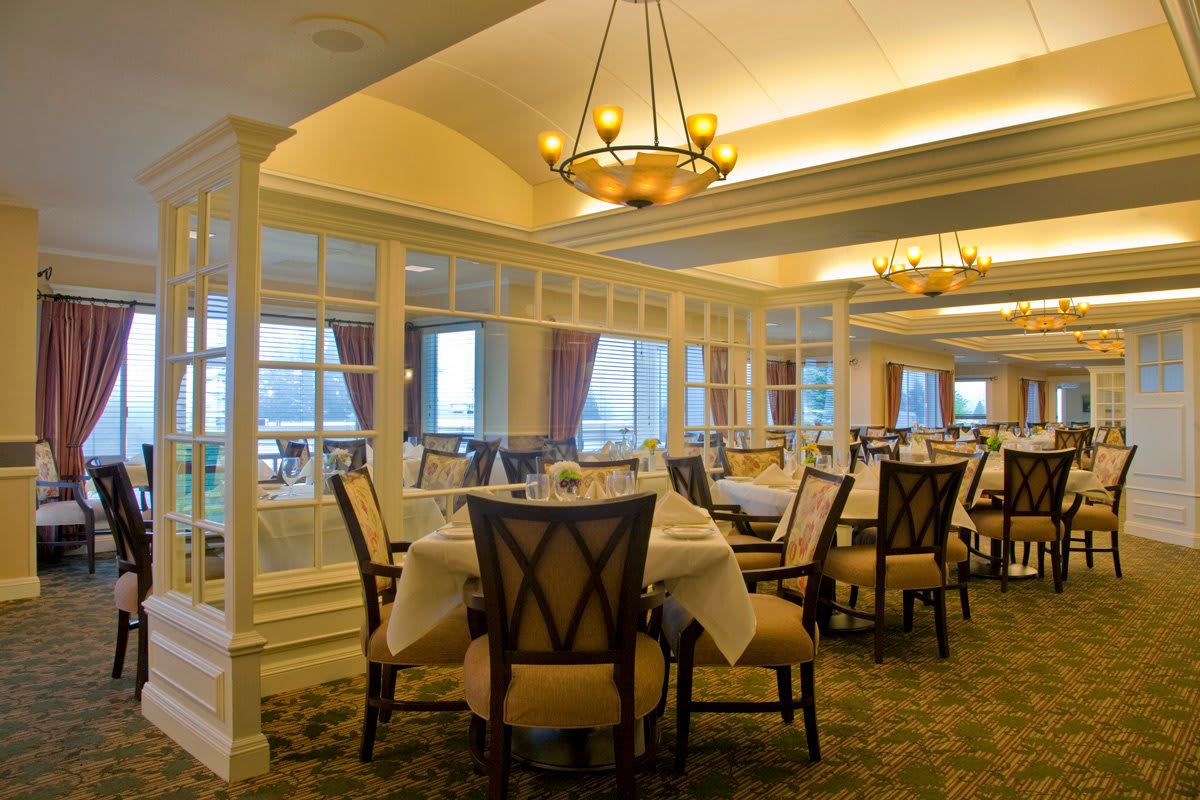
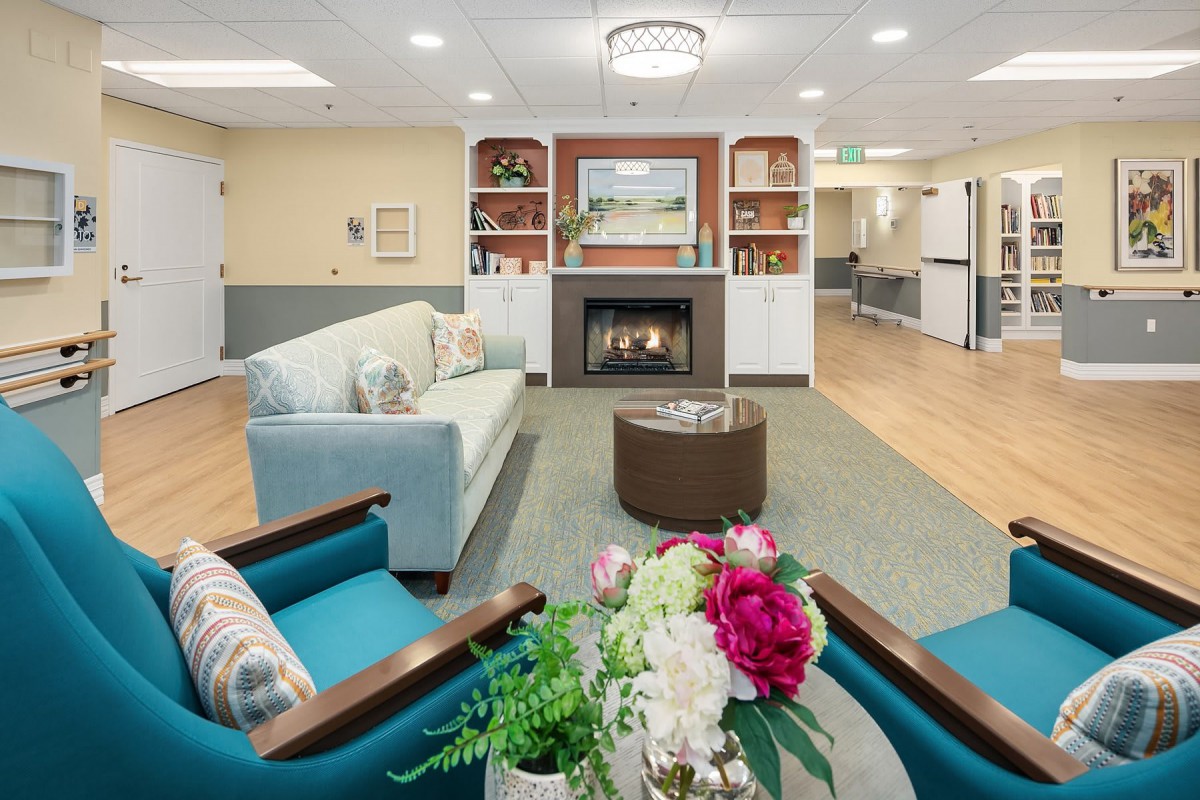
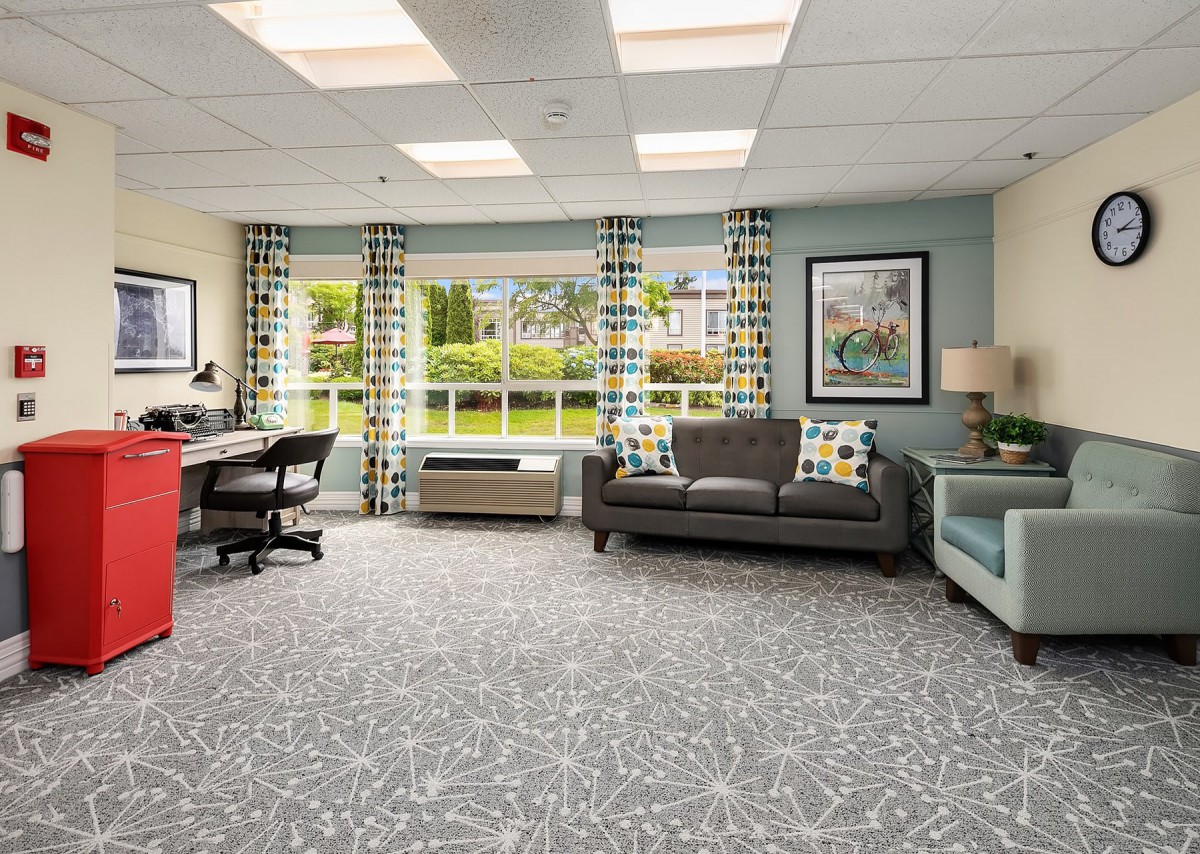
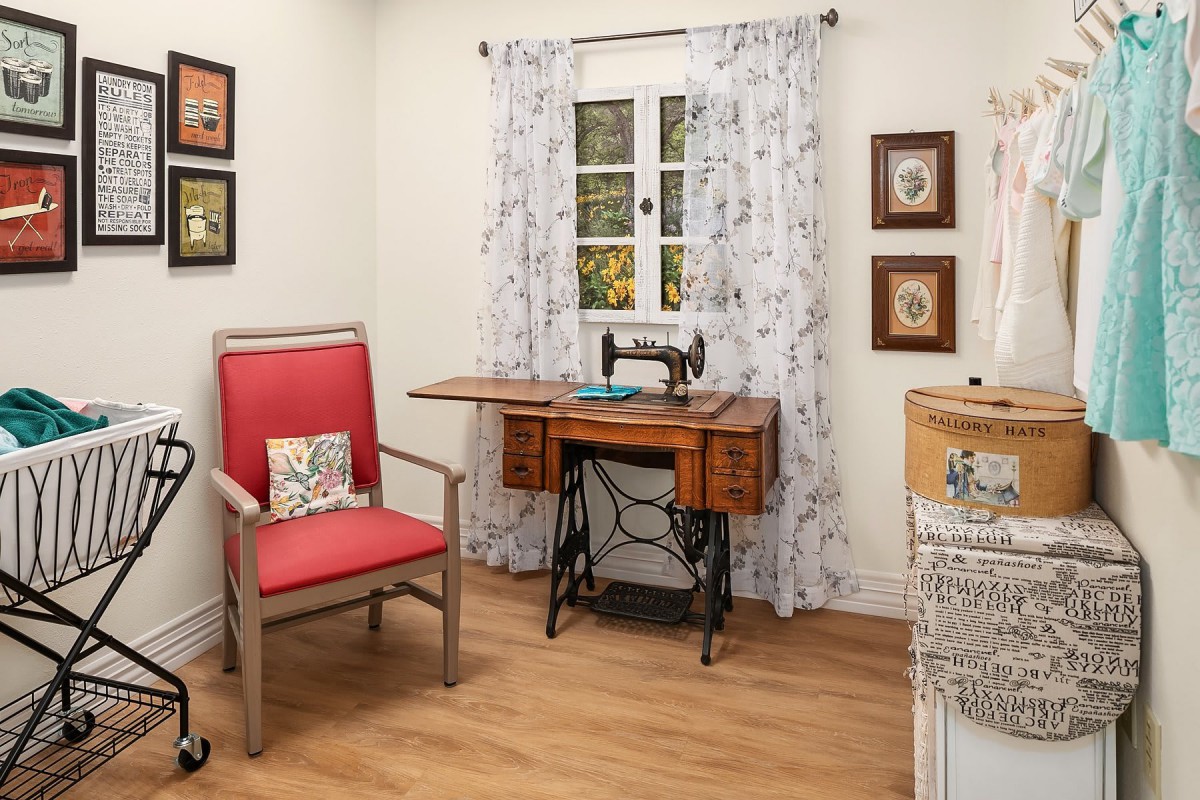
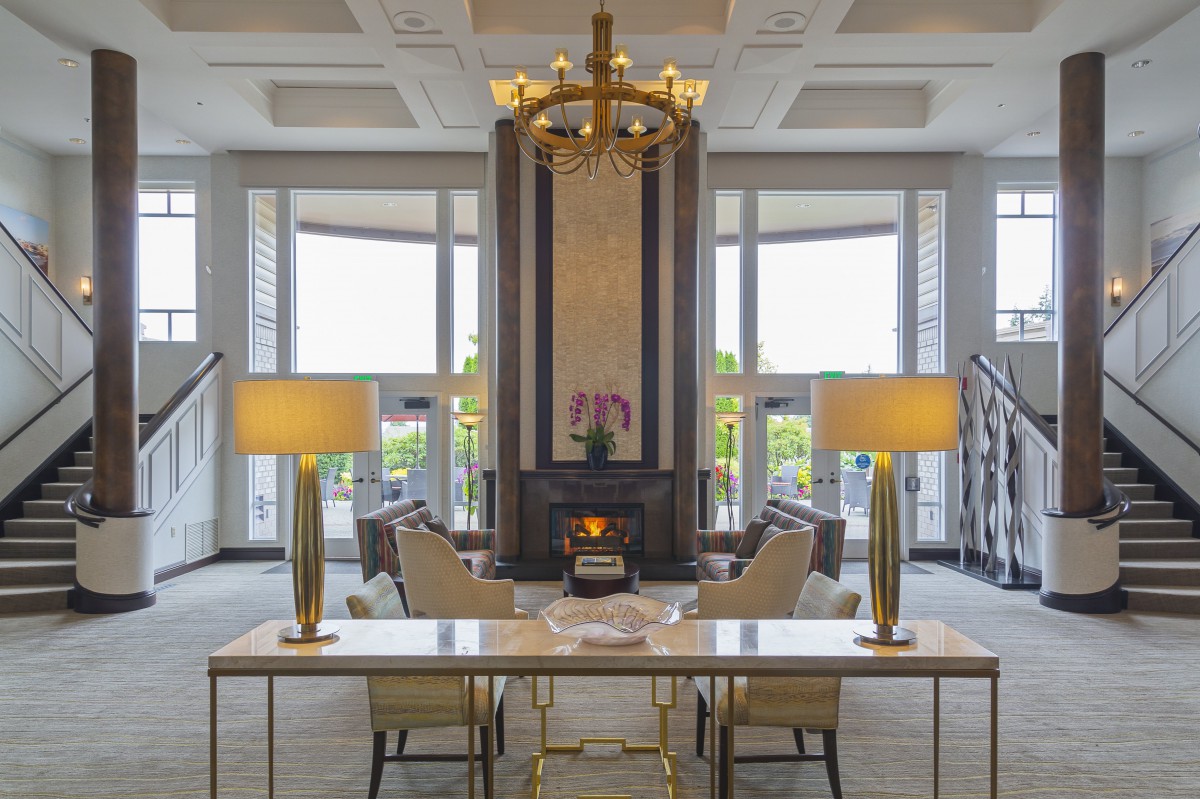
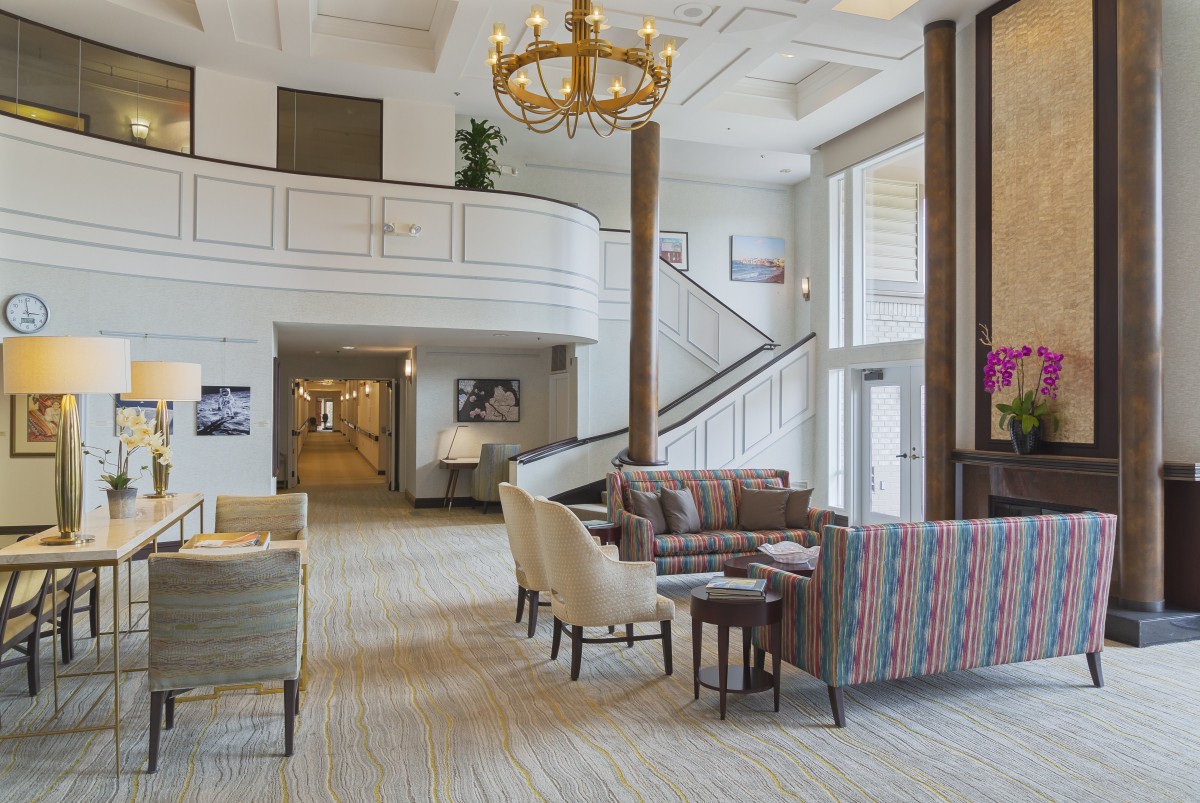
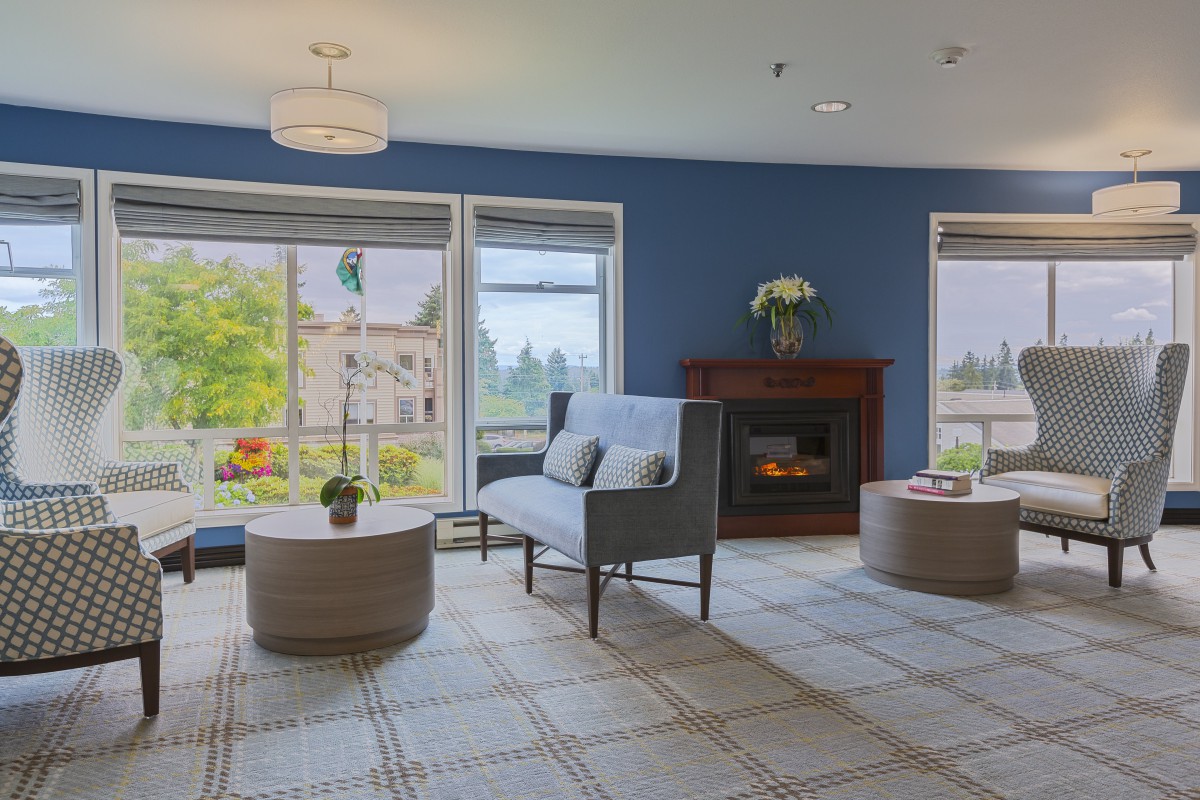
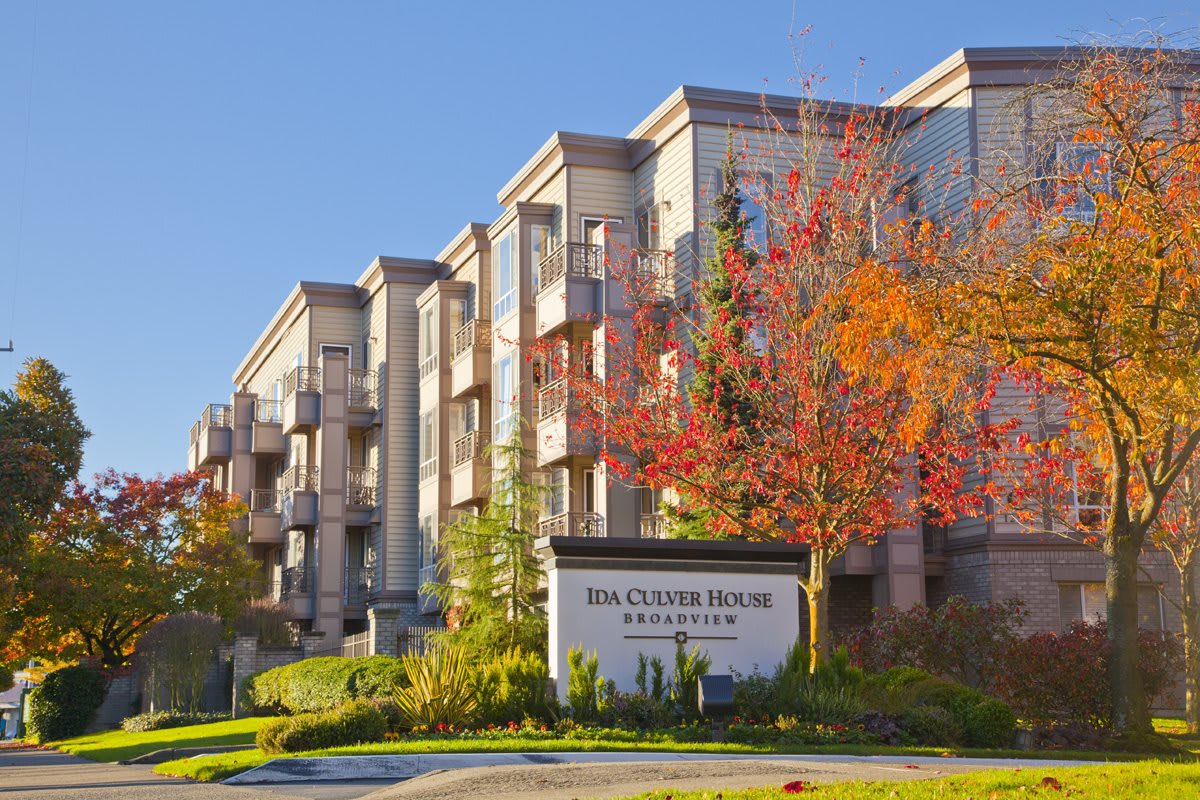
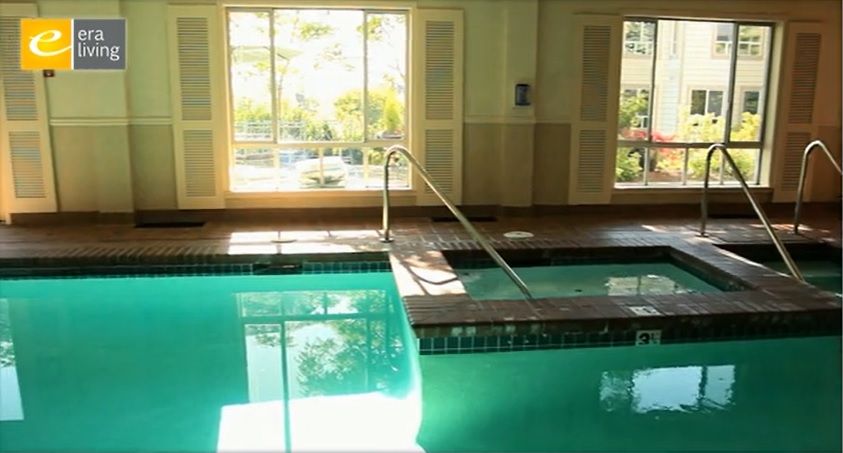
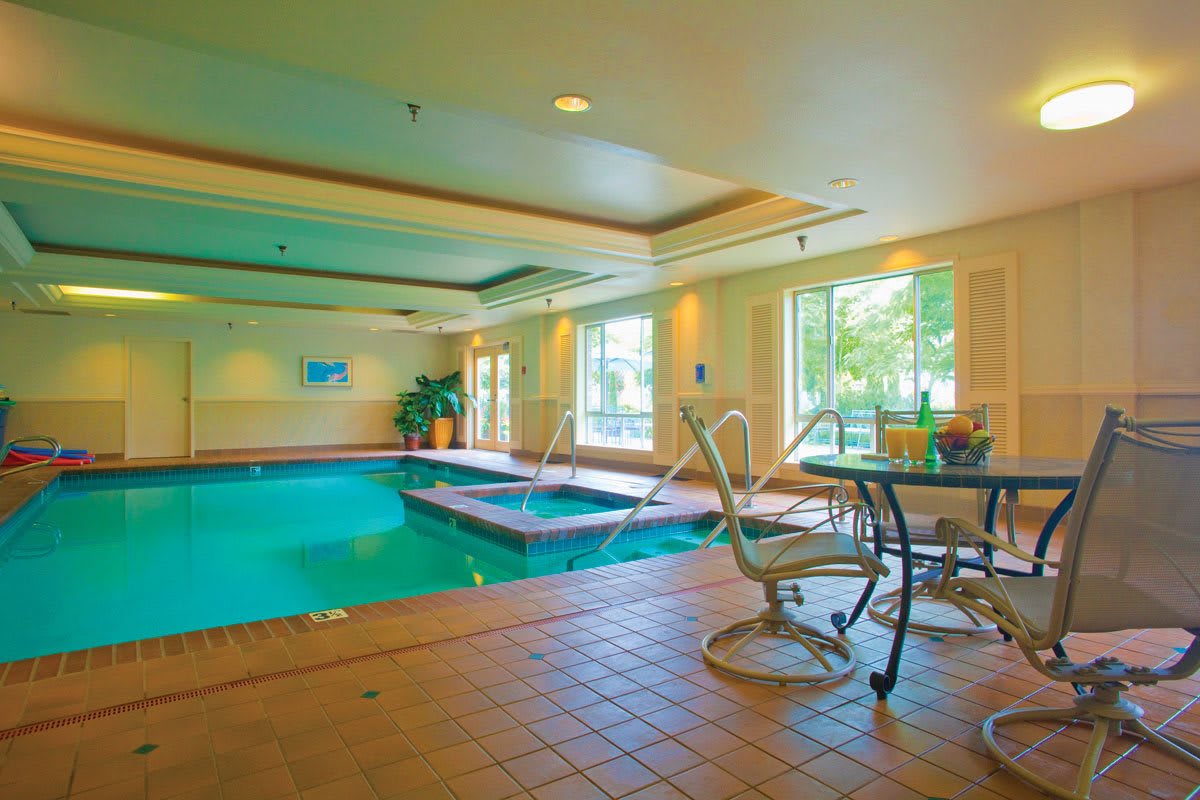
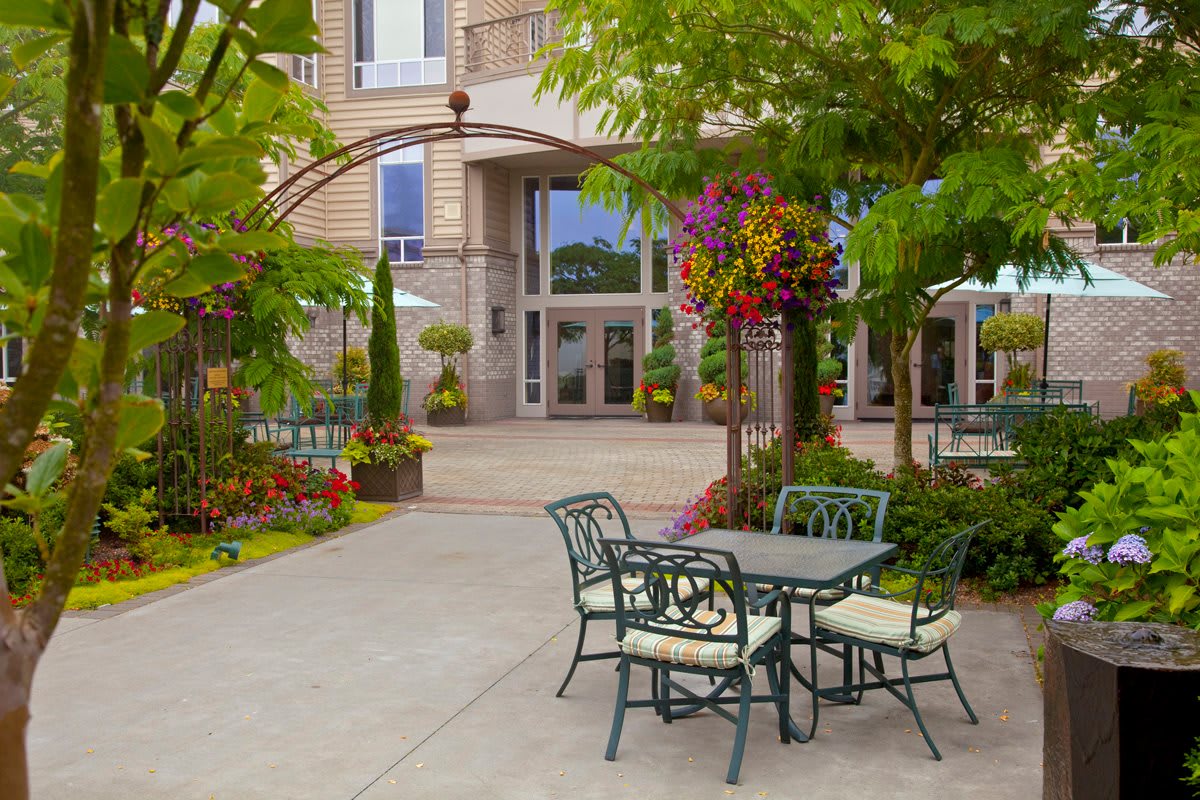
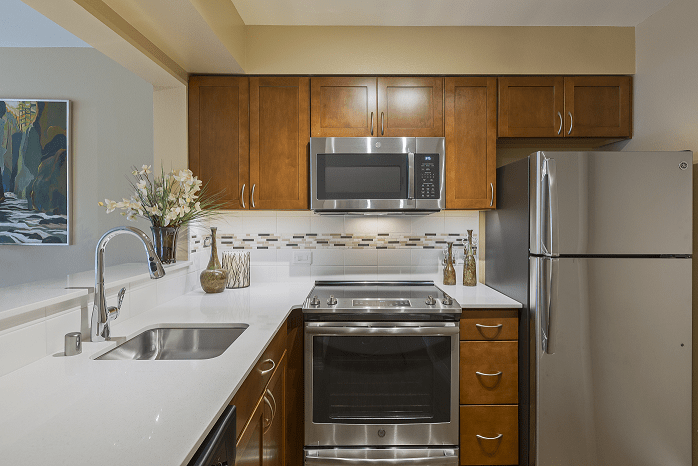
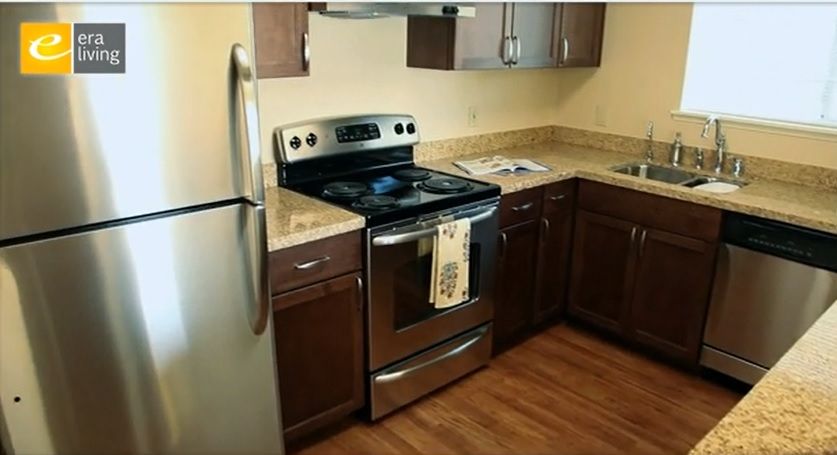
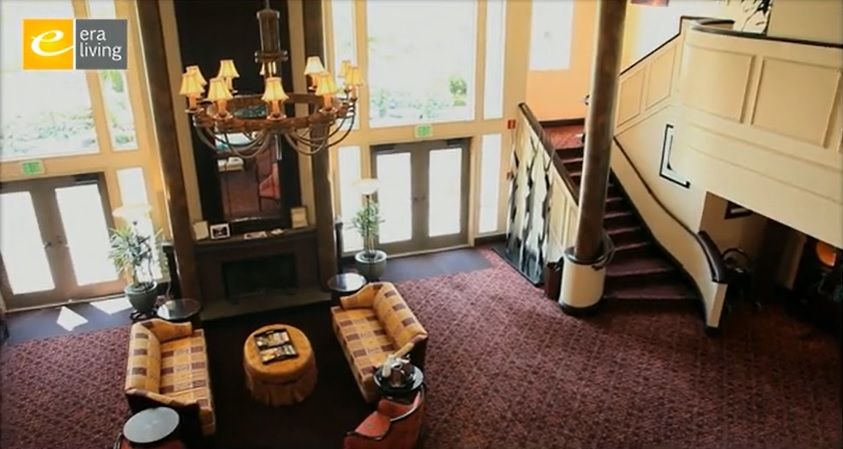
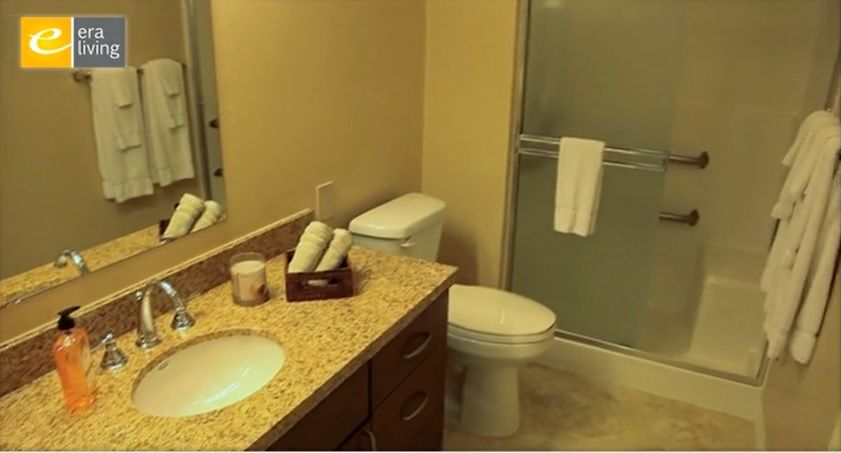
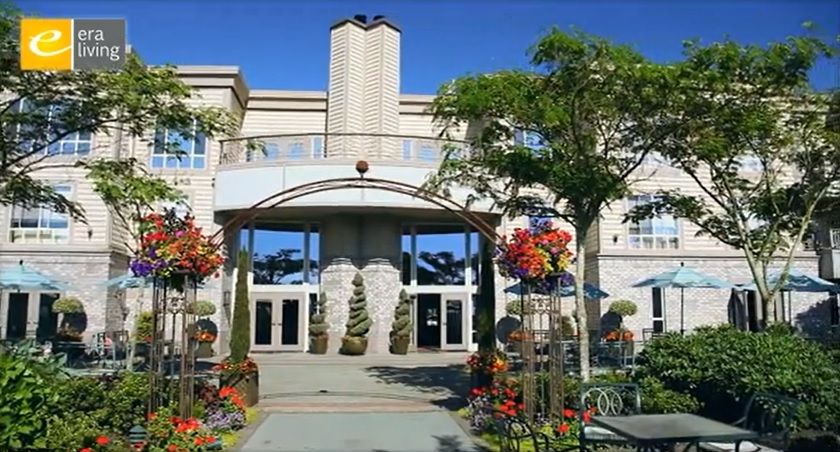
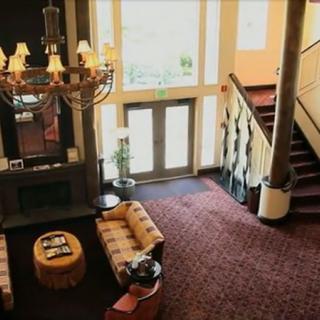
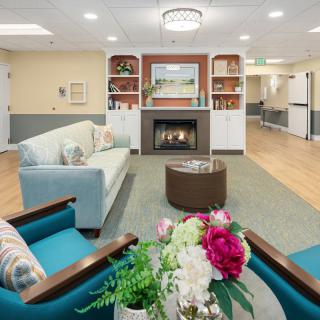
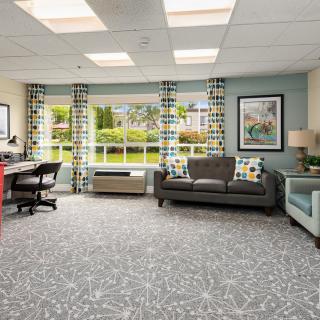
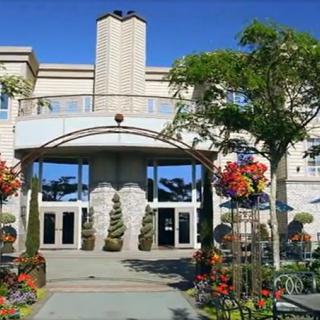
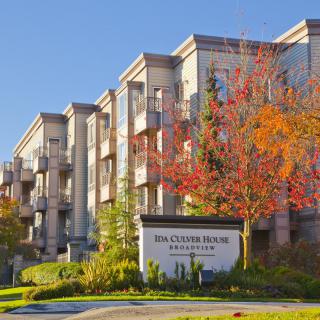
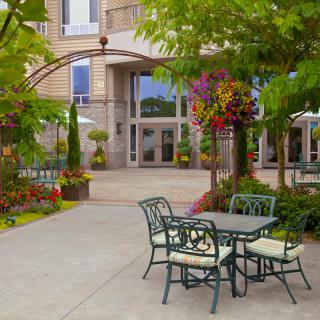
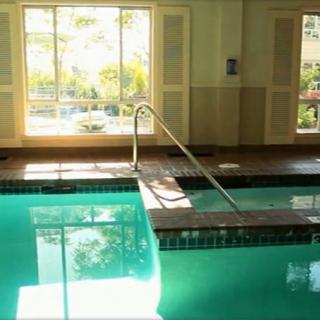
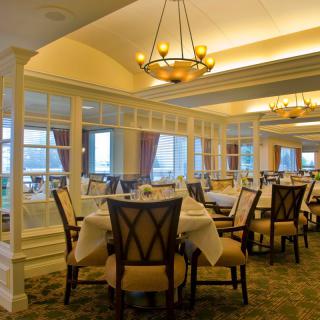
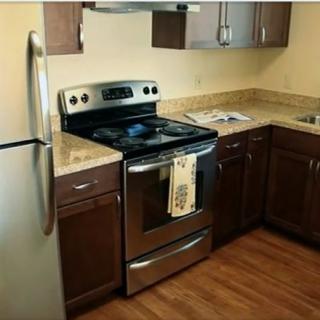
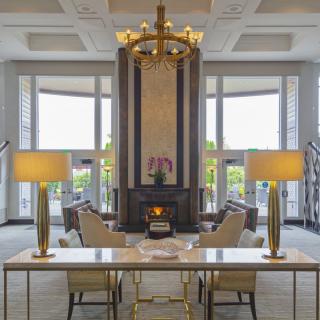
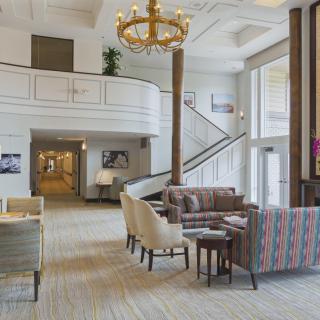
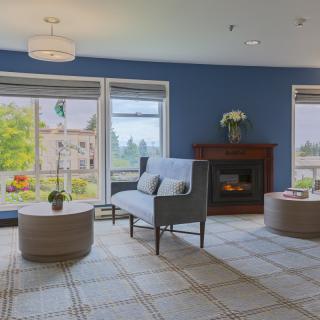
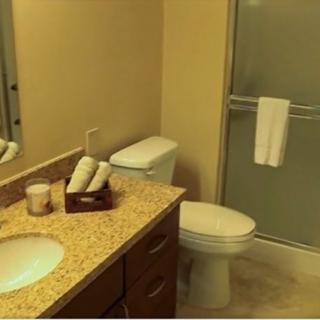
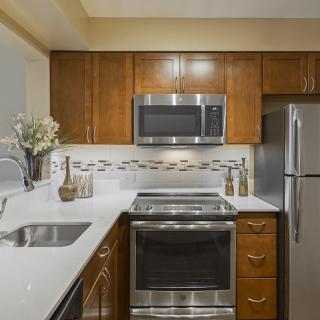
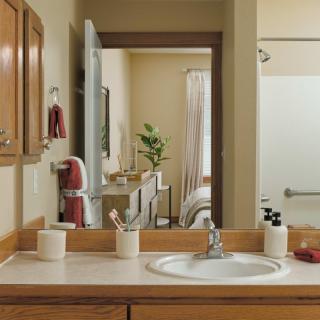
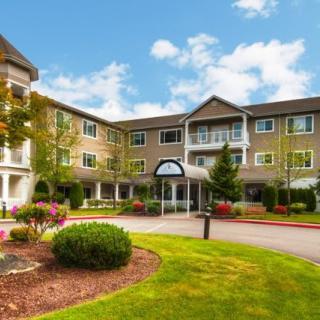
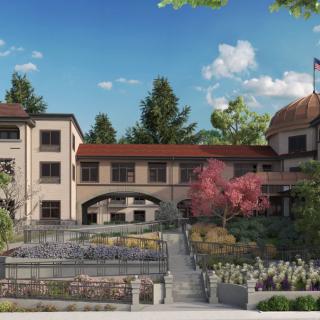
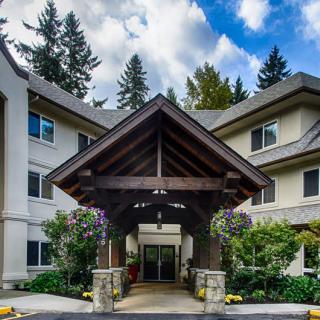
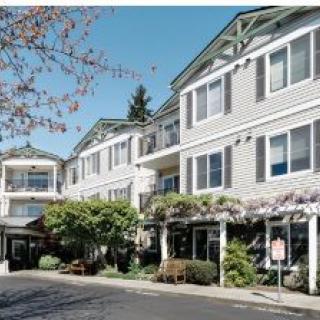
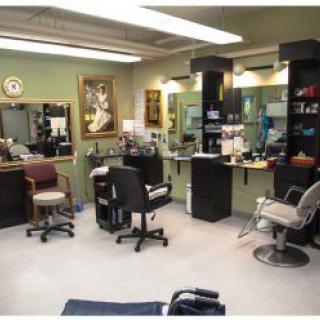
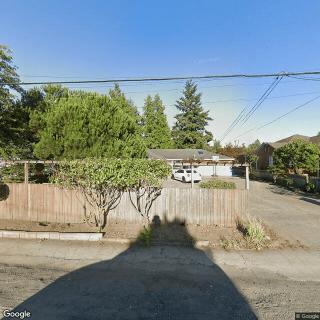
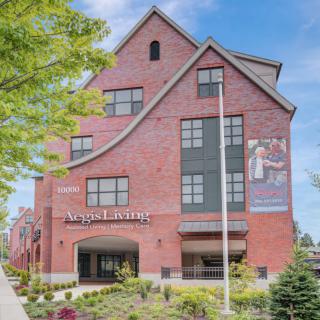
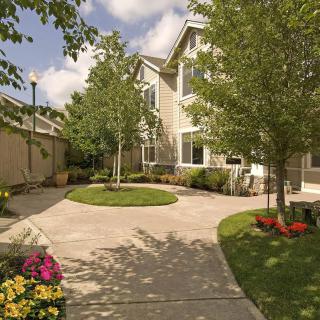
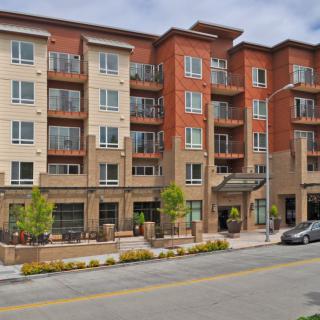
Ida Culver House Broadview on seniors.fyi includes 17 photos including images showing interior, windows, lobby, chandelier, living room, decor, trees, dining, and more.
Nearby Communities
Ida Culver House Broadview
Seattle, WA
4.4 from 101 reviews
Caring staff and a well-maintained facility with engaging activities.
Happy Family Adult Family Home 3
Seattle, WA
4.9 from 10 reviews
$4,500 to $5,500 / month
Caring staff in a clean, welcoming environment with a strong memory-care focus.
Jasmine Homecare I
Seattle, WA
$3,000 to $3,400 / month
Competitive pricing vs. King County/WA averages.
Gardenview Ridgemont
Seattle, WA
3.3 from 6 reviews
$3,200 to $3,500 / month
Foss Home And Village
Seattle, WA
3.8 from 64 reviews
Comprehensive memory care and skilled nursing with 24/7 supervision and engaging activities.
Mill Creek AFH Inc VI
Seattle, WA
1 from 1 review
Aegis of Greenwood
Seattle, WA
4.4 from 23 reviews
$4,800 to $12,000 / month
Caring, attentive staff (especially in memory care) with accessible management.
Aegis Living Callahan House
Shoreline, WA
4 from 17 reviews
Private rooms with personalized activities in a bright, clean environment.
Aljoya Thornton Place, a CCRC
Seattle, WA
4.7 from 35 reviews
$3,130 to $4,730 / month
Friendly, attentive staff and a comprehensive wellness program in an upscale, hotel-like setting.
Alzheimer’s disease is a progressive neurological disorder that significantly impacts memory and cognitive functions, accounting for 60-80% of dementia cases, with early diagnosis being crucial yet challenging. It involves brain changes like beta-amyloid plaques and tau tangles, influenced by genetic and lifestyle factors, and while there is no cure, symptom management and support for caregivers are essential.
Dementia, influenced by aging and certain medications, may be exacerbated by drug classes such as anticholinergics, benzodiazepines, and antipsychotics, which are associated with cognitive impairment. Regular medication reviews by healthcare professionals are crucial for older adults to manage risks and optimize cognitive health.
Dementia often results in disrupted sleep patterns, leading to excessive daytime sleeping due to factors like brain damage affecting circadian rhythms, medication side effects, and lack of structure in daily activities. Caregivers must monitor these changes closely, as oversleeping can increase risks such as malnutrition or dehydration, and provide necessary support and routines to enhance patient engagement and well-being.
Get PricingAsk A QuestionSchedule A TourContact Senior Advisor
By clicking submit, you agree to our Partner's Terms of Use. You
also consent to receive calls and texts, which may be autodialed, from our Partner. Your consent is not a condition to
using our Partner's service. Please visit our Partner's Privacy Policy for information about their privacy practices.



 85 resident community capacity
 1-bedroom apartments
 Detached homes
 Assisted Living
 Independent Living
 Memory Care
 Skilled Nursing Facility
 Activities off-site
 Air-conditioning
 Bath tubs
 Beautician on-site
 Cable or satellite TV
 Computer center
 Devotional services off-site
 Dining room
 Fitness room
 Full kitchen
 Fully furnished
 Gaming room
 Garden
 Ground floor units
 Guest parking
 Handicap accessible
 Housekeeping services
 Indoor common areas
 Laundry
 Move-in coordination
 Outdoor common areas
 Party space
 Private bathrooms
 Respite or short term stays offered
 Restaurant-style dining
 Small library
 Spa
Spa Swimming pool
 Telephone
 Wheelchair accessible showers
 Wi-Fi/high-speed internet available
 Seattle-Tacoma International (19 miles away)
 Community operated transportation
 12-16 hour nursing
 24-hour call system
 Ambulatory care
 Assistance with bathing
 Assistance with dressing
 Assistance with transfers
 Diabetes diet
 Diabetic care
 High acuity care
 Incontinence care
 Medication management
 Mental wellness program
 Special dietary restrictions
 Art classes
 Book club
 Concierge services
 Cooking club
 Day trips and outings
 Educational speakers / life long learning
 Games
Games Happy hour
 Live dance or theater performances
 Live musical performances
 Wine tasting
 English
 Caring staff and a well-maintained facility with engaging activities.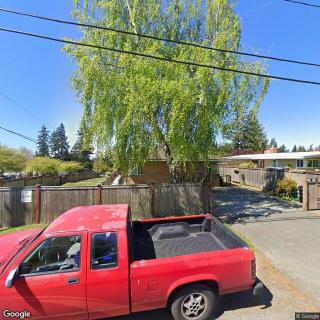
 Illuminating Insights About Alzheimer's Disease: Ten Crucial Realities
 A Thorough Discussion of Medications Potentially Linked to Dementia Risk
 Why Do Dementia Patients Sleep So Much? Understanding Oversleeping, Stages, and Care Approaches