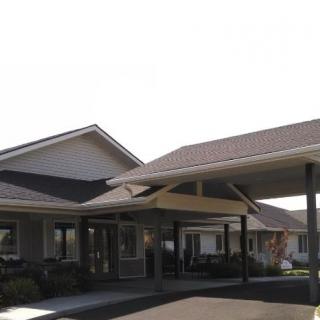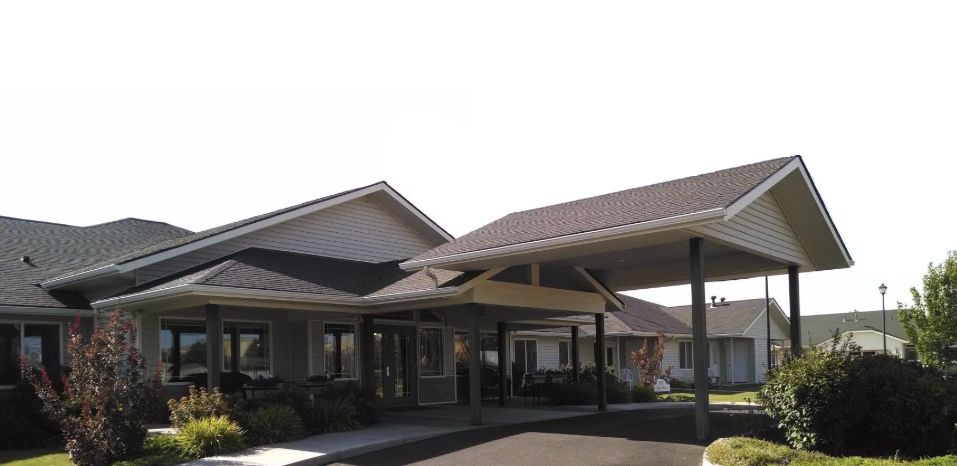

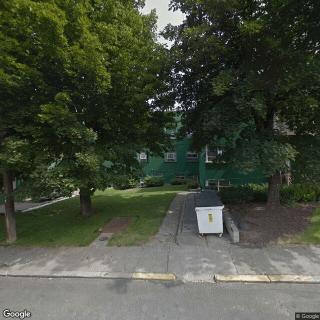
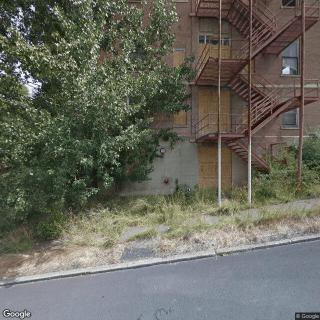
102 Bryant Boulevard, Saint John, WA 99171
For more information about senior living options: (866) 208-4318
Overall Review of Community Pride
Pros
 They were very professional.
- They showed great kindness.
- They would do anything to make the uncle's last months of life positive.
- The entire staff was wonderful and very attentive.
- The reviewer would highly recommend them.
Review
Community Pride in Saint John, WA is best suited for families seeking exceptionally compassionate, professional end-of-life care for a loved one who benefits from steady hands, clear communication, and a staff that goes the extra mile to preserve dignity and comfort. This community shines when the priority is consistent daily attention, thoughtful symptom management, and a warm, respectful environment where the care team treats each resident as a person with a history and preferences. The message that comes through from families is that a loved one’s final months can be lived with greater positivity and less distress when surrounded by a cohesive, attentive team dedicated to comfort, rather than just routine tasking.
Those evaluating alternatives should explicitly consider any need for higher medical acuity, more independence, or specialized memory care. If a loved one requires around-the-clock hospital-level interventions, highly specialized memory programs, or a setting geared toward active, program-driven independence, other options may offer more of those features. In addition, families seeking aggressive, goal-directed medical pathways or a facility with a broader spectrum of on-site clinical services might find it prudent to compare options. Community Pride’s strengths lie in relationship-driven care and end-of-life support, which may be a perfect fit for some but not all care trajectories.
The core pros emerge as the defining strengths: professionalism, genuine kindness, and a staff that is consistently attentive. Families repeatedly note that the entire team is wonderful and that staff members readily exceed expectations to keep a loved one comfortable and engaged. These advantages translate into practical outcomes that matter in the final chapters of life, reassurance for families, less anxiety around daily needs, and a trackable sense that care is not only competent but also deeply compassionate. When a caregiver team shows such continuity of warmth and responsiveness, it offsets the anxieties that accompany transitions into long-term care, and it fundamentally changes the lived experience for residents.
In practical terms, the emphasis on compassionate, proactive care means residents experience steadier routines, timely assistance, and a dignified approach to daily living. The willingness to “do anything” for the sake of a more positive last stretch becomes a palpable feature of daily life, not just a slogan. Families report that this culture of attentiveness translates into better symptom management, more meaningful engagement with activities and conversations, and clearer, more honest communication about status and needs. The result is not just comfort, but a recognizable improvement in overall mood and quality of life for residents who deserve peace and respect in their final months.
The rating profile, five stars from four reviews, serves as a practical signal of reliability, consistency, and a proven pattern of care that families can trust. In decision-making terms, this track record matters: a low-variance experience across multiple families reduces the risk of hidden gaps in routine care, staffing responsiveness, or unnoticed declines in well-being. Yet prospective residents should still verify current staffing levels, care planning processes, and how the community integrates specialty services to align with evolving needs. The right fit emerges when the family values humble, consistent excellence in daily care above all else.
For families weighing next steps, a decisive approach is advisable. Begin with a campus visit focused on how care plans are built and updated, who coordinates transitions between care stages, and how the staff communicates with families about changes in condition. Request examples of end-of-life care conversations, symptom management strategies, and how the team handles escalation if needs intensify. If the priority remains consistent, compassionate, and hands-on attention during the final months, Community Pride should be at the top of the short list. If instead the focus is on independence, specialized memory programming, or higher medical intensity, keep exploring to ensure the selected community aligns precisely with those goals.
 21 resident community capacity
 Assisted Living
 Hospice Agency
 Memory Care
 Respite Care
 Activities on-site
 Beauty salon
 Cable or satellite TV
 Devotional services off-site
 Dining room
 Fully furnished
 Garden
 Housekeeping services
 Indoor common areas
 Kitchenette
 Move-in coordination
 Outdoor space
 Restaurant-style dining
 Small library
 Telephone
 Wi-Fi/high-speed internet available
 24-hour call system
 Ambulatory care
 Assistance with bathing
 Assistance with dressing
 Assistance with transfers
 Diabetes diet
 Diabetic care
 Medication management
 Mental wellness program
 Special dietary restrictions


 Five Subtle Dementia Indicators to Observe: An In-Depth Guide to Understanding “Does My Mom Have Dementia?”
 Dementia, Paranoia, and Caregiver Guidance: Understanding the Connection
 Engaging Memory Care Activities That Enhance Quality of Life