
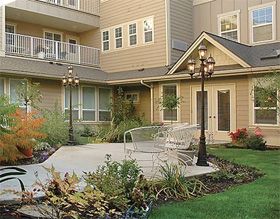
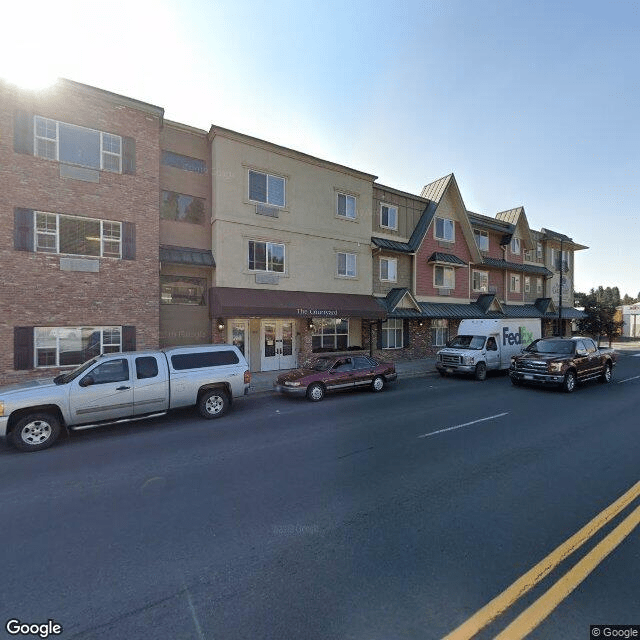
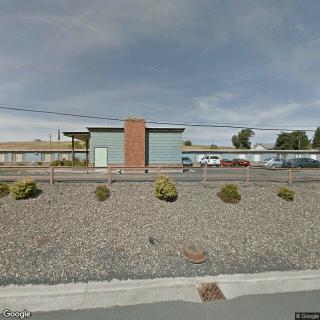
300 S Main St, Colfax, WA 99111
To contact a resident: (509) 397-6123
For more information about senior living options: (866) 208-4318
The Courtyard at Colfax Costs & Pricing
The Courtyard at Colfax offers competitive monthly costs for its various room types, making it an attractive option in the region. For both studio and two-bedroom units, residents can expect to pay $2,650 per month, which is significantly lower than the respective average costs of $3,430 in Whitman County and $4,126 statewide in Washington. Additionally, the one-bedroom unit is priced at $2,800, again showcasing a favorable comparison to the county's average of $4,240 and the state's median of $4,632. This pricing structure not only highlights The Courtyard at Colfax as a cost-effective choice but also underscores its commitment to providing quality living options within a competitive market.
| Floor plans | The Courtyard at Colfax | Whitman County | Washington |
|---|---|---|---|
| Studio | $2,650 | $3,430 | $4,128 |
| 2 Bedrooms | $2,650 | $3,482 | $4,301 |
| 1 Bedroom | $2,800 | $4,240 | $4,634 |
Assisted Living communities with a similar price nearby
-
from -$188 / mo

Palouse Hills Assisted Living
$2,462 to $3,070 / month19.6 miles away
Overall Review of The Courtyard at Colfax
Pros
 The facility is friendly, helpful, and clean.
- It is a great place for the elderly to live with friendly assistance.
- The facility is nice, clean, and has friendly staff.
Review
The Courtyard at Colfax is best suited for seniors who want a clean, intimate, service-forward community where staff are readily available and daily routines are straightforward. It suits residents who value friendly, personable care and a calm, home-like atmosphere over a bustling, large-campus setting. For couples seeking to stay together while receiving supportive services, and for families looking for transparent, predictable daily living and caregiving, this option is a natural fit. It is especially strong for those who prioritize accessibility and a low-stress environment in which daily tasks and emergencies feel manageable. This is not the right choice for those demanding high-acuity medical treatment, extensive memory-care specialization, or a wide-ranging calendar of enrichment programs.
Those weighing alternatives should consider options that offer robust skilled-nursing oversight, 24/7 medical monitoring, or dedicated memory-care services with clearly defined dementia programming. Larger communities often provide more complex care layers, longer-term medical integration, and broader activity menus that may appeal to residents with evolving needs. If the goal is active engagement through frequent, structured events or if the plan anticipates transition to a high level of clinical support, it is prudent to compare other facilities that emphasize those strengths. The Courtyard at Colfax sets a high bar for warmth and cleanliness, but families with specialized clinical requirements may want to look at venues that foreground advanced care capabilities.
The strongest pros are unmistakable: cleanliness, approachable staff, and a warm, friendly atmosphere permeate the experience. The facility’s presentation and upkeep project an environment of order and care, reducing anxiety for residents and their families. Staff interactions come across as practical and personable, with an emphasis on helping with daily living tasks in a respectful manner. Residents are likely to feel seen and supported, which translates into predictable routines and smoother communication about needs, preferences, and schedules. In short, the day-to-day experience centers on comfort, reliability, and amiable, responsive assistance.
Those advantages offset potential drawbacks by delivering trust and predictability that matter most in daily decision-making. While the small-community model may have fewer specialized programs or medical-oversight layers than larger campuses, the evident staff attentiveness and clean, orderly setting mitigate concerns about safety, response times, and quality of life. Families weighing options can value the immediate accessibility of care and the low-stress environment as compensations for any desire for more expansive activity calendars. The combination of clean facilities and friendly, dependable help creates a strong foundation for peace of mind as long-term care needs evolve.
Practical evaluation steps should center on confirmable details and fit-for-purpose questions. Tour multiple times, ideally at different hours, to observe staff interactions with residents and overall flow. Inquire about staffing ratios, licensed nursing coverage, how care plans are developed and updated, and how medication assistance is delivered. Probe dining options, meal scheduling, and the flexibility to accommodate dietary needs. Clarify transportation to appointments, social activities, and errands, plus any fees for services beyond base pricing. Finally, establish a clear understanding of the admission process, residency length expectations, and the options if a higher level of care becomes necessary later on.
Bottom-line guidance: for families prioritizing warmth, cleanliness, and dependable daily support, The Courtyard at Colfax stands out in the Colfax area as a practical, low-stress choice. It delivers a consistently welcoming environment with responsive staff and a sense of safety that families value. If the care plan requires more advanced clinical oversight, memory-care specialization, or a broader activity slate, those criteria should be tested against alternatives designed explicitly for higher-acuity or dementia-focused needs. When the goal is to minimize complexity while maximizing personal attention, this community is a compelling match.
 50 resident community capacity
 Assisted Living
 Respite Care
 Activities on-site
 Beauty salon
 Cable or satellite TV
 Devotional services off-site
 Dining room
 Fully furnished
 Garden
 Housekeeping services
 Indoor common areas
 Kitchenette
 Move-in coordination
 Outdoor space
 Restaurant-style dining
 Small library
 Telephone
 Wi-Fi/high-speed internet available
 24-hour call system
 Ambulatory care
 Assistance with bathing
 Assistance with dressing
 Assistance with transfers
 Diabetes diet
 Diabetic care
 Medication management
 Mental wellness program
 Special dietary restrictions


 Securing Financial Support for Assisted Living: A Comprehensive Overview
 Social Security Benefits and Assisted Living: Navigating Options Across the U.S.
 An Extensive Exploration of the VA Aid and Attendance Benefit