
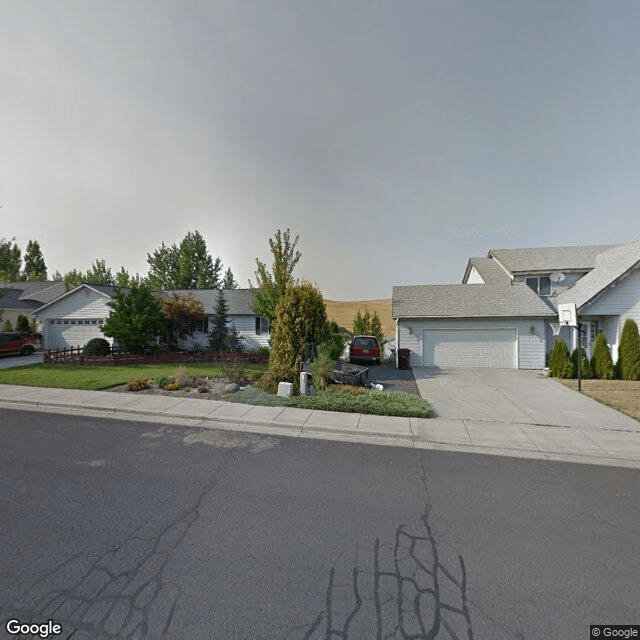
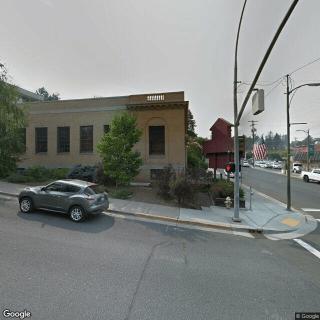
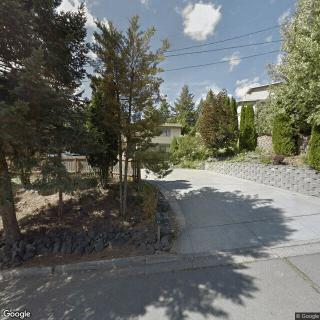
320 NW Terra View Drove, Pullman, WA 99163
To contact a resident: (509) 432-6479
For more information about senior living options: (866) 208-4318
Precious Elders AFH Costs & Pricing
Precious Elders AFH offers a range of accommodation options with pricing that reflects the premium services and care provided. For a semi-private room, residents can expect to pay $5,500 per month, which is higher than both the Whitman County average of $5,155 and the statewide average of $4,267. In terms of one-bedroom accommodations, Precious Elders AFH again stands at $7,500, significantly exceeding the county's $4,240 and the state's $4,632. Additionally, for private rooms also priced at $7,500, there is a noticeable premium over Whitman County's average of $6,000 and Washington's state average of $4,772. Overall, while Precious Elders AFH's rates may be above local and state averages across all room types, they reflect a commitment to delivering exceptional care tailored to the needs of its residents.
| Floor plans | Precious Elders AFH | Whitman County | Washington |
|---|---|---|---|
| Semi-Private | $5,500 | $5,155 | $4,272 |
| 1 Bedroom | $7,500 | $4,240 | $4,634 |
| Private | $7,500 | $6,000 | $4,774 |
Memory care communities with a similar price nearby
-
from -$1000 / mo
Gentle Hands with Grace LLC
$4,500 to $5,000 / month1.2 miles away
Overall Review of Precious Elders AFH
Pros
 It is a very nice place to call home.
- They are very happy there.
- There are kind people who show a lot of love for the clients in their home.
Cons
 It was quite congested and very chaotic.
- The tour included a remark about calming the residents down with a cocktail, which the reviewers did not want to do.
Review
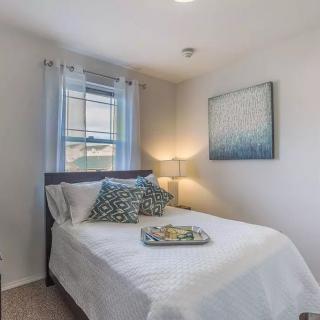
Precious Elders AFH in Pullman, WA is best suited for families seeking a warm, home-like environment where seniors are cared for as part of a small, close-knit household. This community thrives on personal attention, frequent kindness, and a visible sense of belonging. It appeals to residents who prize a cozy, family-style atmosphere over a clinical, impersonal setting, and who benefit from staff who know them by name, greet them with warmth, and integrate daily life into a familiar, comforting routine.
The strongest upside lies in the emotional and relational continuity the home provides. Reviews describe a place that feels “very nice” and that makes residents feel happy and well-tended, with caregivers who demonstrate genuine love for the people living there. The language used by families, “kind people,” “lot of love for the clients”, points to a caregiving culture built on warmth, patience, and consistent, hands-on support. In practical terms, this translates to reduced loneliness, more meaningful interactions, and a sense that life at Precious Elders AFH is anchored in everyday human connection, not transactional care.
Yet the place is not without its drawbacks. A notable concern across the mixed feedback is congestion and a sense of chaos at times, particularly during tours or busy periods. That crowded feel can challenge residents who prize quiet, predictable routines or who are easily overwhelmed by activity and noise. Compounding this is a troubling remark during a tour about “calming the residents down with a cocktail,” which raises serious questions about policies, safety, and the ethical boundaries of care. These red flags do not negate the warmth, but they do demand clear, upfront scrutiny of medication practices, supervision standards, and the daily flow of activities.
The key pros can offset these cons for the right resident. For seniors who respond to intimate, personal care and who thrive when staff members know their preferences, history, and quirks, the emotional security and sense of home can far outweigh occasional crowding. The consistent, affectionate staff relationships create a dependable support system that can buffer any discomfort from a busy floor or tight spaces. In short, when the elder values belonging, routine, and close, trust-based caregiving, the positives often outweigh the logistical downsides.
However, this setting may not be the best fit for everyone. Families seeking robust clinical oversight, highly structured daily programs, or more expansive, quiet living areas may wish to consider alternatives. Larger assisted living communities with bigger footprints, formal memory care options, or facilities that demonstrate clear policies on sedation, staffing ratios, and activity scheduling may better suit residents requiring strong medical management, stricter safety protocols, or more defined, distraction-free environments. Those who want greater privacy or a wider range of on-site services might also prefer a different model.
Bottom line: Precious Elders AFH offers a compelling blend of heartfelt care and homelike comfort that genuinely serves residents who value intimate, person-centered caregiving. The warmth and consistency of the staff are its core strength, delivering evident emotional benefits that can compensate for a smaller, busier setting. Prospective families should proceed with a clear set of questions about space management, staffing levels, and policies around resident autonomy and sedation before committing. A follow-up observation at different times of day, direct conversations with staff about daily routines, and, if possible, a short trial stay will illuminate whether the environment matches the elder’s temperament and care needs.
 Board and Care Home
 Memory Care
 Activities off-site
 Bath tubs
 Beautician on-site
 Devotional services off-site
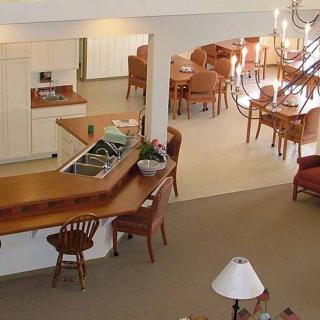
 Indoor common areas
 Outdoor common areas
 Private
 Private bathrooms
 Respite or short term stays offered
 Wheelchair accessible showers
 Diabetic care
 High acuity care
 Incontinence care
 Medication management
 Meals provided
 How to Communicate with a Loved One Living with Dementia: 10 Supportive Strategies
 Comprehensive Guide to VA Nursing Homes: A Crucial Long-Term Care Resource for Veterans
 Estimating the Expenses of At-Home Dementia Care: A Detailed Exploration