
104 Pioneer Street, Ridgefield, WA 98642
For more information about senior living options: (866) 208-4318
Overall Review of Ridgefield Living Center
Pros
 The owner was kind to hire the executive director when she was very young.
- The owner became her biggest supporter.
- Over the decades he gradually trained her to take charge.
- He generously houses several of her younger relatives at this business.
- He also employs her other family members and their partners.
- She knows how to make do with items at hand, showing resourcefulness.
- He always grants her business requests when she asks.
- Asbestos removal was completed, improving safety.
Cons
 The facility needs a wider variety of activities.
- The facility currently lacks healthy options for residents.
Review
Ridgefield Living Center is best suited for families seeking a small, family‑run environment where leadership is clearly accessible, and care is grounded in practical, hands‑on problem solving. The community benefits from a long-standing owner who actively supports the executive director and maintains a tight-knit team. This is a place where staff loyalty and a can‑do attitude translate into a homey atmosphere, with operations that feel personal rather than corporate. Families prioritizing relationship-based care, predictable routines, and a straightforward, down‑to‑earth staffing approach will find value here, especially if they value continuity and a sense of community ownership.
Those who must have a bustling activity calendar, a wide range of healthy meal options, and highly structured programming may want to consider alternatives. The reviews flag a notable gap in engaging activities and nutritional variety, which can translate into extended idle periods for residents who crave meaningful social engagement or physical stimulation. For seniors who rely on robust, diverse programming to stay engaged and connected, Ridgefield Living Center may feel limited. Prospective families should weigh the quiet, intimate pace against the expectations for daily enrichment and external outing opportunities.
On the plus side, the most compelling pro is leadership stability. An owner who has mentored the executive director for decades creates a trusted line of accountability and continuity in care decisions. That dynamic matters when families cannot be present daily; the sense that the operation is guided by consistent, invested leadership can offset the absence of a large, flashy activity schedule. The facility’s resourceful culture, making do with what’s on hand and responding to requests with flexibility, translates into dependable, timely problem solving. Even older infrastructure benefits from ongoing attention, evidenced by the asbestos removal completed in 2021, signaling an openness to address safety concerns and maintain reasonable living conditions.
Nevertheless, the same family‑centered structure can carry potential downsides. Some families may prefer a more formal governance framework with clearly delineated processes, stronger external oversight, and more transparent reporting. The intimate, non‑corporate feel could raise concerns about scalability, equity in programming, and the pace of modernization as resident needs evolve. Additionally, the owner’s close involvement with staff and relatives in the business, while often a source of warmth and loyalty, deserves careful scrutiny during tours to ensure governance remains professional and resident-focused, with robust policies to protect residents’ interests.
The facility’s age and footprint shape day-to-day life in practical ways. While the building may lack some of the newest finishes or high‑end amenities found at bigger campuses, it tends to deliver reliable, comfortable spaces for everyday living. The ongoing maintenance mindset, evidenced by past safety improvements, speaks to a commitment to keeping residents safe without inflating costs. For families weighing choices, this translates into lower driver for premium branding and higher emphasis on genuine, personal attention. Those who can accept modest amenities in exchange for steady, familiar care will likely settle in well.
For decision‑makers, Ridgefield Living Center offers a clear fit for a specific senior who values steadiness, warmth, and direct access to leadership over a robust menu of activities. If the priority is curated programming, nutrition variety, and intensive medical or rehab services on site, other communities will better meet those demands. During visits, ask pointed questions about activity planning, meal offerings, and how resident input shapes calendars. Probe the governance practices, daily staffing levels, and how the owner’s participation translates into formal accountability. In short, this community rewards families who prize a home‑like governance, loyal staff, and practical care, while warning those who demand a bustling, modernized programming engine to look elsewhere.
 38 resident community capacity
 Assisted Living
 Respite Care
 Beauty salon
 Cable or satellite TV
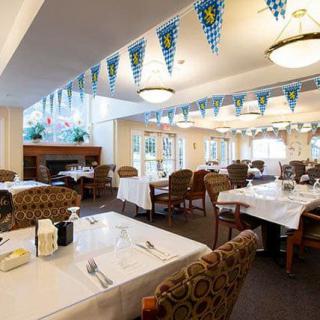
 Dining room
 Fully furnished
 Garden
 Housekeeping services
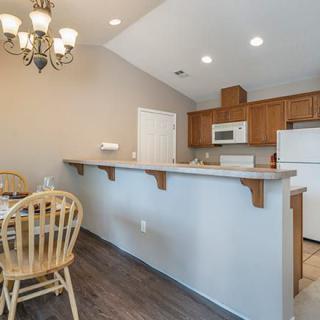
 Kitchenette
 Move-in coordination
 Outdoor space
 Restaurant-style dining
 Small library
 Telephone
 Wi-Fi/high-speed internet available
 Portland International (17 miles away)
 24-hour call system
 Activities of daily living assistance
 Assistance with bathing
 Assistance with dressing
 Assistance with transfers
 Diabetes diet
 Medication management
 Mental wellness program
 Special dietary restrictions



 Is Assisted Living Deductible on Your Taxes? Understanding the Complexities of Assisted Living Expenses and Deductions
 Assisted Living Support for Veterans: A Complete and Detailed Overview
 Exploring the Contrasts Between Assisted Living and Skilled Nursing