
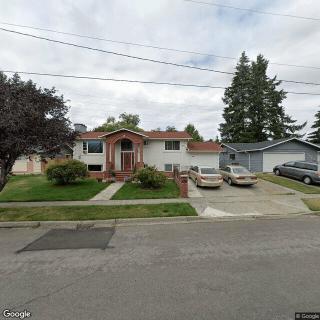
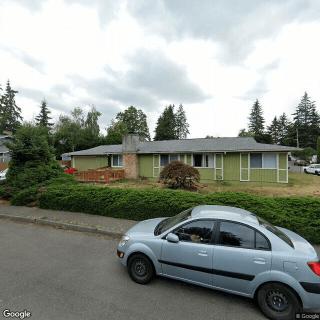
1025 Olympia Avenue Ne, Renton, WA 98055
For more information about senior living options: (866) 208-4318
Overall Review of Bethesda Lutheran Communities Olympia Ave
Pros
 The folks in this company are compassionate.
- They are caring, supportive, and respectful.
- The company comes highly recommended.
Cons
 They are very poor to work with.
- They have a lot of citations.
- They are fake as well.
- They should be approached with caution.
Review
This Renton community is best suited for seniors who want a compassionate, supervised living environment and who are comfortable with a faith-aligned provider. Residents who need dependable help with daily tasks but prefer a smaller, intimate setting will likely feel at home here. Families prioritizing warmth, respectful interactions, and steady oversight will find the culture aligns with those values, especially when stability and a sense of belonging matter as much as routine assistance. It is a strong fit for residents who value humane care delivered with a supportive demeanor more than high-tech programming or cutting-edge clinical offerings.
The most convincing positives center on frontline staff. Reviews repeatedly highlight compassionate, caring, and respectful treatment from caregivers, with families feeling supported and valued. The tone in multiple accounts conveys a home-like atmosphere where residents are treated with dignity, and staff appear committed to fostering comfort and connection. In addition, the facility is described as being monitored by the state, which provides a discipline of accountability and a framework for addressing concerns as they arise. Those seeking a dependable, people-first environment will likely rate these aspects as the core strength of the community.
Against these strengths, a notable caveat emerges from one strongly negative account. A reviewer cautions about difficult interactions with personnel, labeling the organization as difficult to work with and suggesting caution due to numerous citations and allegations of inauthenticity. While this single, pointed critique stands apart from a chorus of praise, it cannot be dismissed. The contrast among reviews indicates potential variability in experience, perhaps tied to specific shifts, staff teams, or regulatory issues at particular times or locations. Families should take seriously the possibility of inconsistent quality and verify governance practices and licensing status directly.
These pros do offset the cons to a practical degree for many prospects. The presence of compassionate staff and a safety-conscious, state-oversight framework can translate into reliable daily care, fewer miscommunications, and a sense of trust for families during transitions. For seniors who prize personal warmth and predictable routines over clinical sophistication, the positives often outweigh the negatives. Still, the weight of the negative review lingers as a reminder that care quality can be uneven and that governance or staff dynamics might affect daily interactions, responsiveness, and overall satisfaction.
Given the mixed signal from the reviews, certain families should consider alternatives. Those who demand transparent, consistently high governance standards across all shifts, or who require more robust clinical programming beyond assisted living, may find other providers offer steadier consistency. Freedom from faith-centric branding, greater emphasis on clinical memory care, or a stronger national accreditation footprint could be decisive for some. Prospective residents with complex medical needs or sensitivity to staff turnover might prefer options with a more uniform track record of inspections and corrective actions.
To move decisively, conduct targeted due diligence. Schedule in-person visits to observe interactions during mealtimes and activities, ask to meet direct care staff and the administrator, and request copies of recent state inspection reports and any corrective action plans. Review current care plans to ensure they reflect specific needs, confirm staffing ratios during different shifts, and probe pricing inclusions versus add-ons. Speak with several current residents and families about consistency of staffing, response times, and how concerns were handled. Finally, clarify how long the community has operated under its current governance and whether any recent licensing or citation history has been fully resolved. This due diligence will reveal whether the positives align with the residentā€™s priorities and tolerance for the acknowledged risks.
 6 resident community capacity
 Assisted Living
 Board and Care Home
 Cable or satellite TV
 Dining room
 Fully furnished
 Garden
 Housekeeping services
 Move-in coordination
 Outdoor space
 Telephone
 Wi-Fi/high-speed internet available
 Seattle-Tacoma International (7 miles away)
 24-hour supervision
 Activities of daily living assistance
 Assistance with bathing
 Assistance with dressing
 Assistance with transfers
 Diabetes diet
 Meal preparation and service
 Medication management
 Special dietary restrictions
 Transportation arrangement (medical)
 Transportation to doctors appointments





 Funding and Affording Assisted Living: A Thorough Overview
 Assisted Living Expenses and Long-Term Care Insurance: A Comprehensive Exploration
 Securing Financial Support for Assisted Living: A Comprehensive Overview