Overlake Terrace offers competitive pricing for its accommodations when compared to both King County and the broader state of Washington. For example, the monthly cost of a semi-private room at Overlake Terrace is $3,515, significantly lower than the county average of $4,430 and the state average of $4,267. Studio apartments also present an attractive option at $3,725, again undercutting King County's average by nearly $740. Even in larger units like one-bedroom apartments priced at $4,690, Overlake Terrace remains more affordable than both local and state averages. Interestingly, while two-bedroom options may seem higher at $6,805 compared to a county average of $5,111 and a state average of $4,301, it's essential to consider the overall amenities and care quality provided in this community. Overall, Overlake Terrace stands out as a valuable choice for those seeking long-term residential care in Washington.
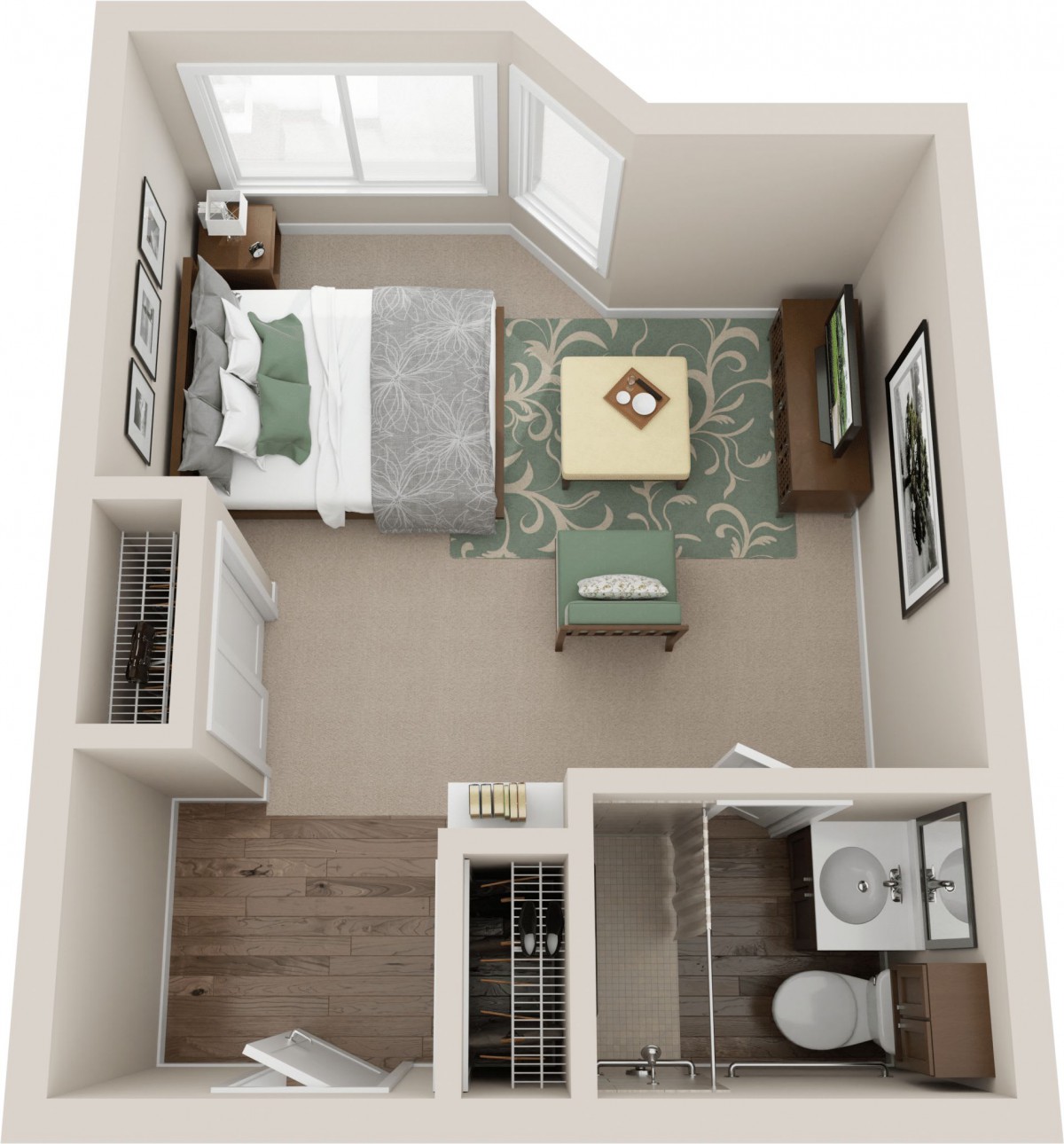
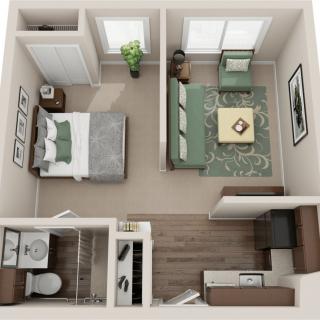
Floor plans
Overlake Terrace
King County
Washington
Semi-Private
$3,515
$4,430
$4,272
Studio
$3,725
$4,464
$4,128
1 Bedroom
$4,690
$5,127
$4,634
2 Bedrooms
$6,805
$5,111
$4,301
Memory care communities with a similar price nearby
Memory care families consistently describe steady, attentive care and hands-on leadership.
Residents and families mention the memory care team as a major reason they felt supported, especially after a move that required fast coordination. Multiple reviewers specifically call out the memory care director by name and describe a hands-on approach that includes listening to concerns and following through. Several also describe memory care as meeting increasing needs over time, with staff stepping up as conditions progressed. Overall, reviewers frame the memory care experience as nurturing and responsive rather than routine.
caveat8 reviews mention this
Care quality varies with staffing
Some families report staffing and communication problems that made care feel inconsistent.
Alongside very positive caregiver remarks, a recurring downside is staffing reliability. Some reviewers describe delayed responses to call buttons or missed follow-up when concerns were raised, including in memory care. Others mention turnover and that activity or support levels declined at times, even when management seemed responsive to initial complaints. A few reviews also point to medication or care coordination issues as a specific concern.
common14 reviews mention this
Activities keep residents engaged
Families and visitors frequently mention frequent activities and group engagement.
Many reviewers describe a steady schedule of events, from music and outings to games and group programs, and they say residents seem engaged. Several specifically mention happy hour, movie nights, and live performances, and they describe residents making friends and looking forward to what’s planned. The community’s activity offerings also align with what’s listed, including art and education-style programs and faith-based devotional activities on-site. A small number of reviews contrast this by saying activities were limited or inconsistent during staffing transitions.
common12 reviews mention this
Dining is often praised, but mixed
Dining draws strong praise for variety and service, but some residents find meals hit-or-miss.
A large share of reviews say meals are enjoyable, with good flavor, variety, and a dining experience that feels more like a restaurant than a cafeteria. Several also mention ordering options or room service, and some describe the food as better than expected. At the same time, other reviewers report disappointing meal quality at times, including concerns about nutrition, seasoning, and items running out. Overall, dining seems to vary by period and individual experience rather than being uniformly consistent.
common6 reviews mention this
Costs compare favorably to benchmarks
Pricing generally comes in below county and state benchmarks across unit types.
Multiple reviewers discuss pricing in practical terms, including comparing it with other communities and noting when it felt aligned with expectations. The published price ranges also position Overlake Terrace below both the county and state benchmarks across studio and multi-bedroom options. Some reviewers still call out affordability as a potential limitation depending on the room size they wanted. Taken together, residents describe value differently, but the overall price positioning supports the idea that it can be competitive.
differentiator2 reviews mention this
Close to medical options
Families highlight convenient access to nearby healthcare and doctors.
A couple of reviewers mention the location as practical for getting to doctors and medical services. That matches nearby listings that include both pharmacy and physician offices within about a half mile to roughly one mile, with additional medical options farther out. Reviewers who prioritize convenience for ongoing care appear to find the area supports that need.
How we summarize
Counts show how many written reviews mention each theme; a review can touch several themes, and only frequently mentioned themes are displayed.
Features
Housing
1-bedroom apartments
2-bedroom apartments
Studio apartments
Types of Care
Assisted Living
Day Program
Independent Living
Memory Care
Pets
Cats allowed
Dogs allowed
Amenities
Activities off-site
Activities on-site
Beautician on-site
Cable or satellite TV
Devotional services on-site
Dining room
Fireplaces
Full kitchen
Garden
Ground floor units
Handicap accessible
Indoor common areas
Kitchenette
Outdoor common areas
Party space
Respite or short term stays offered
Wheelchair accessible showers
Transportation
Seattle-Tacoma International (15 miles away)
Transportation & parking
Care Services
Ambulatory care
Diabetic care
High acuity care
Incontinence care
Medication management
Dining
Diabetes diet
Gluten-free
Guest meals
International cuisine
Low / no sodium
Meals provided
No Sugar
Professional chef
Restaurant style dining
Room service
Special dietary restrictions
Special dining programs
Vegan
Vegetarian
Activities
Activities off-site
Art classes
Arts and crafts
Book club
Brain fitness
Cooking club
Day trips and outings
Devotional activities on-site
Educational speakers / life long learning
Fitness programs
Forever fit
Games
Gardening club
Happy hour
Live dance or theater performances
Live musical performances
Montessori programs
Religious services
Stories
Stretching classes
Tai Chi
Trivia games
Yoga / chair yoga
Languages Spoken
English
Nearby Places of Interest
This part of Redmond, Washington offers a convenient and diverse range of amenities for seniors looking to live in the area. With several pharmacies, physicians' offices, and hospitals nearby, access to healthcare services is easily accessible. The variety of restaurants and cafes provide options for dining out or grabbing a quick bite to eat. Parks such as Marymoor Park offer opportunities for outdoor activities and relaxation, while theaters like AMC Factoria 8 provide entertainment options. Overall, this area provides a balance of convenience, healthcare services, recreational opportunities, and entertainment options that may appeal to seniors looking for a vibrant community to live in.
Pharmacies
Walgreens (0.4 miles)
Safeway Pharmacy (1.2 miles)
Walgreens (1.6 miles)
Bartell Drugs (2.5 miles)
Bartell Drugs (2.5 miles)
Fred Meyer Pharmacy (2.8 miles)
Target Pharmacy (2.9 miles)
Physicians
Advanced Family Medicine (0.6 miles)
Evergreen Speech and Hearing Clinic (2.4 miles)
Medical Arts Associates (2.4 miles)
Allegro Pediatrics (2.5 miles)
Larson Nancy Allegro Pediatrics (2.5 miles)
Group Health Cooperative: Redmond Primary Care (2.6 miles)
UW Medicine Sports Medicine Center at Eastside Specialty Center (2.6 miles)
Overlake Terrace offers competitive pricing for its accommodations when compared to both King County and the broader state of Washington. For example, the monthly cost of a semi-private room at Overlake Terrace is $3,515, significantly lower than the county average of $4,430 and the state average of $4,267. Studio apartments also present an attractive option at $3,725, again undercutting King County's average by nearly $740. Even in larger units like one-bedroom apartments priced at $4,690, Overlake Terrace remains more affordable than both local and state averages. Interestingly, while two-bedroom options may seem higher at $6,805 compared to a county average of $5,111 and a state average of $4,301, it's essential to consider the overall amenities and care quality provided in this community. Overall, Overlake Terrace stands out as a valuable choice for those seeking long-term residential care in Washington.
Overlake Terrace's comprehensive approach to memory care includes features such as brain fitness programs, which are designed to stimulate cognitive function and encourage mental engagement, allowing residents to maintain their memory skills for as long as possible. Incontinence care ensures that residents' personal dignity is preserved while also providing necessary support, reducing stress and anxiety often associated with these common issues in dementia patients. Medication management plays a crucial role in ensuring that residents receive the correct dosages while minimizing the risk of medication errors, thus stabilizing their health and enhancing their quality of life. Additionally, Montessori programs promote active participation through individualized activities tailored to each resident's abilities and interests, fostering independence and creating a sense of purpose that can greatly improve overall well-being.
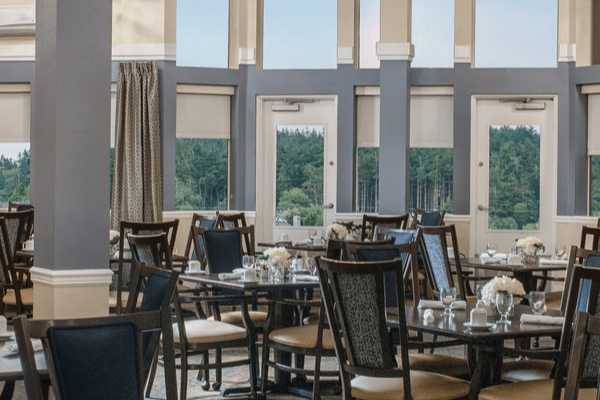
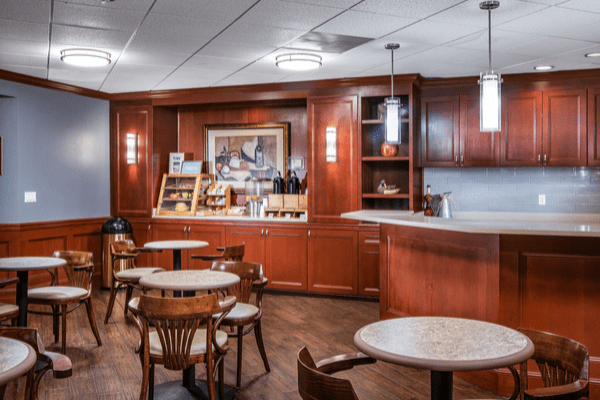
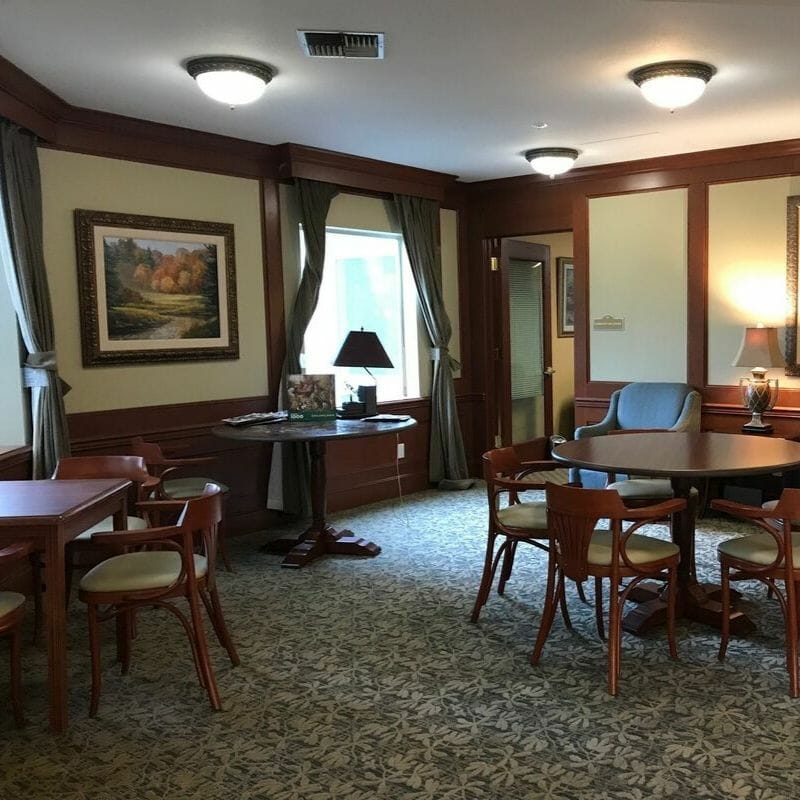
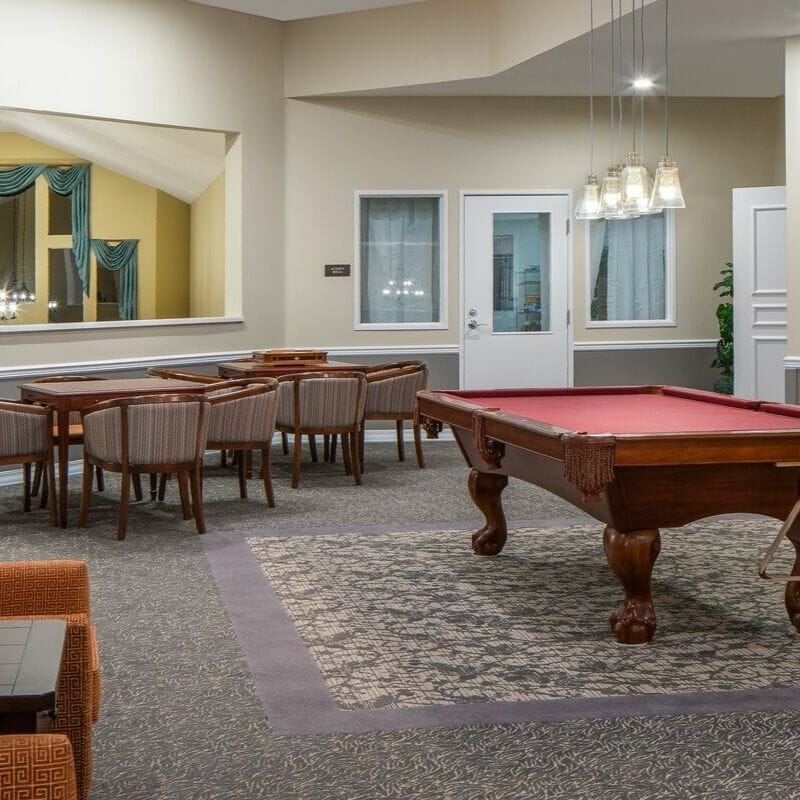
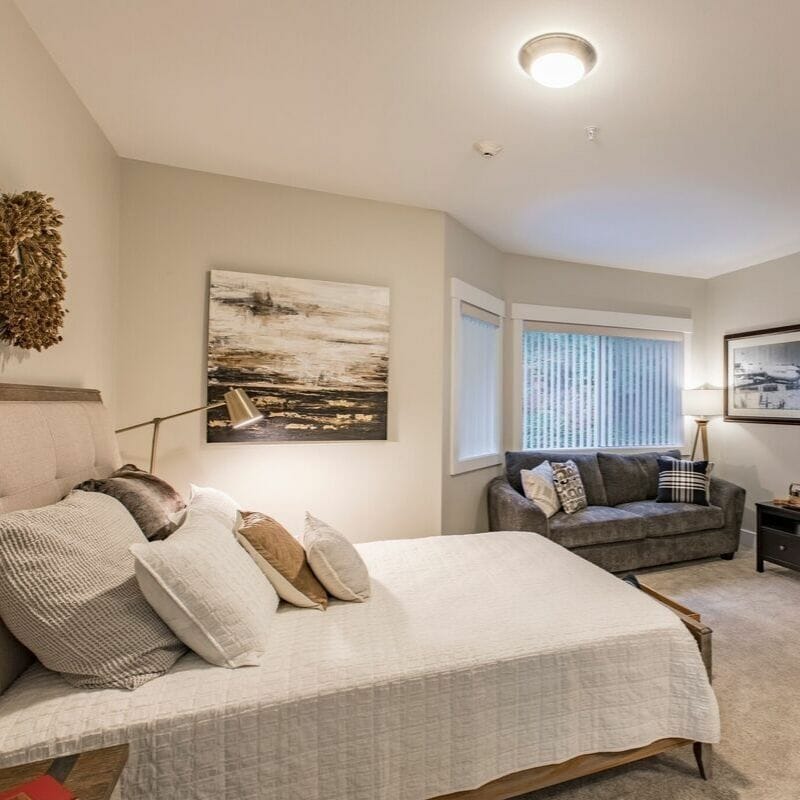
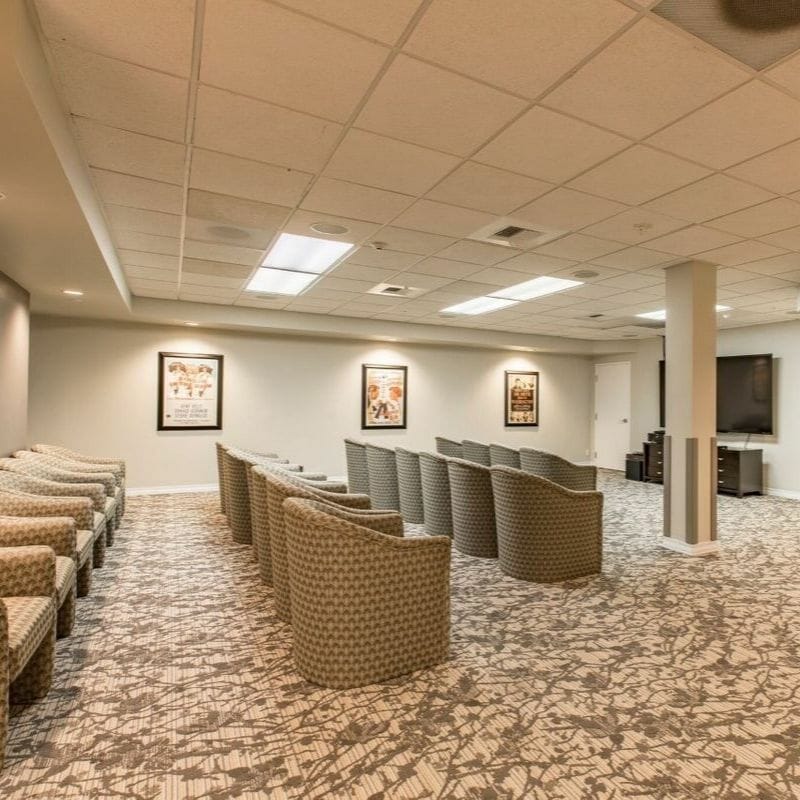
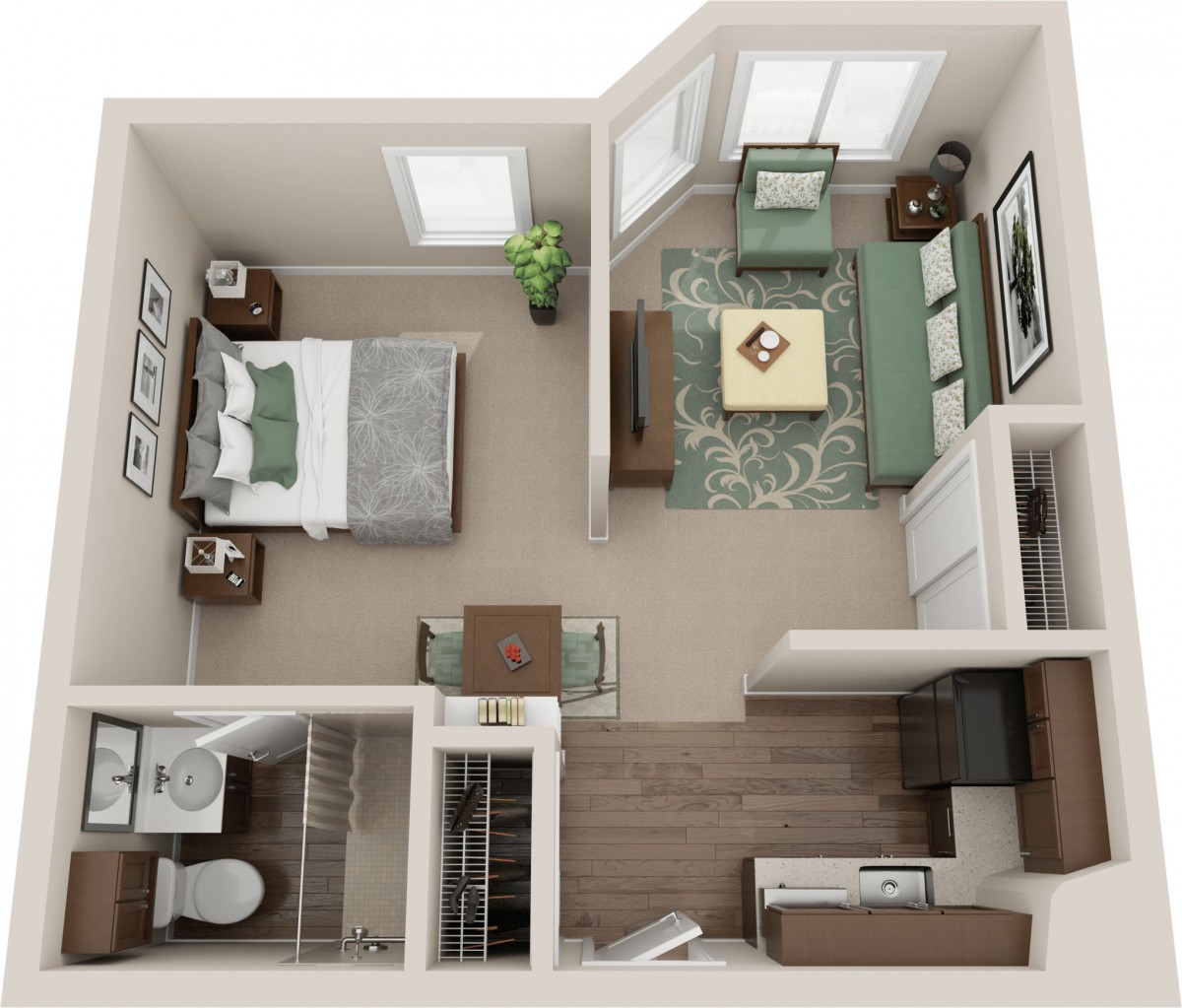
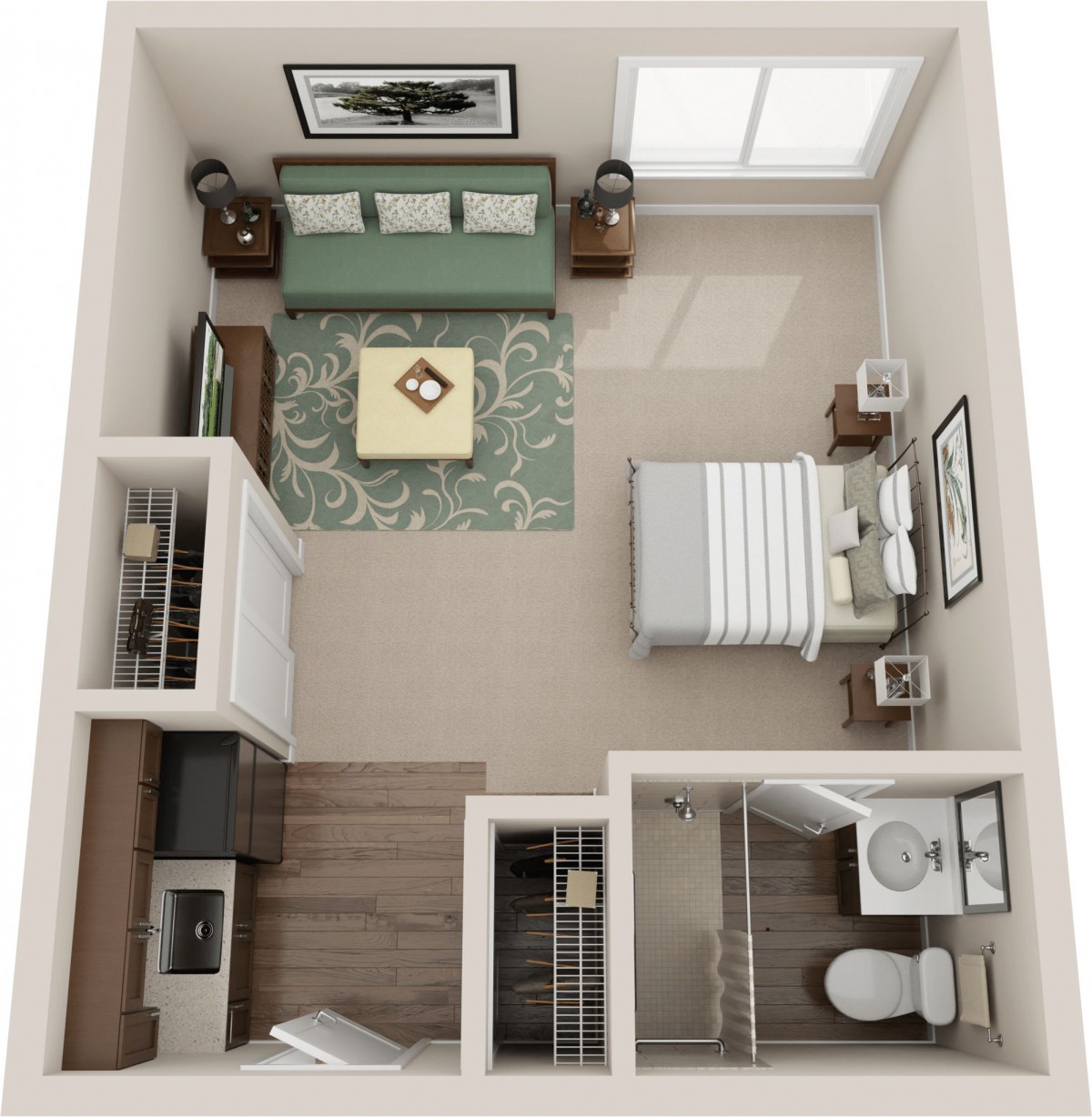
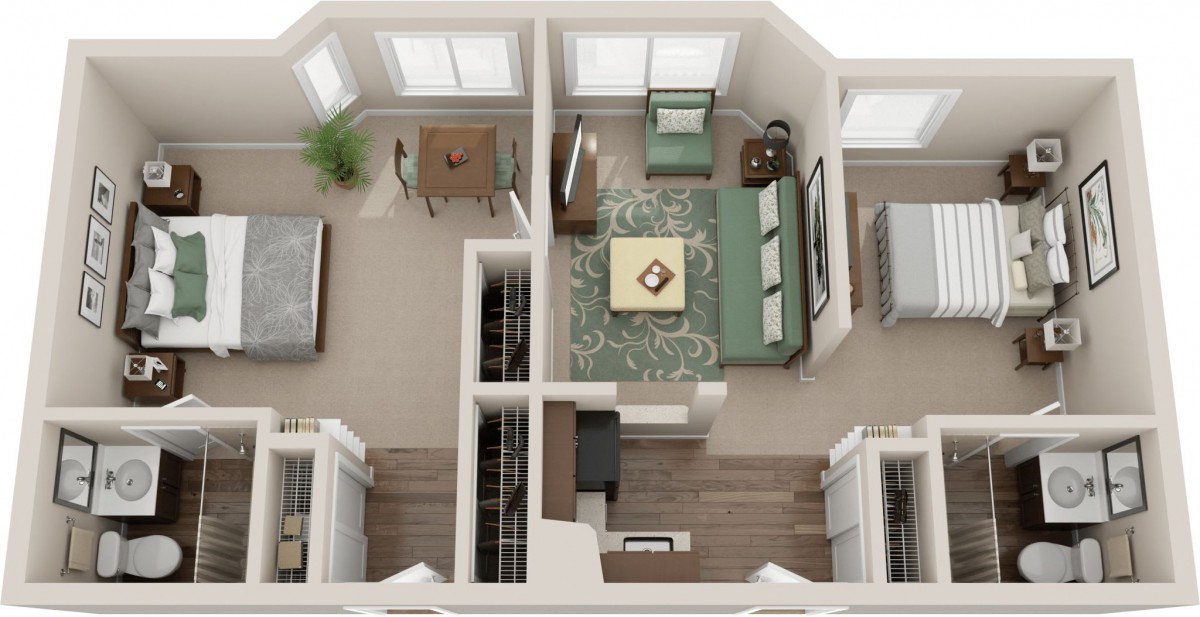
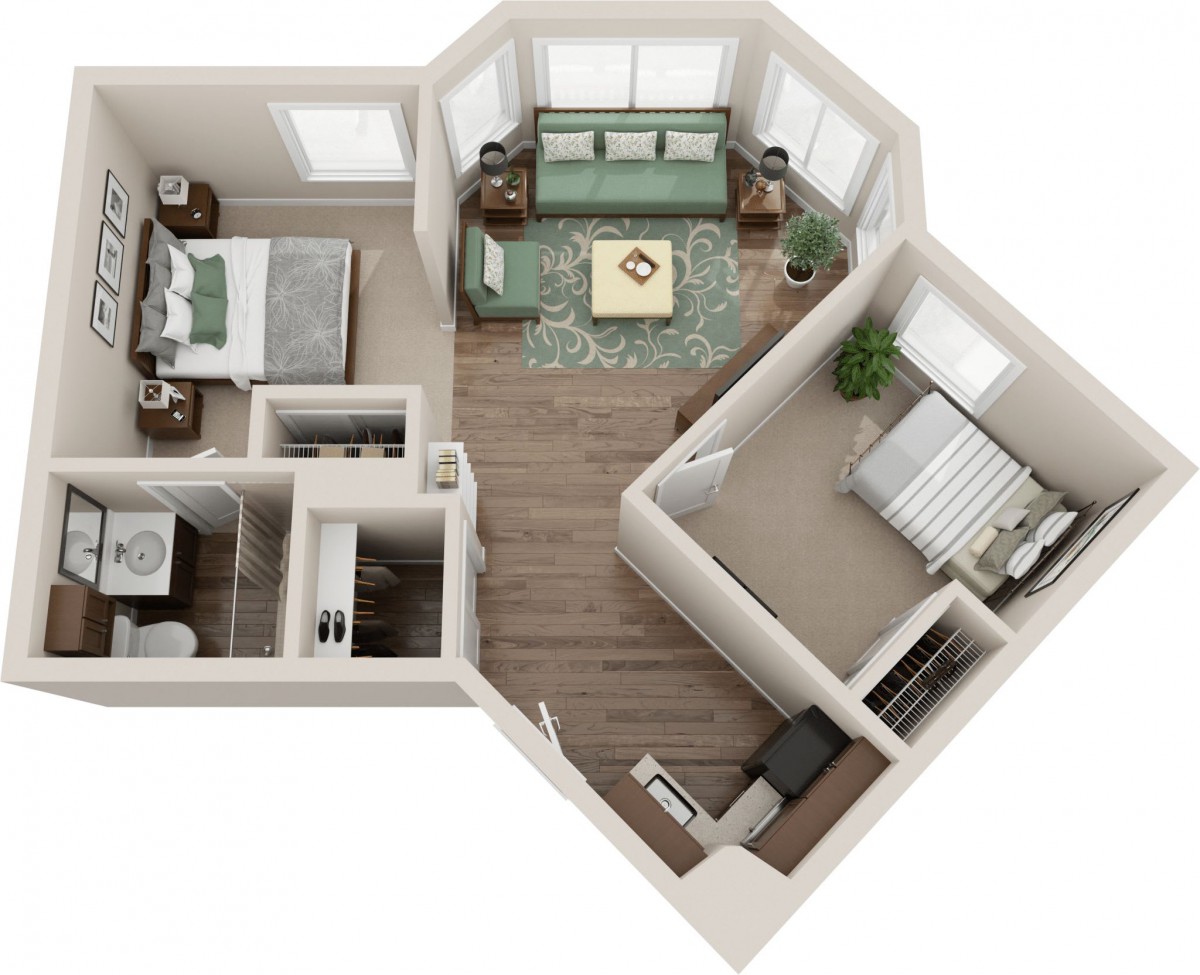
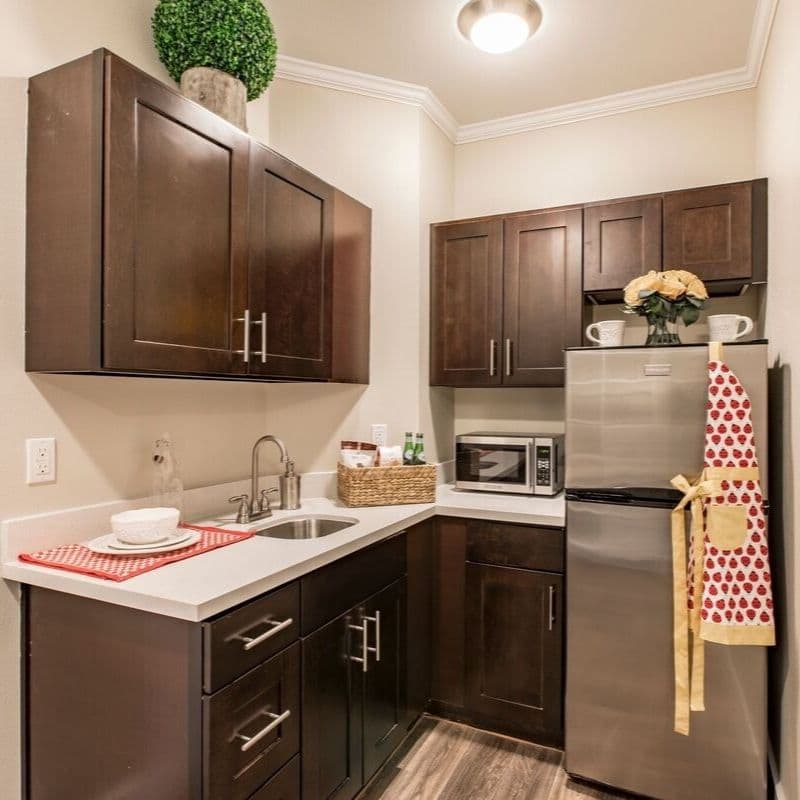
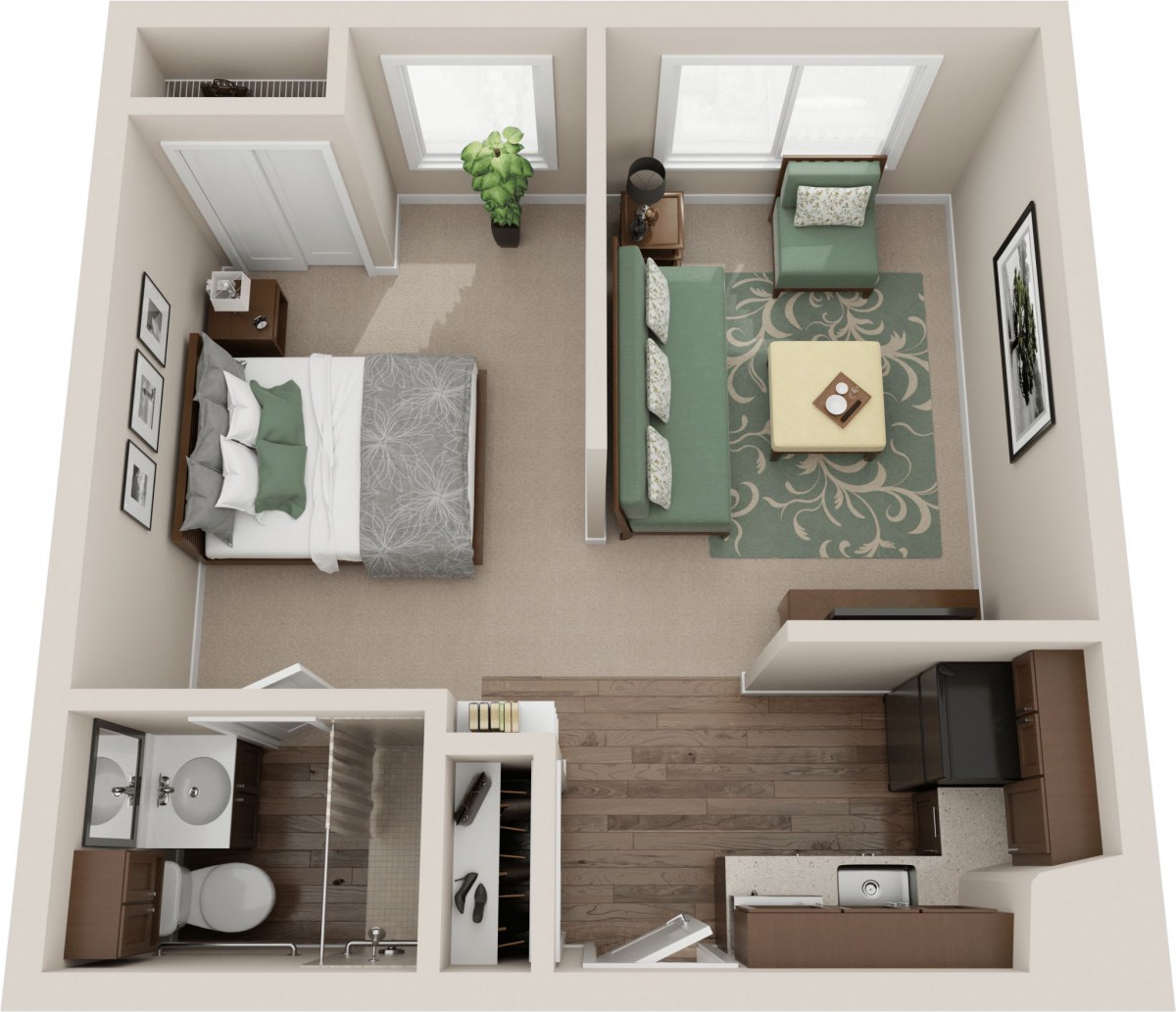
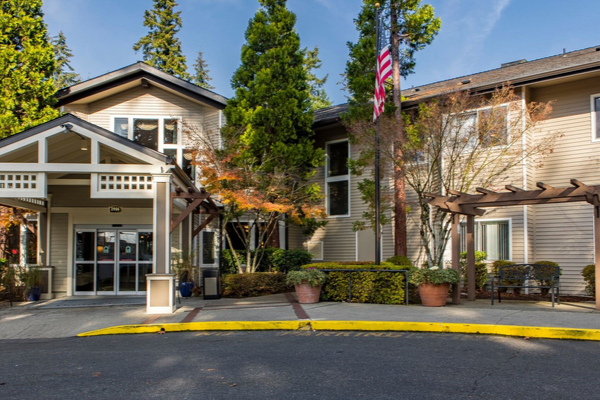
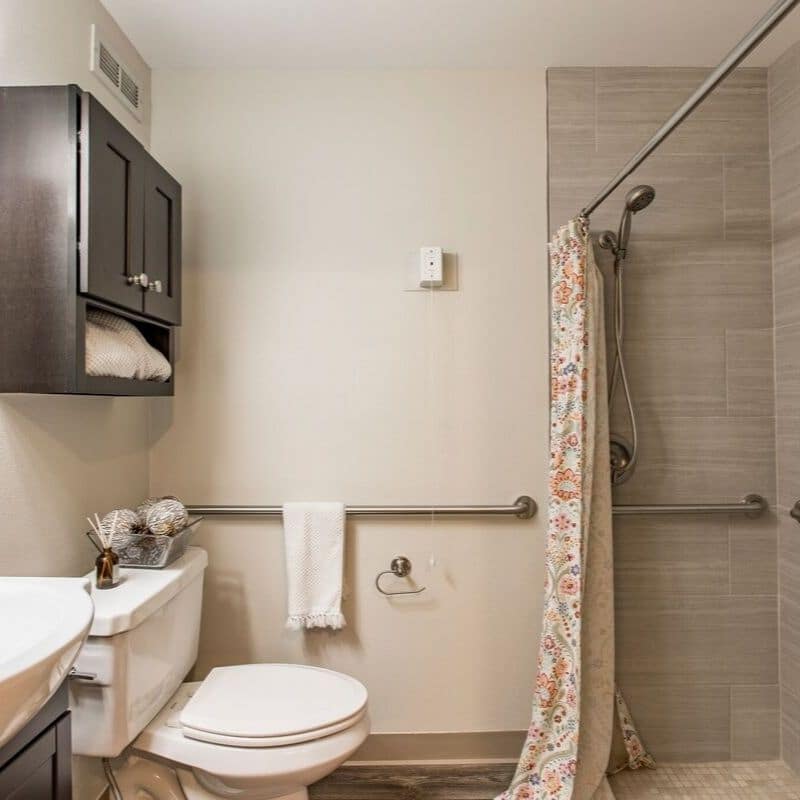
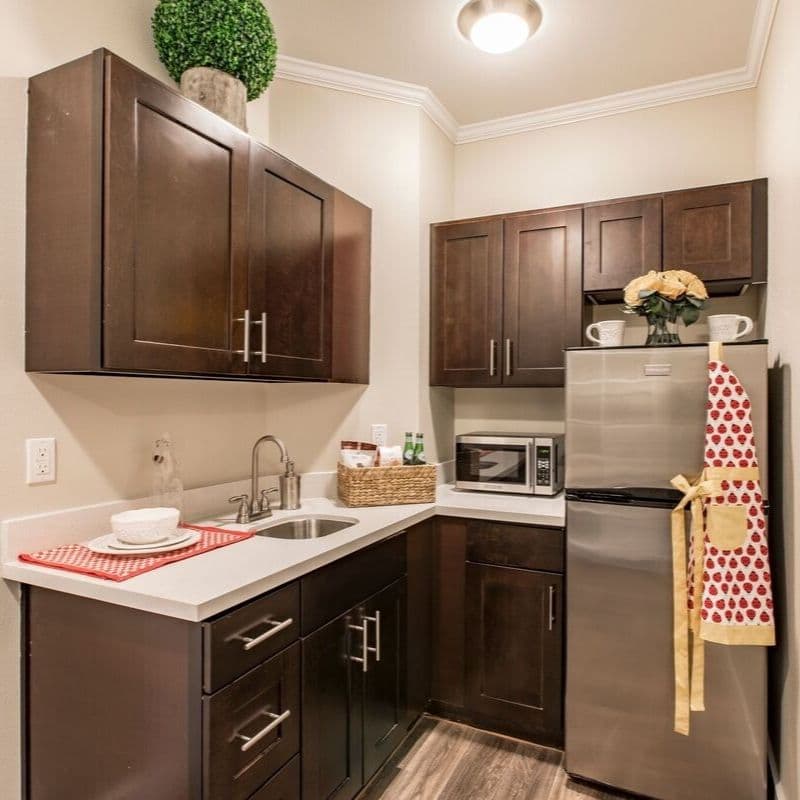
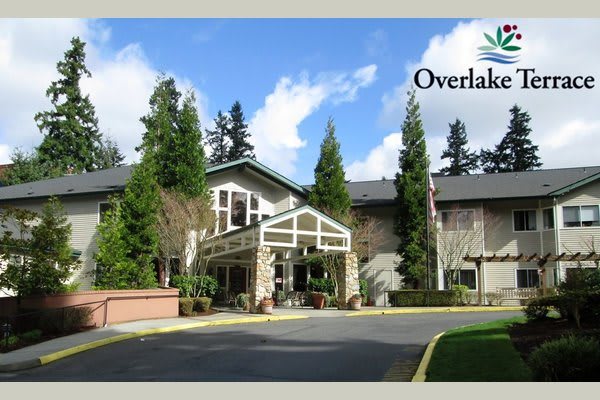
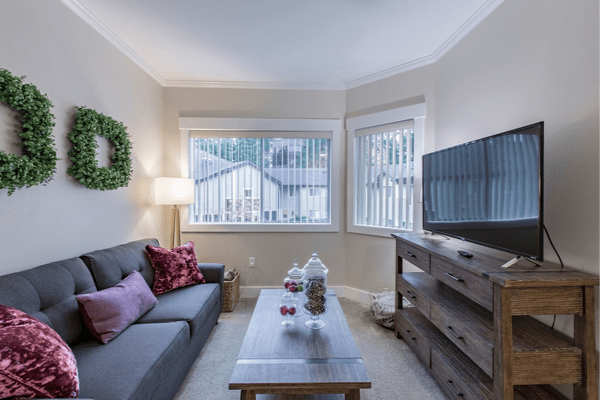
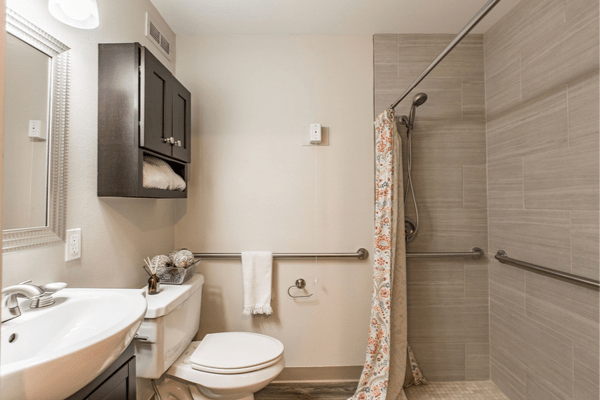
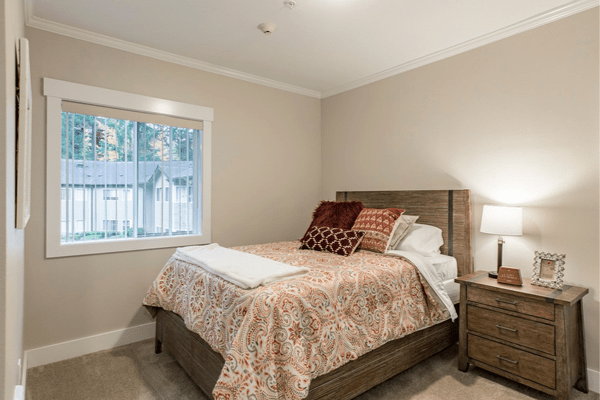
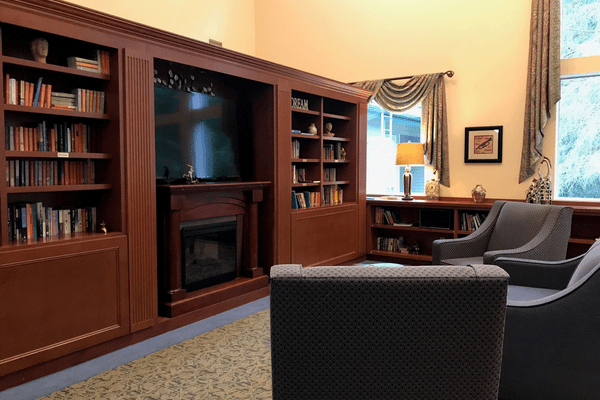
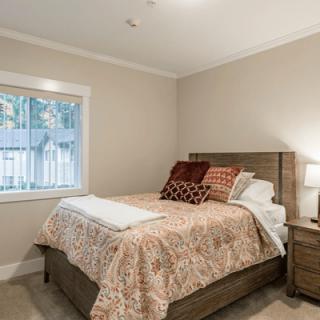
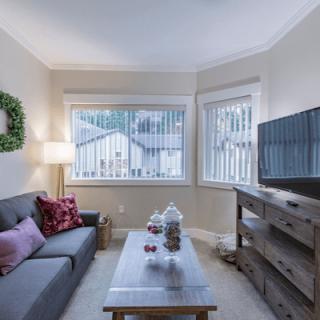
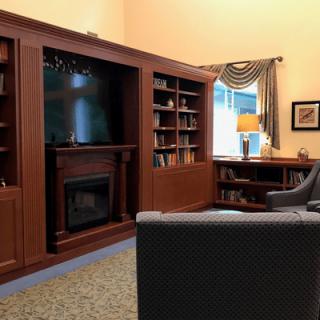
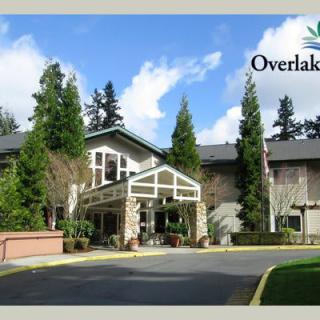
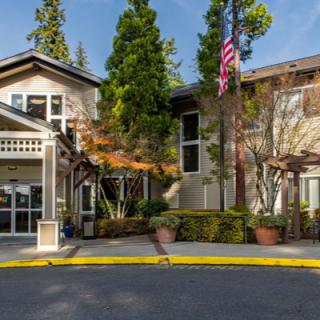
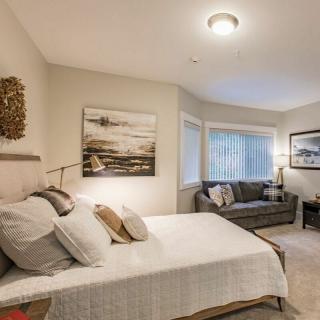
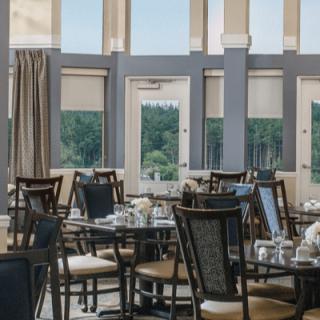
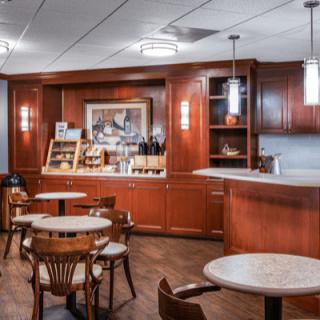
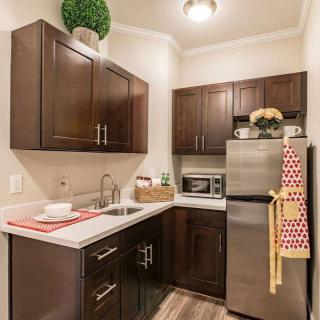
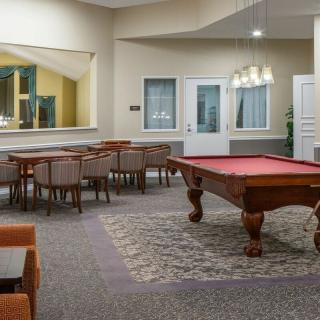
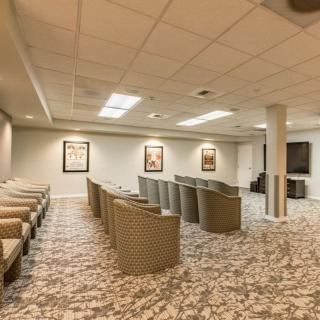
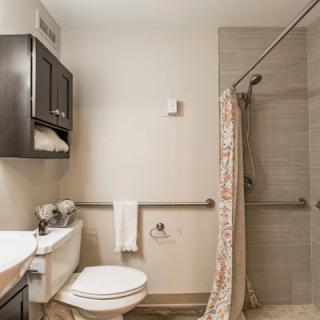
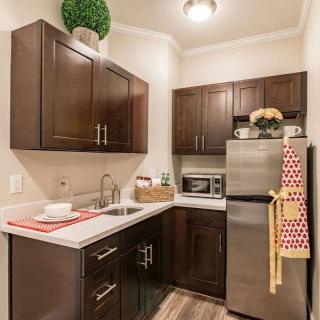
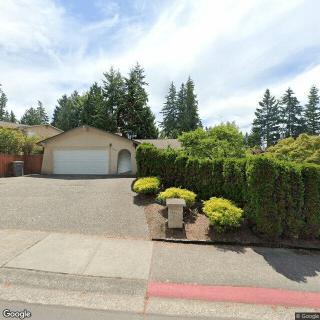
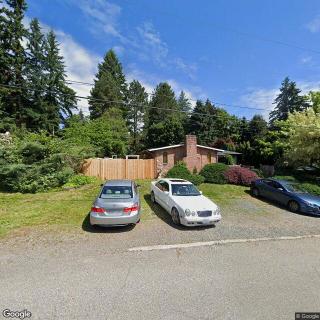
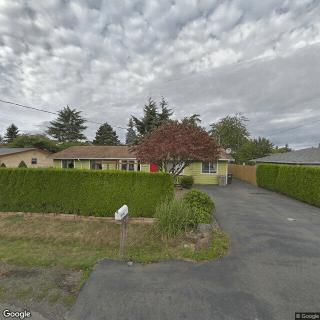
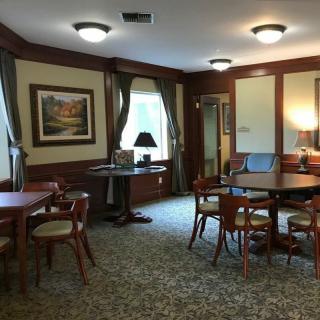
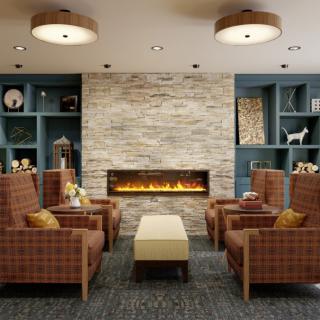
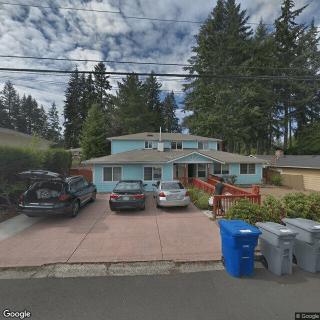
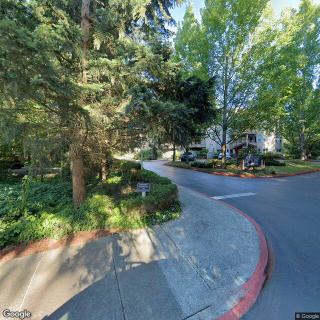
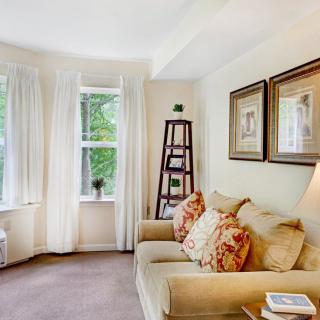
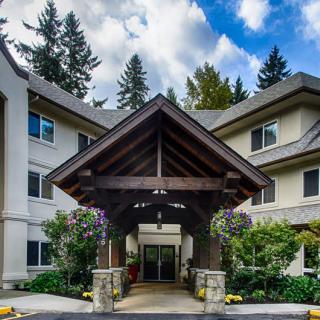
Overlake Terrace on seniors.fyi includes 21 photos including images showing interior, floor plan, bathroom, bedroom, living room, kitchen, dining, windows, and more.
Nearby Communities
Overlake Terrace Senior & Assisted Living
Redmond, WA
4.5 from 69 reviews
24/7 supervision, memory care options, and broad amenities
Mission Healthcare At Bellevue
Bellevue, WA
4 from 103 reviews
Extensive on-site amenities and support services (dining, transportation, fitness, wellness, beauty salon, activities) for a convenient living experience.
Wiser Care Services
Bellevue, WA
Prime Bellevue location with abundant nearby amenities (cafes, restaurants, parks, pharmacies, doctors, hospitals, theater).
Sunrise of Redmond
Bellevue, WA
4.6 from 71 reviews
$3,900 to $6,180 / month
Friendly staff, engaging activities, and pleasant surroundings.
Ivanhoe Senior Care
Bellevue, WA
5 from 6 reviews
$3,500 / month
Affordable private rooms with easy access to local amenities and healthcare in Bellevue.
Sunny's Adult Family Home LLC
Bellevue, WA
4.9 from 12 reviews
$7,000 / month
Family-like atmosphere with devoted, professional staff and an RN-led owner ensuring focused care.
Silver Glen-Co-Op
Bellevue, WA
4.5 from 22 reviews
Active resident governance with strong community engagement and extensive on-site amenities.
Sunrise of Bellevue
Bellevue, WA
4.6 from 66 reviews
$6,570 to $8,910 / month
Caring, attentive staff that builds personal relationships with residents in a warm, social, home-like setting.
Aegis at Marymoor in Redmond
Redmond, WA
4.8 from 38 reviews
$4,560 to $6,748 / month
Warm, homey environment with caring staff and engaging activities.
Dementia encompasses progressive neurological disorders that impair cognitive functions and can lead to paranoia due to cognitive decline and emotional changes. The article discusses the triggers of paranoia in dementia, caregiver strategies for managing it, and the importance of distinguishing between dementia-related paranoia and other psychiatric conditions.
Memory care activities are essential for improving the quality of life of seniors with cognitive impairments, as they stimulate cognitive function, promote well-being, and encourage social interaction through tailored strategies. These activities combine structured exercises with spontaneous tasks, sensory engagement, physical workouts, creative pursuits, and intergenerational interactions to enhance emotional connection and a sense of purpose.
Transitioning from assisted living to memory care is driven by an individual's cognitive decline and specific needs, requiring careful evaluation of indicators like increased confusion and wandering. The process involves consulting medical professionals, researching suitable communities, considering financial and legal aspects, and ensuring effective communication for personalized care plans.
Get PricingAsk A QuestionSchedule A TourContact Senior Advisor
By clicking submit, you agree to our Partner's Terms of Use. You
also consent to receive calls and texts, which may be autodialed, from our Partner. Your consent is not a condition to
using our Partner's service. Please visit our Partner's Privacy Policy for information about their privacy practices.



 1-bedroom apartments
 Assisted Living
 Day Program
 Independent Living
 Memory Care
 Cats allowed
 Dogs allowed
 Beautician on-site
 Cable or satellite TV
 Devotional services on-site
 Dining room
 Fireplaces
 Full kitchen
 Garden
 Ground floor units
 Handicap accessible
 Indoor common areas
 Outdoor common areas
 Party space
 Respite or short term stays offered
 Wheelchair accessible showers
 Seattle-Tacoma International (15 miles away)
 Transportation & parking
 Ambulatory care
 Diabetic care
 High acuity care
 Incontinence care
 Medication management
 Diabetes diet
 Gluten-free
 Special dietary restrictions
 Art classes
 Book club
 Brain fitness
 Cooking club
 Day trips and outings
 Educational speakers / life long learning
 Fitness programs
 Games
Games Happy hour
 Live dance or theater performances
 Live musical performances
 Stretching classes
 Trivia games
 English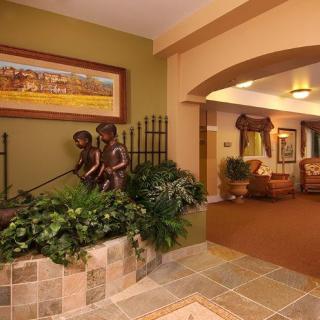
 24/7 supervision, memory care options, and broad amenities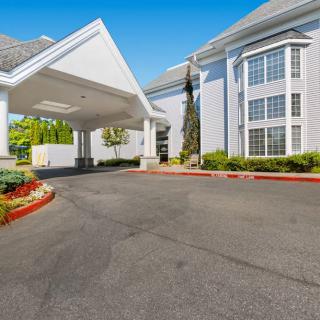

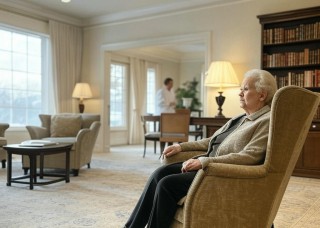 Dementia, Paranoia, and Caregiver Guidance: Understanding the Connection
 Engaging Memory Care Activities That Enhance Quality of Life
 When to Transition from Assisted Living to Memory Care: Key Indicators, Steps, and Finding the Right Community