
629 21st St Se, Puyallup, WA 98372
For more information about senior living options: (866) 208-4318
Overall Review of Better Place
Pros
 They have good care here.
- The woman who runs it is sweet.
Cons
 There can be a bit of a language barrier.
- The other employees also present a little bit of a language barrier.
- Communication can be a bit of a challenge at times.
Review
Better Place in Puyallup is best suited for seniors who want intimate, hands-on daily care delivered in a small, owner-led setting. The community earns its keep through a warm, practical leadership presence, the woman who runs it is described as sweet and consistently involved, which translates into a straightforward, dependable care experience for residents who thrive on routine, direct oversight, and a familiar, home-like atmosphere. Families seeking a quiet, person-centered environment with accessible, visible management will find this operation aligns well with those priorities. The setting tends to work best when residents do not require a large-scale staff structure or highly specialized medical programming, but instead benefit from reliable daily care and approachable leadership.
Those who may want to consider alternatives are clear: anyone whose loved one requires robust multilingual communication across the care team or frequent, precise medical updates, or someone who needs a more expansive campus with a broader slate of services, may find Better Place less suited to their expectations. A larger operation with more formal processes, more diverse language support, or more extensive on-site nursing resources could reduce friction for families prioritizing constant, multi-language communication and more complex care coordination. For residents with cognitive needs demanding specialized memory care programs, or for families seeking a facility with a wide array of specialized therapies, a different community may be preferable.
The strongest pro, the good, attentive care delivered under steady leadership, tends to offset the primary drawback, which is a language barrier among staff and some communication challenges. The operator’s approachable style fosters trust, and the care team’s consistent presence can yield reliable routines and personalized attention that reduce the risk of missed details in day-to-day needs. In practice, caregivers who know the resident well are able to respond quickly to changes in mood or routine, and that level of responsiveness has meaningful value for comfort, safety, and daily satisfaction. When expectations are clear and documented, the direct line of supervision from the owner can help maintain continuity even if translating nuance becomes awkward at times.
That said, the language barrier is not a trivial footnote. Language limitations can impede timely updates, precise explanations of care plans, or smooth communication during shift changes. Families should anticipate asking targeted questions about which languages are spoken by which staff, and consider practical workarounds, such as requesting consistently assigned caregivers, supplying written notes in the resident’s preferred language, or arranging translator support for care conferences. Visual schedules, color-coded cues, and a clearly posted care plan can mitigate misunderstandings, but proactive verification remains essential. The facility can be welcoming, yet the effectiveness of coordination hinges on deliberate, documented communication practices.
In comparison with other options, Better Place is less compelling for families needing robust medical oversight or a multilingual care team. A larger, more resourced community with on-site licensed nursing, multi-language staff, and a formal care management protocol may perform better in scenarios requiring frequent medical updates or more complex daily needs. For residents seeking greater social programming and a wider menu of specialized services, a bigger campus could offer more activity variety and professional support. For those who value independence and want minimal administrative friction, in-home care or a different facility with stronger multilingual staffing and more comprehensive programming could be a better fit.
To decide, pursue a practical, evidence-based path: tour the community, observe interactions between staff and residents, and request to meet the person who runs the operation as well as a few frontline caregivers. Verify language capabilities across shifts and ask for sample care plans, daily schedules, and recent resident updates. If possible, speak with current residents or families about communication experiences. If a short-term stay is feasible, use it to assess how well routines, responsiveness, and communication align with needs. In the end, Better Place should be judged by how smoothly care is coordinated, how transparent updates are, and whether the personal, small-team approach can sustain long-term comfort and safety.
 Board and Care Home
 Seattle-Tacoma International (18 miles away)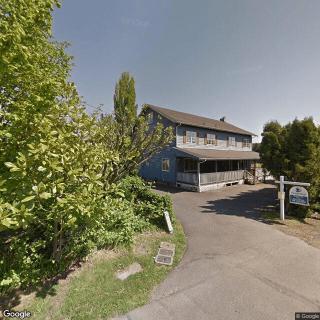








 Comprehensive Approaches for Arthritis: A Detailed Guide to Symptoms, Causes, and Care
 Comprehensive Insights and Practical Strategies to Help Older Adults Avoid Falls
 6 Crucial Ways an Elder Law Attorney Assists Families