
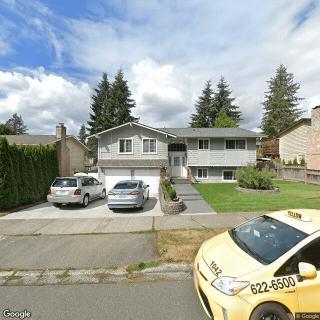
20716 Rimrock Rd., Monroe, WA 98272
To contact a resident: (425) 273-1497
For more information about senior living options: (866) 208-4318
Good Samaritans Adult Family Home Costs & Pricing
Good Samaritans Adult Family Home offers competitive pricing for its services, particularly when compared to the broader market within Snohomish County and the state of Washington. For semi-private rooms, residents can expect to pay $3,000 per month, which is significantly lower than the county average of $4,320 and the state average of $4,267. Similarly, the cost for a private room at Good Samaritans is set at $3,300, again undercutting both the county's and state's averages of $4,834 and $4,772 respectively. This pricing structure positions Good Samaritans as an attractive option for those seeking quality care without the higher financial burden typically associated with adult family homes in the area.
| Floor plans | Good Samaritans Adult Family Home | Snohomish County | Washington |
|---|---|---|---|
| Semi-Private | $3,000 | $4,320 | $4,272 |
| Private | $3,300 | $4,834 | $4,774 |
Senior living communities with a similar price nearby
-
from +$500 / mo
Dignity Life
$3,500 / month11.6 miles away -
from +$375 / mo

Evergreen Manor Senior Care Inc
$3,375 to $7,500 / month12.7 miles away -
from -$200 / mo

Gold Standard Care
$2,800 / month16.3 miles away -
About the same

Caring Adult Family Home #1
$3,000 / month11.6 miles away -
from +$500 / mo

Terrace View AFH
$3,500 to $4,000 / month16.0 miles away
Overall Review of Good Samaritans Adult Family Home
Pros
 Fatima and her team go above and beyond to ensure residents feel respected and well cared for.
- The facility is spotless, and meals are healthy and prepared fresh daily.
- The homey environment is clean, welcoming, and comforting.
- Care is exceptional, compassionate, and professional.
- The owner is onsite daily and personally provides care to residents.
- Families feel fortunate and grateful for the loving care they receive.
- The outdoor area is beautiful, with activities and a garden.
Cons
 The reviewer felt that a staff member was short with her, went quiet, and seemed to hang up, which she considered rude.
Review
This Monroe, Washington community is best suited for families seeking a truly intimate, home-like assisted living option where care feels personal, consistent, and hands-on. The setting works particularly well for residents who thrive on daily one-on-one attention from a small team and value a warm, family atmosphere over institutional formality. In reviews, the home is described as spotless, offering fresh, healthful meals and a respectful, dignified approach to daily life. The owner’s on-site presence and the emphasis on compassionate interaction create a sense of security for families navigating delicate health transitions, including end-of-life care, within a reassuring, home-like frame. In practice, this is the kind of place where a resident’s routine, preferences, and comfort are foregrounded every day.
This is not the right match for every situation. Families facing high-acuity needs that require substantial medical oversight, complex skilled nursing, or highly structured programming may want alternatives with larger staffs and broader clinical resources. The small size that makes the environment so personal also limits formal caregiving capacity and standardized routines. Prospective residents should verify how responsive the team is in real time, since one review highlighted a brusque phone interaction. For those who insist on a tightly controlled intake process, extensive medical supervision, or specialized memory-care services, a more conventional facility may deliver a better fit.
The core advantages, uncompromising cleanliness, a homey ambiance, and exceptionally attentive, compassionate care, tend to offset the potential drawbacks. The owner’s daily involvement, paired with a close-knit caregiving team, translates into highly individualized attention, prompt problem-solving, and a relationship-driven approach to safety and comfort. Residents often receive steady, respectful companionship and a sense of being truly known, which is particularly meaningful for families dealing with hospice or end-of-life dynamics. While the care model may not resemble a large campus, its strength lies in consistent, deeply personal support that many families identify as transformative for their loved ones.
Families consistently praise the environment as calm, quiet, and clean, with meaningful daily activities and accessible outdoor spaces. Reviews recount involvement in simple, engaging tasks and games, opportunities to enjoy the garden, and meals that are prepared fresh and thoughtfully. The care team, led by Fatima, with hands-on support from caregivers such as Shawna and Maggie, receives emphasis for its respectful, patient approach and for treating residents with dignity through challenging moments. Several accounts highlight hospice or end-of-life care delivered with empathy and professionalism, underscoring the home’s strength as a compassionate setting when families seek comfort and continuity during difficult times.
For decision-making, the practical questions are clear: confirm who handles medication management and who coordinates hospice or palliative needs; learn how daily programming is structured (activities, meals, outings); inquire about staffing levels and coverage on nights and weekends; and obtain a transparent candid discussion about costs, contracts, and what escalates to higher-level care. Visiting in person, meeting Fatima and the caregiving team, and seeing how the home responds to requests provides essential clarity. If a resident’s plan hinges on highly formal medical oversight, a broader campus with more specialized services should be considered. If instead a warm, intimate, consistently attentive environment is prized, this Monroe home stands out.
In sum, the Good Samaritans Adult Family Home, often referred to by families in reviews as Sweet Dreams in Monroe, delivers a rare blend of cleanliness, warmth, and hands-on care that suits seniors who favor a small, family-like setting with immediate, compassionate attention. It excels for end-of-life and hospice-oriented needs within a respectful, supportive frame, where the owner’s daily involvement and a dedicated caregiving team translate into tangible reassurance for families. Those seeking a larger staff, broader programming, or more clinical sophistication should pursue alternatives; for the right resident, this setting offers a uniquely comforting and reliably attentive home. A thoughtful visit, open dialogue about expectations, and a clear plan for escalation will reveal whether the fit aligns with the senior’s health trajectory and personal preferences.
 Board and Care Home
 Private
 Respite or short term stays offered
 Ambulatory care
 Diabetic care
 High acuity care






 Managing Nursing Home Expenses After Medicare Coverage Ends
 Is a Geriatric Care Manager the Right Choice for Your Family?
 Compassionate Conversations: How to Comfort Someone Who Is Grieving