
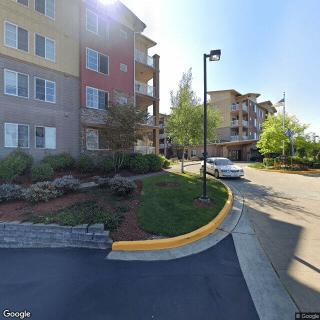
26938 NE Ring St 425-844-8857AFH, Duvall, WA 98019
To contact a resident: (425) 788-8394
For more information about senior living options: (866) 208-4318
Overall Review of Duvall Adult Family Home
Pros
 Emmanuel and Gladys are loving, kind, and compassionate care providers.
- Emmanuel, Gladys, and Francis truly care for the complete person, physically and emotionally.
- The Duvall Adult Family Home is highly recommended.
Review
This community is best suited for families seeking a small, home-like environment where a loved one receives deeply personalized, compassionate care. Duvall Adult Family Home in Duvall, Washington, operates more like a family residence than a large campus, and that setting often suits seniors who resist impersonal treatment plans and crave tangible daily warmth. The arrangement works particularly well for residents who need help with activities of daily living but still prioritize emotional well-being and regular human contact. The caregivers, Emmanuel and Gladys, are described as loving, kind, and compassionate, with a team member named Francis contributing to care. In such a setting, routines feel predictable, communication with caregivers is accessible, and the resident can form a meaningful bond with the people who supervise and deliver care. For families seeking peace of mind through relationship-based care, this home stands out.
Those whose loved one requires advanced medical oversight, skilled nursing, or a bustling social calendar may want to look at alternatives. A larger assisted living or memory-care community could offer more hands-on medical staffing, on-site therapists, and structured activities on a schedule that appeals to some residents. If independence needs to be balanced with frequent, formal monitoring by clinicians or if the family values a broad repertory of on-site amenities and transport options, a smaller home like this may feel limiting. The beauty of the current model lies in its simplicity and warmth, but it can also mean less formal medical oversight and fewer high-density programming options. Families should gauge whether a highly personalized, intimate routine aligns with the resident’s current and anticipated medical and social needs.
The strongest pro is the depth of personal connection. The care providers are described as genuinely loving and compassionate, with an emphasis on treating the “complete person”, physical needs alongside emotional health. In practice, this translates into attentive daily routines, patient listening, and a sense that the resident is seen as a person first. In a family-run environment, caregivers often know backstories, preferences, and triggers, which reduces agitation, improves adherence to care plans, and makes daily tasks more predictable and comfortable. That trust can offset the constraints of a smaller operation, where formal programs may be leaner than in larger campuses. The presence of Emmanuel, Gladys, and Francis creates redundancy and continuity, which is vital when shifts change. When a loved one is not just fed and bathed but engaged in conversation, encouraged to participate in activities, and offered emotional support, the overall well-being improves, and fear of isolation diminishes.
The day-to-day life in this setting tends to be quiet, intimate, and highly relationships-driven. Residents benefit from a consistent, predictable schedule shaped by a small team, with meals, medication reminders, and gentle activities occurring within a home-like framework rather than a corporate program. The immediate advantages are clear: easier family communication, rapid responsiveness, and the ability to tailor routines to individual preferences. The potential trade-off is fewer formal activities or specialized therapies compared to larger communities. Yet the core benefit remains: meaningful relationships, frequent human interaction, and a sense of belonging that often translates into better mood, appetite, and sleep. For families prioritizing emotional safety and continual, warm engagement, these factors frequently outweigh the absence of a parade of scheduled events.
Practical considerations should still guide the decision. Prospective residents and families should verify details such as rates, what is included, and how overnight or weekend coverage is handled. A key question centers on staffing consistency and back-up plans, as the strength of this model rests on the reliability and availability of Emmanuel, Gladys, and Francis. Confirm that a formal care plan exists, and ask how medical oversight, medication management, and emergency protocols are implemented. If a loved one requires complex medical equipment or around-the-clock monitoring, this setting may not be able to accommodate. Proximity in Duvall is a practical benefit for frequent visits and participation in the resident’s daily life, yet it should not be the sole reason for selection. The decisive factor remains whether the emotional and relational benefits deliver the sense of safety and dignity that families value most.
In the final assessment, this community offers a compelling option for families who want a warm, relationship-centered environment. The standout feature is the caregivers’ demonstrated commitment to the resident as a whole person, physically and emotionally, which yields a sense of safety, continuity, and genuine companionship. Those who need a larger campus with formal programming or more intensive medical services should consider alternatives. The strengths of Emmanuel, Gladys, and Francis offset the typical limitations of a smaller home by delivering trust, responsiveness, and daily emotional engagement that are hard to replicate in bigger settings. The recommended path is a focused visit: meet the caregivers, observe interactions with the resident, and request a sample week of routines, meals, and activity ideas. If dignity, warmth, and a home-like cadence are the priorities, Duvall Adult Family Home deserves serious consideration and should rise to the top of any shortlist.
 Board and Care Home





 In-Home Care Costs in 2025: A Detailed State-by-State Exploration
 Understanding Home Health Care: A Comprehensive Guide
 Home Health Care Demystified: A Comprehensive Guide for Families and Caregivers