Aegis Living Lynnwood

Save

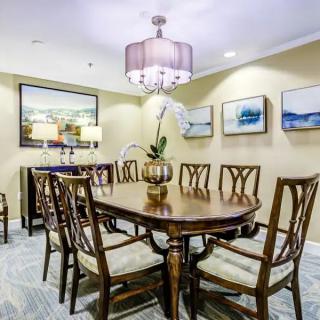
  • Interior

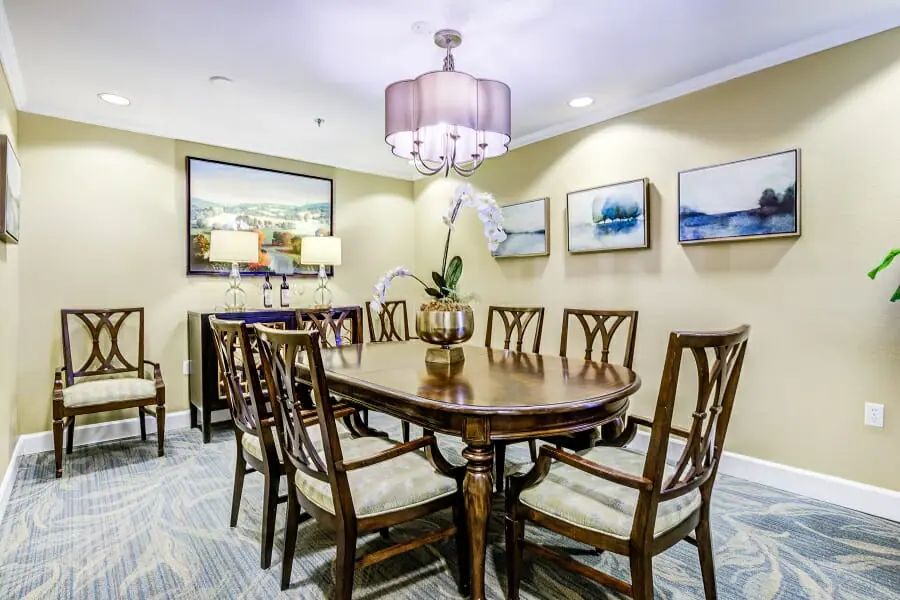
    A sophisticated dining room featuring a wooden table surrounded by chairs, adorned with elegant lighting and decorative paintings on the walls.
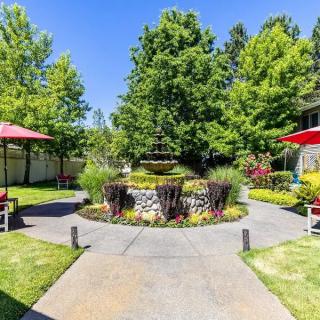
  • Outdoors

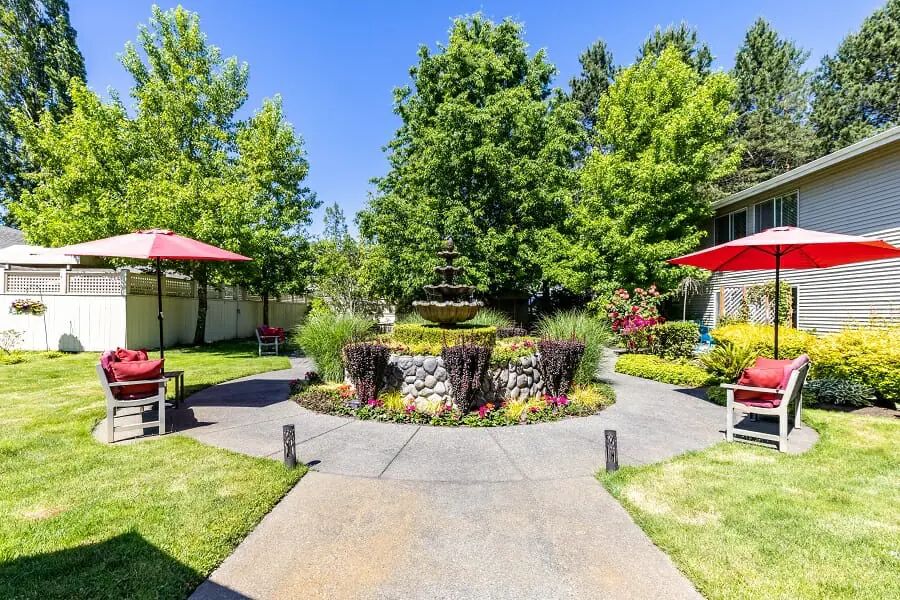
    A serene garden with a central fountain surrounded by lush greenery and pathways, under a clear blue sky.
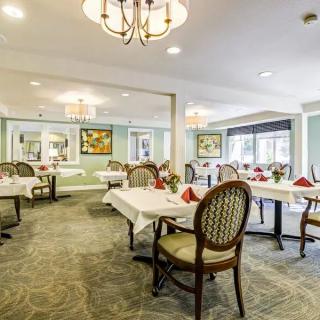
  • Decor

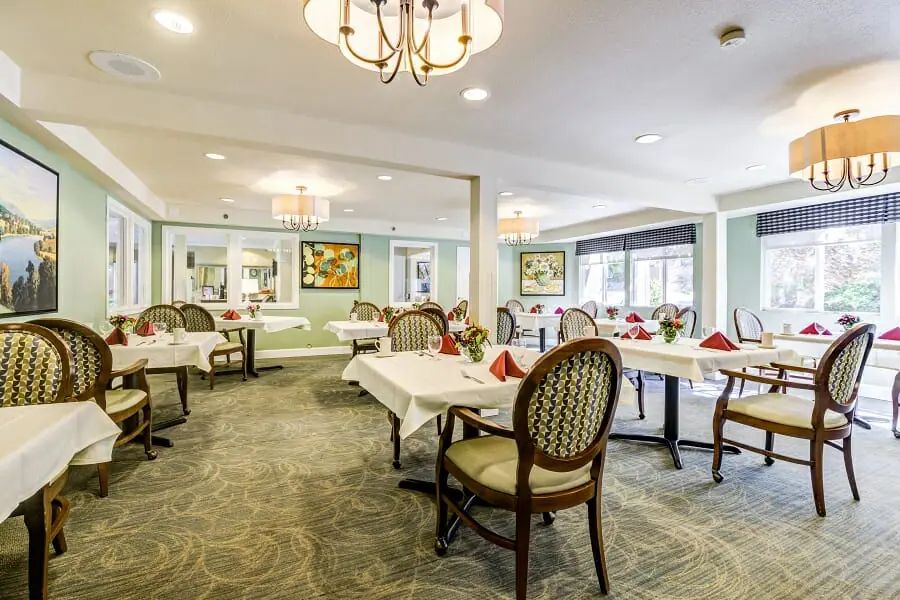
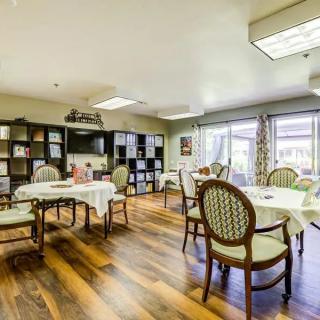
    An elegantly decorated dining room with neatly arranged tables and chairs, featuring chandeliers and tasteful artwork.
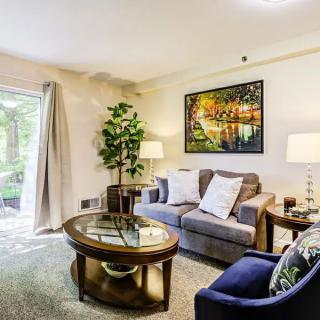
  • Living Room

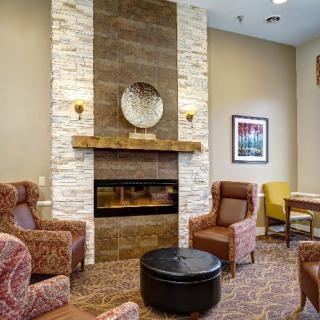
    A cozy living room with modern furniture and decor.
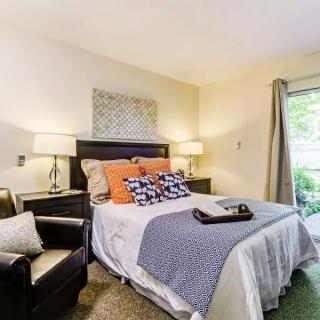
  • Bedroom

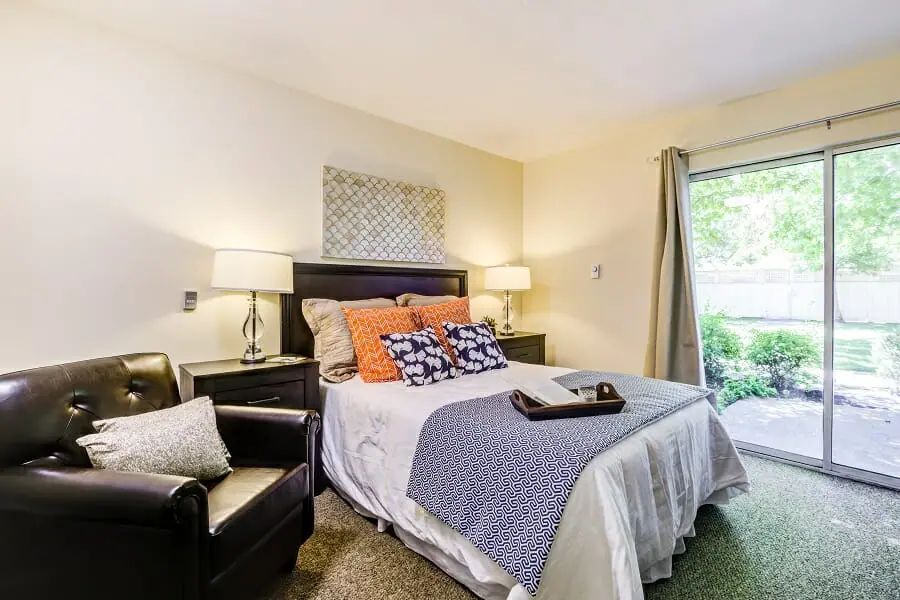
    A modern bedroom with a comfortable bed and cozy armchair, featuring stylish decor and ample natural light.
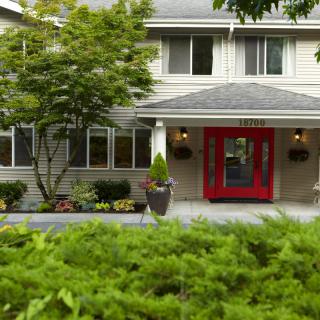
  • Trees

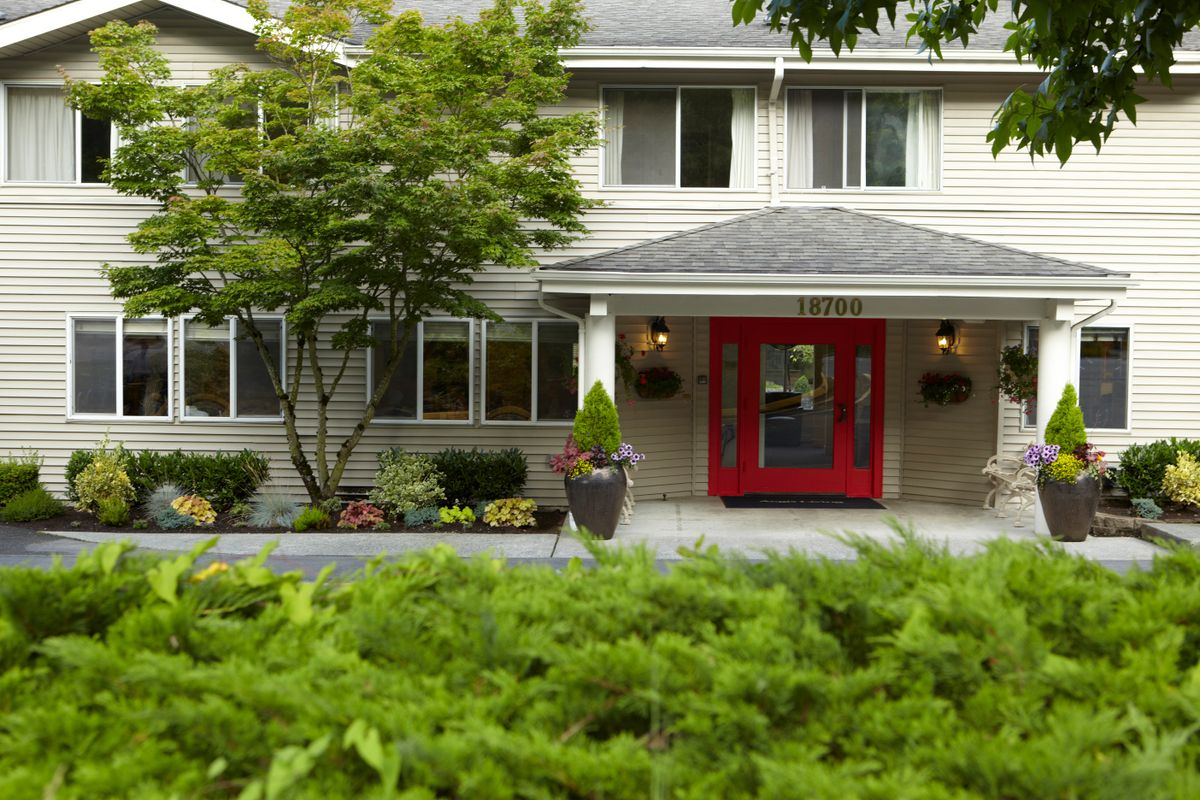
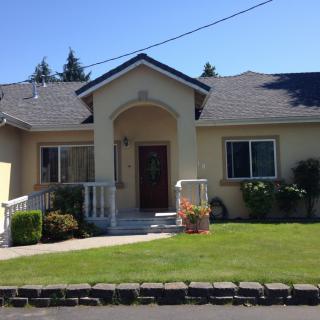
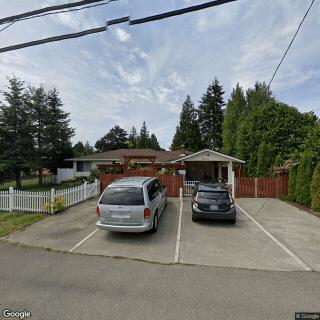
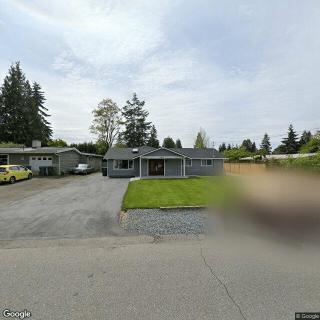
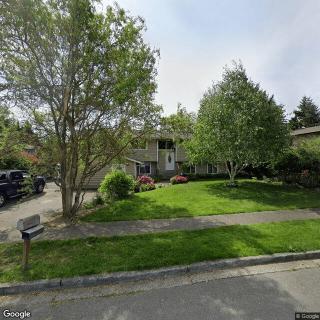
    A charming residential house with red doors, surrounded by lush greenery and well-maintained landscaping.
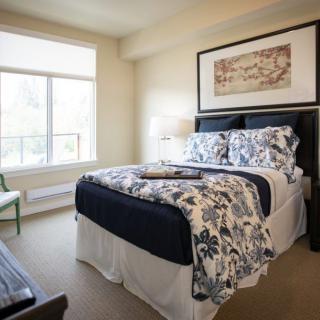
  • Windows

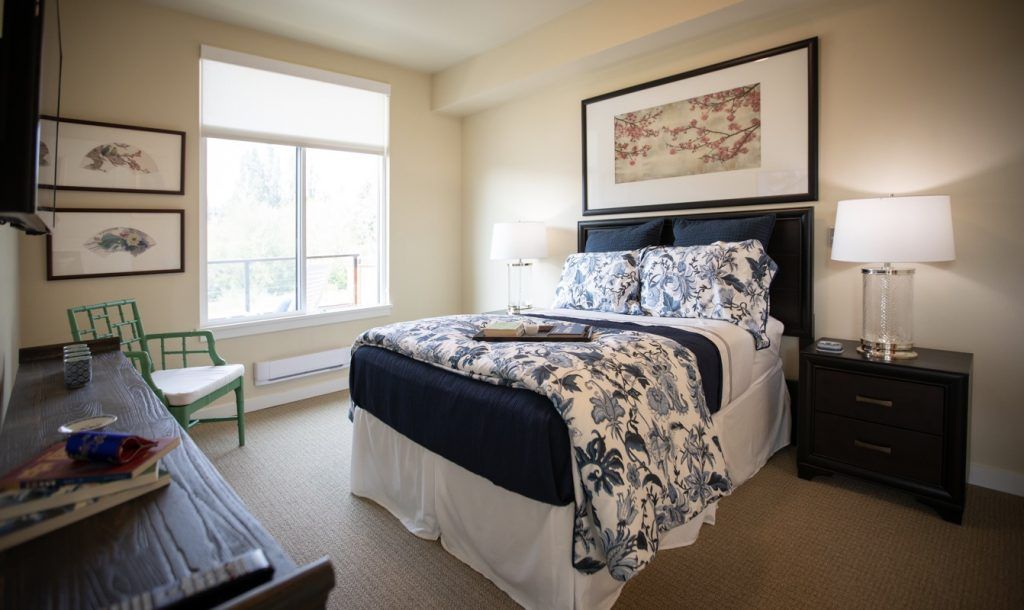
    A cozy bedroom with a neatly made bed and large window providing natural light.
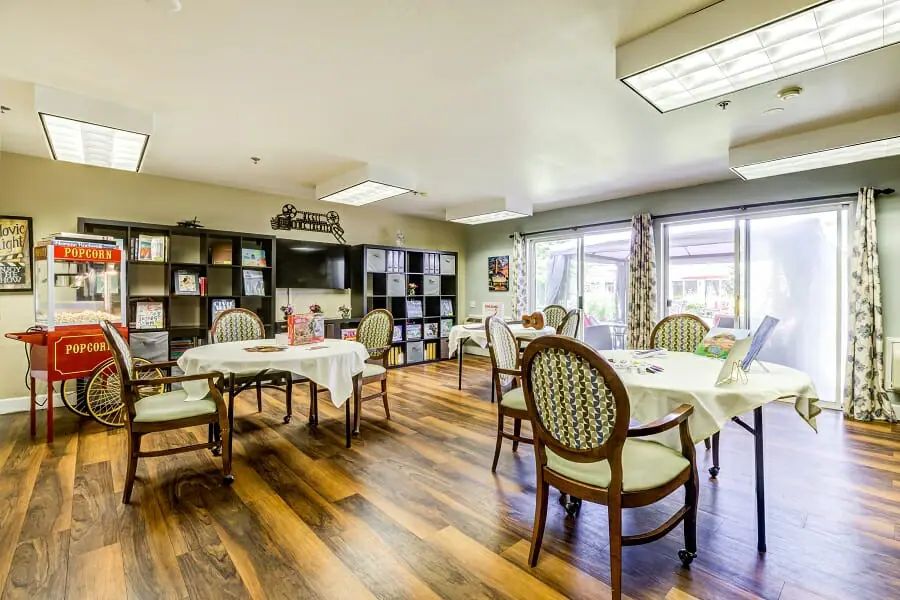
  • Dining

    A well-lit dining area with elegant furniture and large windows.
  • Garden

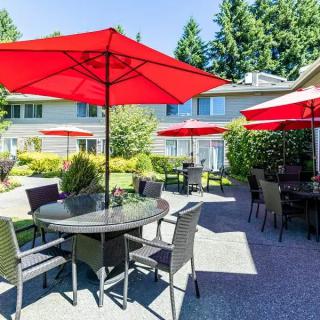
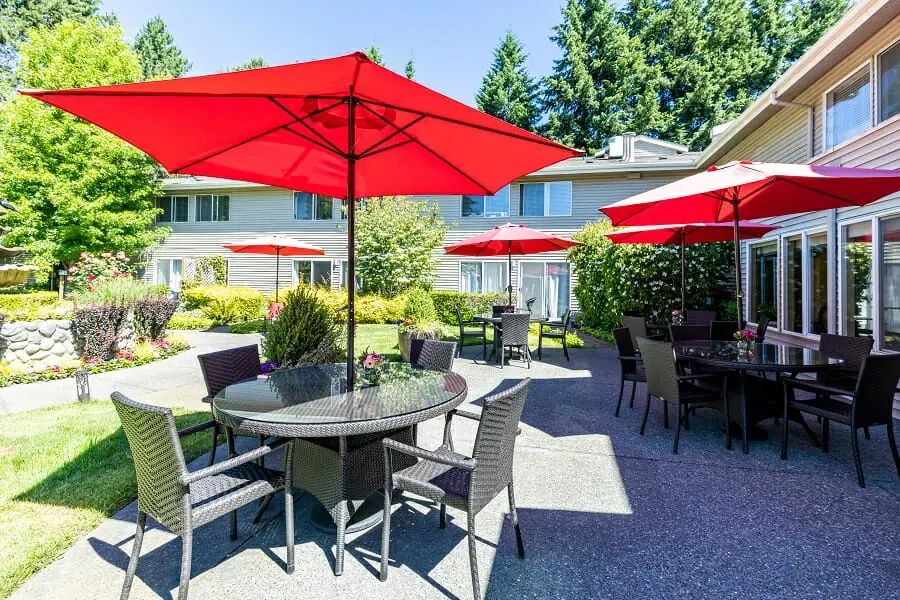
    A sunny patio with tables and chairs under vibrant red umbrellas.
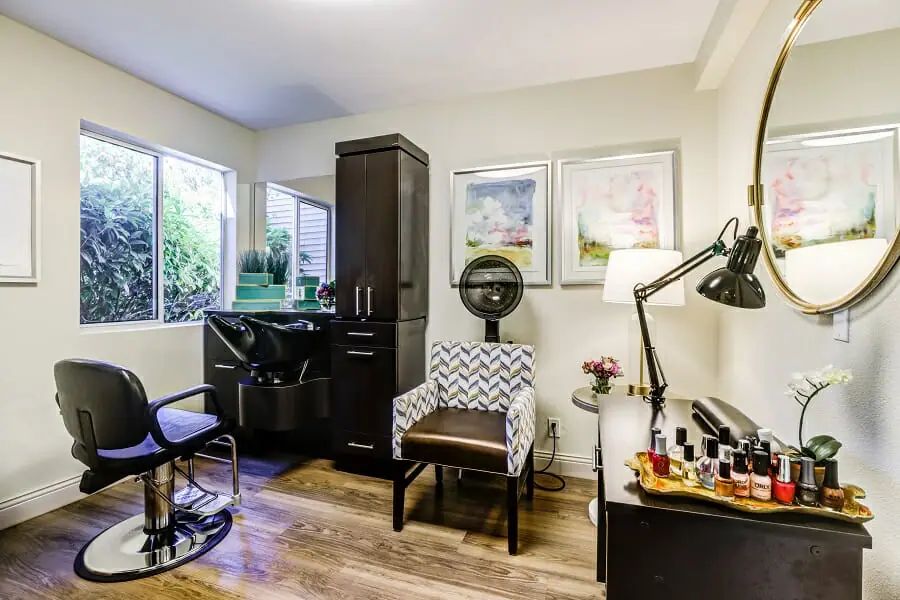
  • Salon

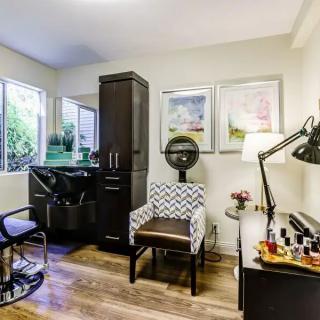
    A cozy beauty salon equipped with a styling chair, dryer, and manicure station.

Aegis Living Lynnwood

18700 44th Avenue W, Lynnwood, WA 98037

For more information about senior living options: (844) 490-3973

4.7 from 39 reviews
5 stars
30
4 stars
7
3 stars
1
2 stars
0
1 stars
1

Assisted Living Memory Care

Aegis Living Lynnwood Costs & Pricing

Aegis Living Lynnwood offers a premium living experience with costs that reflect its high level of service and amenities. The monthly fees for various room types are notably higher than the averages seen in both Snohomish County and the broader state of Washington. For instance, a studio at Aegis is priced at $5,750, significantly exceeding the county's average of $4,443 and the state average of $4,126. Similarly, the semi-private option is set at $6,200 compared to $4,320 in Snohomish County and $4,267 statewide. The one-bedroom unit is also positioned at a premium rate of $6,500 against county and state averages of $5,080 and $4,632 respectively. This pricing reflects Aegis Living Lynnwood's commitment to providing an exceptional quality of life for its residents.

Floor plansAegis Living LynnwoodSnohomish CountyWashington
Studio$5,750$4,443$4,128
Semi-Private$6,200$4,320$4,272
1 Bedroom$6,500$5,080$4,634

Overall Review of Aegis Living Lynnwood

Pros

  • pro Jennifer Creagan and the Aegis Lynnwood team provided unmatched assistance, support, and care, making the mother feel immediately part of the community.
  • pro The staff delivered personal care, professional support, and 24/7 nursing with love and compassion as she regained strength.
  • pro Jennifer was resourceful, kind, and attentive, providing valuable information and a flexible 30-day option during the search.
  • pro The Aegis team created an attentive, safe, and friendly setting for post-fall recovery and eye surgery.
  • pro Jennifer and the Aegis team offered a warm, loving environment that mom did not want to leave after 30 days, with a heartfelt sendoff.
  • pro The memory care staff were loving, patient, and genuinely cared for residents' wellbeing, providing excellent support.
  • pro Peter the Manager and the team are described as stellar, making a meaningful difference for families and residents.
  • pro The entire Aegis crew is professional, knowledgeable, personable, and loving, often described as family.

Cons

  • pro The assisted living has gone downhill since the new general manager was hired; the previous manager had done a much better job.
  • pro The staff are overworked and have to fill in with everything due to staff shortages.
  • pro Costs rise as residents decline, due to more work for caregivers.
  • pro Caregiver schedules are confusing, making it hard to rely on one or two to take care of or shower residents.
  • pro Laundry issues exist, with clothes sometimes disappearing despite labeling.
  • pro The blinds on the first-floor sliders are cheap, and about eight vinyl panels are missing.
  • pro The meals lack sufficient protein and have a bland taste.
  • pro There are extensive lockdown restrictions during the pandemic that prevent families from visiting as often as they'd like.

Review

This community is best suited for families seeking a warm, highly attentive environment where an elderly relative can receive substantial daily support and genuine personal attention. Aegis Lynnwood stands out for memory-care-appropriate care and for residents who benefit from continuous nursing oversight, rapid response to changes in health, and a caregiving culture that feels like family. The cohort of staff members - nurses, CNAs, managers - often earns praise for patience, kindness, and hands-on involvement in daily life, not just medical tasks. When a resident is recovering from a fall or needs intensively structured routines, the facility delivers a level of continuity and reassurance that can ease both residents and their families.

Those evaluating alternatives should carefully consider whether this level of care aligns with budget and priorities. If dining quality and predictable, sport-like scheduling are top priorities, other communities may offer stronger menu variety, higher protein emphasis, or more streamlined care assignments. Some families also weigh leadership stability more heavily; several reviewers note that changes at the top can ripple through staff morale and day-to-day operations. For residents who do not require extensive nursing or memory care, or who prefer a more bustling social calendar with less emphasis on individualized, hands-on caregiving, there may be other options that better fit those expectations.

The core strengths - 24/7 nursing presence, deeply caring staff, and a genuinely supportive atmosphere - meaningfully offset several drawbacks. Families repeatedly underscore the safety and warmth of the environment, the cleanliness of rooms, and the way staff members treat residents like family. For residents in memory care or those needing frequent assistance with activities of daily living, the reassurance of attentive caregivers who know their preferences and needs is a decisive advantage. The community also benefits from engaged leaders and a culture of going above and beyond, which translates into dependable responsiveness during medical or recovery scenarios.

Despite strong positives, there are tangible operational headwinds worth weighing. Some reviewers flag scheduling ambiguity and variability in caregiver assignments, which can feel disruptive to residents who rely on familiar routines. Food quality is another flashpoint for a portion of families - comments range from satisfying to bland, with calls for more protein and better-seasoned options. Maintenance items such as blinds and some minor facility wear appear as recurring nits, suggesting that while the core care remains robust, the environment could benefit from ongoing polish. These factors do not erase the care advantages, but they do temper the otherwise glowing impressions.

From the resident-family perspective, the leadership is generally described as solid and present, with managers who know residents by name and routinely engage with families. When operations run smoothly, the result is a highly collaborative feel: staff, management, and families working together to keep a loved one comfortable, well-fed, and engaged. The strongest testimonials hinge on the staff's perceived devotion - care that feels heartfelt and consistent across shifts, which can make a critical difference for those facing long-term care decisions. That reliability matters immensely when choosing between facilities.

In the end, Aegis Lynnwood presents a compelling choice for families prioritizing compassionate, hands-on care in a home-like setting, especially for residents needing memory-care support or robust nursing oversight. For households where cost controls, culinary variety, and highly predictable daily schedules are non-negotiable, it is essential to compare alternatives side by side. The community's unwavering dedication and personal warmth are clear strengths that can offset most deficiencies, but the decision should hinge on whether the balance of care intensity, leadership continuity, and amenity maintenance aligns with the resident's expectations and the family's capacity to navigate occasional operational hiccups.

Features

Housing

  • 5 resident community capacity 5 resident community capacity

Types of Care

  • Assisted Living Assisted LivingAssisted living facilities provide crucial support and care for seniors who may need help with daily tasks such as medication management, bathing, and meal preparation. These communities offer a safe and comfortable environment where seniors can maintain their independence while receiving the assistance they need to thrive in their golden years.
  • Memory Care Memory CareMemory care is crucial for seniors as it provides specialized support and services for individuals with dementia or Alzheimer's disease. These programs offer a safe and secure environment where residents receive personalized care, cognitive stimulation, and help with daily activities. Memory care helps seniors maintain their independence, quality of life, and dignity while also providing peace of mind for their families.

Amenities

  • Cable or satellite TV Cable or satellite TVCable or satellite TV is important for seniors because it provides entertainment, news, and companionship, helping to combat loneliness and boredom. It also offers a wide range of programming options tailored to different interests and preferences.
  • Dining room Dining roomDining rooms are important for seniors as they provide a space for socialization, connection, and nutritious meals. They offer opportunities for residents to bond over shared meals, foster a sense of community, and promote healthy eating habits. Dining rooms also ensure that seniors have access to well-balanced meals tailored to their dietary needs and preferences.
  • Fully furnished Fully furnishedFully furnished senior living communities are important for seniors because they provide convenience, comfort, and a hassle-free moving experience. Seniors can easily settle into their new living space without the stress of having to buy and move furniture. This allows them to focus on enjoying their new home and community.
  • Garden GardenGardens are important for seniors as they provide a peaceful and therapeutic environment for relaxation, physical activity, and socialization. Being in nature has been shown to reduce stress, improve mood, and promote overall well-being. Gardens also offer opportunities for seniors to engage in gardening activities, which can improve mobility, flexibility, and cognitive function. Additionally, gardens create a sense of community and connection with others who share a passion for plants and outdoor spaces.
  • Housekeeping services Housekeeping servicesHousekeeping services are important for seniors because they help maintain a clean and safe living environment, promote independence, and reduce the risk of accidents or illnesses. Additionally, having assistance with household chores can alleviate physical strain and allow seniors to focus on other aspects of their well-being.
  • Move-in coordination Move-in coordinationMove-in coordination is important for seniors because it helps ease the transition into their new living environment. It ensures that all logistics, such as packing, organizing movers, and setting up utilities are taken care of, allowing seniors to focus on settling in and adjusting to their new home. Having a smooth move-in process can alleviate stress and anxiety, making the transition smoother and more enjoyable for seniors.
  • Outdoor space Outdoor spaceOutdoor spaces are important for seniors as they provide opportunities for physical activity, social interaction, exposure to natural light and fresh air, and a sense of connection to nature. Having access to outdoor spaces can improve overall well-being and quality of life for older adults living in senior communities.
  • Telephone TelephoneTelephones are important for seniors as they provide a lifeline for communication with loved ones, emergency services, and healthcare providers. They offer a sense of security and independence, enabling seniors to stay connected and access assistance when needed.
  • Wi-Fi/high-speed internet available Wi-Fi/high-speed internet availableWi-Fi/high-speed internet is important for seniors to stay connected with loved ones, access online resources, and participate in virtual activities to combat feelings of loneliness and isolation. It also allows them to easily manage healthcare needs, access entertainment, and engage in lifelong learning opportunities.

Care Services

  • 24-hour supervision 24-hour supervision24-hour supervision is important for seniors to ensure their safety, well-being, and access to immediate assistance in case of emergencies or health issues. This constant support provides peace of mind for both seniors and their loved ones, allowing them to age in place with dignity and security.
  • Activities of daily living assistance Activities of daily living assistanceActivities of daily living assistance are important for seniors because they provide essential support with tasks such as eating, bathing, dressing, and mobility. This assistance helps seniors maintain their independence, dignity, and overall quality of life as they age.
  • Assistance with bathing Assistance with bathingAssistance with bathing is crucial for seniors as it helps maintain personal hygiene, prevents infections, and ensures their overall well-being and comfort. It also provides a sense of dignity and independence for seniors who may struggle with this task on their own.
  • Assistance with dressing Assistance with dressingAssistance with dressing is important for seniors because it helps maintain their independence, promotes personal hygiene, prevents accidents and injuries, and improves overall quality of life. This service ensures that seniors can continue to dress comfortably and confidently, despite any physical limitations they may have.
  • Assistance with transfers Assistance with transfersAssistance with transfers is crucial for seniors as it helps prevent falls and injuries, maintains their independence, and ensures they can safely navigate their living environment. It also provides peace of mind for both seniors and their loved ones.
  • Coordination with health care providers Coordination with health care providersCoordination with health care providers is crucial for seniors to ensure proper medical care, medication management, and overall well-being. This collaboration helps prevent overlapping treatments, track progress more effectively, and provide comprehensive support tailored to individual needs.
  • Dementia waiver Dementia waiverDementia waivers are essential for seniors as they provide critical protections and accommodations for those experiencing cognitive decline. These waivers ensure individuals with dementia receive appropriate care, support, and resources to maintain their quality of life and dignity as they navigate the challenges of this progressive condition.
  • Diabetes diet Diabetes dietA diabetes diet is crucial for seniors as it helps manage blood sugar levels, reduce risks of complications, and improve overall health and well-being. By following a balanced and nutritious diet tailored to their specific needs, seniors can better control their diabetes and enhance their quality of life.
  • Hospice waiver Hospice waiverHospice waivers are important for seniors because they allow individuals to receive specialized end-of-life care and support at home or in a hospice facility. This waiver ensures that seniors can access the necessary resources and services to maintain comfort and dignity during their final days.
  • Meal preparation and service Meal preparation and serviceMeal preparation and service are crucial for seniors as they may have limited mobility or energy to cook nutritious meals. Having access to healthy and convenient food options can ensure they are getting the proper nutrition needed to maintain their overall health and well-being.
  • Medication management Medication managementMedication management is crucial for seniors to ensure they are taking the right medications at the correct dosages and times. This helps prevent adverse drug interactions, reduces the risk of medication errors, and promotes overall health and well-being. Proactive management also allows for adjustments as needed based on changing health conditions or new prescriptions.
  • Mental wellness program Mental wellness programMental wellness programs are essential for seniors as they promote cognitive stimulation, emotional support, and social engagement. These programs help prevent isolation, depression, and cognitive decline, ultimately enhancing the overall quality of life for older adults.
  • Mild cognitive impairment Mild cognitive impairment"Mild cognitive impairment" is important for seniors because it is an early stage of cognitive decline that can potentially progress to more severe conditions such as dementia. Recognizing and addressing mild cognitive impairment can help seniors receive appropriate care and support to maintain their quality of life and independence for as long as possible.
  • Special dietary restrictions Special dietary restrictionsSpecial dietary restrictions are important for seniors because age-related changes in metabolism and health conditions can make it difficult for their bodies to process certain foods. By following a diet tailored to their specific needs, seniors can maintain their overall health and well-being, manage chronic conditions, and reduce the risk of complications such as malnutrition or food interactions with medications.
  • Specialized memory care programming Specialized memory care programmingSpecialized memory care programming is crucial for seniors with cognitive impairments such as dementia or Alzheimer's disease. These programs provide a safe and supportive environment tailored to the unique needs of individuals with memory loss, helping them maintain their independence, dignity, and quality of life.
  • Transportation arrangement (medical) Transportation arrangement (medical)Transportation arrangements for medical purposes are essential for seniors as they may have difficulty driving themselves to appointments or accessing public transportation. Having reliable and safe transportation options ensures that seniors can receive timely medical care and maintain their health and well-being.
  • Transportation to doctors appointments Transportation to doctors appointmentsTransportation to doctors' appointments is crucial for seniors as it ensures they have access to necessary medical care and support for their health needs. Without reliable transportation, seniors may struggle to attend important appointments, leading to potential delays in treatment and health complications. Providing transportation services helps seniors maintain their overall well-being and quality of life.

Dining

  • Diabetes diet Diabetes dietA diabetes diet is crucial for seniors as it helps manage blood sugar levels, reduce risks of complications, and improve overall health and well-being. By following a balanced and nutritious diet tailored to their specific needs, seniors can better control their diabetes and enhance their quality of life.
  • Special dietary restrictions Special dietary restrictionsSpecial dietary restrictions are important for seniors because age-related changes in metabolism and health conditions can make it difficult for their bodies to process certain foods. By following a diet tailored to their specific needs, seniors can maintain their overall health and well-being, manage chronic conditions, and reduce the risk of complications such as malnutrition or food interactions with medications.

Activities

  • Community-sponsored activities Community-sponsored activitiesCommunity-sponsored activities are important for seniors as they provide opportunities for social interaction, mental stimulation, and physical activity. These activities can help improve overall well-being, combat loneliness and isolation, and promote a sense of belonging and purpose among older adults.
  • Scheduled daily activities Scheduled daily activitiesScheduled daily activities are important for seniors because they provide structure, socialization, mental stimulation, and physical activity. Engaging in regular activities can improve overall well-being and quality of life for seniors living in a community setting.

Description

Aegis Living Lynnwood is an assisted living community located in Lynnwood, WA, offering specialized care for individuals with memory issues. The community provides a range of amenities to ensure a comfortable and convenient living environment. Residents can enjoy delicious meals in the dining room, which caters to special dietary restrictions. The accommodations are fully furnished and include housekeeping services for a hassle-free living experience.

The community features a beautiful garden and outdoor space where residents can relax and enjoy the fresh air. Wi-Fi/high-speed internet and telephone services are also available to keep residents connected with their loved ones. Aegis Living Lynnwood offers move-in coordination services to assist new residents in settling into their new home seamlessly.

The care services provided at Aegis Living Lynnwood include assistance with activities of daily living such as bathing, dressing, and transfers. The staff also coordinates with healthcare providers to ensure that residents' medical needs are met. Specialized memory care programming is available for individuals with dementia or mild cognitive impairment. Medication management and meal preparation and service are provided to ensure the overall well-being of the residents.

Transportation arrangements are available for medical appointments, and there are nearby cafes, parks, pharmacies, restaurants, theaters, and hospitals for residents' convenience and entertainment. Scheduled daily activities are organized to keep residents engaged and socially active.

Overall, Aegis Living Lynnwood offers a supportive and caring environment for individuals with memory care needs, providing them with the necessary amenities, care services, and opportunities for social engagement within close proximity to various establishments in the area.

Nearby Places of Interest

Pharmacies

  • Bartell Drugs (0.7 miles)
  • CVS Pharmacy (1.1 miles)
  • Walgreens (1.2 miles)
  • CVS Pharmacy (1.3 miles)
  • Bartell Drugs (1.3 miles)
  • Walgreens (1.9 miles)
  • Bartell Drugs (2.5 miles)

Parks

  • Lynndale Park (0.7 miles)
  • Meadowdale County Park (2.2 miles)
  • Lake Ballinger Park (3.2 miles)
  • High Trek Adventures (4.3 miles)
  • Echo Lake Park (4.4 miles)
  • Log Boom Park (5.1 miles)
  • Tambark Creek Park (5.3 miles)

Theaters

  • AMC Alderwood Mall 16 (0.8 miles)
  • Regal Everett & RPX (6.7 miles)

Restaurants

  • Blazing Onion Burger Company (0.8 miles)
  • Chick-Fil-A (1 miles)
  • Yeh Yeh's Sandwiches (1.4 miles)
  • Dick's Drive-In (2.6 miles)
  • Fusion India (3.9 miles)
  • The Habit Burger Grill (4.3 miles)
  • McDonald's (4.3 miles)

Cafes

  • Starbucks (1.2 miles)
  • Tazza Di Vita Espresso Stand (1.3 miles)
  • Starbucks (2.4 miles)
  • Woods Coffee (2.7 miles)
  • Walnut Street Coffee (4.2 miles)
  • Crystal Creek Cafe (4.3 miles)
  • Starbucks (4.3 miles)

Hospitals

  • Swedish Medical Center (2.6 miles)

Transportation

  • U-Haul Moving & Storage (2.8 miles)
  • Snohomish County Airport (PAE) (5.5 miles)
  • The Boeing Company (6.7 miles)

Physicians

  • Everett Clinic (5 miles)
  • Providence Medical Center (5.4 miles)
  • Dr Z Pulmonary and Sleep Specialist (5.4 miles)
  • Lakeshore Clinic (6.1 miles)
  • Northwest Asthma & Allergy Center (6.6 miles)

Places of Worship

  • Hindu Temple & Cultural Center (5.4 miles)

Frequently Asked Questions

How much does it cost to live at Aegis Living Lynnwood in Lynnwood, WA?
Where is Aegis Living Lynnwood?
Does Aegis Living Lynnwood provide care for residents with dementia or Alzheimer's disease?
What photos are available for Aegis Living Lynnwood in Lynnwood, Washington?

Nearby Communities

  • Aegis of Lynnwood

    Aegis of Lynnwood

    Lynnwood, WA

    4.4 from 14 reviews
    $3,780 to $4,710 / month

    pro Friendly staff with engaging activities in a convenient location.
  • 1 Samantha and Yoanna's Care Home

    1 Samantha and Yoanna's Care Home

    Lynnwood, WA

    4.8 from 4 reviews
    $5,500 / month

    pro Home-like environment with caring staff and private bathrooms.

  • St. Jude Thaddeus AFH

    St. Jude Thaddeus AFH

    Lynnwood, WA

     
    $7,000 to $8,000 / month

    pro Memory-care specialization with private rooms and comprehensive care.

  • Lynnwood Sunrise AFH

    Lynnwood Sunrise AFH

    Lynnwood, WA

     
    $3,500 / month

    pro Competitive pricing for private rooms with specialized care (diabetic, high acuity, incontinence).

  • *1st Golden Care

    *1st Golden Care

    Lynnwood, WA


    pro Convenient location with easy access to cafes, restaurants, parks, pharmacies, and hospitals

  • American Serenity Home

    American Serenity Home

    Lynnwood, WA

    5 from 1 review
    $2,800 to $3,200 / month

    pro Competitive pricing with comprehensive high-acuity care and on-site dining.

  • GenCare Lifestyles at Scriber Gardens

    GenCare Lifestyles at Scriber Gardens

    Lynnwood, WA

    4.1 from 24 reviews
    $2,785 to $4,300 / month

    pro Friendly staff, clean environment, and engaging activities.

  • Fairwinds - Brighton Court

    Fairwinds - Brighton Court

    Lynnwood, WA

    4.7 from 124 reviews
    $3,300 to $5,400 / month

    pro Friendly staff and a welcoming, active community.

  • Destinations Lynnwood 61+ Apartment Homes

    Destinations Lynnwood 61+ Apartment Homes

    Lynnwood, WA

    4.6 from 110 reviews
    $1,200 to $1,450 / month

    pro Active community with diverse on-site/off-site activities and friendly, attentive staff.

Related Resources

  • dementia behaviorsDementia Behaviors: In-Depth Understanding and Effective Coping Strategies

    Dementia causes cognitive decline and challenging behaviors that caregivers must manage, necessitating an understanding of the neurological basis of these issues. Effective strategies and self-care for caregivers can enhance support for those with dementia and improve their daily lives.

  • does my mom have dementia quiz5 Early Indicators of Dementia and What You Can Do

    The content outlines five key early indicators of dementia, including significant memory loss and confusion about time and place, while emphasizing the need for professional evaluation and emotional support for both individuals showing symptoms and their caregivers. It encourages family members to monitor these signs closely and use online quizzes for initial awareness.

  • when should someone with dementia go into a care home8 Important Indicators That Memory Care May Be Necessary
    The article highlights eight indicators that a loved one with dementia may require specialized memory care, emphasizing the emotional and logistical challenges families encounter in this decision. It discusses signs such as difficulties with daily tasks, safety concerns, and caregiver burnout, suggesting that memory care facilities can provide the necessary support and structured environments for those experiencing cognitive decline.