
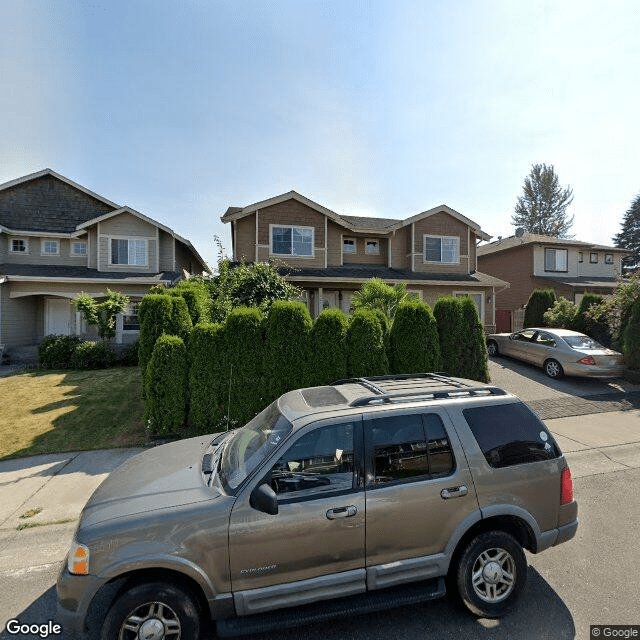
12211 SE 259th Pl, Kent, WA 98030
To contact a resident: (253) 850-2192
For more information about senior living options: (866) 208-4318
Garden of Love and Services Costs & Pricing
Garden of Love and Services offers competitive pricing for its accommodations compared to the broader market in King County and the state of Washington. For a semi-private room, residents can expect to pay $2,600 per month, which is significantly lower than the county average of $4,430 and the state average of $4,267. Similarly, for a private room at $3,000 monthly, Garden of Love and Services remains well below both the county's average rate of $5,034 and Washington state's average of $4,772. These cost-effective options not only provide valuable savings for families but also reflect the organization's commitment to affordable care without compromising on quality.
| Floor plans | Garden of Love and Services | King County | Washington |
|---|---|---|---|
| Semi-Private | $2,600 | $4,430 | $4,272 |
| Private | $3,000 | $5,034 | $4,774 |
Senior living communities with a similar price nearby
-
from +$400 / mo

Hummingbird Homecare
$3,000 / month8.0 miles away -
from -$200 / mo
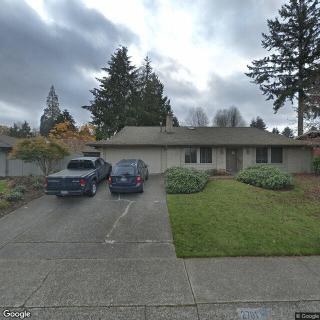
Twin Lakes AFH
$2,400 to $2,700 / month9.7 miles away -
from +$400 / mo
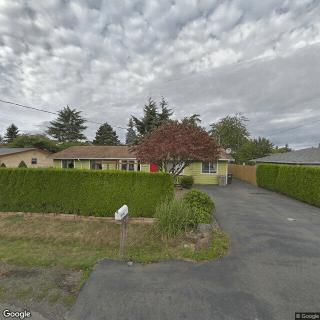
Home Care in Kent Inc.
$3,000 to $3,500 / month1.9 miles away -
from -$100 / mo
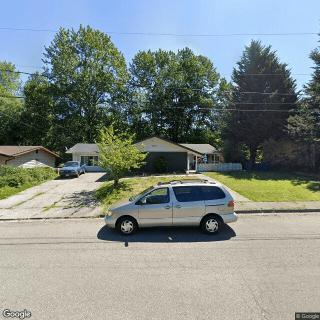
Freedom Care
$2,500 to $3,000 / month5.7 miles away -
from +$400 / mo
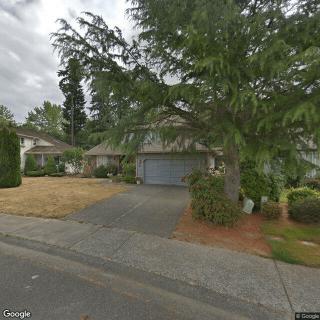
Ridgewood Adult Family Home
$3,000 / month9.4 miles away
Overall Review of Garden of Love and Services
Pros
 Lylia and her husband are very sweet.
- The home atmosphere always brings a smile to their residence.
- Lilya and her entire family are absolutely incredible.
- They took in a loved one during a difficult time and handled hospice care beautifully.
- They were kind and went above and beyond in their care and generosity.
- The experience at Garden of Love AFH was wonderful.
- Lilya provides more natural food and more fruits and vegetables, which is important for the health of elderly residents.
- Garden of Love AFH is highly recommended to anyone seeking a safe place for a loved one.
Cons
 The reviewer describes Gladness Adult Family Home in Renton as horrible.
- The reviewer refers to that facility as the horrible one in Renton.
Review
Garden of Love and Services in Kent, Washington, is best suited for families seeking a warm, home-like care option where seniors receive highly personalized attention from a small, family-run team. The facility is operated by Lilya and her husband, described by families as sweet, attentive hosts who treat residents like members of a close-knit family. The atmosphere feels residential rather than institutional, translating into a daily experience of comfort, familiar routines, and generous opportunities for private time with loved ones in the home setting. In short, it is a strong fit for residents who thrive on intimate interaction, consistent, high-quality care, and a caregiving style that prioritizes warmth over formality.
Those needing extensive medical complexity or formal, round-the-clock nursing oversight should consider alternatives. While the setting excels in tenderness and responsiveness, its intimate, AFH model naturally offers fewer on-site resources than a large assisted living campus or a skilled nursing facility. Families pursuing memory-care-specific programming, highly structured daily schedules, or broad ancillary services may find the scale and scope of Garden of Love more limited. If safety concerns require constant professional monitoring or specialized therapies that demand institution-level staffing, other communities are likely a better fit.
From the reviews, the strongest advantages are tangible and repeatedly verified: compassionate, above-and-beyond caregiving; a hospitable home environment; and a willingness to accommodate complex medical needs within hospice contexts. One family notes that the transition was handled with generosity and skill when a loved one entered hospice care, and the care team delivered what could be described as going above and beyond. Cleanliness and inviting surroundings are repeatedly cited, reinforcing that residents live in a space where daily life feels dignified and secure. The host’s kindness, the family’s involvement, and the perception of consistently attentive staff create a foundation that eases difficult transitions and preserves dignity.
Another prominent pro is the ability to spend meaningful time with loved ones without the constraints typical of more rigid facilities. Families describe private spaces, such as a private TV room, and flexible arrangements that allow conversations and companionship beyond set visiting windows. The emphasis on more natural foods and fruit- and vegetable-rich options also matters for seniors’ health, aligning dietary choices with well-being and enjoyment. Taken together, these elements offset any concerns about the smaller, homelike model by delivering stability, trust, and a sense of normalcy during challenging chapters of aging and illness.
Practically evaluating Garden of Love means asking the right questions during a tour. Inquire about caregiver-to-resident ratios, on-call medical support, and how care plans are developed and updated, especially for hospice participants. Confirm the scope of on-site services, meal planning approaches, and opportunities for family involvement in daily routines. Tour to observe how cleanliness, safety, and accessibility are maintained, and discuss visitation policies to ensure they align with what families require for ongoing quality time. The testimonials suggest a community where responsiveness, empathy, and practical support are the guiding principles; the next step is to verify that the specific care needs and expectations of a loved one can be met within that framework.
Overall, Garden of Love AFH stands out as a high-trust option for families prioritizing a homey, person-centered approach, where caregivers are deeply invested in the well-being and happiness of residents. Its five-star feedback, coupled with stories of hospice-appropriate care and genuine kindness, positions it as a compelling choice for seniors who want to remain integrated with family and retain a sense of independence within a nurturing setting. For those comfortable with a smaller home-style model and who can leverage family involvement as part of daily care, a tour is the logical next step. Schedule a visit, observe the atmosphere, and envision whether this intimate environment can become the trusted home a loved one needs.
 Board and Care Home
 Private
 Private bathrooms
 Seattle-Tacoma International (8 miles away)
 Ambulatory care
 Diabetic care
 High acuity care
 Christian services



 A Detailed Exploration of Living Wills and Advance Directives
 Comprehensive Guide to Medicare Coverage for Hospice Care
 Caring for Those Who Care: Recognizing, Understanding, and Overcoming Caregiver Burnout