
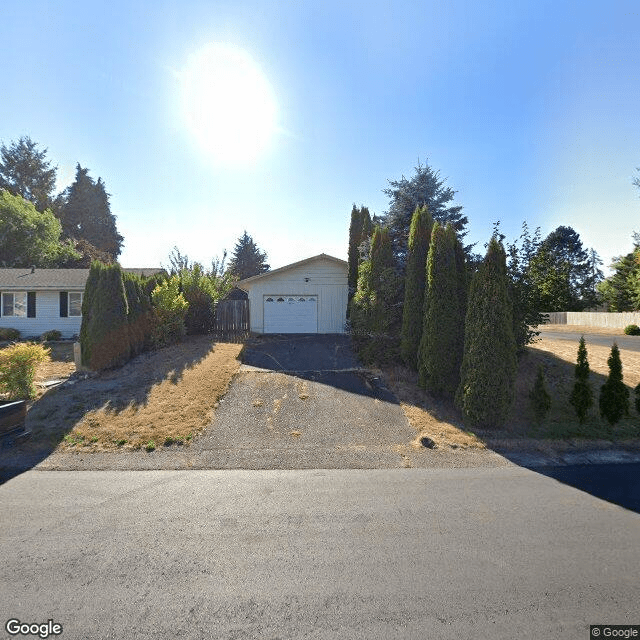
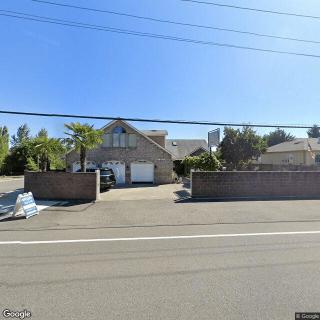
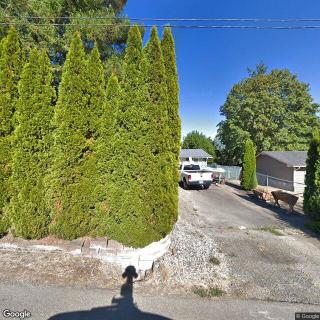
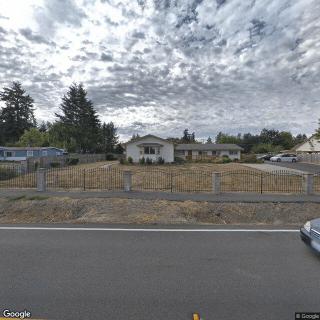
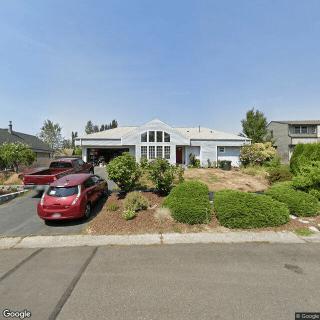
25407 117th Pl SE, Kent, WA 98030
To contact a resident: (206) 419-6662
For more information about senior living options: (866) 208-4318
The Renaissance House, AFH Costs & Pricing
The Renaissance House, AFH offers competitive pricing for its room types when compared to the broader market in King County and the state of Washington. For semi-private accommodations, the monthly cost at The Renaissance House stands at $4,000, which is slightly below the county average of $4,430 and notably lower than the statewide figure of $4,267. In contrast, private rooms at The Renaissance House are priced at $5,500; this is above both the county's average of $5,034 and the state's rate of $4,772. Overall, while The Renaissance House demonstrates a strong value for semi-private living options, potential residents should consider their budget preferences when evaluating private room costs.
| Floor plans | The Renaissance House, AFH | King County | Washington |
|---|---|---|---|
| Semi-Private | $4,000 | $4,430 | $4,272 |
| Private | $5,500 | $5,034 | $4,774 |
Senior living communities with a similar price nearby
-
from -$625 / mo
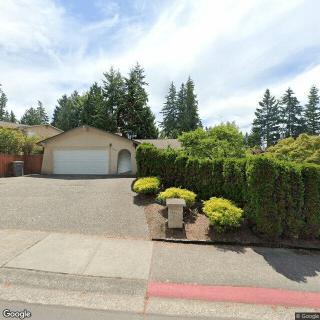
Evergreen Manor Senior Care Inc
$3,375 to $7,500 / month22.2 miles away -
About the same
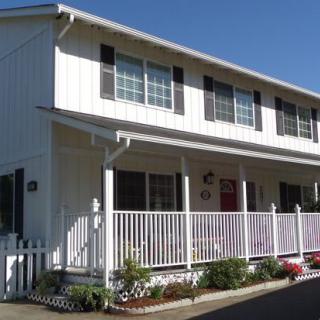
Meadow Crest Senior Home
$4,000 to $6,000 / month9.2 miles away -
About the same

Riverton Home Care
$4,000 to $5,000 / month8.7 miles away -
About the same
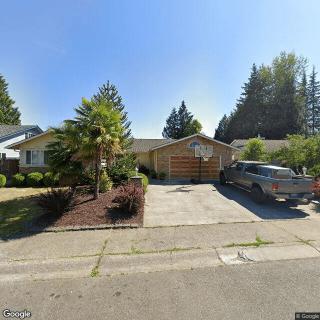
Gentle Care Home
$4,000 to $5,500 / month6.0 miles away -
from -$500 / mo

Twin Lakes Haven Adult Family Home
$3,500 to $8,000 / month9.2 miles away
Overall Review of The Renaissance House, AFH
Pros
 The home offers wonderful care, lovely caregivers, and healthy, fresh food, and residents love it there.
- It is described as the best adult family home in Kent, with strong recommendations to others seeking care for loved ones.
- Families express high satisfaction, with loved ones feeling happy, calling it home, and receiving excellent care.
- The Renaissance House Adult Family Home is praised for a caring atmosphere, helpful staff, up-to-date records, and easy access for visits and questions.
Cons
 The care in the home greatly decreased after the resident broke her hip in their home.
- Her hygiene needs were not met.
- She was not fed or hydrated properly.
- She was very dehydrated and very unhappy.
- One of the caregivers quit and the care went downhill after that.
Review
The Renaissance House, AFH in Kent, is best suited for families seeking a small, home-like setting where caregivers forge close, daily connections with residents and where family involvement stays welcome and straightforward. This community excels for seniors who flourish in an intimate, less institutional atmosphere, who appreciate home-cooked meals, and who value transparent, frequent communication with staff. It is not the right fit for those who require high-intensity medical oversight, rigid staffing guarantees, or a setting where turnover could disrupt consistent, around-the-clock care.
On the upside, the strongest selling points lie in the human touch. Reviewers consistently highlight a warm, attentive staff, with caregivers described as wonderful and deeply involved in daily routines. The environment feels personal and gentle, with residents often described as thriving under the daily, hands-on care that characterizes an AFH. Food is repeatedly praised as healthy and fresh, reinforcing a sense of daily well-being. Families note the ability to visit freely and the thoroughness of records and updates, creating a comforting loop of involvement and reassurance for those managing care at a distance.
Yet, the experience is not without meaningful caveats. The most troubling accounts center on a breakdown in care when key caregivers depart, which directly impacted hygiene, hydration, and overall satisfaction. One family described a sharp decline in care after a caregiver quit, with dehydration and unmet needs becoming evident. These episodes underscore a real vulnerability: in a small home setting, staffing changes can ripple quickly through daily routines. Those who have seen steady, engaged care in the past may fear a lapse if turnover rises, and families should weigh this risk against the intimate, flexible attention that AFHs can offer.
These pros and cons intersect in a practical, decision-ready way. The favorable aspects, the intimate setting, high caregiver engagement, and open visitation, can offset some concerns by maintaining a high quality of daily life and ensuring families remain informed and involved. But the negative episodes illustrate that, when staffing stability falters, core needs like hygiene and hydration may not be consistently met. For families prioritizing a consistently predictable level of medical oversight or for residents with advanced care needs, these realities may tilt the balance toward options with larger staff rosters, on-site RNs, and more formal care protocols.
This community will appeal strongly to those who value warmth, personalization, and a sense of “home” over clinical formality. Prospective buyers should explicitly vet staffing stability, inquire about the turnover rate, and request a clear care-planning and hydration-monitoring protocol. It is prudent to visit with multiple current residents and families, ask how often care plans are updated, and confirm that timely updates are provided whenever changes occur. In addition, verify meals, daily routines, and accessibility of loved ones for drop-ins, as these elements often determine day-to-day satisfaction more than facility size.
Overall, Renaissance House offers a compelling option for a specific niche: a small, family-oriented home for seniors who thrive on personal attention and consistent family involvement, and who can tolerate the inherent variability that comes with limited staffing. Those with higher medical or supervision needs, or concerns about staffing stability, should consider larger assisted living communities or AFHs with stronger on-site medical oversight. For the right resident and family, this setting can feel like a true home, with attentive care and responsive communication that keeps loved ones connected and engaged, even as occasional staffing shifts merit careful inquiry and upfront planning.
 Board and Care Home
 Activities off-site
 Air-conditioning
 Bath tubs
 Beautician on-site
 Cable or satellite TV
 Full kitchen
 Ground floor units
 Handicap accessible
 Indoor common areas
 Outdoor common areas
 Private
 Private bathrooms
 Respite or short term stays offered
 Wheelchair accessible showers
 Wi-Fi/high-speed internet available
 Seattle-Tacoma International (8 miles away)
 Diabetic care
 High acuity care
 Incontinence care
 Medication management
 Anytime dining
 BBQs or picnics
 Birthday parties
 Day trips and outings
 Resident band or musicians
 Stretching classes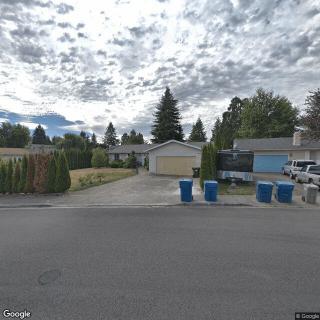
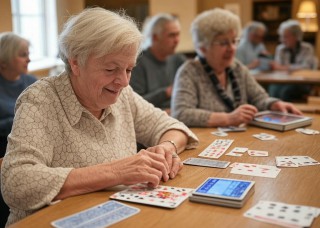 Effective Strategies for Keeping Seniors' Minds Active: A Deep Dive into Brain Games and Apps
 In-Depth Look at the VA Aid and Attendance Program
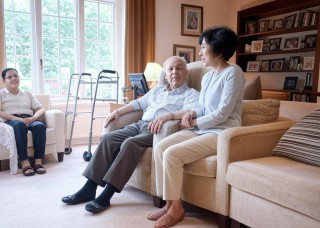 Nurturing Our Loved Ones: A Daughter's Journey in Caring for Her Mother