
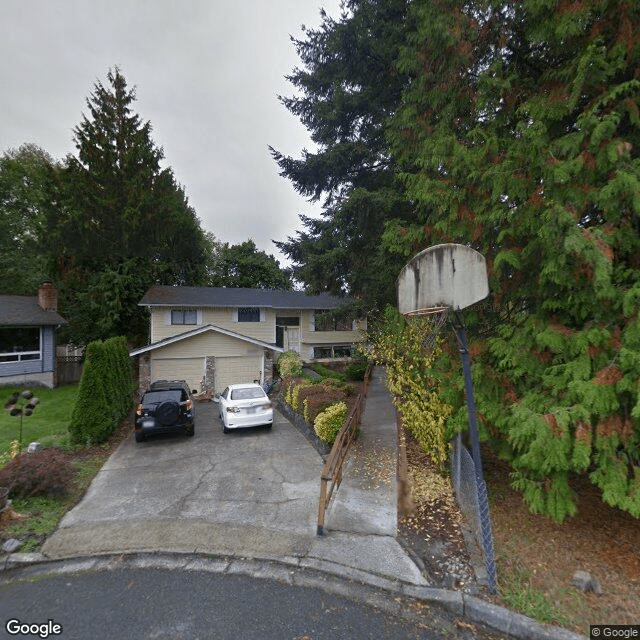
14522 52nd Place West, Edmonds, WA 98026
To contact a resident: (425) 743-6707
For more information about senior living options: (866) 208-4318
Shalom Adult Family Home Costs & Pricing
Shalom Adult Family Home offers competitive pricing for its private rooms, with a monthly cost of $3,000. This rate is significantly lower than the average costs in Snohomish County, which stands at approximately $4,834, and even more favorable compared to the statewide average of $4,772 in Washington. By choosing Shalom Adult Family Home, residents not only benefit from an affordable option but also gain access to a caring environment that prioritizes quality care and comfort. This makes it an attractive choice for families seeking supportive living arrangements for their loved ones without compromising on quality or financial stability.
| Floor plans | Shalom Adult Family Home | Snohomish County | Washington |
|---|---|---|---|
| Private | $3,000 | $4,834 | $4,774 |
Senior living communities with a similar price nearby
-
from +$500 / mo
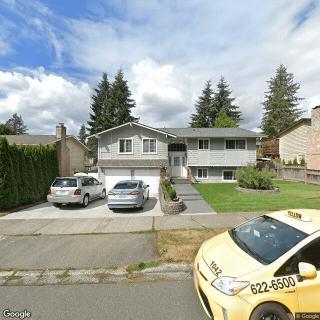
Dignity Life
$3,500 / month5.1 miles away -
from +$375 / mo

Evergreen Manor Senior Care Inc
$3,375 to $7,500 / month13.4 miles away -
from -$200 / mo
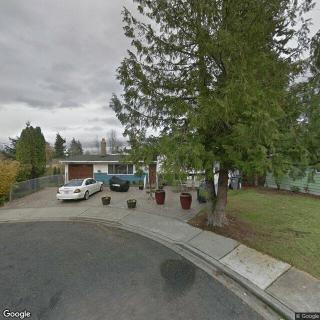
Gold Standard Care
$2,800 / month4.3 miles away -
About the same

Caring Adult Family Home #1
$3,000 / month8.6 miles away -
from +$500 / mo
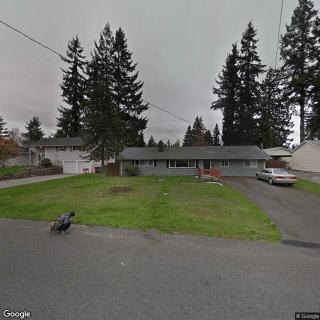
Terrace View AFH
$3,500 to $4,000 / month4.5 miles away
Overall Review of Shalom Adult Family Home
Pros
 They do an absolutely awesome job!
- The people there are all very nice, patient, understanding, and kind.
- They are truly beyond amazing!
Cons
 The care did not reflect the price paid.
- The choice of food was poor.
- Caregivers are not patient and do not seem to know what they are doing.
- Caregivers sometimes speak in their own foreign language, making residents feel like outsiders.
- Activities are not met.
- The facility requires a close screening before moving in.
Review
Shalom Adult Family Home in Edmonds is best suited for families prioritizing a small, intimate, home-like setting where caregivers deliver personal attention rather than a corporate routine. This community excels for residents who value direct access to staff, comforting daily routines, and a sense of security from consistent care in a tightly knit environment. It serves households that want regular, visible caregiver interaction and a feeling that staff genuinely knows the resident’s preferences. Conversely, this is not the ideal choice for families seeking a wide array of on-site medical services, extensive activity programming, or highly structured meals. Those needs point toward alternatives better aligned with larger facilities or specialized care.
Two reviews describe a truly warm, responsive team: caregivers described as patient, understanding, and kind, with families feeling assured that a loved one is being cared for and worries minimized. In the best moments, the small home atmosphere supports quicker communication, more watchful supervision, and a sense that staff act like extended family. This emotional safety net can offset the stress of entrusting someone to a new living situation. When staffing is stable and routines are predictable, residents can experience peace of mind and continuity of care that’s hard to capture in a bigger facility. Those advantages are the core reason families choose this setting.
Yet the negative experiences pull on the other side of the scale. Review notes mention care that feels fair at best and not always aligned with price, with concerns about whether staff have the time or patience needed for higher-level support. Food quality is flagged as poor by critics, while language barriers leave some residents feeling like outsiders, undermining social integration. Activities appear mismatched to resident interests or needs, leaving daily engagement thin. This combination can erode value quickly, especially for families paying a competitive rate for what is advertised as attentive, personalized care. A close screen before move-in becomes not optional but essential.
The decisive question is whether the warm, individual care can reliably compensate for gaps in programming, nutrition, and cross-cultural communication. Pros such as visible caregiver attentiveness, a tight-knit team, and the reassurance of a home setting can indeed offset potential shortcomings if the operation maintains low turnover and real-time responsiveness to care plans. However, when caregivers are perceived as rushed, meals are not satisfying, or residents feel excluded due to language dynamics, those benefits quickly lose traction. Families must weigh whether a home-like environment justifies tolerating episodic service gaps, or whether a more structured setting with robust menus and multilingual staff would better match the resident’s needs and expectations.
Practical due diligence can sharpen the decision. Prospective residents should request an in-person tour focused on daily routines, meal service, and how care plans are monitored. Meet the caregiving team to assess language compatibility, training, and availability. Seek a current sample menu and options for dietary accommodation, then review the activities calendar to see if programs align with the resident’s interests. Clarify what medications, nursing oversight, and emergency procedures are available on-site, and confirm pricing inclusions to avoid sticker shock. Talk with regulators or former families to verify licensing compliance, responsiveness, and any past concerns. The goal is to validate that the positives can reliably cover the stated shortcomings.
In summary, Shalom Adult Family Home is a solid fit for families prioritizing warmth, personal attention, and a home-like cadence of care. It works best when the resident thrives on close caregiver relationships and does not require intensive medical management or a richly programmed activity schedule. Those who insist on consistent high-level clinical oversight, diverse nutrition, multilingual programming, or rigorous daily engagement should consider alternatives. Larger assisted living settings or facilities with memory care specialization may deliver the robustness some residents demand. For decision-making, a disciplined tour, clear expectations about staffing and meals, and verified references will determine whether the pluses measurably outweigh the minuses.
 Board and Care Home
 Activities off-site
 Beautician on-site
 Devotional services on-site
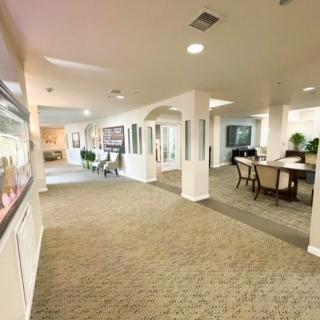
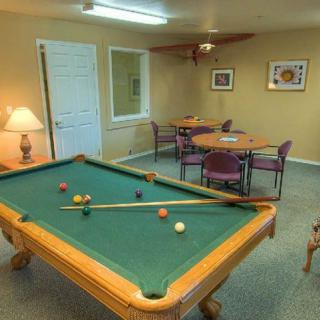
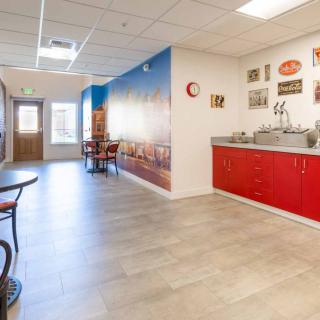
 Indoor common areas
 Outdoor common areas
 Private
 Respite or short term stays offered
 Wheelchair accessible showers
 Diabetic care
 High acuity care
 Incontinence care
 Medication management
 Kosher





 Urinary Tract Infections in Older Adults: Comprehensive Insights on Symptoms, Treatment, and Prevention
 California's Form 602A: An In-Depth Examination of Senior Care Assessment
 Comprehensive Look at Senior Blood Pressure Charts: Normal and Elevated Levels by Age