
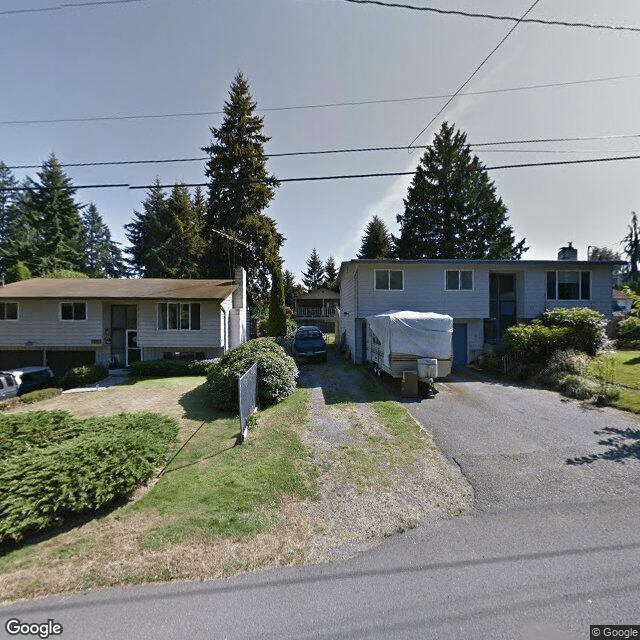
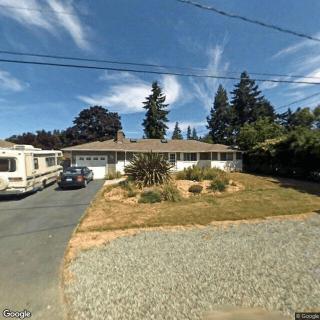
8102 - 226 St SW 425-776-7735AFH, Edmonds, WA 98026
To contact a resident: (425) 776-7735
For more information about senior living options: (866) 208-4318
Overall Review of Advanced AFH
Pros
 The facility was wonderful.
- The care provided to the parents was deeply appreciated.
- The caregivers are thoughtful, kind, and caring.
- The parents felt blessed and cared for after arriving, easing their concerns about moving.
- Yeme provided care for the parents and support for the whole family during a difficult time.
Cons
 My parents were not happy about having to move out of their home.
Review
This Edmonds Advanced AFH is best suited for seniors who value a warm, home-like setting and families seeking deeply personalized, empathetic caregiving during a transition. The community shines when residents respond well to a nurturing, intimate environment where staff develop meaningful relationships and stay closely connected with families. It is especially strong for older adults who welcome steady routines, gentle supervision, and a sense that caregivers truly know their preferences and history. Those who prize a “come as you are” atmosphere over a bustling campus should view this option as a natural fit.
Any family considering alternatives should recognize that this model may not be ideal for every situation. If a loved one requires aggressive medical oversight, 24/7 on-site skilled nursing, or highly specialized memory-care programming, larger communities or nursing facilities with broader clinical resources could be a better match. Similarly, for families seeking expansive activity calendars, broad dining options, or highly structured group programming, the intimate scale of an Advanced AFH can feel limiting. In short, the strongest fit is for residents who thrive on personalized attention more than on constant campus-wide programming.
The strongest advantages rest on the staff’s approach to care. Caregivers are described as thoughtful, kind, and genuinely invested in residents’ well-being. That depth of attention translates into consistent daily care and a sense of safety that eases the distress commonly felt when moving from home. In the most meaningful moments, the team goes beyond routine tasks to support families emotionally during difficult seasons, creating a bridge between resident comfort and family peace of mind. The standout takeaway is how care teams read individual needs and respond with steadiness rather than routine, making the experience feel personal rather than transactional.
Because the review highlights a single, highly positive experience, the main trade-off appears to be the inherent limits of a smaller, home-like setting. The care model emphasizes relationship-driven service over expansive clinical capacity. This means fewer on-site specialties and a narrower menu of activities compared with larger campuses. Yet the documented strength, staff willingness to support families and to tailor care, effectively offsets these trade-offs for those who value relational quality over breadth of services. In practice, the pros cultivate a strong sense of belonging that can counterbalance any perception of limited programming.
For decision-makers, the takeaway is clear: this community excels when the goal is a respectful, compassionate transition with ongoing emotional and logistical support for families. It is a compelling choice for seniors who want to minimize relocation stress and preserve dignity in a setting where caregivers know them well. Prospective residents should verify the current care structure, confirm the capacity to manage any evolving medical needs, and assess how the resident’s daily activities align with personal interests. The model works best when families are open to close collaboration with a small team that treats care as a shared mission.
Visiting the community with specific questions will yield the best fit. Inquire about caregiver-to-resident ratios, the cadence of care planning, and how staff handle changes in health status. Ask how the home accommodates memory-related needs, mobility support, and daily living routines. If possible, speak with families whose loved ones have recently transitioned there to hear how staff balanced autonomy, safety, and social engagement. For those who prize a heartfelt, hands-on caregiving ethos and a sense of “home,” this Edmonds AFH stands out as a careful, confident recommendation. If the checklist leans toward broader clinical resources or more theatrical programming, explore alternatives that scale up those elements.
 Board and Care Home
 Seattle-Tacoma International (24 miles away)

 Navigating the Tax Landscape of Caregiving: Credits, Deductions, and Beyond
 Highly Beneficial Low-Impact Exercises for Senior Living Residents
 Is In-Home Healthcare Tax Deductible? Your Comprehensive Guide