
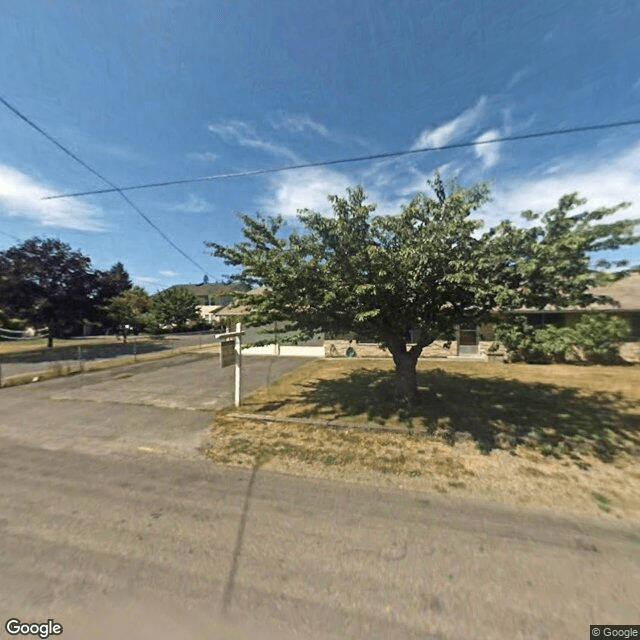
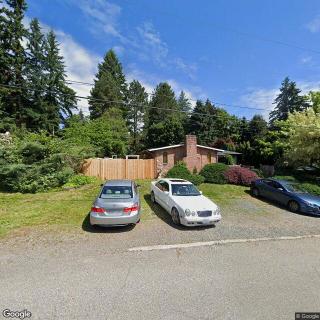
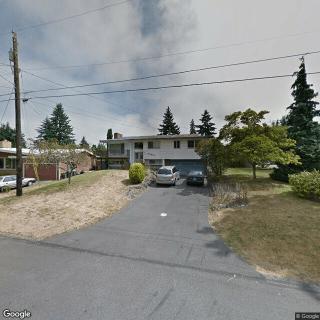
22916 88th Ave W, Edmonds, WA 98026
To contact a resident: (425) 776-3129
For more information about senior living options: (866) 208-4318
7th Heaven Elder Care Costs & Pricing
At 7th Heaven Elder Care, the monthly cost for a private room is set at $3,500, which positions it as a more affordable option compared to the average prices in Snohomish County and Washington state, where comparable private rooms can reach up to $4,834 and $4,772 respectively. This pricing not only reflects a commitment to accessible elder care but also underscores the value provided at 7th Heaven. By choosing this facility, families can expect quality care while benefiting from significant cost savings in comparison to regional standards, making it an appealing choice for those seeking supportive housing solutions for their loved ones.
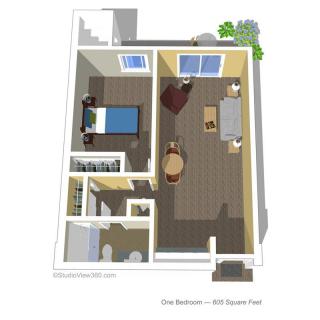
| Floor plans | 7th Heaven Elder Care | Snohomish County | Washington |
|---|---|---|---|
| Private | $3,500 | $4,834 | $4,774 |
Senior living communities with a similar price nearby
-
About the same
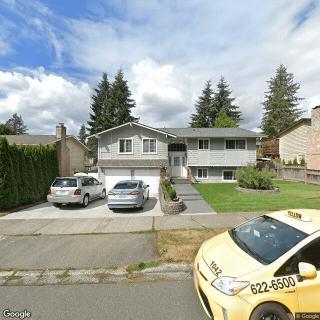
Dignity Life
$3,500 / month7.7 miles away -
from -$125 / mo
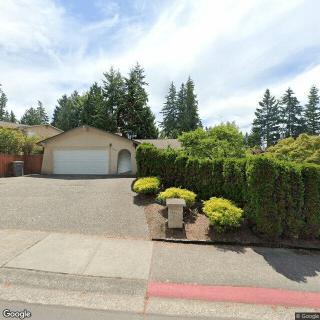
Evergreen Manor Senior Care Inc
$3,375 to $7,500 / month10.7 miles away -
from +$500 / mo
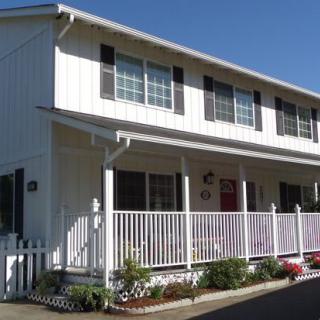
Meadow Crest Senior Home
$4,000 to $6,000 / month21.2 miles away -
from -$500 / mo
Caring Adult Family Home #1
$3,000 / month7.4 miles away -
from +$500 / mo

Riverton Home Care
$4,000 to $5,000 / month21.9 miles away
Overall Review of 7th Heaven Elder Care
Pros
 The home is wonderful.
- The staff communicated amazingly with the family.
- He was loved and cared for until his last breath.
- During each visit, he was well groomed, well-dressed, and very comfortable.
- The house is lovely.
Cons
 He was there only for a very short time.
Review
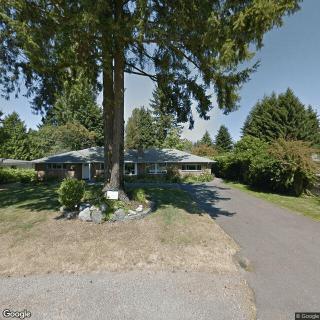
This Edmonds community is best suited for families seeking an intimate, home-like setting where daily life centers on personal attention and open, ongoing communication with caregivers. It serves residents who flourish in a small, people-first environment rather than a large campus, and who value consistency in grooming, dressing, and comfort as a matter of daily dignity. For families navigating end-of-life care, the setting appears particularly reassuring: staff are described as involved, respectful, and present, ensuring a loved one remains comfortable and well cared for in a sensitive transition. In short, this is a good fit where intimacy and family-involved care drive the decision.
Those who may want alternatives include families prioritizing robust medical oversight or specialized programming. If continuous on-site nursing, complex clinical management, or dementia-specific care is essential, a larger community with dedicated memory-care wings or more extensive medical staffing may better fit. A bigger facility can also offer a broader array of social activities and transportation options. For residents who crave a more structured, activity-rich schedule or a campus with extensive therapeutic services, this Edmonds home may feel limited by scope.
From the strongest positives, the key advantages are clear: a house that feels like home, where residents are treated with dignity and daily routines emphasize comfort. Family communication is described as outstanding, reducing ambiguity and building trust during fragile moments. Observations of residents being well groomed and well dressed on visits signal meticulous, person-centered care. The most strikingly, the care experience around end-of-life moments suggests a compassionate, patient-focused approach that respects both the resident’s wishes and the family’s need for transparency. Taken together, these elements create a reliable spine of safety and reassurance that many families seek in elder care.
Yet no community is without limits, and the absence of explicit drawbacks in reviews means due diligence is essential. Prospective residents should verify staff-to-resident ratios and confirm that licensed nursing coverage is available as needs evolve. Small, home-like environments can have finite admission capacity and fewer on-site resources for specialized therapies, which matters when medical or cognitive needs intensify. In this context, the warmth of relationships and rapid responsiveness become critical assets, provided staffing supports them. Families should also confirm private room availability, meal quality, and responsiveness to safety concerns, ensuring the practical day-to-day reality tracks the promises implied by the praise.
This analysis points toward a practical decision framework: assess care quality and responsiveness as the top priority, then evaluate how well communication with families is institutionalized, and finally gauge the emotional climate and resident dignity. Schedule meetings with caregivers and administrators to review care plans, daily routines, and how changes in health status are managed. Ask about end-of-life support, pain management, and how family members participate in planning. Request demonstrations during meal times and routine activities to observe engagement, warmth, and respect. If these criteria align with what matters most, quiet competence paired with compassionate presence, the community stands out.
Overall, the Edmonds home emerges as a strong fit for families who prize a small, affectionate, and clearly communicative setting where residents are treated with consistent respect. Alternatives should be seriously considered whenever medical complexity, dementia-specific needs, or a richer activity program outweigh the benefits of intimate care. The deciding factor is whether the intimate scale and attentive staff can adapt to evolving needs over time without sacrificing dignity and transparency. With purposeful visits, candid conversations, and review of care plans, families can determine whether this 7th Heaven Elder Care location truly aligns with their priorities and offers sustainable peace of mind.
 Board and Care Home
 Activities on-site
 Beautician on-site
 Indoor common areas
 Outdoor common areas
 Private
 Private bathrooms
 Respite or short term stays offered
 Wheelchair accessible showers
 Seattle-Tacoma International (24 miles away)
 Ambulatory care
 Diabetic care
 High acuity care
 Incontinence care
 Medication management
 Meals provided


 Engaging Brain Games and Innovative Apps to Keep Senior Minds Active
 Effective Strategies for Keeping Seniors' Minds Active: A Deep Dive into Brain Games and Apps
 In-Depth Look at the VA Aid and Attendance Program