
Cheney Care Community in Cheney, WA

Save

Cheney Care Community in Cheney, WA

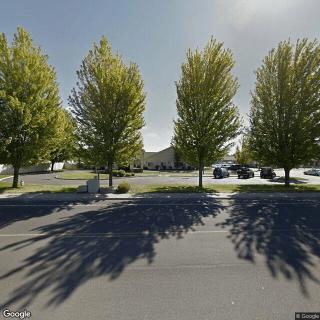
2219 North 6th Street, Cheney, WA 99004

For more information about senior living options: (844) 490-3973

5 from 1 review
Assisted Living Continuing Care Retirement Community (CCRC) Independent Living Respite Care Skilled Nursing Facility

What level of care are you interested in?

Assisted Living

Memory Care

Independent Living

Skilled Nursing Facility

Continuing Care Retirement Community (CCRC)CCRC

Other


Request a tour at Cheney Care Community

    Overall Review of Cheney Care Community

    Pros

    • pro Cheney Care Center maintains a good staff-to-patient ratio, giving residents daily one-on-one time with staff.
    • pro The nurses and other staff members are attentive and kind.
    • pro Problems that arise are dealt with swiftly and efficiently.
    • pro Residents speak highly of their living situation.
    • pro Staff treat even difficult patients with patience and consideration.

    Review

    Cheney Care Community in Cheney, Washington is best suited for seniors who prize consistent, hands-on care and dependable daily responsiveness. The core strength is a favorable staff-to-resident ratio that translates into meaningful, one-on-one time each day. Nurses and aides are described as attentive and kind, with a clear emphasis on addressing issues promptly. This is not a setting where concerns linger; problems are handled swiftly and decisively, giving families confidence that their loved ones are not navigating challenges alone. For families seeking practical, steady reassurance that daily needs and worries will be met with proactive attention, Cheney Care Community delivers measurable value.

    Those who should consider alternatives are families prioritizing breadth of programming and specialized care tracks. If a resident's needs extend beyond routine support - such as intensive rehab, advanced memory-care programs, or a campus offering a wider menu of on-site services - this community may not fully satisfy those requirements. Additionally, with only a single reviewed experience available, prospective residents should pursue additional perspectives to gauge consistency and confirm that the care model remains strong over time. A hands-on, intimate environment is a solid fit for many, but not every situation benefits from limited scope.

    The standout pros function as a practical counterbalance to common concerns about smaller facilities. The high staff engagement translates into real safety benefits and mood stability; daily interactions mean potential issues are noticed early and resolved before they escalate. Attentive staff behavior and patient consideration help minimize stress for residents who can become unsettled in less personal settings. The ability to look in on residents and observe warmth in routine care provides tangible reassurance to families worried about loneliness or neglect. In short, the personal touch becomes a practical asset that often correlates with fewer emergencies and better overall well-being.

    Yet the lack of explicit information on price, activity breadth, and specialized care options represents genuine unknowns. For families with a fixed budget, the absence of cost data is a meaningful gap that must be filled through direct inquiry and formal quotes. For those who want a robust slate of social opportunities, varied enrichment, or dedicated memory-care programming, the current profile may feel narrow. The most meaningful offset is the proven attentiveness of staff, but this offset is not universally sufficient; some residents will crave more expansive programming or more intensive clinical oversight, which would steer them toward other communities.

    To evaluate Cheney Care Community thoroughly, a deliberate site visit is essential. Observe rounds of interaction across different shifts to confirm consistency in care and courtesy. Meet the caregiving team and the administrator to assess communication styles, responsiveness, and transparency about policies and procedures. Inquire about staff training, turnover, and how care plans are updated as resident needs evolve. Request detailed explanations of service levels, transportation options, and coordination with outside medical providers. If memory care or rehab services are anticipated, seek explicit confirmation of availability, staffing, and success stories from similar residents.

    In the final tally, Cheney Care Community offers a compelling package for families prioritizing dependable, personalized care within a manageable, intimate setting. It excels where daily attentiveness and rapid problem-solving matter most, delivering peace of mind through consistent, compassionate staffing. It is a strong pick for seniors who value human connection and predictability over the breadth of amenities or a broad medical ecosystem. For those whose priorities include a richer activity calendar, extensive specialized programming, or transparent pricing upfront, alternatives deserve comparison. The right choice rests on aligning the resident's care expectations with the facility's proven strengths and the family's practical criteria.

    Features

    Housing

    • 32 resident community capacity 32 resident community capacity

    Types of Care

    • Assisted Living Assisted LivingAssisted living facilities provide crucial support and care for seniors who may need help with daily tasks such as medication management, bathing, and meal preparation. These communities offer a safe and comfortable environment where seniors can maintain their independence while receiving the assistance they need to thrive in their golden years.
    • Continuing Care Retirement Community (CCRC) Continuing Care Retirement Community (CCRC)Continuing Care Retirement Communities (CCRCs) are important for seniors because they provide a range of housing options and care services all in one location. This allows seniors to age in place and receive the level of care they need as their health changes, without having to move to a new facility. CCRCs provide a sense of security and peace of mind for seniors and their families, knowing that they will be taken care of no matter what the future holds.
    • Independent Living Independent LivingIndependent living communities are important for seniors because they offer a safe and supportive environment where older adults can live independently while still having access to amenities and services that enhance their quality of life. These communities provide social opportunities, recreational activities, and assistance with daily tasks, promoting overall well-being and allowing seniors to maintain their independence for as long as possible.
    • Respite Care Respite CareRespite care provides temporary relief for caregivers, allowing them to recharge and attend to their own needs. It also gives seniors the opportunity to socialize, receive professional care, and experience a change of scenery, promoting overall well-being and reducing feelings of isolation.
    • Skilled Nursing Facility Skilled Nursing FacilitySkilled Nursing Facilities are crucial for seniors as they provide round-the-clock medical care, rehabilitation services, and assistance with daily activities. These facilities ensure that seniors receive the specialized care they need to maintain their health and well-being as they age.

    Amenities

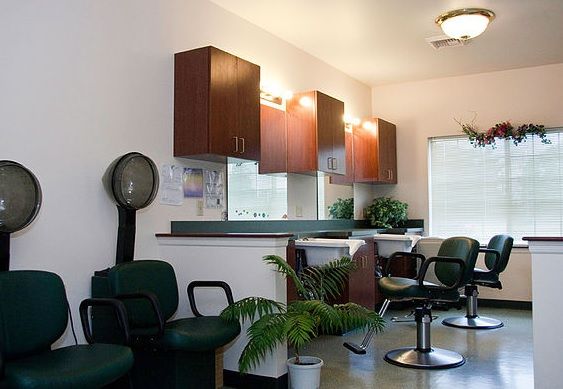
    • Beauty salon Beauty salonBeauty salons are important for seniors because they provide a space for them to feel pampered, socialize, and maintain their personal grooming and hygiene. Regular visits to a beauty salon can help boost seniors' self-esteem and overall well-being.
    • Cable or satellite TV Cable or satellite TVCable or satellite TV is important for seniors because it provides entertainment, news, and companionship, helping to combat loneliness and boredom. It also offers a wide range of programming options tailored to different interests and preferences.
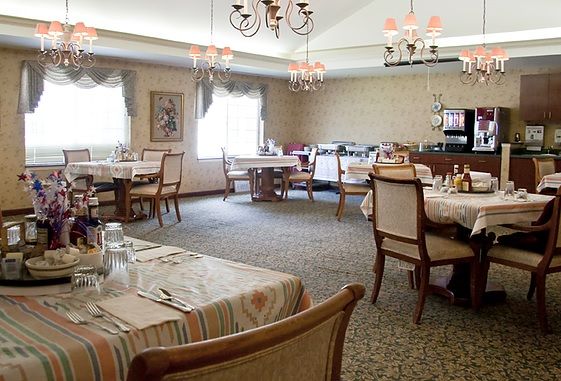
    • Dining room Dining roomDining rooms are important for seniors as they provide a space for socialization, connection, and nutritious meals. They offer opportunities for residents to bond over shared meals, foster a sense of community, and promote healthy eating habits. Dining rooms also ensure that seniors have access to well-balanced meals tailored to their dietary needs and preferences.
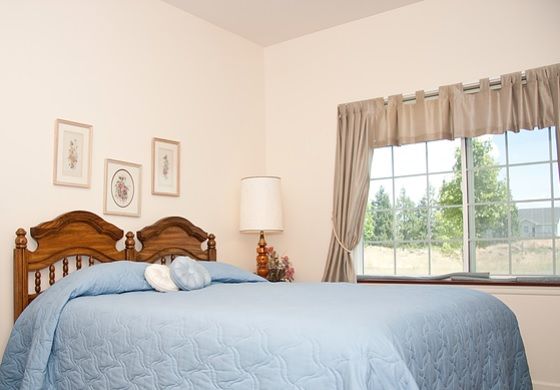
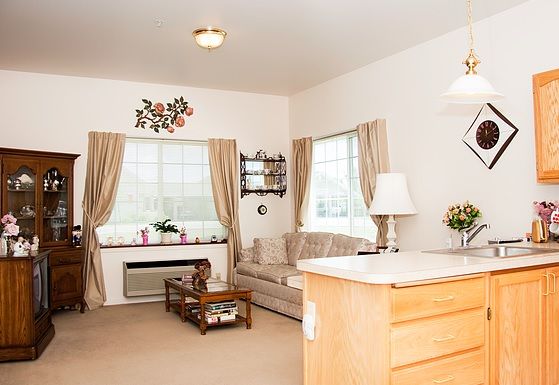
    • Fully furnished Fully furnishedFully furnished senior living communities are important for seniors because they provide convenience, comfort, and a hassle-free moving experience. Seniors can easily settle into their new living space without the stress of having to buy and move furniture. This allows them to focus on enjoying their new home and community.
    • Garden GardenGardens are important for seniors as they provide a peaceful and therapeutic environment for relaxation, physical activity, and socialization. Being in nature has been shown to reduce stress, improve mood, and promote overall well-being. Gardens also offer opportunities for seniors to engage in gardening activities, which can improve mobility, flexibility, and cognitive function. Additionally, gardens create a sense of community and connection with others who share a passion for plants and outdoor spaces.
    • Housekeeping services Housekeeping servicesHousekeeping services are important for seniors because they help maintain a clean and safe living environment, promote independence, and reduce the risk of accidents or illnesses. Additionally, having assistance with household chores can alleviate physical strain and allow seniors to focus on other aspects of their well-being.
    • Kitchenette KitchenetteKitchenettes are important for seniors living in senior living communities because they provide the convenience and independence of being able to prepare simple meals and snacks in the comfort of their own living space. This can help promote a sense of autonomy and well-being for seniors, allowing them to maintain some level of control over their dietary choices and daily routines.
    • Move-in coordination Move-in coordinationMove-in coordination is important for seniors because it helps ease the transition into their new living environment. It ensures that all logistics, such as packing, organizing movers, and setting up utilities are taken care of, allowing seniors to focus on settling in and adjusting to their new home. Having a smooth move-in process can alleviate stress and anxiety, making the transition smoother and more enjoyable for seniors.
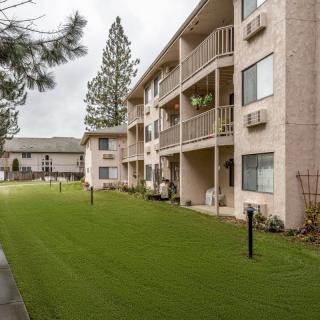
    • Outdoor space Outdoor spaceOutdoor spaces are important for seniors as they provide opportunities for physical activity, social interaction, exposure to natural light and fresh air, and a sense of connection to nature. Having access to outdoor spaces can improve overall well-being and quality of life for older adults living in senior communities.
    • Restaurant-style dining Restaurant-style diningRestaurant-style dining is important for seniors because it allows them to enjoy delicious, nutritious meals in a social and upscale setting. This enhances their dining experience, promotes healthy eating habits, and fosters socialization with fellow residents, ultimately contributing to their overall well-being and quality of life.
    • Small library Small librarySmall libraries are important for seniors as they provide access to a variety of reading materials, including books, newspapers, and magazines. This can help stimulate their minds, keep them engaged, and provide a sense of community through book clubs and other social activities. Additionally, reading has been shown to improve cognitive function and overall mental well-being in older adults.
    • Telephone TelephoneTelephones are important for seniors as they provide a lifeline for communication with loved ones, emergency services, and healthcare providers. They offer a sense of security and independence, enabling seniors to stay connected and access assistance when needed.
    • Wi-Fi/high-speed internet available Wi-Fi/high-speed internet availableWi-Fi/high-speed internet is important for seniors to stay connected with loved ones, access online resources, and participate in virtual activities to combat feelings of loneliness and isolation. It also allows them to easily manage healthcare needs, access entertainment, and engage in lifelong learning opportunities.

    Transportation

    • Spokane International (8 miles away) Spokane International (8 miles away)

    Care Services

    • 24-hour call system 24-hour call system24-hour call systems are important for seniors because they provide peace of mind and immediate assistance in case of emergencies. This technology ensures that help is always available, promoting safety and security for elderly individuals living alone or in assisted living facilities.
    • 24-hour supervision 24-hour supervision24-hour supervision is important for seniors to ensure their safety, well-being, and access to immediate assistance in case of emergencies or health issues. This constant support provides peace of mind for both seniors and their loved ones, allowing them to age in place with dignity and security.
    • Activities of daily living assistance Activities of daily living assistanceActivities of daily living assistance are important for seniors because they provide essential support with tasks such as eating, bathing, dressing, and mobility. This assistance helps seniors maintain their independence, dignity, and overall quality of life as they age.
    • Assistance with bathing Assistance with bathingAssistance with bathing is crucial for seniors as it helps maintain personal hygiene, prevents infections, and ensures their overall well-being and comfort. It also provides a sense of dignity and independence for seniors who may struggle with this task on their own.
    • Assistance with dressing Assistance with dressingAssistance with dressing is important for seniors because it helps maintain their independence, promotes personal hygiene, prevents accidents and injuries, and improves overall quality of life. This service ensures that seniors can continue to dress comfortably and confidently, despite any physical limitations they may have.
    • Assistance with transfers Assistance with transfersAssistance with transfers is crucial for seniors as it helps prevent falls and injuries, maintains their independence, and ensures they can safely navigate their living environment. It also provides peace of mind for both seniors and their loved ones.
    • Diabetes diet Diabetes dietA diabetes diet is crucial for seniors as it helps manage blood sugar levels, reduce risks of complications, and improve overall health and well-being. By following a balanced and nutritious diet tailored to their specific needs, seniors can better control their diabetes and enhance their quality of life.
    • Meal preparation and service Meal preparation and serviceMeal preparation and service are crucial for seniors as they may have limited mobility or energy to cook nutritious meals. Having access to healthy and convenient food options can ensure they are getting the proper nutrition needed to maintain their overall health and well-being.
    • Medication management Medication managementMedication management is crucial for seniors to ensure they are taking the right medications at the correct dosages and times. This helps prevent adverse drug interactions, reduces the risk of medication errors, and promotes overall health and well-being. Proactive management also allows for adjustments as needed based on changing health conditions or new prescriptions.
    • Mental wellness program Mental wellness programMental wellness programs are essential for seniors as they promote cognitive stimulation, emotional support, and social engagement. These programs help prevent isolation, depression, and cognitive decline, ultimately enhancing the overall quality of life for older adults.
    • Special dietary restrictions Special dietary restrictionsSpecial dietary restrictions are important for seniors because age-related changes in metabolism and health conditions can make it difficult for their bodies to process certain foods. By following a diet tailored to their specific needs, seniors can maintain their overall health and well-being, manage chronic conditions, and reduce the risk of complications such as malnutrition or food interactions with medications.
    Dining

    • Diabetes diet Diabetes dietA diabetes diet is crucial for seniors as it helps manage blood sugar levels, reduce risks of complications, and improve overall health and well-being. By following a balanced and nutritious diet tailored to their specific needs, seniors can better control their diabetes and enhance their quality of life.
    • Special dietary restrictions Special dietary restrictionsSpecial dietary restrictions are important for seniors because age-related changes in metabolism and health conditions can make it difficult for their bodies to process certain foods. By following a diet tailored to their specific needs, seniors can maintain their overall health and well-being, manage chronic conditions, and reduce the risk of complications such as malnutrition or food interactions with medications.

    Activities

    • Community-sponsored activities Community-sponsored activitiesCommunity-sponsored activities are important for seniors as they provide opportunities for social interaction, mental stimulation, and physical activity. These activities can help improve overall well-being, combat loneliness and isolation, and promote a sense of belonging and purpose among older adults.
    • Resident-run activities Resident-run activitiesResident-run activities are important for seniors as they encourage social interaction, creativity, and a sense of autonomy. These activities empower seniors to stay engaged and active in their community while fostering meaningful connections with their peers.
    • Scheduled daily activities Scheduled daily activitiesScheduled daily activities are important for seniors because they provide structure, socialization, mental stimulation, and physical activity. Engaging in regular activities can improve overall well-being and quality of life for seniors living in a community setting.

    Description

    Cheney Care Community in Cheney, WA is a well-equipped assisted living community that offers various types of care including Continuing Care Retirement Community (CCRC), Independent Living, Respite Care, and Skilled Nursing Facility. The community provides a range of amenities to enhance the residents' comfort and convenience.

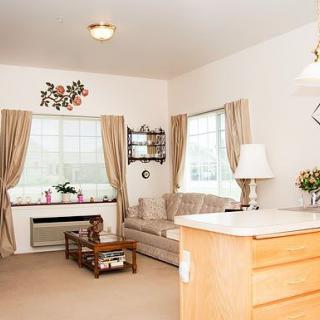
    Residents can enjoy watching their favorite shows on cable or satellite TV in their fully furnished apartments. The community also features a dining room where residents can enjoy restaurant-style meals prepared by the professional staff. For those who prefer to cook their own meals, each apartment comes with a kitchenette.

    The facility offers move-in coordination services to assist new residents in settling comfortably into their new homes. Outdoor spaces and gardens are available for residents to relax and enjoy the fresh air. Additionally, there is a small library where residents can indulge in reading.

    Residents benefit from 24-hour supervision and assistance with activities of daily living such as bathing, dressing, and transfers. The skilled nursing staff provide diabetes diets and medication management services to ensure each resident's individual needs are met. A mental wellness program is also available to promote the overall well-being of the residents.

    Dining options cater to special dietary restrictions, ensuring that each resident receives suitable meals according to their needs. To promote an active lifestyle, Cheney Care Community offers resident-run activities as well as scheduled daily activities for everyone's enjoyment.

    Conveniently located near pharmacies and restaurants, Cheney Care Community provides easy access to essential services outside the community premises. With its wide range of care services and amenities provided in a comfortable environment, Cheney Care Community is an excellent choice for seniors seeking assisted living options in Cheney, WA.

    Nearby Places of Interest

    Pharmacies

    • Cheney Owl Pharmacy (0.9 miles)
    • Owl Pharmacy (7.1 miles)
    • Yoke's Pharmacy (9.8 miles)
    • Walmart Pharmacy (10 miles)
    • Albertsons Pharmacy (11.9 miles)
    • Walgreens (11.9 miles)
    • Rosauers Supermarkets (12.3 miles)

    Restaurants

    • Wild Bill's Long Bar (0.9 miles)
    • McDonald's (6.2 miles)
    • KFC (9.8 miles)
    • McDonald's (9.9 miles)
    • Taco Bell (9.9 miles)
    • Arby's (10 miles)
    • Spangle Saloon & Grill (10.4 miles)

    Cafes

    • Lefevre St Bakery & Cafe (7 miles)
    • Dutch Bros Coffee (9.8 miles)
    • Starbucks (9.9 miles)
    • Chaps Coffee Co. (10.4 miles)
    • The Scoop (11.4 miles)
    • Starbucks (11.6 miles)
    • Rocket Bakery (11.9 miles)

    Hospitals

    • Eastern State Hospital (7.5 miles)
    • Us Air Force Hospital 92nd Medical Group (10.1 miles)
    • Shriners Hospitals for Children-Spokane (12.5 miles)
    • Deaconess Medical Center (12.6 miles)
    • Sacred Heart Medical Center Helistop Heliport (12.7 miles)
    • St Luke's Rehabilitation Institute (12.9 miles)

    Transportation

    • Concourse B (8.8 miles)
    • Spokane International Airport (GEG) (8.8 miles)
    • TSA Checkpoint (8.8 miles)
    • National Car Rental (8.9 miles)
    • Spokane Transit Authority Sta (13 miles)

    Physicians

    • 92Nd Medical Group (9.8 miles)
    • Wylie D Todd OD FCOVD (11.8 miles)
    • Spokane Homeopathic Clinic (12 miles)
    • Providence Manito Pediatrics (12.3 miles)
    • South Hill Counseling (12.3 miles)
    • Grand Pediatrics (12.5 miles)
    • Denise Pounds, MD (12.5 miles)

    Theaters

    • B&B Theatres Airway Heights 8 (10.8 miles)

    Parks

    • Comstock Park (11.3 miles)
    • Polly Judd Park (11.7 miles)
    • Nishomiya Japanese Garden (11.9 miles)
    • Duncan Gardens (12 miles)
    • Coeur D'Alene Park (12.2 miles)

    Frequently Asked Questions

    Where is Cheney Care Community?
    What photos are available for Cheney Care Community in Cheney, Washington?

    Nearby Communities

    • Cheney Assisted Living

      Cheney Assisted Living

      Cheney, WA


      pro 24/7 supervision with comprehensive care (ADL, medication, diabetes support) plus engaging activities and on-site amenities.

    • Aspen Quality Care Inc

      Aspen Quality Care Inc

      Cheney, WA

      4 from 24 reviews
       

      pro Specializes in memory care and skilled nursing with diabetic care support in a nurturing, comfortable setting.

    • Bess' Quality Care

      Bess' Quality Care

      Cheney, WA

       
      $3,000 / month

      pro Competitive price with extensive on-site amenities and specialized care services.

    • Lakeland Village Nursing Facility

      Lakeland Village Nursing Facility

      Medical Lake, WA

      3.1 from 16 reviews
       

      pro Restaurant-style dining with 24/7 support and extensive on-site amenities.

    • Country Cottage

      Country Cottage

      Spokane, WA

      4.9 from 102 reviews
      $5,000 to $6,000 / month

      pro Cozy country setting with attentive staff, clean facilities, and quality dining/activities.

    • Autumn Years West

      Autumn Years West

      Spokane, WA

       
      $2,000 to $2,200 / month

      pro Affordable pricing vs. county/state averages; close to numerous amenities and services (healthcare, dining, parks, transit).

    • Holiday Harvard Park

      Holiday Harvard Park

      Spokane, WA

      4.2 from 123 reviews
      $2,029 to $3,269 / month

      pro Friendly staff, clean facilities, spacious rooms, and affordable, activity-rich living.

    • Avamere at South Hill

      Avamere at South Hill

      Spokane, WA

      4.4 from 74 reviews
      $3,739 to $6,138 / month

      pro Friendly staff with an active, well-maintained community and amenities.

    • The Gallery at Spokane

      The Gallery at Spokane

      Spokane, WA

      4.7 from 38 reviews
      $4,245 to $5,850 / month

      pro Brand-new, clean, Hilton-like facility with attentive staff, spacious apartments, and strong dining/amenities.

    Related Resources

    • activities of daily livingComprehensive Insights into Activities of Daily Living (ADLs) and Their Assessment

      Activities of Daily Living (ADLs) are fundamental tasks vital for an individual's independence, particularly in older adults over 85, and include functions like bathing and dressing; assessing ADLs alongside Instrumental Activities of Daily Living (IADLs) helps determine the level of required assistance due to age-related health challenges. Tailored support plans, involving family and community resources, are essential for maintaining dignity and autonomy in assisted living environments.

    • does medicare pay for assisted livingMedicare Coverage for Assisted Living: An In-Depth Exploration

      Medicare does not cover assisted living costs, as it focuses on acute medical needs and short-term care, with exceptions for certain medically necessary services like physical therapy. Individuals must explore other options such as Medicaid, veterans' benefits, or long-term care insurance to manage these expenses effectively.

    • assisted living vs nursing homeChoosing the Right Senior Care: A Detailed Exploration of Assisted Living and Nursing Homes

      Choosing between assisted living and nursing homes involves evaluating emotional and financial factors, with assisted living offering independence and support for daily activities at a lower cost, while nursing homes provide intensive medical care for individuals with significant health needs. The decision is influenced by personal preferences, health status, cognitive function, and varying Medicaid coverage across states.


    Get Pricing Ask A Question Schedule A Tour Contact Senior Advisor