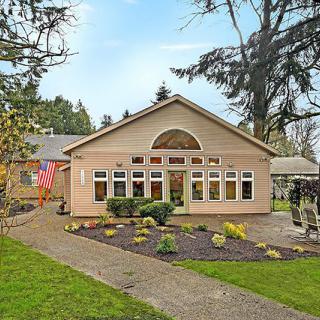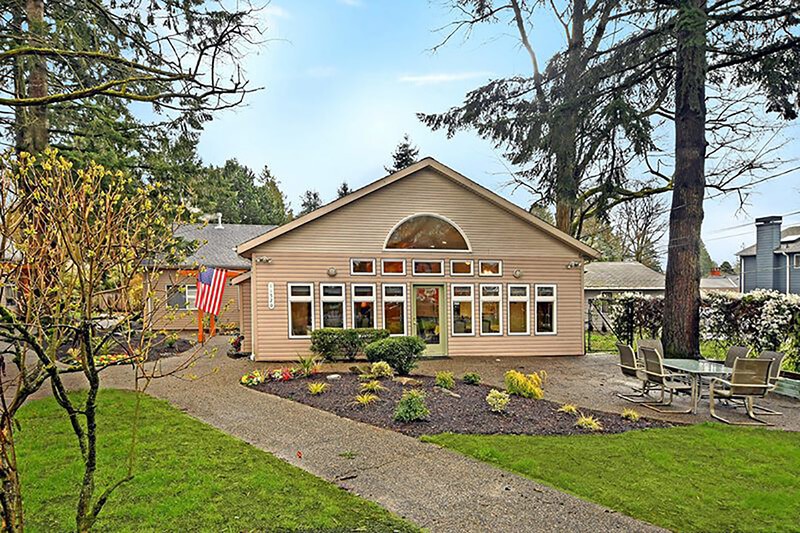
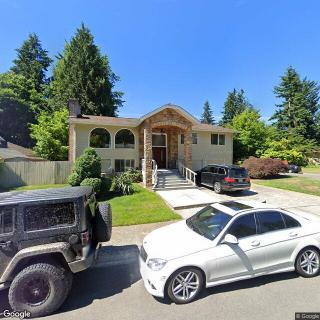
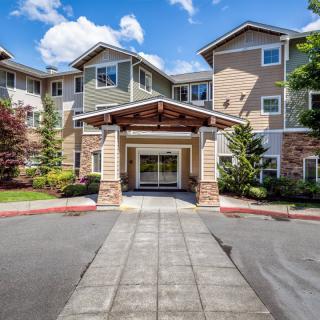
16605 122Nd Place Ne, Bothell, WA 98011
For more information about senior living options: (866) 208-4318
Overall Review of Longhouse Bothell
Pros
 Longhouse Memory Care is described as a great place for a loved one.
- The staff are caring, responsive, and well supported.
- Ashley, the general manager, is phenomenal and deeply cares for residents.
- The facility feels more like a home than an institution.
- Visitation is welcomed at any time and is unobtrusive.
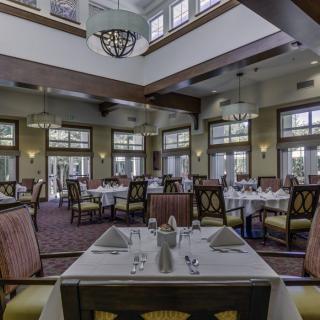
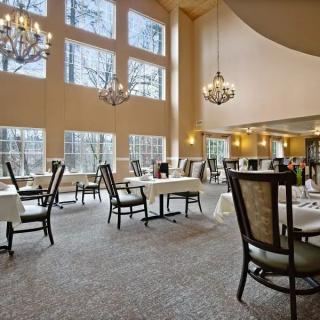
- The environment features bright living spaces, a kitchen, dining area, garden, gazebo, and sun room.
- Low staff turnover helps residents build trust with caregivers.
- The nursing and care team communicate changes promptly and professionally.
- The philosophy of "smaller is better" is praised as an effective approach.
- Families would recommend Longhouse to others seeking memory care.
Review
Longhouse Bothell is best suited for families seeking memory-care focused, small-household living in a quiet Bothell neighborhood. It excels for seniors with dementia or other neurological challenges who benefit from routine, highly personalized attention, and a home-like setting rather than a campus-style facility. The enduring value here is stability: a community where caregivers stay with residents over time, creating trust, predictable daily rhythms, and a sense that the resident is known and cared for as an individual.
Those weighing alternatives should consider options that offer more intensive clinical oversight, broader rehab programming, or a larger, more institutional campus feel. If a loved one’s needs escalate beyond what a smaller, memory-care household can consistently support, or if a family requires 24/7 on-site physicians, expansive therapy offerings, or aggressive medical management, look at bigger facilities or nursing homes. The pricing approach at Longhouse, tied to care needs with expected increases over time, may also push families to compare other models that promise more cost predictability.
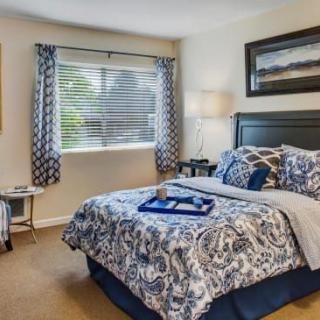
The strongest pros here, home-like design, staff stability, and responsive leadership, largely offset the potential drawbacks of a smaller footprint. Residents enjoy a welcoming great room arrangement, a working kitchen/dining area, and rooms that feel less institutional and more like a living space. The garden, gazebo, and seasonal gatherings cultivate a sense of community and belonging that counterbalances the absence of a large activity program. Low staff turnover means families see familiar faces, which builds trust and reduces unsettling shifts in care routines.
Another meaningful advantage is how care teams operate: a proactive nurse keeps families informed about changes in condition, and communications arrive via phone, email, or text with clarity and speed. The environment invites family involvement without intruding, and residents can comfortably greet visitors, participate in seasonal BBQs, or simply linger in inviting common spaces. This blend of accessibility and professionalism helps maintain dignity and autonomy for residents while ensuring critical care decisions are timely and well coordinated.
Cost considerations are real and deserve careful planning. Longhouse will adjust charges in response to evolving care needs, a practice that can be difficult to forecast year to year. Yet the model’s strength, precision in matching services to the individual, tends to yield better outcomes for dementia care, fewer unnecessary hospital transfers, and a more consistent daily life. If the priority is a warm, human-centered environment with an attentive on-site team and ready access to staff for questions or concerns, the value proposition remains compelling despite potential rate increases.
In the end, Longhouse Bothell stands out as a practical, experienced choice for families prioritizing a humane, smaller-scale memory-care setting in a residential neighborhood. It delivers trust through stable staffing, responsive management, and a living-space atmosphere that many caregivers say feels like home. For residents whose needs align with a home-forward model and for families who want to participate actively in daily care, this is an emphatically strong option. Those requiring heavier clinical support, more expansive programming, or cost certainty should explicitly compare alternatives and verify how hospice and end-of-life comfort are managed to ensure expectations align with the care trajectory.
 15 resident community capacity
 Assisted Living
 Cable or satellite TV
 Dining room
 Fully furnished
 Garden
 Housekeeping services
 Move-in coordination
 Outdoor space
 Telephone
 Wi-Fi/high-speed internet available
 Seattle-Tacoma International (22 miles away)
 24-hour supervision
 Activities of daily living assistance
 Assistance with bathing
 Assistance with dressing
 Assistance with transfers
 Diabetes diet
 Meal preparation and service
 Medication management
 Special dietary restrictions
 Transportation arrangement (medical)
 Transportation to doctors appointments


 Comprehensive Residential Support and Assisted Living Solutions for Individuals with Disabilities
 Comprehensive Supportive Living Arrangements for Adults with Disabilities
 Funding and Affording Assisted Living: A Thorough Overview