

17235 126th Place NE, Woodinville, WA 98072
For more information about senior living options: (866) 208-4318
Overall Review of Brookhaven Group Home
Pros
 Above Woodinville is a wonderful, family-run care facility.
- The care provided at Above Woodinville is personal and loving, extending to residents and their families.
- The personal care at Above Woodinville is amazing and is described as God-sent by families.
- Dawn and her family are incredibly caring and experienced, ensuring residents stay well-groomed and maintain proper hygiene despite decline.
- The open-door visitation policy at Above Woodinville is greatly appreciated by families.
- The meals at Above Woodinville are delicious and help residents maintain or gain weight.
- Families would highly recommend Above Woodinville for loved ones in need.
Review
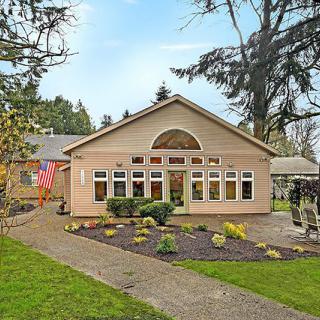
Brookhaven Group Home in Woodinville is best suited for families seeking a small, home-like environment where caregiving is deeply personal and anchored in family leadership. This community shines for seniors who need daily assistance with hygiene, meals, and supervision, and for relatives who want unfettered access and regular, meaningful contact. The setting treats residents as members of a close-knit extended family rather than as tasks in a schedule, making it a natural fit for guardians who value warmth, continuity, and hands-on attention over institutional formality. Families choosing Brookhaven will find a culture that prizes connection, transparency, and the comfort of knowing caregivers are invested in long-term relationships with both residents and their loved ones.
Those who may want to consider alternatives are those who require more extensive medical oversight or highly structured programming. A larger campus with in-house nursing staff, memory-care specialized units, and a fuller calendar of therapeutic activities can offer a different cadence of care, especially for residents with complex medical needs or clear memory-care requirements. Brookhaven’s intimate, family-owned model can feel wonderfully personal, but it naturally prioritizes daily routine, relationship-driven care, and flexibility over the breadth of services and the formal supports that bigger settings provide. Families should align expectations with the reality of a smaller home environment.
The most compelling pros center on the personal, hands-on care. The reviews consistently describe Brookhaven as family-owned and run, with care that extends beyond residents to their families. Attention to daily routines, grooming, hygiene, and proper nutrition, appears reliable and deliberate, with anecdotes of residents appearing well cared-for and even thriving, including weight gain and appetizing meals. Dawn and her family are singled out as genuinely caring and experienced, translating into a sense that staff anticipate needs and respond quickly. An open-door policy, where visitors can drop in at almost any time, further reduces barriers, reinforcing trust and fluid communication with loved ones. These factors together create a caregiving atmosphere that feels attentive, stable, and personally meaningful.
How these strengths offset the broader constraints of a small home becomes clear in practical terms. The intimate scale nurtures continuity, residents quickly form familiar rhythms with the same caregivers, and family members can observe care in real time rather than rely on sporadic reports. The open-door policy isn’t merely a courtesy; it becomes a practical tool for coordination with outside clinicians, scheduling, and real-time observation, which in turn reduces the anxiety families often experience when a loved one’s status shifts. When a resident shows gradual decline in cognition or mobility, the predictability of a consistent caregiving team and the reassurance of family presence can mitigate confusion and distress, benefits that often outweigh the trade-off of less formal programming and fewer on-site specialists.
That said, it’s prudent to acknowledge the trade-offs inherent in a small-group home. The most salient potential drawback is the narrower staffing pool and the correspondingly limited availability of highly specialized medical interventions on site. While the care is deeply personal, scheduling and access to advanced therapies or rapid escalation of medical needs may not be as seamless as in larger facilities that employ round-the-clock nursing teams. The activity calendar tends to be more modest than in bigger communities, which can matter for residents who thrive on a bustling social schedule or require frequent, structured therapy sessions. These are not fatal flaws; rather, they are critical considerations that should shape the decision for families prioritizing intimate, day-to-day attentiveness over breadth of services.
Overall, Brookhaven Group Home presents a compelling choice for families who prize trust, genuine human connection, and a hands-on caregiving approach. The strongest advantages, the warmth of a family-led operation, visible attentiveness to grooming and nutrition, and a welcoming, open environment, often compensate for the lack of scale when the priority is dignity, stability, and a sense of belonging. For residents whose needs lean toward intensive medical management, memory-care specialization, or a consistently rich schedule of on-site activities, a more expansive setting may be warranted. Prospective families should visit with a clear checklist: observe interpersonal exchanges between caregivers and residents, assess the cleanliness and safety of the home, confirm the willingness to coordinate with external clinicians, and feel the practicality of the open-door policy in real-time. When those elements align, Brookhaven Group Home can be the setting where a loved one experiences steady routines, secure attention, and a true sense of family.
 6 resident community capacity
 Assisted Living
 Board and Care Home
 Cable or satellite TV
 Dining room
 Fully furnished
 Garden
 Housekeeping services
 Move-in coordination
 Outdoor space
 Telephone
 Wi-Fi/high-speed internet available
 Seattle-Tacoma International (22 miles away)
 24-hour supervision
 Activities of daily living assistance
 Assistance with bathing
 Assistance with dressing
 Assistance with transfers
 Diabetes diet
 Meal preparation and service
 Medication management
 Special dietary restrictions
 Transportation arrangement (medical)
 Transportation to doctors appointments







 Social Security Benefits and Assisted Living: Navigating Options Across the U.S.
 An Extensive Exploration of the VA Aid and Attendance Benefit
 Senior Transition Services: Understanding Their Role, Cost, and Importance