
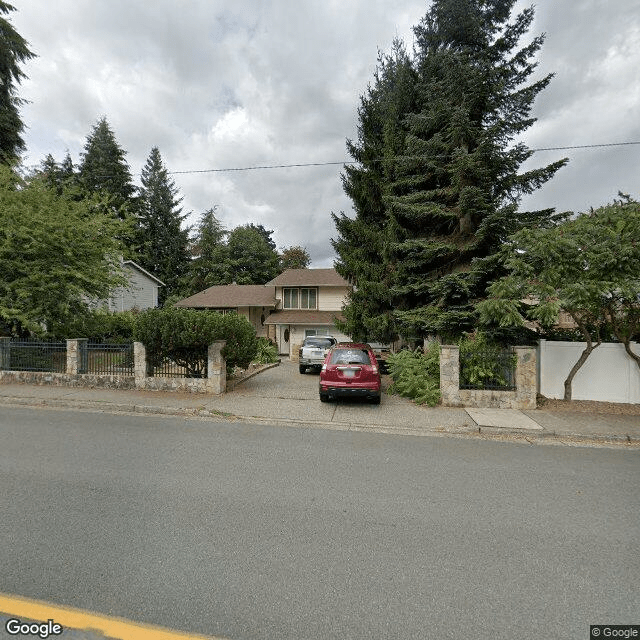
2733 168th St SE, Bothell, WA 98012
To contact a resident: (425) 488-9710
For more information about senior living options: (866) 208-4318
Overall Review of Cica's Adult Family Home
Pros
 Caring Cabin is clean, beautiful, and peaceful, with a real outdoor yard for residents to enjoy.
- Ina and the caregiving team treat residents like family, providing compassionate, attentive care.
- The meals are home-cooked, the setting is tidy, and the staff keeps residents engaged with activities.
- The environment feels safe, calm, and warm, like a true home.
- Ina, as an RN and owner, personally oversees care and spends time with residents to maximize comfort.
- Families consistently praise Caring Cabin as an excellent, supportive option and would highly recommend it.
Review
Cica's Adult Family Home in Bothell is best for families seeking a warm, home-like setting with strong nursing oversight for a loved one who benefits from intimate attention and steady, compassionate care, particularly when memory-related challenges such as early-stage dementia are a consideration. The model reflected in these experiences centers on a caregiver-owner who lives on-site and treats residents as family, delivering consistent daily routines, meaningful engagement, and a dignified, low-stress environment. For families who want to visit often, celebrate milestones, and observe familiar faces over time, this setting offers a quiet, humane alternative to more institutional, impersonal arrangements.
This option isn’t for everyone. If a loved one requires robust, 24/7 clinical management beyond what a small, family-operated home can safely provide, alternatives should be explored. A larger campus with multiple wings, formal memory-care units, and an extensive therapy program may better meet escalating medical needs or a desire for a broader social calendar. The rural, intimate vibe can be a strength for safety and peace, but it can also limit rapid access to transportation, urgent crisis response, or specialized services that some families expect from a bigger community.
The principal advantages are clear and compelling. An on-site RN-owner brings professional medical oversight into daily life, which translates into careful management of medications, symptoms, and comfort, without the sterile feel of a hospital setting. Home-cooked meals, a tidy and serene atmosphere, and a rhythm of daily activities create a nourishing, predictable routine that reduces anxiety for residents and families alike. The small-scale, home-like environment ensures that care remains personalized; staff are described as patient, compassionate, and genuinely invested in each resident’s dignity, with opportunities for celebrations, song, and regular social engagement that never feel commodified.
These strengths directly offset the most common concerns families have about elder care: impersonality, neglect, or a disconnect between medical needs and daily life. The intimate, consistently available nursing presence reduces the risk of overlooked issues and contributes to a sense of safety and trust. The well-maintained setting and dedicated staff foster both comfort and continuity of care, making transitions smoother and daily life easier for residents who require more attentive supervision. The trade-off, less bustle and fewer peers, becomes a strength when the goal is meaningful relationships, tailored activities, and a stable, respectful home environment.
When evaluating options, practical considerations should take center stage. Confirm the scope of nursing capabilities on-site and how medications, discreet nursing tasks, and potential increases in care needs are handled. Inquire about daily activity options, ways to maintain meaningful routines, and how holidays or birthdays are celebrated to preserve quality of life. Observe visiting policies, dining arrangements, grooming services, and opportunities for personal touches that matter to the individual. Clarify costs and how changes in level of care influence pricing. A strong match will reveal itself through transparent communication, enthusiasm during visits, and a willingness to adapt routines to evolving needs.
In the end, this family-focused, nurse-led home is a compelling choice for families prioritizing warmth, dignity, and individualized attention over campus size. It shines for seniors who benefit from predictable routines, close relationships with caregivers, and a safe, quiet environment conducive to memory care and comfort. Those seeking a larger, more medicalized ecosystem with extensive rehab services, diversified social programming, and greater mobility options should consider alternatives. For the right person, this model delivers exceptional peace of mind, allowing families to entrust daily life to capable hands while staying connected and involved.
 Board and Care Home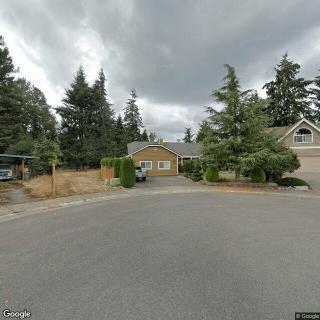



 Weight Training for Seniors: Building Strength and Vitality
 Understanding the Sandwich Generation: Stress and Responsibilities for Multigenerational Caregivers
 8 Essential Assistive Devices for Older Adults