
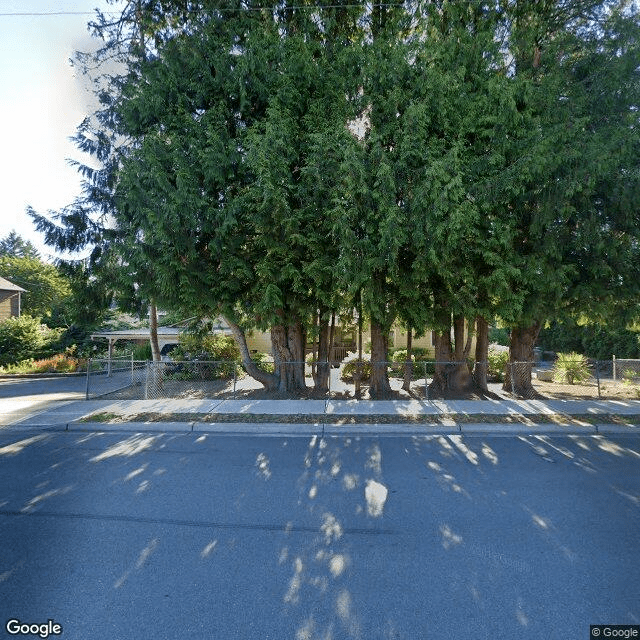
502 H Street NE, Auburn, WA 98002
To contact a resident: (253) 735-4931
For more information about senior living options: (866) 208-4318
Angel Care Adult Family Home Services Costs & Pricing
Angel Care Adult Family Home Services offers competitive pricing for its accommodations in King County, Washington. For a semi-private room, residents can expect to pay $4,500 per month, which is slightly above the county's average of $4,430 and higher than the state average of $4,267. In contrast, the cost for a private room at Angel Care is set at $5,000 per month. This fee is comparable to King County's average of $5,034 but surpasses the statewide average of $4,772. These rates reflect the quality of care and personalized services provided by Angel Care, ensuring that residents receive attentive support in a comfortable environment.
| Floor plans | Angel Care Adult Family Home Services | King County | Washington |
|---|---|---|---|
| Semi-Private | $4,500 | $4,430 | $4,272 |
| Private | $5,000 | $5,034 | $4,774 |
Senior living communities with a similar price nearby
-
from -$500 / mo
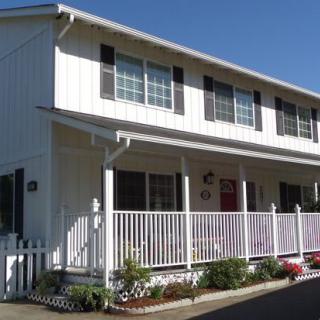
Meadow Crest Senior Home
$4,000 to $6,000 / month13.6 miles away -
from -$500 / mo

Riverton Home Care
$4,000 to $5,000 / month11.8 miles away -
from -$500 / mo
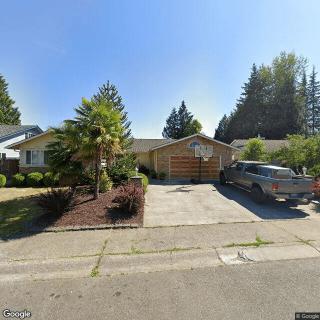
Gentle Care Home
$4,000 to $5,500 / month10.5 miles away -
from -$500 / mo

Ansara Family Home LLC
$4,000 / month21.5 miles away -
from +$500 / mo
Peace and Pleasant Care Adult Family Home II
$5,000 to $6,000 / month5.9 miles away
Overall Review of Angel Care Adult Family Home Services
Pros
 The staff are very caring and helpful.
- The home is smaller, offering one-on-one care with the staff and residents.
- The staff allowed family members to be with their loved one during hospice care, which was greatly appreciated.
- They were good at showing visitors the home and answering questions about services.
- The caregiver was very nice and is believed to be a great match for Mom.
Cons
 During the tour, the residents didn't seem friendly, and the reviewers didn't get good vibes.
Review
Angel Care Adult Family Home Services in Auburn is best for families seeking an intimate, home-like setting where a loved one can receive highly individualized attention. This small, caregiver-driven environment translates into consistent, one-on-one contact that a larger facility simply cannot provide. For seniors who are navigating a hospice trajectory or who require steady, personable assistance, the arrangement offers a reassuring degree of closeness, routine, and familiarity. Touring the home reveals a practical, transparent operation, with questions answered clearly and a realistic sense of how daily life unfolds for residents. The emphasis on personal connections and a quieter pace makes this community a compelling choice for families prioritizing relationship-based care.
This model, however, is not for every family. Those seeking a robust social calendar, bustling activity, or more extensive medical oversight may find the setting too quiet or limited. Larger assisted living communities or facilities with dedicated memory-care wings often deliver the breadth of programming and clinical staffing those needs require. One tour note even cautions that the residents did not appear particularly friendly, which can signal a cooler social atmosphere or a mismatch for relatives who prize outward sociability. In short, Angel Care excels at intimate, individualized care; it may feel too small or singular for households chasing a more active or medically intensive environment.
The strongest positives center on one-on-one care and a genuine, caring staff. The small footprint enables caregivers to know residents deeply, tailoring support to individual routines and preferences. Families appreciate the flexibility to accompany their loved one on outings and to be present during end-of-life moments, including hospice-era in-facility access that many larger homes struggle to accommodate. A caregiver praised for her warmth was highlighted as a likely great match for a resident, underscoring the likelihood of meaningful compatibility when the right caregiver is paired with the right resident. The overall presentation during tours, carefully answered questions and a straightforward picture of services, supports confidence in the care plan.
Nonetheless, the same intimate scale can limit social stimulation, which matters for residents who draw energy from a busy peer network. Although the daily life here prioritizes close interactions with staff, there may be fewer spontaneous activities and less peer-driven engagement than in larger communities. The upside remains that the intimate environment fosters predictable routines, easier communication, and tighter oversight, with the added benefit of strong family involvement and timely access to the resident’s day-to-day experience. In practice, that combination often compensates for any intangible downsides related to atmosphere, especially when the goal is serene, reliable care and meaningful family participation.
For families evaluating Angel Care, alignment hinges on clearly stated priorities. If intimate attention, caregiver compatibility, and active family involvement matter most, this setting delivers with notable impact. Prospective residents should request a direct meeting with the caregiver likely to support them, inquire about staff-to-resident ratios, and confirm how daily routines are structured to ensure comfort and safety. It’s prudent to discuss how end-of-life scenarios are managed, including visitation norms and the ability to accommodate family presence during critical moments. For families needing more pronounced social programming or a broader medical footprint, exploring alternatives remains a prudent step.
Overall, Angel Care stands out as a deeply compassionate, family-friendly option for those prioritizing individualized attention and a home-like atmosphere. It is especially well-suited for families who value the freedom to take a loved one out and who want the option for close, in-the-moment presence during hospice. Those seeking a more social, activity-rich environment or stronger clinical staffing should explore other options. For families ready to commit to a close-knit routine, with caregivers who feel like part of the family, Angel Care is a practical, credible fit that can translate into meaningful quality of life in the later years.
 Board and Care Home
 Activities off-site
 Bath tubs
 Beautician on-site
 Indoor common areas
 Outdoor common areas
 Private
 Seattle-Tacoma International (10 miles away)
 High acuity care
 Incontinence care
 Medication management
 Kosher
 BBQs or picnics
 Birthday parties

 Powerful Realities of Elder Abuse and the Most Effective Ways to Report It
 Ten Vital Duties of a Senior Caregiver: A Comprehensive Guide
 9 Stimulating Memory Activities for Seniors: Puzzles, Cards, and Much More