For more information about senior living options: (866) 208-4318
3.3 from 23 reviews
5 stars
11
4 stars
2
3 stars
1
2 stars
2
1 stars
7
Rosario Assisted Living Costs & Pricing
At Rosario Assisted Living, the monthly costs for accommodations reflect a higher price point compared to the surrounding Skagit County and the broader state of Washington. For a studio room, residents can expect to pay $5,700, which is significantly above the county average of $4,135 and the state average of $4,126. Similarly, for a one-bedroom unit, the cost is $6,300 - marking an increase over Skagit County's average of $3,743 and Washington's statewide average of $4,632. These figures suggest that Rosario Assisted Living offers specialized or enhanced services that may justify these elevated costs, catering to individuals seeking a more comprehensive or tailored experience in their assisted living arrangements.
Floor plans
Rosario Assisted Living
Skagit County
Washington
Studio
$5,700
$4,135
$4,128
1 Bedroom
$6,300
$3,743
$4,634
Skilled Nursing Facilities with a similar price nearby
Residents and families describe the care team as attentive, caring, and quick to respond.
Many reviewers say the staff is genuinely caring and works together to support residents day to day. Several families mention fast responses to questions and concerns, along with help that makes daily life easier. In the memory care unit specifically, a family member describes staff as gentle and empathetic when dementia-related moments come up. Some also highlight food, activities, and overall day-to-day well-being as part of that supportive care experience.
differentiator2 reviews mention this
Memory care is described as specialized
Memory care reviewers describe a safe, supportive environment for dementia.
Reviewers who mention the memory care setting describe a clean and reassuring environment. One family member specifically credits specialty training in how to care for people with dementia, and describes staff as addressing concerns with empathy during visits. Another reviewer describes their loved one as being in the memory care unit and says they are grateful for the care being provided.
common4 reviews mention this
Dining gets mixed feedback
Food is often praised as varied, but some residents want improvement.
Several reviewers describe the food as varied and delicious, and one mentions an Easter brunch for residents and families. Others say the food could be better, calling out a need for higher quality. Overall, dining shows up as a meaningful part of the day-to-day experience, with reactions ranging from very positive to constructive critique.
caveat7 reviews mention this
Staffing and organization are concerns
Multiple reviewers report communication problems, staffing gaps, or poor organization.
Some reviewers describe difficulty getting help or answers when they needed them, including long waits and being brushed off when trying to reach a nurse. Several also mention understaffing, with residents needing to wait longer for care and some feeling that attention is uneven. A few reviewers raise concerns about cleanliness and privacy, including comments about rooms and staff behavior. Taken together, the negative feedback focuses less on kindness and more on reliability, coverage, and day-to-day operational execution.
How we summarize
Counts show how many written reviews mention each theme; a review can touch several themes, and only frequently mentioned themes are displayed.
Features
Housing
94 resident community capacity
Types of Care
Assisted Living
Memory Care
Respite Care
Skilled Nursing Facility
Amenities
Activities off-site
Activities on-site
Air-conditioning
Beauty salon
Cable or satellite TV
Computer center
Devotional services off-site
Devotional services on-site
Dining room
Fitness room
Fully furnished
Gaming room
Garden
Garden view
Ground floor units
Handicap accessible
Housekeeping services
Indoor common areas
Kitchenette
Move-in coordination
Outdoor common areas
Outdoor space
Party space
Private bathrooms
Respite or short term stays offered
Restaurant-style dining
Small library
Telephone
Wellness center
Wheelchair accessible showers
Wi-Fi/high-speed internet available
Transportation
Bellingham International (20 miles away)
Community operated transportation
Transportation & parking
Transportation arrangement
Transportation arrangement (non-medical)
Transportation to doctors appointments
Care Services
12-16 hour nursing
24-hour call system
24-hour supervision
Activities of daily living assistance
Assistance with bathing
Assistance with dressing
Assistance with transfers
Diabetes diet
Diabetic care
High acuity care
Incontinence care
Meal preparation and service
Medication management
Mental wellness program
Physical therapy
Special dietary restrictions
Dining
Anytime dining
Diabetes diet
Gluten-free
Guest meals
International cuisine
Low / no sodium
Meals provided
No Sugar
Professional chef
Room service
Special dietary restrictions
Special dining programs
Vegan
Vegetarian
Activities
Activities off-site
Art classes
Bible study group
Catholic services
Community-sponsored activities
Concierge services
Cooking classes
Day trips and outings
Devotional activities offsite
Devotional activities on-site
Fitness programs
Happy hour
Jewish services
Live well programs
Planned day trips
Protestant services
Religious services
Resident-run activities
Scheduled daily activities
Visiting chaplain or priest
Wine tasting
Languages Spoken
English
Nearby Places of Interest
Physicians
Lopez Island Medical Clinic (0.1 miles)
Prenatal Care Center (0.1 miles)
Anacortes Family Medicine (0.1 miles)
Island Eye Physicians & Surgeons (0.1 miles)
Fidalgo Medical Associates (0.1 miles)
Island Family Physicians (0.1 miles)
Skagit Regional Health - Cascade Ear, Nose and Throat Anacortes (0.1 miles)
Hospitals
Skagit County Public Hospital District (0.1 miles)
Cancer Care Center (0.1 miles)
Island Hospital Sleep Wellness Center (0.3 miles)
Whidbey Island Public Hospital District (13.3 miles)
At Rosario Assisted Living, the monthly costs for accommodations reflect a higher price point compared to the surrounding Skagit County and the broader state of Washington. For a studio room, residents can expect to pay $5,700, which is significantly above the county average of $4,135 and the state average of $4,126. Similarly, for a one-bedroom unit, the cost is $6,300 - marking an increase over Skagit County's average of $3,743 and Washington's statewide average of $4,632. These figures suggest that Rosario Assisted Living offers specialized or enhanced services that may justify these elevated costs, catering to individuals seeking a more comprehensive or tailored experience in their assisted living arrangements.
Rosario Assisted Living's 24-hour supervision ensures that residents receive constant support and quick response in case of emergencies, fostering a sense of security essential for individuals with dementia or Alzheimer's. Assistance with activities of daily living, such as bathing, dressing, and transfers, promotes dignity and independence while addressing the challenges residents may face due to cognitive decline. Incontinence care is provided discreetly, which helps maintain personal hygiene and comfort. Meal preparation and service cater to specific dietary needs while also encouraging social interaction during dining, enhancing overall well-being. Medication management minimizes the risk of errors in medication intake, ensuring optimal health. The mental wellness program focuses on cognitive stimulation through engaging activities tailored to individual capabilities, which is vital for slowing down the progression of memory loss. Finally, physical therapy supports mobility and physical health, contributing to an active lifestyle that benefits both mental clarity and emotional stability. Each feature collectively creates a nurturing environment conducive to improving quality of life for those experiencing memory-related challenges.
Nearby Communities
Companions and Care Senior Services
Anacortes, WA
5 from 2 reviews
Excellent access to nearby healthcare, pharmacies, dining, and parks.
Cypress Assisted Living
Anacortes, WA
3.5 from 26 reviews
Potential for improvement; suitable for self-sufficient residents.
Cap Sante Court Community
Anacortes, WA
4.7 from 20 reviews
$2,600 to $4,200 / month
Warm, supportive community with attentive staff and good dining.
Lighthouse Memory Care
Anacortes, WA
4.6 from 38 reviews
$6,700 to $8,050 / month
Clean, well-maintained facility with attentive staff, delicious meals, a safe circular layout, and engaging activities.
Chandler's Square
Anacortes, WA
4.8 from 32 reviews
$3,200 to $4,600 / month
Attentive staff, clean facility, engaging activities and varied dining.
Arbor Hill
Anacortes, WA
$4,000 to $4,500 / month
Memory care options with private rooms and on-site/off-site activities.
Creekside Continuing Care Community
Burlington, WA
4.2 from 110 reviews
$2,835 to $4,705 / month
Friendly, attentive staff in a clean, engaging environment.
Welcome Home Oak Harbor
Oak Harbor, WA
5 from 11 reviews
$6,000 to $7,500 / month
Compassionate, attentive staff; clean, renovated facilities with engaging activities and comfortable amenities.
HomePlace Special Care At Oak Harbor
Oak Harbor, WA
4.7 from 23 reviews
Specialized memory care in a homelike, 24/7 supervised setting.
Dementia leads to cognitive impairment and can cause emotional and behavioral changes, including aggression that arises from frustration, confusion, or fear. Effective coping strategies for caregivers include understanding dementia's nature, recognizing triggers, using empathetic communication, and employing non-pharmacological interventions like music and art therapy.
Dementia causes cognitive decline and challenging behaviors that caregivers must manage, necessitating an understanding of the neurological basis of these issues. Effective strategies and self-care for caregivers can enhance support for those with dementia and improve their daily lives.
The content outlines five key early indicators of dementia, including significant memory loss and confusion about time and place, while emphasizing the need for professional evaluation and emotional support for both individuals showing symptoms and their caregivers. It encourages family members to monitor these signs closely and use online quizzes for initial awareness.
Get PricingAsk A QuestionSchedule A TourContact Senior Advisor
By clicking submit, you agree to our Partner's Terms of Use. You
also consent to receive calls and texts, which may be autodialed, from our Partner. Your consent is not a condition to
using our Partner's service. Please visit our Partner's Privacy Policy for information about their privacy practices.

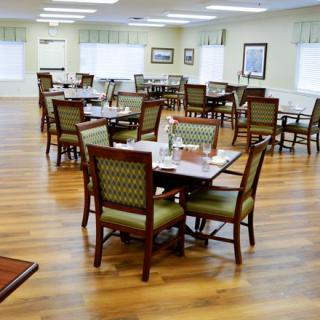
 94 resident community capacity
 Assisted Living
 Memory Care
 Respite Care
 Skilled Nursing Facility
 Activities off-site
 Air-conditioning
 Beauty salon
 Cable or satellite TV
 Computer center
 Devotional services off-site
 Dining room
 Fitness room
 Fully furnished
 Gaming room
 Garden
 Ground floor units
 Handicap accessible
 Housekeeping services
 Indoor common areas
 Kitchenette
 Move-in coordination
 Outdoor common areas
 Party space
 Private bathrooms
 Restaurant-style dining
 Small library
 Telephone
 Wellness center
 Wheelchair accessible showers
 Wi-Fi/high-speed internet available
 Bellingham International (20 miles away)
 Community operated transportation
 12-16 hour nursing
 24-hour call system
 Assistance with bathing
 Assistance with dressing
 Assistance with transfers
 Diabetes diet
 Diabetic care
 High acuity care
 Incontinence care
 Medication management
 Mental wellness program
 Physical therapy
 Special dietary restrictions
 Art classes
 Bible study group
 Concierge services
 Cooking classes
 Day trips and outings
 Happy hour
 Jewish services
 Wine tasting
 English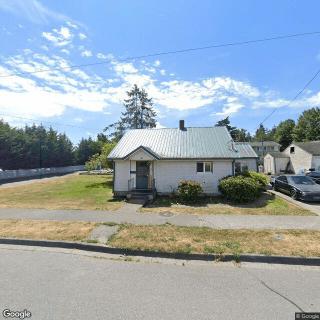
 Excellent access to nearby healthcare, pharmacies, dining, and parks.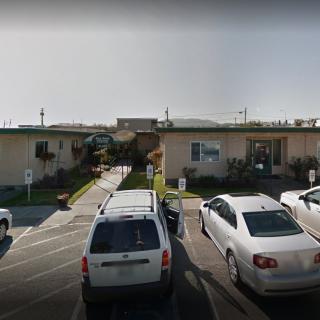
 When Dementia Sparks Anger and Aggression: Understanding the Connection and Ways to Cope
 Dementia Behaviors: In-Depth Understanding and Effective Coping Strategies
 5 Early Indicators of Dementia and What You Can Do