
379 N Main St, Timberville, VA 22853
To contact a resident: (540) 896-4558
For more information about senior living options: (866) 208-4318
Living Waters Assisted Living Timberville Costs & Pricing
Living Waters Assisted Living Timberville offers a notably competitive pricing structure for its residents, particularly when compared to both Shenandoah County and the broader Virginia state averages. For a semi-private room, the monthly cost is $1,500, significantly lower than the county's average of $2,615 and the state average of $3,991. Similarly, their one-bedroom option is priced at $2,500, which not only undercuts the county's average of $4,667 but also aligns closely with Virginia's overall average of $4,257. These competitive rates underscore Living Waters' commitment to providing quality care in an affordable manner, making it an appealing choice for those seeking assisted living services in the area.
| Floor plans | Living Waters Assisted Living Timberville | Shenandoah County | Virginia |
|---|---|---|---|
| Semi-Private | $1,500 | $2,615 | $3,991 |
| 1 Bedroom | $2,500 | $4,667 | $4,257 |
Overall Review of Living Waters Assisted Living Timberville
Pros
 Working with these residents has been nothing but a blessing.
- The new administrator was very nice.
- The doctors there are awesome.
- The residents and staff are friendly.
- The facility provides excellent assisted living and is recommended for anyone.
- It looks nicer and cleaner than past ownership, and some employees are wonderful and do their jobs right.
- The road into the nursing home is now well maintained for visitors and vendors.
- The facility is perfect.
Cons
 Melissa was rude and not helpful to staff, families, and residents.
- Melissa sounded intoxicated and unprofessional during a late-night call.
- The staff let the roommate sleep for days without waking her to eat.
- The owner was hostile and unhelpful when basic information was requested.
- The new owner seems to have no clue what's going on and won't believe anyone.
- The administration is not effectively running the facility, with concerns about money and staff leaving unexpectedly.
Review
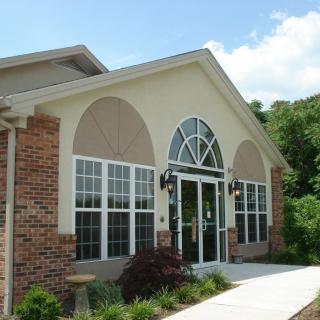
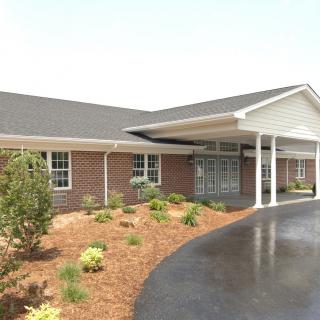
Living Waters Assisted Living Timberville is best suited for families that want a warm, home-like environment with genuinely caring staff and solid medical oversight, and that can tolerate some administrative turbulence. The community tends to shine when staff members are engaged and residents enjoy friendly interactions with both caregivers and neighbors. For families who value a comfortable, personable atmosphere and a practical level of clinical attention, this setting can deliver meaningful daily quality of life. The facility’s appearance and the involvement of medical professionals add a tangible layer of reassurance for those not seeking clinical rigidity.
Those considering alternatives should weigh the realities of administration and communication. If a family requires consistently proactive leadership, transparent updates, and dependable problem‑solving from a single, accountable management team, this community may fall short. Dementia‑focused programming and predictable care plans matter for certain residents, and when leadership struggles to communicate clearly or respond promptly, worries about safety and continuity intensify. Potential residents who rely on steady, steadier decision-making from administrators, rather than occasional turnover or mixed messages, should explore other options with stronger governance and clearer accountability.
On the upside, there are meaningful strengths to lean into. When staff are present and engaged, residents experience warmth, daily assistance, and a sense of community that many families seek in assisted living. The medical team is praised for competence, and the facility itself shows improvements in cleanliness and overall upkeep compared with earlier ownership. A newer administrator has drawn cautious optimism from some ancillary partners and visitors, suggesting that steady leadership could unlock more consistent day-to-day performance. Taken together, these positives hint at a facility that can deliver solid care when staffing and leadership align.
The core drawbacks, however, are tangible and persistent. Several reviews point to administrative missteps and unhelpful or hostile interactions from leadership, which undermine trust and slow response to family inquiries and resident needs. Communication gaps, whether about care plans, daily routines, or changes in staffing, create uncertainty for families and residents alike. Reports of disorganization, staff behavior concerns, and interruptions to routine care, such as delays in basic oversight, signal potential gaps in supervision and accountability. The combination of these factors weighs heavily against the otherwise favorable clinical and social environment.
The practical takeaway is clear: this community can be a good fit for households willing to actively vet and monitor operations, with a plan to engage the administrator, request concrete care protocols, and observe day-to-day interactions. Families should seek a transparent, written care plan, clear staffing ratios, and a defined escalation path for concerns. It is wise to talk to current residents and their families about consistency of staff, responsiveness of management, and any dementia‑specific programming or training. If those assurances cannot be obtained, or if seasoned certainty around administration and communication is non-negotiable, pursuing other options is prudent.
Finally, approach the decision with a concrete due‑diligence plan. Schedule multiple visits at different times to observe how staff interact with residents and how management handles questions. Ask to meet the administrator in charge and to review sample weekly schedules, incident logs, and care plans. Confirm licensure status, staffing levels during peak hours, and any recent turnover in key roles. In weighing the choice, prioritize reliability of leadership and communication, followed by the quality of direct care and the daily living experience. For families willing to actively participate in oversight, Living Waters can be a workable home; for those seeking consistent governance and seamless information flow, alternatives may better align with expectations.
 Assisted Living
 Memory Care
 Cats allowed
 Dogs allowed
 Activities on-site
 Devotional services off-site
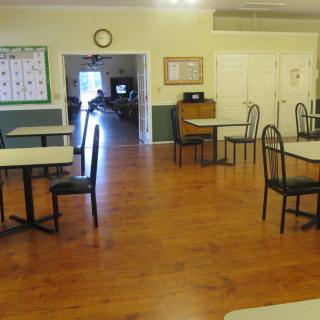
 Indoor common areas
 Respite or short term stays offered
 Ambulatory care
 Diabetic care
 Meals provided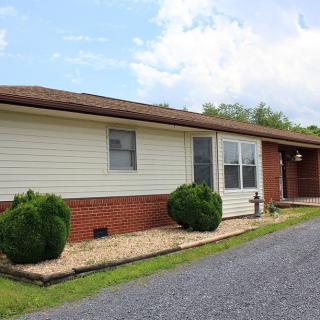




 Medications Associated with Dementia Risk: A Comprehensive Overview
 Guiding Your Journey: Understanding Power of Attorney for Elderly Parents
 22 Remarkable Caregiver Support Groups Available Online and In-Person