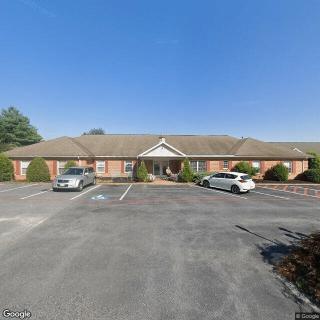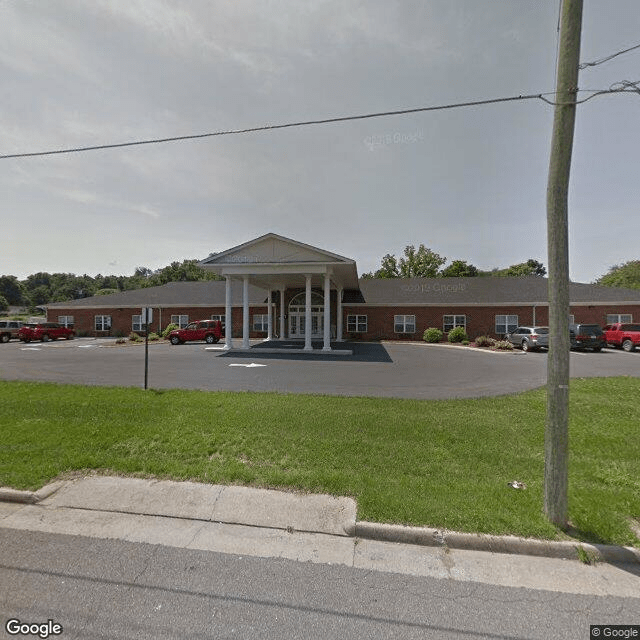
Shenandoah Terrace in New Market, VA

Save
Shenandoah Terrace

Shenandoah Terrace in New Market, VA

447 West Old Cross Road, New Market, VA 22844

For more information about senior living options: (844) 490-3973

4.6 from 5 reviews
5 stars
4
4 stars
0
3 stars
1
2 stars
0
1 stars
0

Assisted Living Board and Care Home Memory Care

Overall Review of Shenandoah Terrace

Pros

  • pro The staff are described as the BEST and deserve more than five stars for their care.
  • pro They go above and beyond to keep residents comfortable.
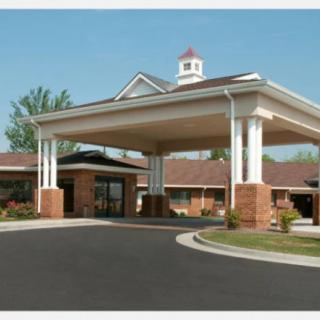
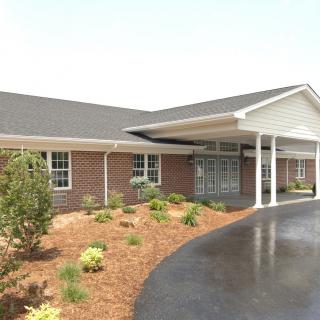
  • pro The facility is absolutely beautiful, like walking into a hotel rather than a nursing home or memory care unit.
  • pro The rooms are private, and the environment feels bright and welcoming with a sunroom, porch, and pretty outdoor spaces.
  • pro When families cannot visit, the staff provide full reports on residents, demonstrating thorough communication.
  • pro The care is high quality and residents stay active with daily planned activities, and the facility is very clean.

Cons

  • pro There is a lack of communication between the family and the administration.
  • pro They question whether anyone could truly say they love this place.
  • pro They hate going there because their mother has dementia, and no one likes to see a mother in that state.
  • pro They have not been able to have meals because of COVID.

Review

Shenandoah Terrace in New Market, VA is best suited for families seeking a memory-care environment that pairs hands-on, attentive front-line caregiving with a high-end, hotel-like setting. It works especially well for residents with dementia who require round-the-clock supervision and structured activities, and for families who prize private rooms, everyday engagement, and a pristine, welcoming atmosphere. This community shines when the goal is to minimize institutional vibes while maximizing safety, comfort, and dignity for residents who need memory-support services.

Those who should consider alternatives are families that need consistently proactive administrative communication and crystal-clear, frequent updates from leadership. The most jarring critique among reviewers centers on a disconnect between families and the administration. While the care staff are praised for warmth and dedication, the experience can feel undermined if administrative touchpoints are inconsistent or slow to respond. For some families, a community with a more formal family liaison role or a proven cadence of routine updates may be a better fit.

The strongest value proposition here rests on the care team and the setting. Front-line caregivers are repeatedly described as going above and beyond to keep residents comfortable, and the facility itself appears immaculate and inviting. The memory-care unit is designed for security without sacrificing autonomy: residents can move within a secure space, and the outdoor areas - a sunroom, a screened porch, a yard with a privacy fence, a gazebo - offer a calm, aesthetically pleasing environment that supports mood and engagement. Private, well-sized rooms with generous closets and private bathrooms contribute to a sense of dignity and personal space that often gets lost in memory-care settings.

Operationally, the community delivers 24-hour care with strong routines and activity calendars, which helps preserve daily structure and engagement for residents who benefit from predictable programming. The lobby and central hub open directly into shared spaces where meals and activities occur, creating an atmosphere that feels less like a clinical facility and more like a comfortable, well-managed community. This alignment of design, function, and staffing tends to offset the inherent challenges of memory care by reducing confusion and promoting a sense of home, safety, and continuity for both residents and their families.

Where Shenandoah Terrace falls short is most evident in administrative communication. The standout caregivers receive praise, but the perception that family updates or problem escalations aren't handled as consistently as families would like can erode confidence in the overall experience. Families seeking exhaustive, proactive reporting should enter with a plan for regular check-ins - perhaps a designated point of contact, scheduled update calls, and a written care summary after each significant event. This adjustment would convert a strong, staff-driven model into a consistently transparent partnership between families and administration.

In the end, Shenandoah Terrace represents a strong choice for memory-care when the priority is a secure, appealing setting with dedicated, capable care teams and ample daily activity. It delivers compelling value through private rooms, independent-leaning outdoor spaces, and a hotel-like ambiance that can ease transitions for residents and families alike. However, potential residents should be prepared to advocate for regular administrative communication and explicit care-planning updates. If open, frequent administrative dialogue is non-negotiable, families may wish to compare options that emphasize a more formal family-communication structure. For those who can accept, or even welcome, a strong frontline care culture within a superior environment, Shenandoah Terrace stands out as a practical, well-considered choice.

Features

Housing

  • 18 resident community capacity 18 resident community capacity

Types of Care

  • Assisted Living Assisted LivingAssisted living facilities provide crucial support and care for seniors who may need help with daily tasks such as medication management, bathing, and meal preparation. These communities offer a safe and comfortable environment where seniors can maintain their independence while receiving the assistance they need to thrive in their golden years.
  • Board and Care Home Board and Care HomeBoard and care homes provide a smaller, more intimate setting for seniors who require assistance with daily tasks but do not need the level of care offered by a nursing home. They offer personalized care, meals, and social activities in a homelike environment, ensuring that seniors receive individualized attention and support in their golden years.
  • Memory Care Memory CareMemory care is crucial for seniors as it provides specialized support and services for individuals with dementia or Alzheimer's disease. These programs offer a safe and secure environment where residents receive personalized care, cognitive stimulation, and help with daily activities. Memory care helps seniors maintain their independence, quality of life, and dignity while also providing peace of mind for their families.

Amenities

  • Cable or satellite TV Cable or satellite TVCable or satellite TV is important for seniors because it provides entertainment, news, and companionship, helping to combat loneliness and boredom. It also offers a wide range of programming options tailored to different interests and preferences.
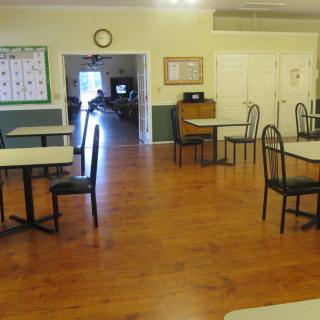
  • Dining room Dining roomDining rooms are important for seniors as they provide a space for socialization, connection, and nutritious meals. They offer opportunities for residents to bond over shared meals, foster a sense of community, and promote healthy eating habits. Dining rooms also ensure that seniors have access to well-balanced meals tailored to their dietary needs and preferences.
  • Fully furnished Fully furnishedFully furnished senior living communities are important for seniors because they provide convenience, comfort, and a hassle-free moving experience. Seniors can easily settle into their new living space without the stress of having to buy and move furniture. This allows them to focus on enjoying their new home and community.
  • Garden GardenGardens are important for seniors as they provide a peaceful and therapeutic environment for relaxation, physical activity, and socialization. Being in nature has been shown to reduce stress, improve mood, and promote overall well-being. Gardens also offer opportunities for seniors to engage in gardening activities, which can improve mobility, flexibility, and cognitive function. Additionally, gardens create a sense of community and connection with others who share a passion for plants and outdoor spaces.
  • Housekeeping services Housekeeping servicesHousekeeping services are important for seniors because they help maintain a clean and safe living environment, promote independence, and reduce the risk of accidents or illnesses. Additionally, having assistance with household chores can alleviate physical strain and allow seniors to focus on other aspects of their well-being.
  • Move-in coordination Move-in coordinationMove-in coordination is important for seniors because it helps ease the transition into their new living environment. It ensures that all logistics, such as packing, organizing movers, and setting up utilities are taken care of, allowing seniors to focus on settling in and adjusting to their new home. Having a smooth move-in process can alleviate stress and anxiety, making the transition smoother and more enjoyable for seniors.
  • Outdoor space Outdoor spaceOutdoor spaces are important for seniors as they provide opportunities for physical activity, social interaction, exposure to natural light and fresh air, and a sense of connection to nature. Having access to outdoor spaces can improve overall well-being and quality of life for older adults living in senior communities.
  • Telephone TelephoneTelephones are important for seniors as they provide a lifeline for communication with loved ones, emergency services, and healthcare providers. They offer a sense of security and independence, enabling seniors to stay connected and access assistance when needed.
  • Wi-Fi/high-speed internet available Wi-Fi/high-speed internet availableWi-Fi/high-speed internet is important for seniors to stay connected with loved ones, access online resources, and participate in virtual activities to combat feelings of loneliness and isolation. It also allows them to easily manage healthcare needs, access entertainment, and engage in lifelong learning opportunities.

Care Services

  • 24-hour supervision 24-hour supervision24-hour supervision is important for seniors to ensure their safety, well-being, and access to immediate assistance in case of emergencies or health issues. This constant support provides peace of mind for both seniors and their loved ones, allowing them to age in place with dignity and security.
  • Activities of daily living assistance Activities of daily living assistanceActivities of daily living assistance are important for seniors because they provide essential support with tasks such as eating, bathing, dressing, and mobility. This assistance helps seniors maintain their independence, dignity, and overall quality of life as they age.
  • Assistance with bathing Assistance with bathingAssistance with bathing is crucial for seniors as it helps maintain personal hygiene, prevents infections, and ensures their overall well-being and comfort. It also provides a sense of dignity and independence for seniors who may struggle with this task on their own.
  • Assistance with dressing Assistance with dressingAssistance with dressing is important for seniors because it helps maintain their independence, promotes personal hygiene, prevents accidents and injuries, and improves overall quality of life. This service ensures that seniors can continue to dress comfortably and confidently, despite any physical limitations they may have.
  • Assistance with transfers Assistance with transfersAssistance with transfers is crucial for seniors as it helps prevent falls and injuries, maintains their independence, and ensures they can safely navigate their living environment. It also provides peace of mind for both seniors and their loved ones.
  • Coordination with health care providers Coordination with health care providersCoordination with health care providers is crucial for seniors to ensure proper medical care, medication management, and overall well-being. This collaboration helps prevent overlapping treatments, track progress more effectively, and provide comprehensive support tailored to individual needs.
  • Dementia waiver Dementia waiverDementia waivers are essential for seniors as they provide critical protections and accommodations for those experiencing cognitive decline. These waivers ensure individuals with dementia receive appropriate care, support, and resources to maintain their quality of life and dignity as they navigate the challenges of this progressive condition.
  • Diabetes diet Diabetes dietA diabetes diet is crucial for seniors as it helps manage blood sugar levels, reduce risks of complications, and improve overall health and well-being. By following a balanced and nutritious diet tailored to their specific needs, seniors can better control their diabetes and enhance their quality of life.
  • Hospice waiver Hospice waiverHospice waivers are important for seniors because they allow individuals to receive specialized end-of-life care and support at home or in a hospice facility. This waiver ensures that seniors can access the necessary resources and services to maintain comfort and dignity during their final days.
  • Meal preparation and service Meal preparation and serviceMeal preparation and service are crucial for seniors as they may have limited mobility or energy to cook nutritious meals. Having access to healthy and convenient food options can ensure they are getting the proper nutrition needed to maintain their overall health and well-being.
  • Medication management Medication managementMedication management is crucial for seniors to ensure they are taking the right medications at the correct dosages and times. This helps prevent adverse drug interactions, reduces the risk of medication errors, and promotes overall health and well-being. Proactive management also allows for adjustments as needed based on changing health conditions or new prescriptions.
  • Mental wellness program Mental wellness programMental wellness programs are essential for seniors as they promote cognitive stimulation, emotional support, and social engagement. These programs help prevent isolation, depression, and cognitive decline, ultimately enhancing the overall quality of life for older adults.
  • Mild cognitive impairment Mild cognitive impairment"Mild cognitive impairment" is important for seniors because it is an early stage of cognitive decline that can potentially progress to more severe conditions such as dementia. Recognizing and addressing mild cognitive impairment can help seniors receive appropriate care and support to maintain their quality of life and independence for as long as possible.
  • Special dietary restrictions Special dietary restrictionsSpecial dietary restrictions are important for seniors because age-related changes in metabolism and health conditions can make it difficult for their bodies to process certain foods. By following a diet tailored to their specific needs, seniors can maintain their overall health and well-being, manage chronic conditions, and reduce the risk of complications such as malnutrition or food interactions with medications.
  • Specialized memory care programming Specialized memory care programmingSpecialized memory care programming is crucial for seniors with cognitive impairments such as dementia or Alzheimer's disease. These programs provide a safe and supportive environment tailored to the unique needs of individuals with memory loss, helping them maintain their independence, dignity, and quality of life.
  • Transportation arrangement (medical) Transportation arrangement (medical)Transportation arrangements for medical purposes are essential for seniors as they may have difficulty driving themselves to appointments or accessing public transportation. Having reliable and safe transportation options ensures that seniors can receive timely medical care and maintain their health and well-being.
  • Transportation to doctors appointments Transportation to doctors appointmentsTransportation to doctors' appointments is crucial for seniors as it ensures they have access to necessary medical care and support for their health needs. Without reliable transportation, seniors may struggle to attend important appointments, leading to potential delays in treatment and health complications. Providing transportation services helps seniors maintain their overall well-being and quality of life.
Dining

  • Diabetes diet Diabetes dietA diabetes diet is crucial for seniors as it helps manage blood sugar levels, reduce risks of complications, and improve overall health and well-being. By following a balanced and nutritious diet tailored to their specific needs, seniors can better control their diabetes and enhance their quality of life.
  • Special dietary restrictions Special dietary restrictionsSpecial dietary restrictions are important for seniors because age-related changes in metabolism and health conditions can make it difficult for their bodies to process certain foods. By following a diet tailored to their specific needs, seniors can maintain their overall health and well-being, manage chronic conditions, and reduce the risk of complications such as malnutrition or food interactions with medications.

Activities

  • Community-sponsored activities Community-sponsored activitiesCommunity-sponsored activities are important for seniors as they provide opportunities for social interaction, mental stimulation, and physical activity. These activities can help improve overall well-being, combat loneliness and isolation, and promote a sense of belonging and purpose among older adults.
  • Scheduled daily activities Scheduled daily activitiesScheduled daily activities are important for seniors because they provide structure, socialization, mental stimulation, and physical activity. Engaging in regular activities can improve overall well-being and quality of life for seniors living in a community setting.

Description

Shenandoah Terrace in New Market, VA is an assisted living community that offers personalized care and support for seniors in a comfortable and homelike environment. With a focus on providing board and care home services as well as memory care, residents can feel confident knowing they are receiving the specialized attention they need.

The community offers a variety of amenities to enhance the quality of life for its residents. A spacious dining room allows for enjoyable meals, which can accommodate special dietary restrictions. Each room comes fully furnished, providing a cozy space for residents to call their own. Outdoor spaces and gardens provide opportunities for relaxation and enjoying nature.

Housekeeping services ensure that living spaces are kept clean and tidy, while move-in coordination helps to simplify the transition process for new residents. Wi-Fi/high-speed internet access is available throughout the community, allowing residents to stay connected with loved ones and engage in online activities.

Shenandoah Terrace provides comprehensive care services to meet the individual needs of each resident. Assistance with activities of daily living such as bathing, dressing, and transfers is provided to ensure residents' comfort and safety. The staff also works closely with healthcare providers to coordinate necessary medical care.

For residents with dementia or memory impairment, specialized memory care programming is available. This includes mental wellness programs tailored to address cognitive decline and mild cognitive impairment. Medication management is also provided to ensure that residents receive their medications accurately and on time.

Transportation arrangements for medical appointments are offered, ensuring that residents can access the healthcare they need conveniently. Additionally, there are nearby pharmacies, physicians' offices, restaurants, parks, places of worship, enabling easy access to various amenities and services within the community.

Overall, Shenandoah Terrace provides a warm and supportive environment where seniors can receive personalized care while maintaining their independence. With its range of amenities and services geared towards enhancing daily life and promoting overall well-being, it is an excellent choice for those seeking assisted living or memory care in New Market, VA.

Nearby Places of Interest

This part of New Market, Virginia, offers a variety of amenities and services that may appeal to seniors looking for a peaceful and convenient place to live. There are several places of worship nearby for spiritual fulfillment, as well as pharmacies and healthcare facilities such as family medicine physicians and imaging services for easy access to medical care. The area also features parks like the New Market Historic District and Heritage Park, providing opportunities for outdoor recreation and relaxation. With restaurants like McDonald's and Burger King within close proximity, seniors can enjoy dining options without having to travel far. Additionally, transportation options such as U-Haul rentals are available for any moving or storage needs. Overall, this neighborhood in New Market provides a comfortable and practical setting for senior living.

Places of Worship

  • General Conference Of Seventh-Day Adventists (0.1 miles)
  • New Market Seventh-Day Adventist Church (0.1 miles)
  • Flat Rock Church (0.7 miles)
  • United Methodist Parsonage (0.7 miles)
  • Timberville Church Of The Nazarene (3.7 miles)
  • Morning With My Friends Preschool (4.8 miles)
  • Flat Rock Church Of The Brethren (5.2 miles)

Restaurants

  • McDonald's (0.5 miles)
  • Burger King (0.5 miles)
  • Double Dragon (5.2 miles)
  • Hardee's (5.3 miles)
  • J J Soft Serve (5.3 miles)
  • Old Hill Cider (6.2 miles)
  • Burger King (6.6 miles)

Pharmacies

  • New Market Pharmacy (0.6 miles)
  • Timberville Drug Store (5.1 miles)
  • Walmart Pharmacy (5.1 miles)
  • Broadway Drug Store (6.9 miles)
  • Broadway Drug Center (6.9 miles)
  • CVS Pharmacy (10.1 miles)
  • Walmart Pharmacy (10.3 miles)

Parks

  • New Market Historic District (0.6 miles)
  • Heritage Park (6.8 miles)
  • Broadway Community Baseball Park (7.3 miles)
  • South River Falls Trail (8.4 miles)
  • Belle Brown Northcott Memorial (12.2 miles)
  • Inn Lawn Park (12.2 miles)
  • Hawksbill Recreation Park (12.9 miles)

Physicians

  • Debbie RMH Sentara Family Medicine Physicians (0.7 miles)
  • Valley Health (0.9 miles)
  • New Market Family Health Center (0.9 miles)
  • Rmh Timberville Imaging Services (4.5 miles)
  • Springbrook Family Medicine (6.9 miles)
  • Mt Jackson Medical Center (7.4 miles)
  • Rmh Luray Health Center (10.5 miles)

Transportation

  • U-Haul Neighborhood Dealer (0.7 miles)
  • Luray Caverns Airport (10 miles)
  • U-Haul Moving & Storage (11.7 miles)
  • Jason Jenkins Taxidermy (12 miles)

Cafes

  • Rope Course At Luray Caverns (10.8 miles)
  • North Side Diner (11.1 miles)
  • Broad Porch Coffee (12.1 miles)

Frequently Asked Questions

Where is Shenandoah Terrace?
Does Shenandoah Terrace provide care for residents with dementia or Alzheimer's disease?

Nearby Communities

  • Shenandoah Place

    Shenandoah Place

    New Market, VA

    4.4 from 11 reviews
     

    pro Compassionate staff in a warm, intimate setting with home-style meals and engaging activities.

  • White Tree Manor

    White Tree Manor

    New Market, VA

    3 from 6 reviews
     

    pro Caring staff in a warm, home-like setting with meals and activities.

  • Luther Crest

    Luther Crest

    New Market, VA


    pro Specialized diabetic care with engaging activities and a focus on spiritual well-being.

  • Life Care Center Of New Market

    Life Care Center Of New Market

    New Market, VA

    4.6 from 97 reviews
     

    pro Caring, professional staff in a clean, well-maintained facility with good dining and engaging activities.

  • Living Waters Timberville

    Living Waters Timberville

    Timberville, VA


    pro Fully furnished apartments with restaurant-style dining and 24/7 care.

  • Living Waters Assisted Living Timberville

    Living Waters Assisted Living Timberville

    Timberville, VA

     
    $1,500 to $2,500 / month

    pro Competitive pricing for semi-private and one-bedroom, with memory care and diabetic care.

  • Hawksbill Assisted Living

    Hawksbill Assisted Living

    Luray, VA

    4.6 from 9 reviews
    $2,000 to $4,400 / month

    pro Caring staff and a vibrant, home-like activity program.

  • Journeys Crossing Assisted Living

    Journeys Crossing Assisted Living

    Elkton, VA

    4.4 from 21 reviews
    $3,350 to $4,950 / month

    pro Homey, well-maintained setting with spacious rooms and engaging activities.

  • Willow Estates Retirement

    Willow Estates Retirement

    Penn Laird, VA

    3.7 from 24 reviews
    $2,500 to $3,000 / month

    pro Beautiful, clean facility with friendly staff and engaging amenities.

Assisted Living in Nearby Cities

Related Resources

  • best foods for dementia patients to eatNourishing the Mind: Essential Dietary Approaches for Dementia

    Dementia is characterized by cognitive decline, with nutrition playing a vital role in brain health; while no specific diet can prevent or reverse it, a nutrient-dense diet rich in antioxidants and healthy fats may support cognitive function. The MIND diet, which emphasizes beneficial foods and limits processed items, along with proper hydration and individualized meal strategies, can enhance the well-being of dementia patients.

  • dementia behaviorsUnderstanding Dementia Behaviors: Practical Insights and Strategies for Caregivers

    Dementia affects memory and cognitive function in older adults, presenting challenges for caregivers due to behavioral changes such as confusion and mood swings. Compassionate, person-centered care that considers individual history and preferences, along with effective communication and environmental modifications, is essential for supporting both patients and their caregivers.

  • dementia and angerWhen Dementia Sparks Anger and Aggression: Understanding the Connection and Ways to Cope

    Dementia leads to cognitive impairment and can cause emotional and behavioral changes, including aggression that arises from frustration, confusion, or fear. Effective coping strategies for caregivers include understanding dementia's nature, recognizing triggers, using empathetic communication, and employing non-pharmacological interventions like music and art therapy.